
Last updated November 25, 2026
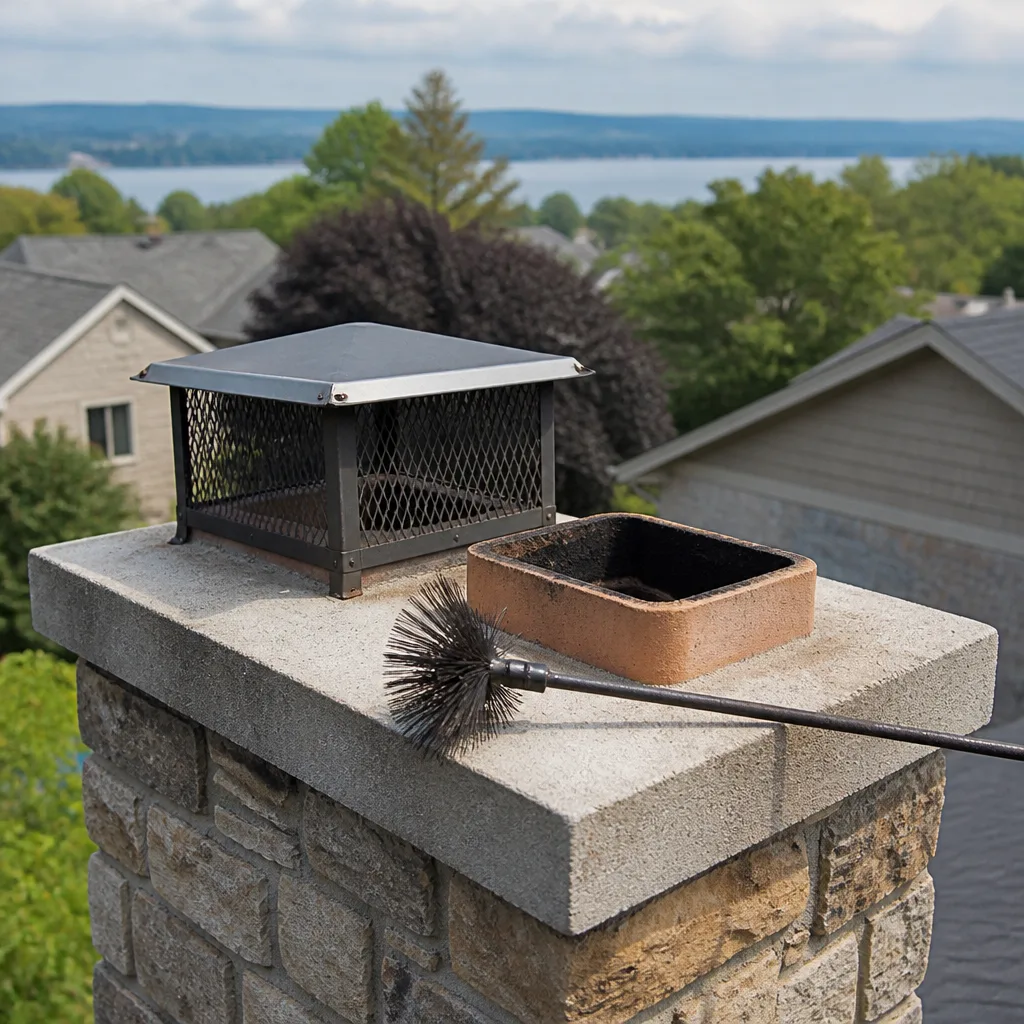 Sweep & inspection
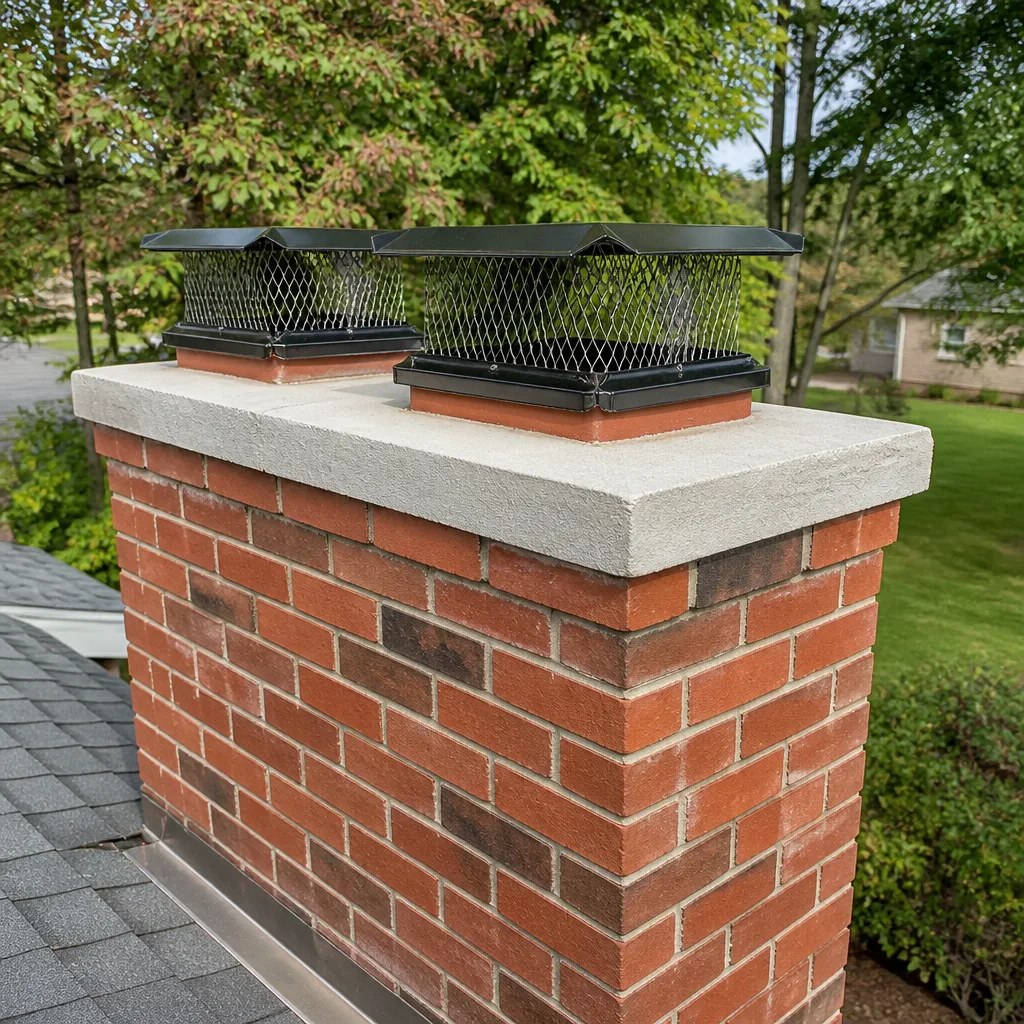 Caps & crowns
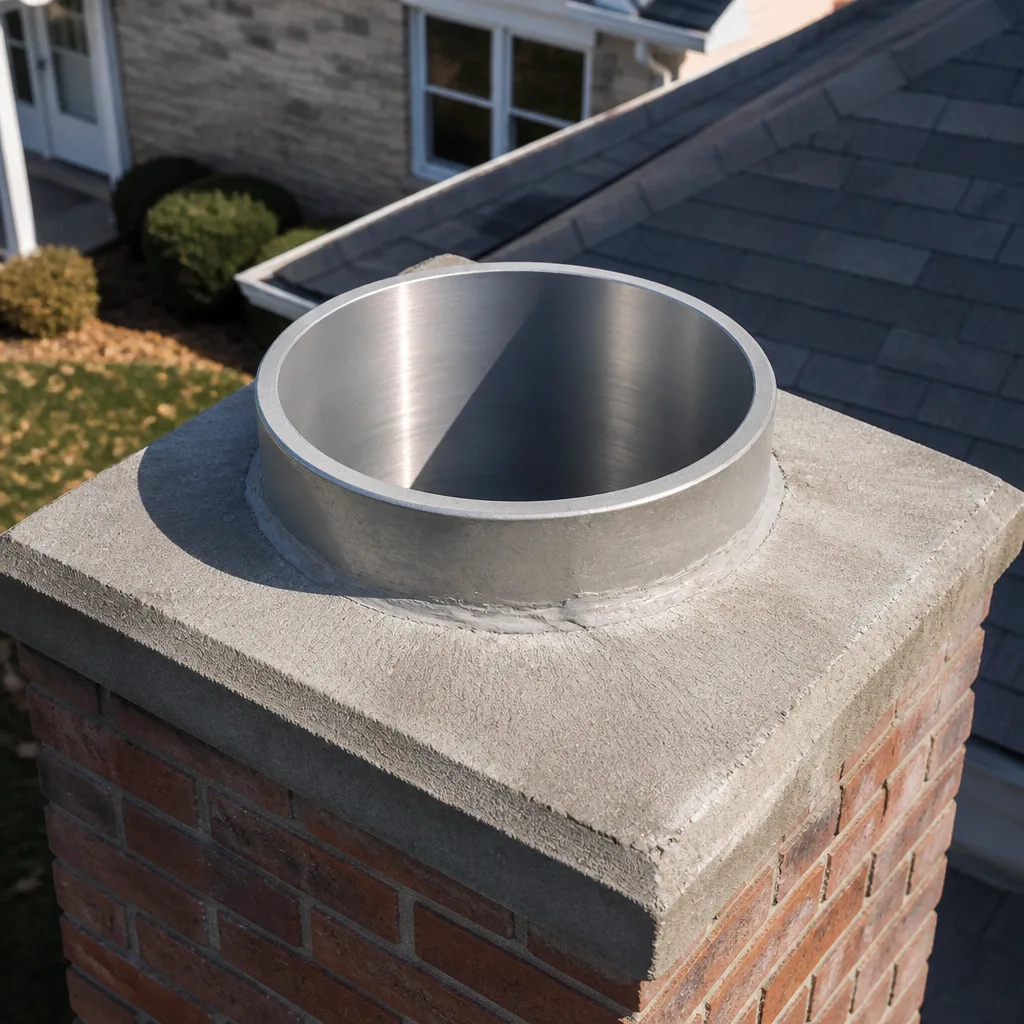 Flue relining
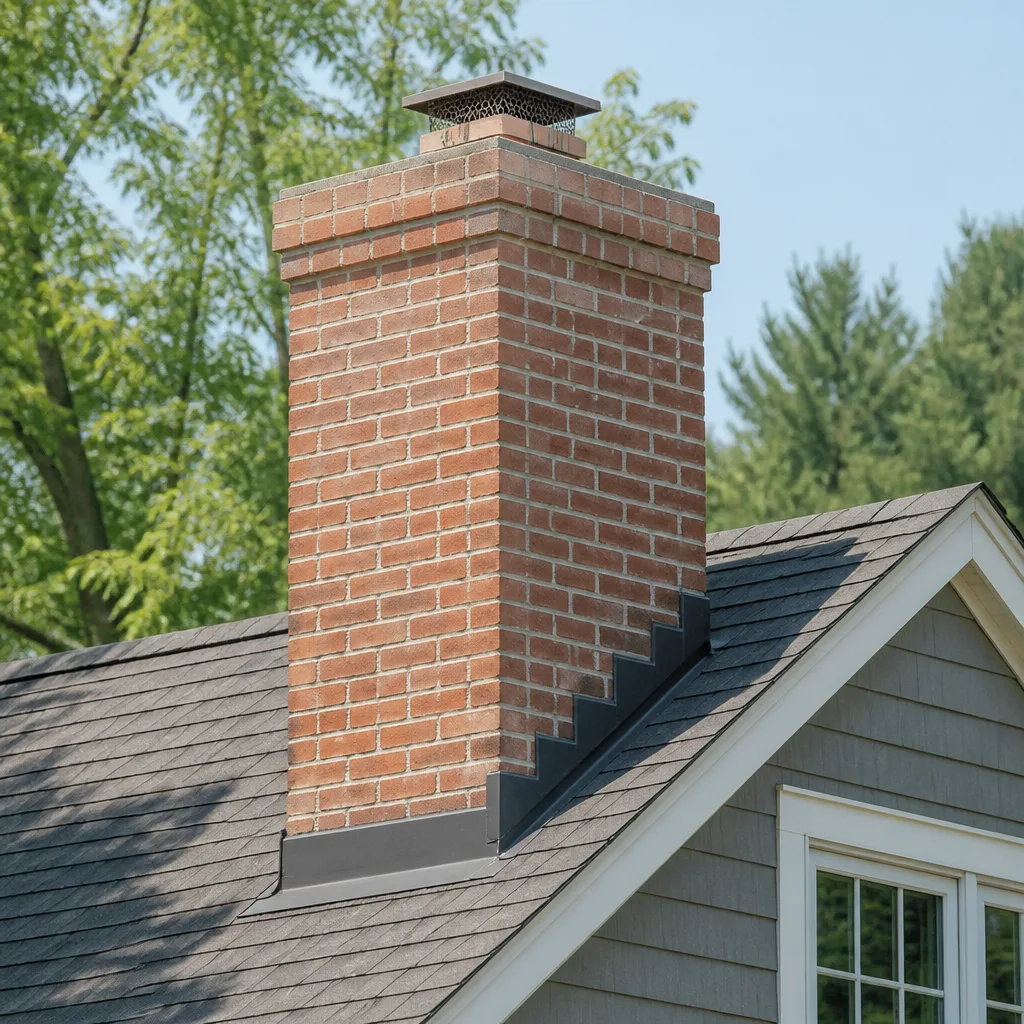 Masonry repair
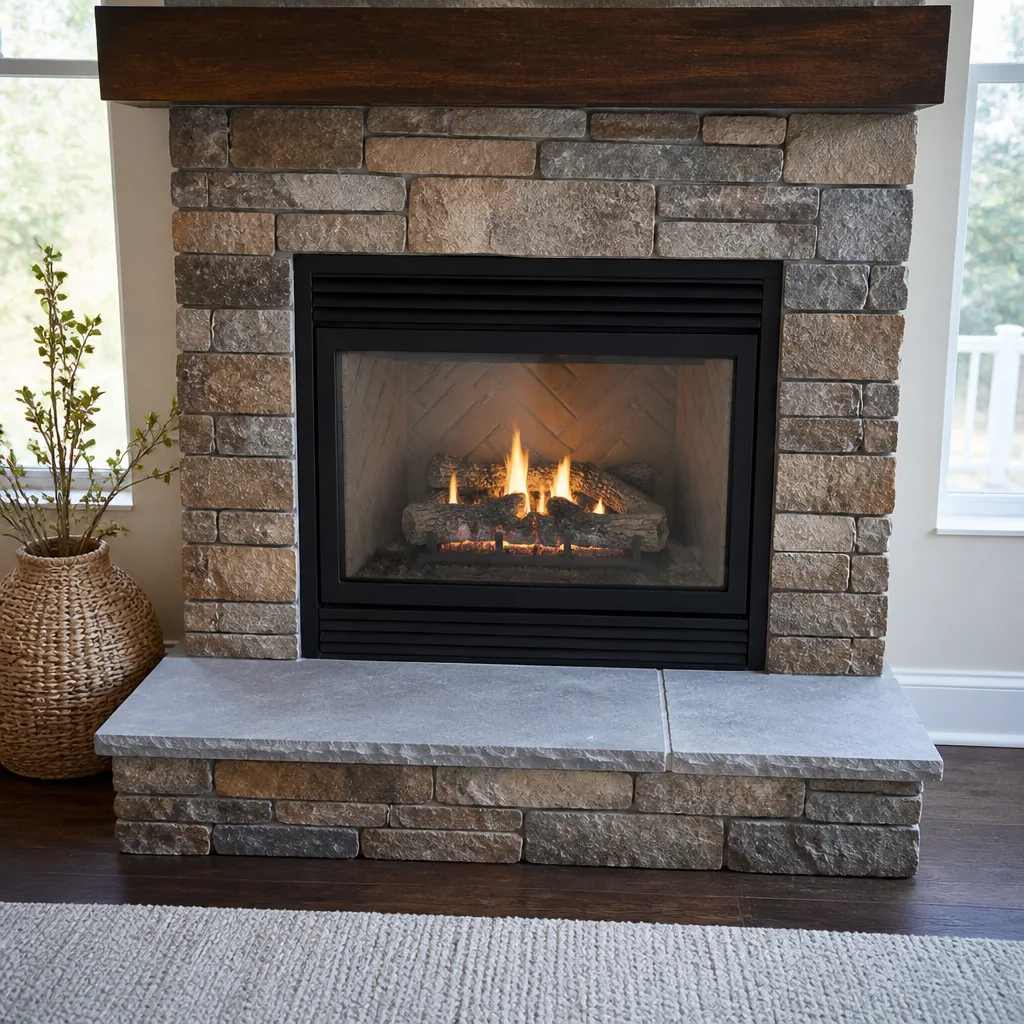 Gas fireplace service
Level 1 sweep and inspection to the NFPA 211 annual standard - flue, crown, cap, and flashing checked and photographed
Chimney sweep logs do not sweep chimneys. They loosen some creosote - which then falls where a brush and vacuum still have to collect it.
Choosing the Right Chimney Cleaning Brand: A Buyer’s Guide for Parkchester
When a chimney contractor charges extra for “chemical treatment,” most homeowners have no way to tell whether they’re being sold something necessary or something invented on the spot. Here’s the thing: the product name itself gives the answer away. A creosote conditioner built for stage-two buildup is a real tool with a real job. A mystery powder in an unmarked jug is not. The difference is knowable before you sign anything. This guide walks through the professional chimney product categories you’ll encounter in Parkchester – dry chemical treatments, rotary cleaning systems, masonry sealers, and liner repair materials – and gives you a one-question filter for telling a specialist from a generalist with a brush.
Quick Answer
Professional chimney cleaning products fall into two broad groups: dry chemical treatments that condition creosote before or after a sweep, and mechanical rotary systems that clean flues a standard brush can’t reach. If a contractor can name the specific product they’re applying, tell you which creosote stage it targets, and show you the labeled container, you’re dealing with someone who understands the system. Name it, stage it, show it – that’s the test.
Styles & brands we work with
- Sweep & inspection
- Caps & crowns
- Flue relining
- Masonry repair
- Gas fireplace service
Table of Contents
- The Two Categories of Professional Chimney Products
- Dry Chemical Treatments: Anti-Creo-Soot and Creosote Buster
- Rotary Cleaning Systems: SootEater and Gardus RotoClean
- Chimney Sealers: Water Repellents, Crown Coatings, and Smoke Chamber Parging
- Liner Repair Products: HeatShield, Stainless Reline, and Cast-in-Place
- The One-Question Filter for Verifying Contractor Expertise
- What These Products and Applications Typically Cost
The Two Categories of Professional Chimney Products
Almost everything a sweep applies to your chimney belongs to one of two families, and knowing which is which keeps you from paying for the wrong thing. The first is active-use treatment – a product applied while the fireplace is still in service, designed to change the chemistry of creosote so it can be swept away more thoroughly or burns off at a lower temperature. The second is post-cleaning treatment – a sealer, coating, or resurfacing compound applied after the flue is clean, designed to protect masonry from water, seal joints, or restore a failing liner surface.
The distinction matters because the two are not interchangeable, and the timing isn’t either. A creosote conditioner applied to a freshly swept flue does nothing useful. A water repellent applied to a wet, sooty flue will fail within a season. In our experience, most confusion in Parkchester comes from contractors who blur the categories – offering a “treatment” that’s really just a spray, or quoting a sealer without confirming the flue is dry and clean first.
Active-use treatments do this:
- Loosen and condition creosote so it sweeps off the flue wall instead of glazing onto it
- Work best over a series of fires, not in a single application
- Are most useful for wood-burning fireplaces with regular use
Post-cleaning treatments do this:
- Repel water from masonry and reduce freeze-thaw spalling
- Seal crown cracks and smoke chamber joints
- Restore or reline a deteriorated flue interior
- Require a clean, dry substrate to bond correctly
Parkchester’s housing stock includes a lot of mid-century brick apartment and row-house chimneys, many with flue sizes that were standard when they were built and aren’t standard now. That variety is exactly why the product category matters more here than in a newer suburb: a brush-only operation simply can’t reach into the range of flue configurations that a proper chimney sweep is equipped to handle.
Dry Chemical Treatments: Anti-Creo-Soot and Creosote Buster
Anti-Creo-Soot and Creosote Buster are dry chemical products a sweep applies to condition creosote before a cleaning or to keep a flue manageable between cleanings. They aren’t a substitute for sweeping – they make the sweep work better. If a contractor tells you these products eliminate the need for a physical cleaning, that’s a red flag.
Here’s how they work in practice. Creosote forms in three recognized stages: a light, flaky first stage; a crunchy, glossy second stage; and a hardened, glazed third stage that bonds tightly to the flue wall. A dry chemical treatment is most effective against stage one and stage two, where it changes the creosote’s consistency so a brush removes it cleanly. Against stage three glazing, most chemical treatments make only limited headway, and mechanical action is usually required.
What to ask before a chemical treatment is applied:
- Which creosote stage was identified during the inspection, and how?
- Which product is being applied, and who makes it?
- Is this a pre-sweep conditioner or a between-cleanings maintenance application?
- What change should be visible after the next sweep?
In Parkchester, where wood-burning fireplaces in older buildings often see a mix of seasoned and unseasoned wood depending on what’s available locally, creosote buildup can run heavier than the homeowner expects. That’s a reason to have the flue inspected and staged before any chemical is applied. A sweep without an inspection only tells you half the story – it cleans the flue without saying anything about what stage of buildup is present or what the next cleaning interval should be.
Dry chemicals are also a signal of shop depth. A sweep who keeps these products in the vehicle has planned for the possibility that they’ll be needed. A brush-only operation has to make a second trip or skip the treatment entirely.
Rotary Cleaning Systems: SootEater and Gardus RotoClean
SootEater and Gardus RotoClean are rotary cleaning systems that use a spinning whip or chain head on a flexible rod to scour creosote from flue walls. They’re used when a standard rod-and-brush can’t reach the buildup – typically glazed stage-three creosote, an off-angle flue, or a flue diameter the standard brush doesn’t fit. Where a rod-and-brush works well, it’s still the right first tool. Where it doesn’t, a rotary system is the difference between a clean flue and a flue that only looks clean.
Diameter flexibility is where this becomes specific. Parkchester’s older buildings were constructed to a range of flue sizes – a narrow interior flue in a row house is not the same diameter as the flue in an older apartment building, and neither matches what a modern masonry chimney expects. A rotary system with adjustable head sizes can work across that range; a single fixed brush cannot. When a contractor quotes a cleaning, ask whether the system they’re bringing adjusts to your flue’s actual measured diameter, and whether they’ll measure it during the inspection.
Conditions that call for a rotary system:
- Glazed or tar-like third-stage creosote on the flue wall
- Off-angle or offset flue sections that defeat a straight brush
- Flue diameters outside the range of standard brushes
- A prior cleaning that left visible residue
Conditions where rod-and-brush is the right call:
- Light, flaky first-stage creosote
- Standard-diameter flues in good condition
- Routine annual cleaning on a well-maintained fireplace
Rotary systems require more skill than a standard brush, and they generate more airborne dust. A contractor equipped to use one should also be equipped to control the dust – drop cloths, containment, and a HEPA vacuum running the whole time. If a sweep mentions rotary cleaning without any mention of dust control, that’s worth a follow-up question. The material is fine; the execution is what protects your home.
Chimney Sealers: Water Repellents, Crown Coatings, and Smoke Chamber Parging
Chimney sealers are three distinct products, not one, and applying the wrong one to your masonry is worse than applying none. The three categories are water repellents like ChimneySaver, crown coatings that seal and rebuild the top surface of the chimney, and smoke chamber parging compounds that smooth and seal the interior chamber above the firebox. Each addresses a different problem, and each has a correct masonry type it’s formulated for.
ChimneySaver water repellent is a breathable sealer applied to the exterior masonry to reduce water absorption while letting moisture vapor escape from inside. It’s the right product for porous brick that’s taking on water. It is the wrong product on dense, non-porous masonry, where it can trap moisture behind the treated surface and accelerate spalling instead of preventing it. Crown coatings are a different material entirely – a flexible, crack-bridging compound applied to the crown, meant to seal the joint where the crown meets the flue and resist the movement that opens hairline cracks over time. Smoke chamber parging is an interior compound that smooths the transition above the firebox, reducing turbulence and cutting down on the creosote that collects on a rough smoke chamber surface.
Which sealer addresses which problem:
- Water repellent (ChimneySaver): porous exterior masonry taking on water; reduces absorption without trapping vapor
- Crown coating: cracked or failing crown; seals the crown-to-flue joint and bridges hairline movement
- Smoke chamber parging compound: rough interior smoke chamber; smooths the surface and reduces creosote collection
The cost to apply these varies with access, chimney height, and how much surface is being treated – typical application ranges run from a few hundred dollars for a small crown coating to over a thousand for full exterior water repellent on a tall chimney, and the written estimate sets the final price. The wrong product applied to the wrong masonry can cost more to undo than it saved. Ask the contractor to explain why the specific product matches your masonry type before authorizing application. A specialist will have the answer ready. A generalist usually won’t.
Liner Repair Products: HeatShield, Stainless Reline, and Cast-in-Place
Liner repair is the decision point where homeowners most often feel they’re being upsold, because they can’t see the problem. Three repair approaches are used in professional practice: HeatShield ceramic resurfacing, full stainless reline, and cast-in-place liner. Each is structurally appropriate to a different condition, and matching the product to the condition is what makes the repair last.
HeatShield ceramic resurfacing
HeatShield is a ceramic-based resurfacing system applied to the interior of an existing flue that has deteriorated joints or a rough surface but is otherwise structurally sound. It extends flue life without a full reline, which makes it a lower-cost option. In our experience, the product is appropriate when the liner’s structural integrity is intact but the surface is failing – cracked joints, rough clay tile, or gaps that need a smooth, sealed coating over them. It is not appropriate for a liner that has failed structurally at the tile level.
Full stainless reline
A full stainless reline installs a flexible stainless liner inside the existing flue, typically in a professional-grade product like DuraFlex, when the original liner is cracked, displaced, or unserviceable. It’s the correct answer when the structure cannot be restored from the inside, and it’s often the right answer when the flue is being matched to a newer appliance or converted for a use the original liner wasn’t sized for. It’s more expensive than resurfacing, but it replaces the liner rather than restoring it.
Cast-in-place
Cast-in-place liners pour a cementitious material into a form inside the flue, creating a uniform new liner. They’re appropriate where the original flue is irregular in shape, too large for a stainless liner to be efficient, or where multiple flue tiles need to be unified into one consistent passage. Cast-in-place also typically requires a slightly larger flue footprint than some other options, so access and flue geometry have to be confirmed during inspection.
What distinguishes the three approaches:
- HeatShield: resurface, not replace; right answer when the liner is intact but the surface isn’t
- Stainless reline: replace; right answer when the liner is cracked, displaced, or unsuited to the appliance
- Cast-in-place: replace and reshape; right answer when irregularities need to be unified
Parkchester’s aging masonry chimneys present each of these conditions in different buildings, sometimes on different flues in the same building. Our technicians have up to 8 years of experience using chimney repair methods that match the actual liner condition rather than applying one approach to every chimney. Professional-grade brand systems like DuraFlex and Olympia Chimney are the ones specified in these repairs, because they’re engineered for the flue conditions that actually come up. If a contractor quotes “a liner” without telling you which product and which condition it’s meant to fix, that quote isn’t finished.
The One-Question Filter for Verifying Contractor Expertise
The single most useful question you can ask any chimney contractor is: “Can you name the specific product you’re applying to my chimney, and show me the container?” Legitimate, equipped contractors will have it on the vehicle and can show you the labeled container. A contractor who has to think about it, describe the product vaguely, or produce a generic tub with a hand-written label has told you what you needed to know.
It’s a filter because it’s hard to answer without actually owning the product. Professional-grade chimney materials – HeatShield, Gelco, Olympia Chimney, Famco – are not stocked at most home improvement retailers. They’re specified and purchased by contractors who use them on every chimney they service, and they sit in the vehicle in labeled packaging because that’s how the material is supplied. A generalist who splits attention across unrelated trades doesn’t buy the material because they don’t use it often enough to justify it.
Three verification steps to run before authorizing any application:
- Ask for the product name and the application stage. “Anti-Creo-Soot, pre-sweep conditioner” or “HeatShield, ceramic resurfacing on a cracked-joint flue” is a complete answer. “A treatment” is not.
- Ask to see the container. The product should be labeled with the manufacturer’s name and instructions. There is no professional chimney product that comes in an unmarked container.
- Ask why this product matches this condition. A specialist can tie the product to a specific problem – a creosote stage, a masonry type, a liner condition – and the tie will make physical sense.
We’ve seen the same test work for inspection reports. Any contractor in Parkchester who recommends a liner repair or a full reline should be able to show you the camera evidence that supports the recommendation, and they should tell you plainly when the work can safely wait. A repair recommended on a photo you can’t see is a repair you’re being asked to take on faith. The product name and the picture are the two things you’re entitled to before you sign.
For the full lifecycle, the answer isn’t a product at all – it’s a sweep plus an inspection plus the correct material for whatever the inspection finds. From cap to firebox, every component should be evaluated as one connected system, and every repair should be specified against a named product. A chimney cap & crown repair, for instance, is not just a coating – it’s a specific cap system and a specific crown compound matched to the masonry. A Chimney Sweep Parkchester visit covers both the chimney and the fireplace as a connected unit, so the appliance and the venting system get serviced together rather than in isolation.
What These Products and Applications Typically Cost
Product-based work on a chimney is priced by the job, not by the product alone, because the labor and access drive most of the cost. These are typical ranges for the Parkchester area, and they’re estimates – the written estimate after an inspection sets the final price.
- Chimney sweep with inspection: $150-$350 typical, depending on flue condition and number of flues
- Dry chemical creosote treatment (Anti-Creo-Soot, Creosote Buster): $50-$150 per treatment as an add-on to a sweep
- Rotary cleaning (SootEater, Gardus RotoClean): $250-$500 typical when glazed creosote or off-angle flues require mechanical action
- ChimneySaver water repellent application: $400-$1,200 typical, based on chimney height and masonry surface area
- Crown coating: $250-$600 typical
- Smoke chamber parging: $300-$800 typical, based on access and surface condition
- HeatShield ceramic resurfacing: $1,200-$2,500 typical, depending on flue length and joint condition
- Full stainless reline (DuraFlex): $2,500-$6,000+ typical, based on flue length, diameter, and appliance
- Cast-in-place liner: $3,500-$7,500+ typical, based on flue volume and access
The cost breakdown matters because the cheap option and the correct option are not always the same one. HeatShield resurfacing is a real cost-saving option compared to a full reline – but only when the liner is structurally intact. Specifying it on a liner that needs to be replaced is not a saving; it’s a delay that becomes a bigger repair. On the other side, a full reline quoted on a liner that only needs resurfacing is a bigger bill than the condition requires.
Ask for the inspection camera evidence and the product name before agreeing to any of the above. Get a free estimate from a specialist – the numbers above should map onto the quote you receive, and if a number doesn’t line up, that’s the question to ask.
Common Mistakes to Avoid
- Hiring a generalist handyman for a chimney job. A handyman can handle many home repairs, but chimney work involves fire safety, venting, and material specification that most generalists don’t handle routinely. The product name test separates the two quickly.
- Assuming “chemical treatment” means something specific without asking. It’s a product category, not a product name. Ask which product, which creosote stage, and get a labeled container on the table.
- Applying a water repellent to the wrong masonry type. ChimneySaver on dense non-porous masonry can trap moisture and speed up spalling instead of preventing it. The contractor should match the sealer to the masonry.
- Authorizing a full reline without seeing the camera evidence. A liner replacement is one of the larger chimney jobs you’ll face, and the recommendation should be supported by footage you can look at and questions you can ask.
- Skipping the inspection and only purchasing the sweep. A sweep without an inspection tells you the flue is clean today, not that it’s safe or that the next repair is coming. In Parkchester’s varied older flues, inspection is the part that catches problems early.
- Accepting an unmarked container. There is no professional chimney product that comes in a container without a manufacturer label. If the label is missing, the material is not verifiable, and you shouldn’t authorize it.
- Assuming a bigger bill always means a better job. The right product for a condition is sometimes the cheaper one. HeatShield resurfacing is often the correct answer where a full reline was quoted. Ask what condition the product is designed for.
See the difference
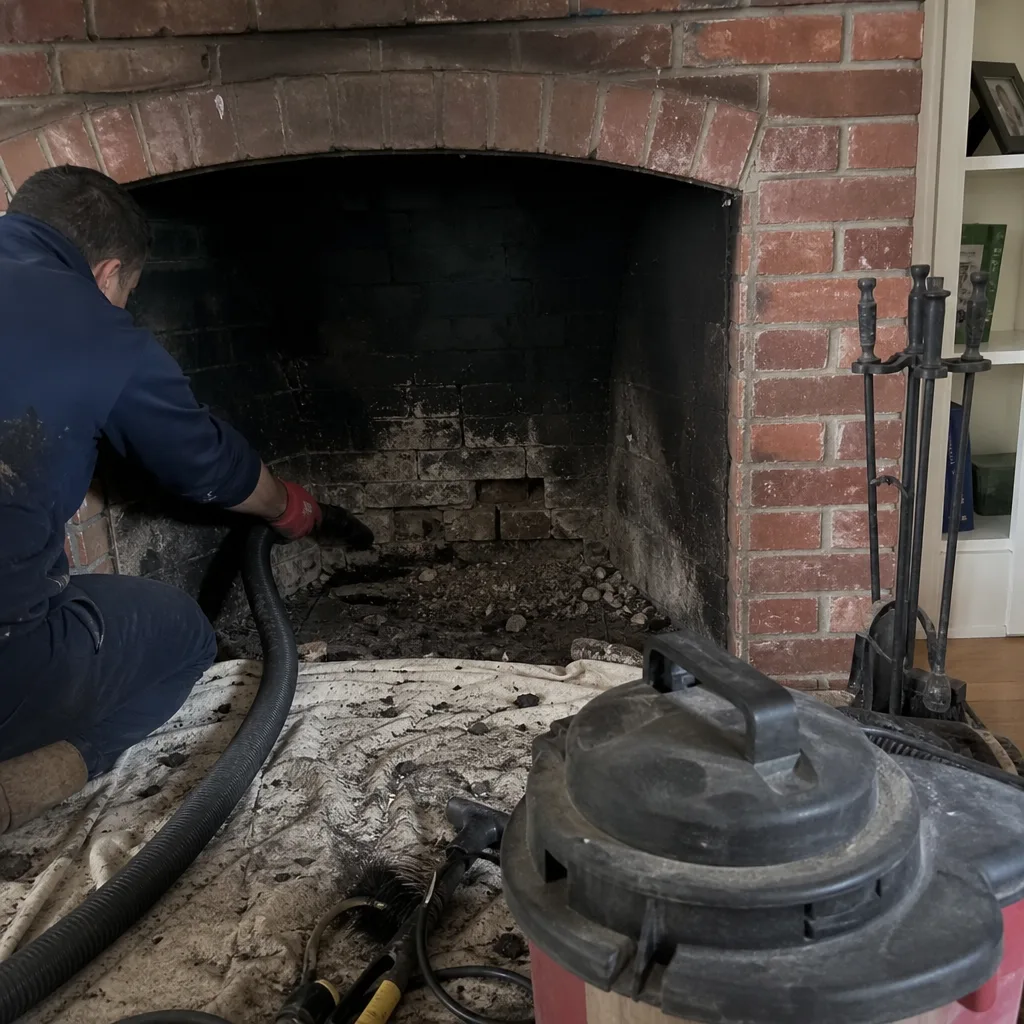 Before
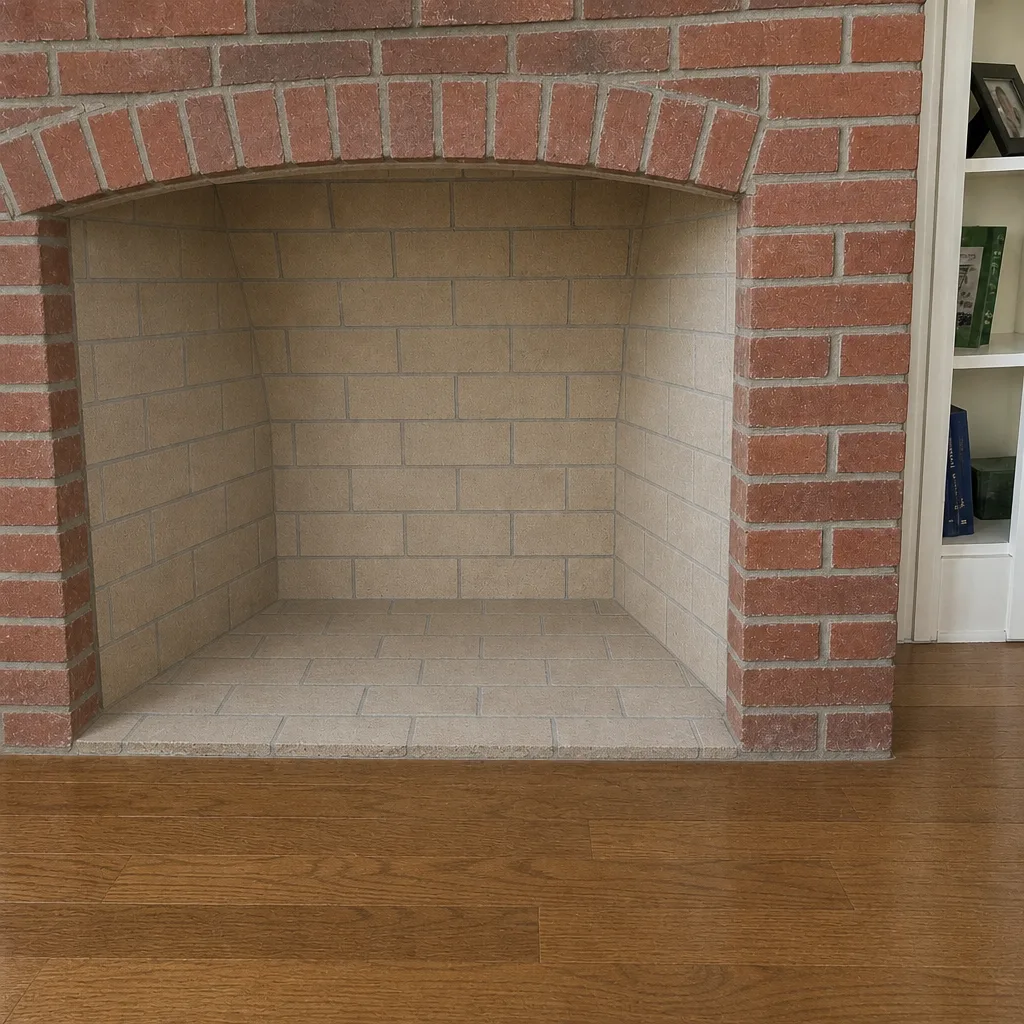 After
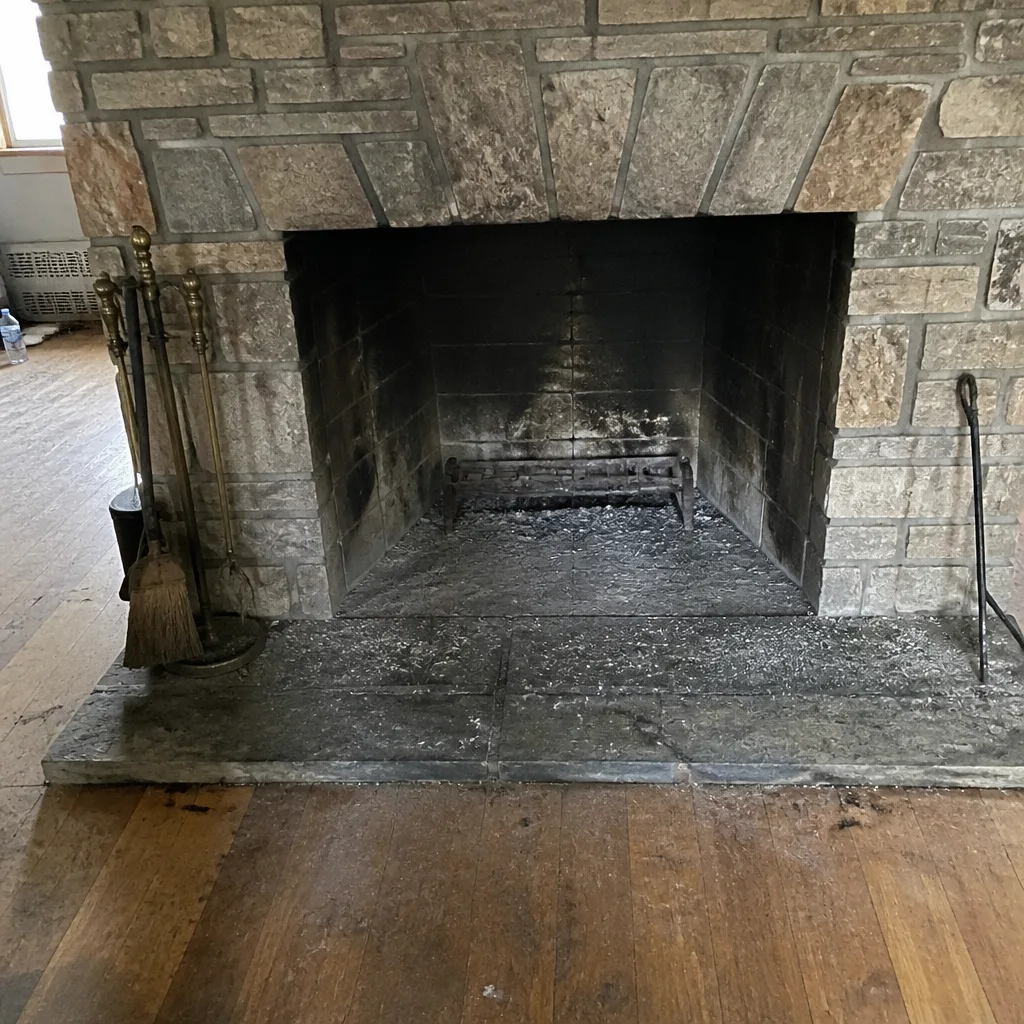 Before
 After
 Before
 After
When to Call a Professional
Call a chimney professional when you notice smoke backing into the room, a strong creosote odor even when the fireplace is cold, visible damage to the crown or cap, water staining on interior walls near the chimney, or a liner that fails a visual inspection. Call before the heating season if the fireplace has been dormant for a season or longer. Call if a previous contractor recommended a repair without showing you the evidence. And call if you can’t get a straight answer to the product question – the chimney is not a place to trust a vague answer.
Chimney Sweep Parkchester offers free estimates in Parkchester – call (855) 550-7313. We answer 24/7. Fast dispatch from 7am to 7pm, Sunday through Friday. We work exclusively on chimneys and fireplaces, and every product we recommend comes with the specific condition it addresses, a labeled container, and a written estimate that sets the final price.
Frequently Asked Questions
A professional sweep should carry both dry chemical treatments for creosote conditioning and a rotary cleaning system for mechanical cleaning of glazed or irregular flues, plus the sealers and liner repair products for post-cleaning work. In our experience, the vehicle should hold labeled containers of each – Anti-Creo-Soot or Creosote Buster for conditioning, SootEater or Gardus RotoClean for rotary work, and HeatShield, Gelco, Olympia Chimney, or Famco for repair and component work. A sweep who carries only a brush is set up for only one kind of cleaning.
It’s worth the charge when the inspection has identified stage-one or stage-two creosote that a conditioner will loosen for a more thorough sweep, and it’s an upsell when the contractor can’t name the product or the stage. The test is simple: ask which product, which creosote stage, and see the labeled container. A legitimate treatment has a named product and a nameable purpose. Call (855) 550-7313 for an exact quote – estimates are free.
Most chimneys should be swept once a year with an inspection, and more often if the fireplace gets heavy use through the heating season or if creosote buildup is running heavier than expected. Parkchester’s older flues vary in diameter and condition, so the inspection is what determines the right interval for your chimney specifically. A sweep without an inspection only cleans the flue; it doesn’t tell you when the next sweep is due. Call (855) 550-7313 to schedule an inspection and get a specific answer for your chimney.
HeatShield is the right choice when the liner is structurally intact but the interior surface has deteriorated joints or rough clay tile that needs resurfacing, and a full stainless reline is the right choice when the liner is cracked, displaced, or unsuited to the appliance it’s serving. The distinction is structural, not cosmetic. Cast-in-place is the right answer when the flue needs to be reshaped or unified. Ask for the camera evidence and have the contractor explain which condition applies to your flue. Call (855) 550-7313 for a free estimate.
They can, but you shouldn’t let them. ChimneySaver, crown coatings, and smoke chamber parging compounds are different products for different conditions, and applying the wrong one to your masonry can cause more damage than it prevents. Ask to see the labeled container and ask why the product matches your masonry type. If the contractor can explain the match in plain terms and show the container, you have your answer.
You’ll end up with conditioned creosote still attached to the flue wall. Dry chemical treatments loosen creosote so a brush can remove it; they don’t remove it themselves. Skipping the physical sweep leaves the conditioned creosote in place, and over time it re-hardens into a denser stage, which makes the next cleaning harder and the flue condition worse. The products work together, not instead of each other.
The Bottom Line
The products matter because they tell you what the contractor is actually equipped to do. A sweep carrying a rotary system can reach flue conditions a brush can’t. A sweep carrying Anti-Creo-Soot and Creosote Buster can condition creosote before the sweep does its job. A sweep carrying ChimneySaver, crown coatings, HeatShield, Gelco, and the DuraFlex and Olympia Chimney reline systems can match the product to the masonry and the liner rather than applying one approach to every chimney in Parkchester. The one-question filter – name it, stage it, show it – works across every category in this guide. Use it. A specialist will pass. A generalist will not.
Chimney Sweep Parkchester offers free estimates for chimney sweeping, inspection, cap and crown work, chimney repair, and fireplace repair. Call (855) 550-7313. We answer 24/7. Fast dispatch from 7am to 7pm, Sunday through Friday. The written estimate sets the final price, and every recommended product comes with the condition it addresses and the container it ships in.
Written by the team at Chimney Sweep Parkchester.