
Last updated November 25, 2026
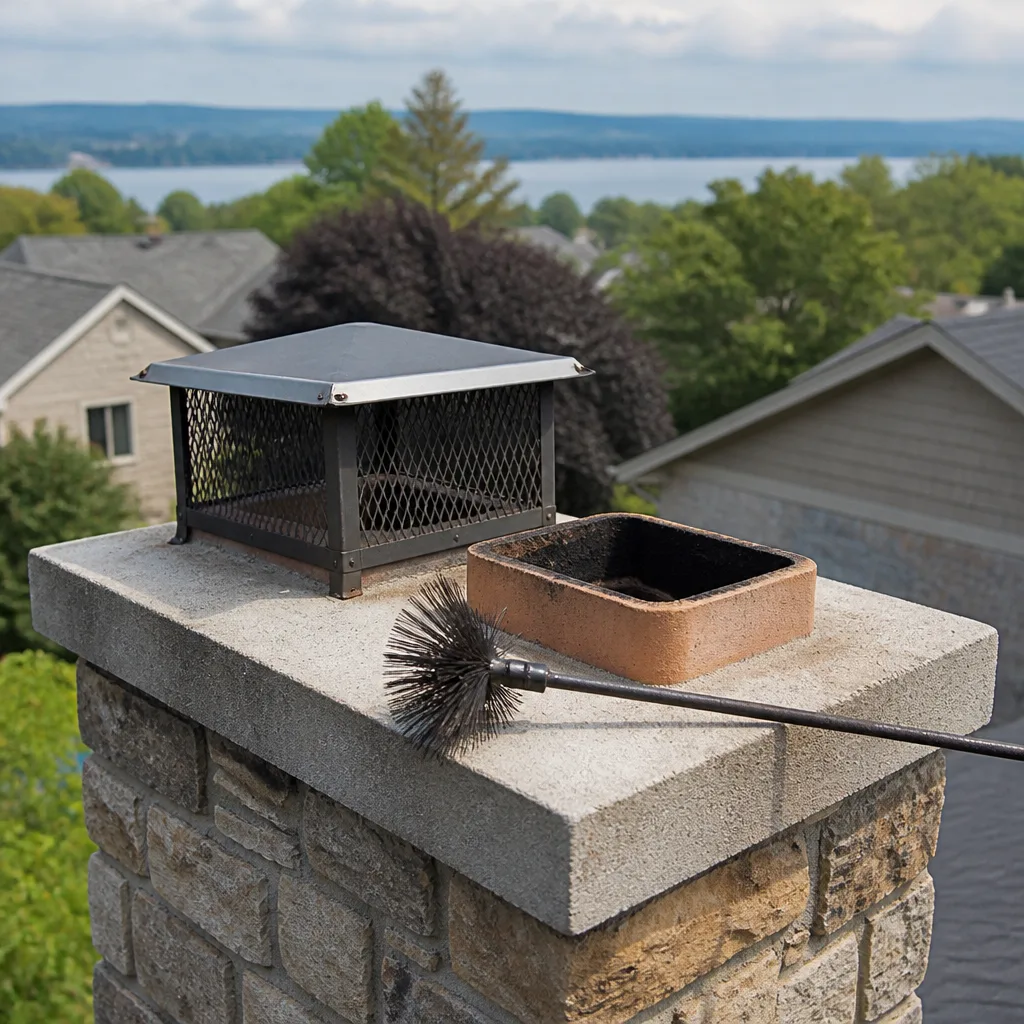 Sweep & inspection
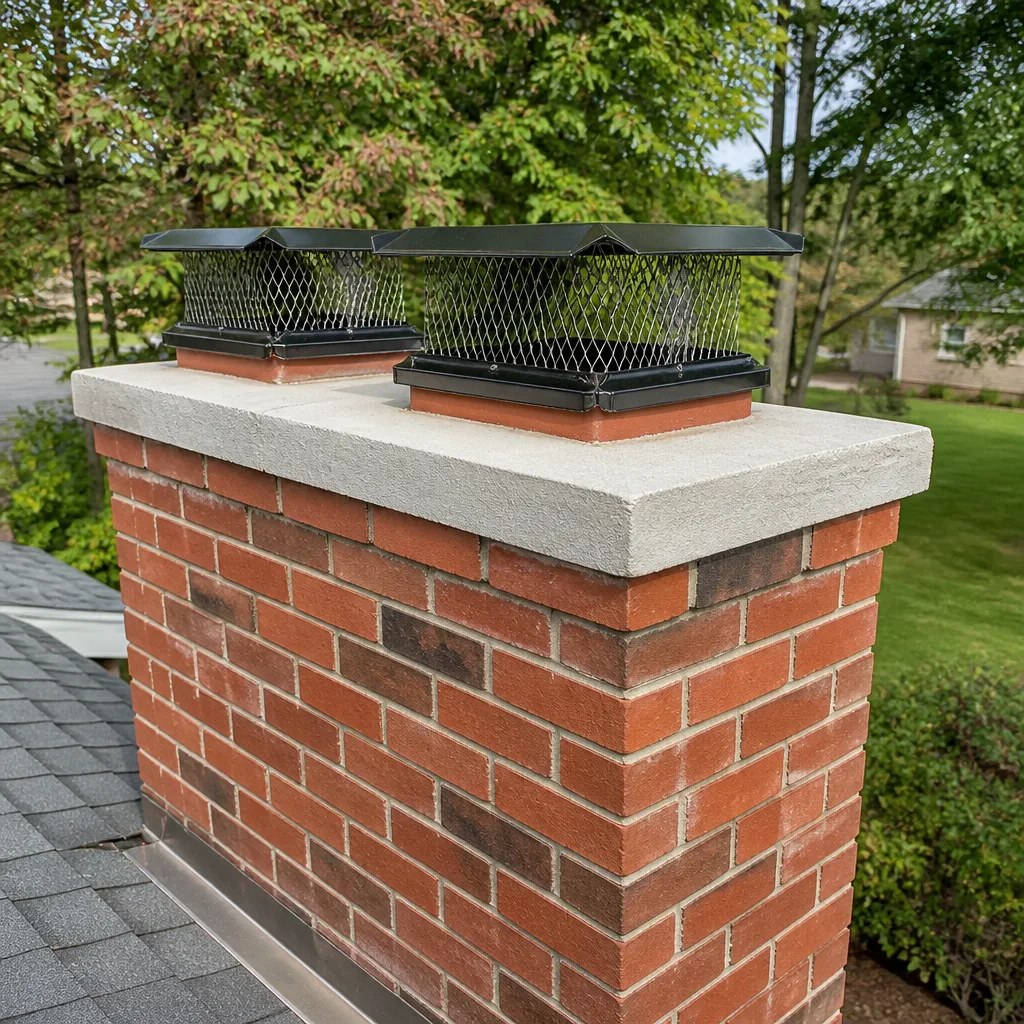 Caps & crowns
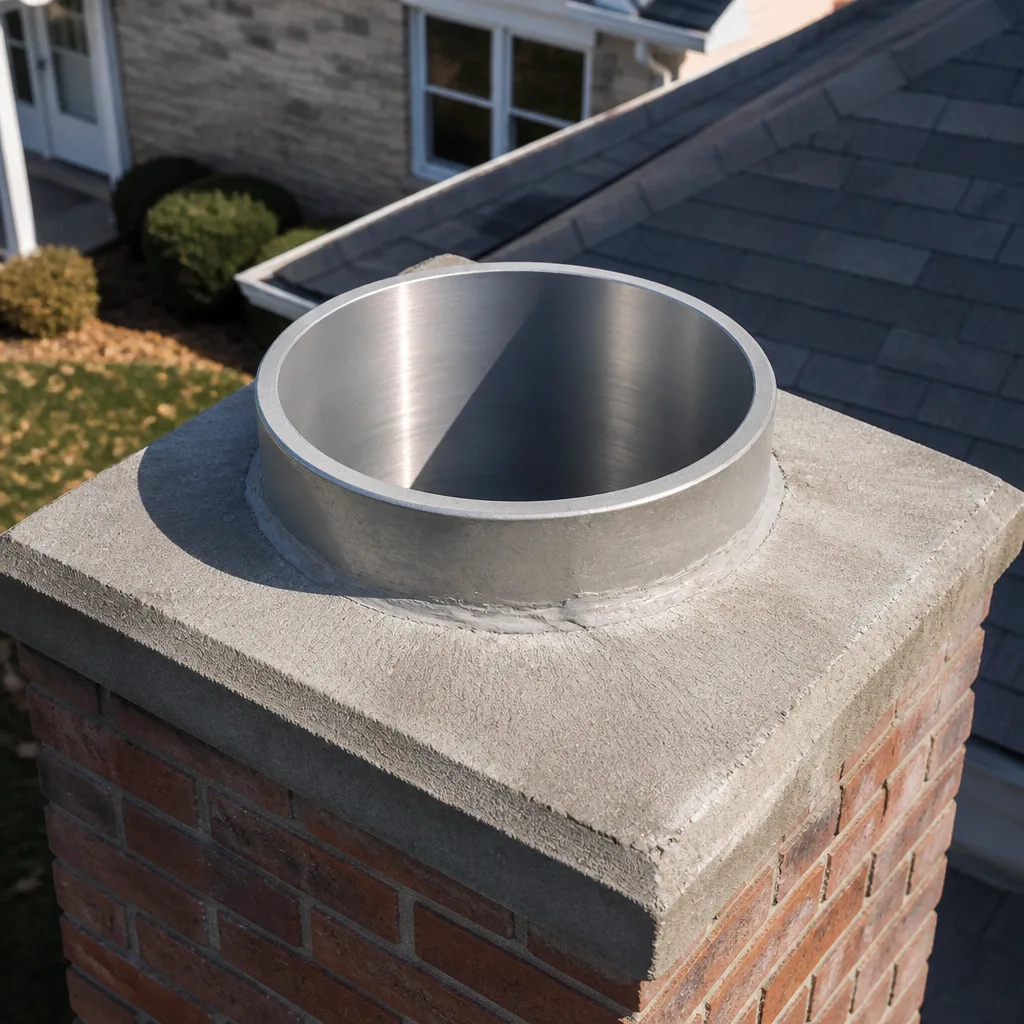 Flue relining
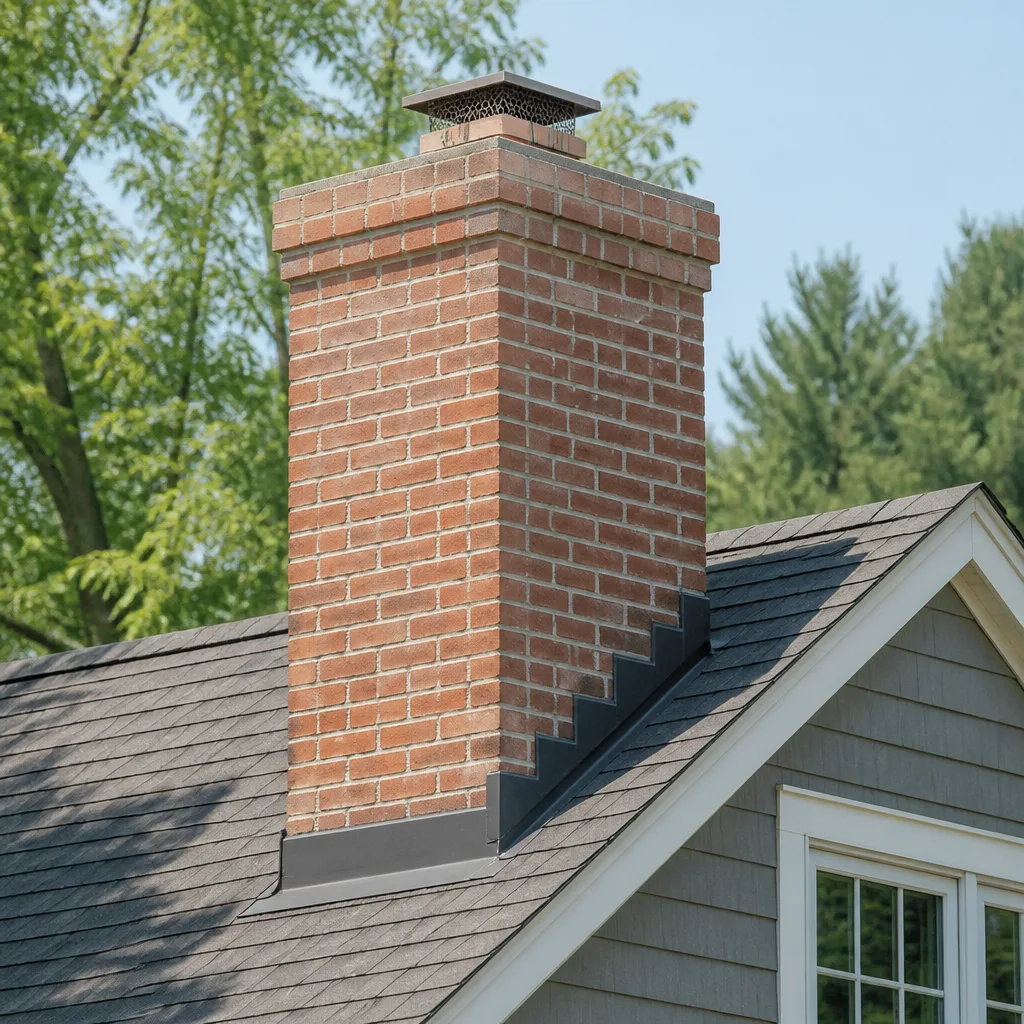 Masonry repair
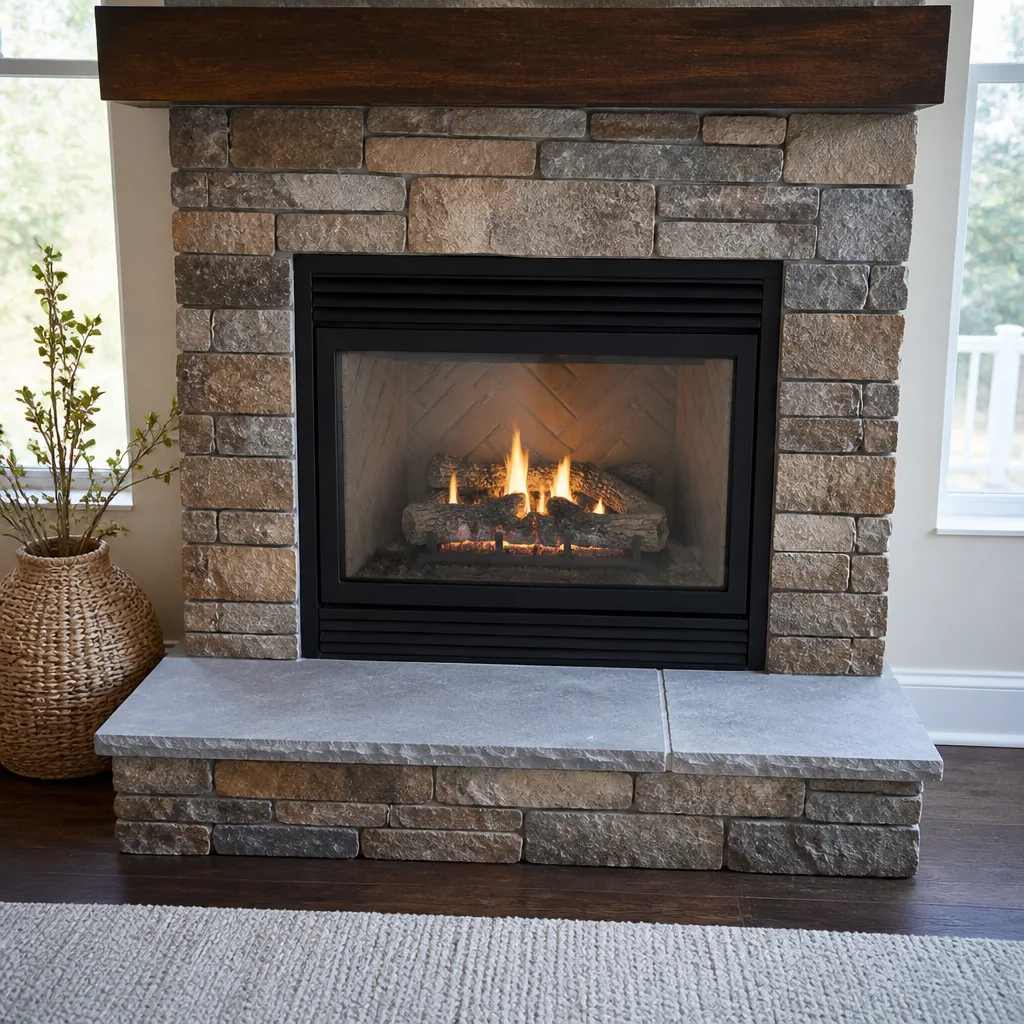 Gas fireplace service
Level 1 sweep and inspection to the NFPA 211 annual standard - flue, crown, cap, and flashing checked and photographed
Chimney sweep logs do not sweep chimneys. They loosen some creosote - which then falls where a brush and vacuum still have to collect it.
How to Hire a Chimney Cleaning Contractor in Parkchester: A Step-by-Step Guide
Most homeowners hire a chimney sweep the way they hire a plumber: get a few quotes, pick the middle one, hope for the best. That approach works for a clogged drain. It doesn’t work for a chimney, because the venting system behind your firebox is the one part of your house where a bad decision can turn a routine cleaning into a safety problem. The certification badge on the truck is a starting point, not an answer. What separates a real chimney specialist from a generalist with a brush is the equipment they bring in the door, the way they document what they find, and whether they can actually fix what they diagnose. This guide walks you through vetting a contractor in Parkchester the way a building inspector would, so you can tell competence from a good sales pitch before anyone climbs on your roof.
Quick Answer
To hire a chimney cleaning contractor in Parkchester, verify three things before you book: current CSIA certification, a certificate of insurance you can see on request, and the specific equipment they arrive with (a HEPA-rated vacuum, a flex-rod system, and an inspection camera sized for your flue). Then insist on a written scope that lists flue dimensions, creosote level, liner material, and any deferred work, not just a price. The right contractor diagnoses and documents; the wrong one cleans and leaves.
Styles & brands we work with
- Sweep & inspection
- Caps & crowns
- Flue relining
- Masonry repair
- Gas fireplace service
Table of Contents
- Why Chimney Work Isn’t General Home Maintenance
- CSIA vs. NFI: What Each Credential Actually Certifies
- The Equipment a Legitimate Contractor Should Arrive With
- What a Written Quote Should Itemize
- Five Questions to Ask on the Phone Before You Book
- Red-Flag Language in Quotes and Ads
- Parkchester-Specific Factors That Affect the Job
- Common Mistakes to Avoid
Why Chimney Work Isn’t General Home Maintenance
A chimney is a pressure vessel with a fire at the bottom. That’s not marketing shorthand; it’s the plainest way to describe what you’re asking someone to work on. The system has to move hot combustion gases up and out while keeping creosote, moisture, and carbon monoxide where they belong. Every component – cap, crown, flue liner, damper, firebox – affects the others. When a generalist contractor treats a chimney as “just another vent,” they miss the connections between those parts.
Here’s the distinction that matters when you’re vetting: a chimney sweep who only sweeps can tell you the flue is dirty, but not whether the liner is failing. A specialist who handles the full system can look at the same flue and tell you the creosote stage, the condition of the joints, whether the crown is shedding water into the masonry, and whether the fireplace itself is drafting correctly. That’s a different scope of knowledge, and it comes from working on chimneys and nothing else.
We work exclusively on chimneys and fireplaces – it’s the only system we service. That focus matters because the failure modes are specific. A cracked crown in Parkchester lets water into the masonry, which freezes and spalls the brick over a winter or two. A liner with deteriorated joints leaks flue gases into the wall cavity. A fireplace with a damaged damper smokes into the room. None of these are visible from the ground, and none of them get caught by a contractor who’s mainly thinking about gutters and siding.
This is also why the material matters. From cap to firebox, every component should come from a supplier who makes chimney parts specifically, which is why we work with professional-grade brands like Olympia Chimney and Gelco rather than generic hardware-store components. The right material for the repair, chosen for the flue, is the difference between a fix that holds and one that gets redone.
CSIA vs. NFI: What Each Credential Actually Certifies
CSIA certification is the minimum bar for a chimney sweep, not a differentiator. The Chimney Safety Institute of America certifies sweeps on the inspection and cleaning side: how to evaluate a flue, recognize creosote stages, understand venting principles, and identify hazards. It’s a knowledge credential. It tells you the person has been tested on chimney science and has committed to a code of ethics.
NFI – the National Fireplace Institute – certifies on the appliance side: wood, gas, and pellet hearth products. Where CSIA is about the venting system, NFI is about the firebox, the insert, the stove, and how they connect to the flue. A contractor holding both credentials is signaling they understand both halves of the system.
The point most homeowners miss: both are certifications of scope of knowledge, not scope of work. A certified sweep has demonstrated they know what to look for. It doesn’t automatically mean they carry the equipment to document it or the parts to fix it. That’s the follow-up question you have to ask.
When a contractor tells you they’re “certified,” ask specifically:
- Which certification, and is it current? CSIA and NFI both require renewal; a lapsed credential isn’t the same as an active one.
- What does that certification cover in your case? CSIA for the sweep and inspection, NFI if you’re having fireplace work done.
- What happens after the inspection? This is where many certified sweeps stop. Can they resurface a deteriorating liner, install a cap, or repair the crown, or do they hand you a report and a referral?
In our experience, the certification is the entry ticket. The real competence shows in what the contractor can do once they’ve found a problem. A sweep without an inspection only tells you half the story, and an inspection without the ability to repair leaves you starting the search over.
The Equipment a Legitimate Contractor Should Arrive With
A sweep without a commercial-grade vacuum and an inspection camera is guessing, not inspecting. That’s the single most useful test you can apply when a contractor arrives. The equipment tells you what kind of operation you’re dealing with before any work begins. Here’s what a legitimate chimney contractor in Parkchester should be carrying in.
- A HEPA-rated vacuum. Standard shop vacs push fine ash and soot back into the room. A HEPA-rated unit captures it. If the contractor shows up with a wet/dry vac from a big-box store, they’re not set up to keep your living room clean, and they’re likely not set up for the job at all.
- A flex-rod system. Chimney flues have offsets and bends; a rigid rod can’t navigate them without damaging the liner. A proper flex-rod system lets the brush follow the flue’s actual path. This matters more in older masonry chimneys, which Parkchester has plenty of.
- An inspection camera rated for the flue diameter. This is the equipment that separates an inspection from a glance up the flue with a flashlight. The camera should be sized to fit the flue and capable of recording so you can see what the technician sees. Ask to see the footage.
- Chemical treatments on the truck. Creosote comes in stages, and the later stages need chemical treatment before they can be safely brushed. A contractor who only carries a brush will either skip the treatment or schedule a second visit. A contractor prepared for the job has the treatment on hand.
- Replacement components sized for your flue. If the inspection turns up a missing cap or a damaged crown, the contractor should be able to quote the fix on the spot with the right part in mind. We stock and install Gelco and Famco ventilation components for exactly this reason – covering both masonry and metal cap solutions across a range of flue sizes and configurations.
You don’t need to inspect the contractor’s van. You need to ask one question on the phone: “What equipment do you bring for the inspection?” The answer tells you whether they’re diagnosing or just cleaning. If they can’t name a camera, a HEPA vacuum, and a flex-rod system, they’re not set up for the job you’re hiring them for.
What a Written Quote Should Itemize
A written quote for chimney work should tell you more than a price. It should document what was inspected, what was found, and what – if anything – needs to happen next. If the quote is a single line item and a dollar figure, that’s not a quote; it’s an estimate with no basis.
Here’s what to look for in a proper written scope:
- Flue dimensions inspected. The flue size, length, and configuration determine what equipment and materials apply. A quote that doesn’t mention dimensions isn’t tied to your chimney.
- Creosote level assessed. Creosote is graded by stage, and the stage determines whether a standard sweep is enough or whether chemical treatment is needed first. The quote should state the level found.
- Liner material and condition noted. Clay tile, stainless steel, or another liner type – each has different failure modes and different repair options. The quote should say what’s there and what condition it’s in.
- Deferred work documented. Not every finding is urgent. A good quote separates “fix now” from “monitor and revisit,” so you’re not pressured into work that can safely wait.
- Materials named. If a cap or crown is being replaced, the quote should name the product. We work with professional-grade brands – DuraFlex for flexible liner systems, HeatShield for ceramic flue resurfacing, Gelco and Famco for ventilation components, Olympia Chimney and Copperfield for caps and related parts – because the material choice is part of the job, not an afterthought.
One more thing to look for: whether the quote includes an inspection report with photos or video. A sweep who can’t show you what they found is asking you to take their word for it. You shouldn’t have to. Nothing should be recommended without camera evidence you can see for yourself, and the written estimate – not a phone conversation – sets the final price.
Five Questions to Ask on the Phone Before You Book
The phone call is where you separate the specialists from the generalists. Five questions, asked before you book, will tell you almost everything you need to know about technical competence. Here’s what to ask and what each answer reveals.
- “Are you CSIA certified, and is it current?” A yes with a renewal date is a good sign. A vague “we’re fully licensed and insured” without naming the credential is a dodge. CSIA is the standard; a contractor who works on chimneys should be able to name it without hesitation.
- “What equipment do you bring for the inspection?” The answer should include a HEPA-rated vacuum, a flex-rod system, and an inspection camera. If the answer is “a brush and a vacuum,” they’re set up to clean, not to inspect. That’s a different service.
- “What’s included in the written quote?” The right answer mentions flue dimensions, creosote level, liner condition, and any deferred work – not just a price. This tells you whether they document their findings or just hand you a number.
- “Can you handle the repair if you find a problem, or do you refer it out?” A specialist who covers sweeping, inspection, caps and crowns, chimney repair, and fireplace repair can do the whole job. A sweep who only sweeps will refer you elsewhere, which means a second contractor, a second schedule, and a second opinion that may not agree with the first.
- “Can you send me your certificate of insurance before the visit?” A contractor with proper coverage will send it without friction. A contractor who hesitates, deflects, or says “we’ll bring it” is telling you something. Ask for it in writing before anyone gets on your roof.
What each answer reveals is whether the contractor is a chimney specialist or a generalist with a brush. The first will answer these questions clearly because they hear them often. The second will give you the sales version of each answer, which is usually longer and says less.
Red-Flag Language in Quotes and Ads
Certain phrases in chimney advertising should make you slow down. They’re not always dishonest, but they’re consistently used by contractors who are positioning on price and speed rather than on the work itself. Here are the ones to watch for, and what they usually signal.
- “Full service” with no scope definition. Full service can mean anything from “we sweep and inspect” to “we do everything including masonry.” If the ad doesn’t say what’s included, ask. A real specialist will name the five core services – sweeping, caps and crowns, chimney repair, fireplace repair, and inspection – and be clear about what falls outside their scope.
- Day-of upsell pressure. If the technician finds a problem during the sweep and pushes you to authorize expensive work on the spot, that’s a red flag. Findings should be documented with camera evidence and put in a written quote. You should have time to review it.
- No insurance certificate on request. A legitimate contractor carries general liability and workers’ comp and will provide proof when asked. A contractor who can’t or won’t is a liability risk you don’t want on your roof.
- Prices quoted over the phone before inspection. Chimney work is priced per job based on what’s actually there. A firm price quoted before anyone has seen the flue is either a guess or a lowball. Estimates should follow an inspection, and the written estimate sets the final price.
- “We’ll match any competitor’s price.” Price-matching on chimney work usually means cutting corners on materials or skipping the inspection. The material choice – DuraFlex, HeatShield, Gelco, Olympia Chimney – is part of what you’re paying for.
The through-line: a contractor who leads with price and speed is telling you where their attention goes. A contractor who leads with what they’ll inspect and document is telling you the same thing. Choose accordingly.
Parkchester-Specific Factors That Affect the Job
Parkchester’s housing stock shapes what a chimney contractor will find when they open up a flue. Much of the neighborhood’s residential building dates to the mid-twentieth century, which means a lot of masonry chimneys with clay tile liners that have been in service for decades. Those liners are prone to joint deterioration, and the freeze-thaw cycles of a New York winter accelerate the damage. Water gets into a hairline crack, freezes, expands, and opens the crack wider. Repeat that over several winters and a liner that was fine becomes a liner that needs resurfacing or relining.
That’s why HeatShield ceramic resurfacing matters in Parkchester specifically. It’s a liner-restoration method that extends flue life without full relining, and it’s a cost-saving option most sweep companies don’t offer because they don’t carry the capability. We use it when the liner joints are deteriorating but the liner itself is still structurally sound. When the liner is too far gone, a DuraFlex flexible liner system is the alternative. Knowing which applies is a diagnosis, not a sales decision.
The other local factor is fireplace usage. Wood-burning fireplaces in Parkchester see concentrated use in the colder months, which builds creosote faster than occasional use would. Creosote accumulation is the leading cause of chimney fires, and it’s why annual sweeping matters more in a climate with a real heating season than in a mild one. If your fireplace has been idle for a few seasons, the creosote has had time to harden into a stage that needs chemical treatment before brushing, not just a standard sweep.
Cap and crown condition is the third factor. A cracked crown lets water into the masonry, and a missing or damaged cap lets rain and animals into the flue. Both are common findings in older Parkchester homes, and both are fixes a specialist can handle on the same visit as the sweep. That’s the advantage of hiring a contractor who covers chimney cap & crown work alongside the cleaning – you’re not scheduling a second contractor for a problem the first one found.
Common Mistakes to Avoid
- Hiring on price alone. The cheapest sweep is usually the one who cleans and leaves without documenting anything. You save a little on the sweep and pay for it later when a problem goes undiagnosed through another winter.
- Accepting “certified” without asking which certification. CSIA and NFI certify different scopes. Ask which one applies to the work you’re having done, and confirm it’s current.
- Skipping the inspection because you only booked a sweep. A sweep without an inspection only tells you half the story. The inspection is where problems get caught before they become repairs.
- Letting a contractor upsell on the day without documentation. Findings should come with camera evidence and a written quote. If you’re being pressured to approve work on the spot, ask to see the footage and take the quote away to review.
- Not asking for the insurance certificate. Roof work and flue work carry real risk. A contractor without verifiable coverage is a liability you don’t want to inherit.
- Assuming a generalist can handle it. A handyman who “does chimneys too” is splitting attention across unrelated trades. Chimney work has specific failure modes, specific equipment, and specific materials. Hire the specialist.
- Ignoring the fireplace itself. The firebox and the flue are one system. A contractor who services the chimney but not the fireplace is treating half the problem. We cover both sides of the system – which is why our chimney repair work includes fireplace restoration alongside the venting components.
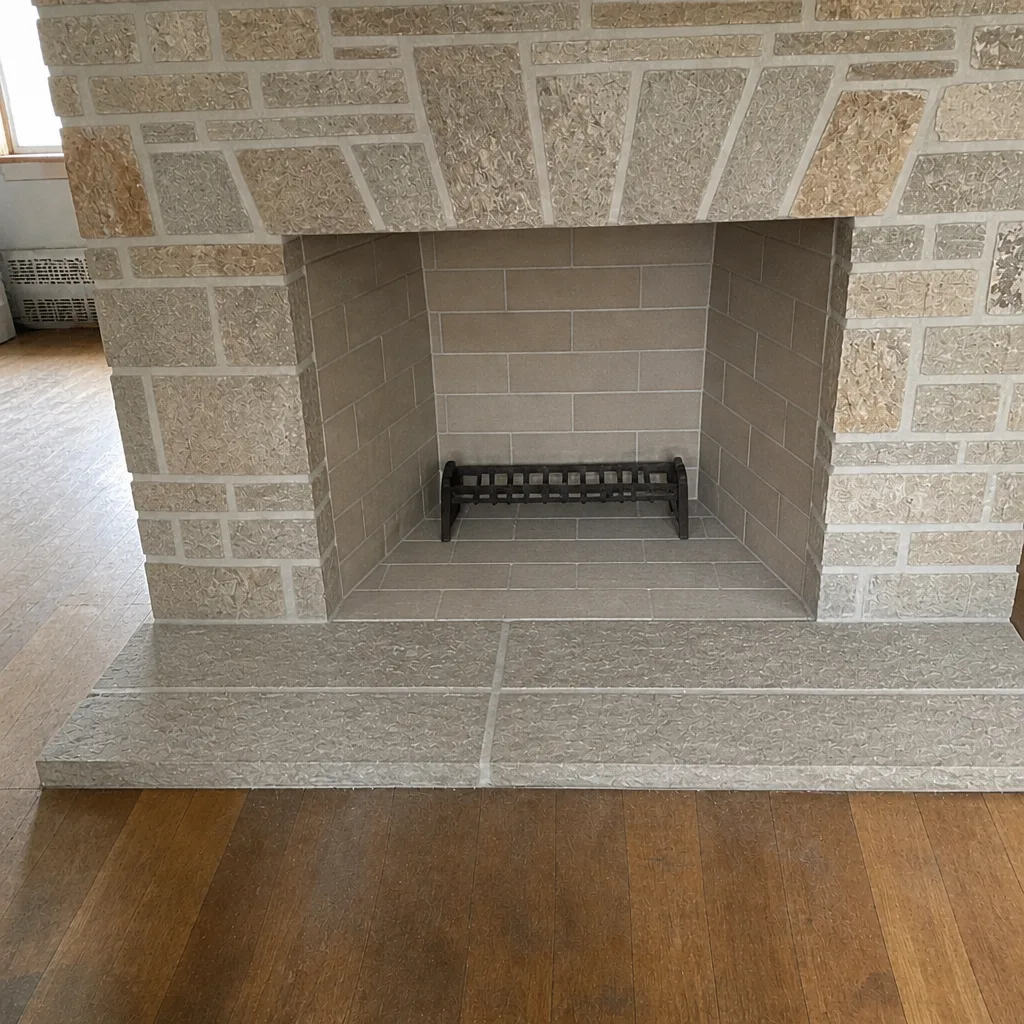
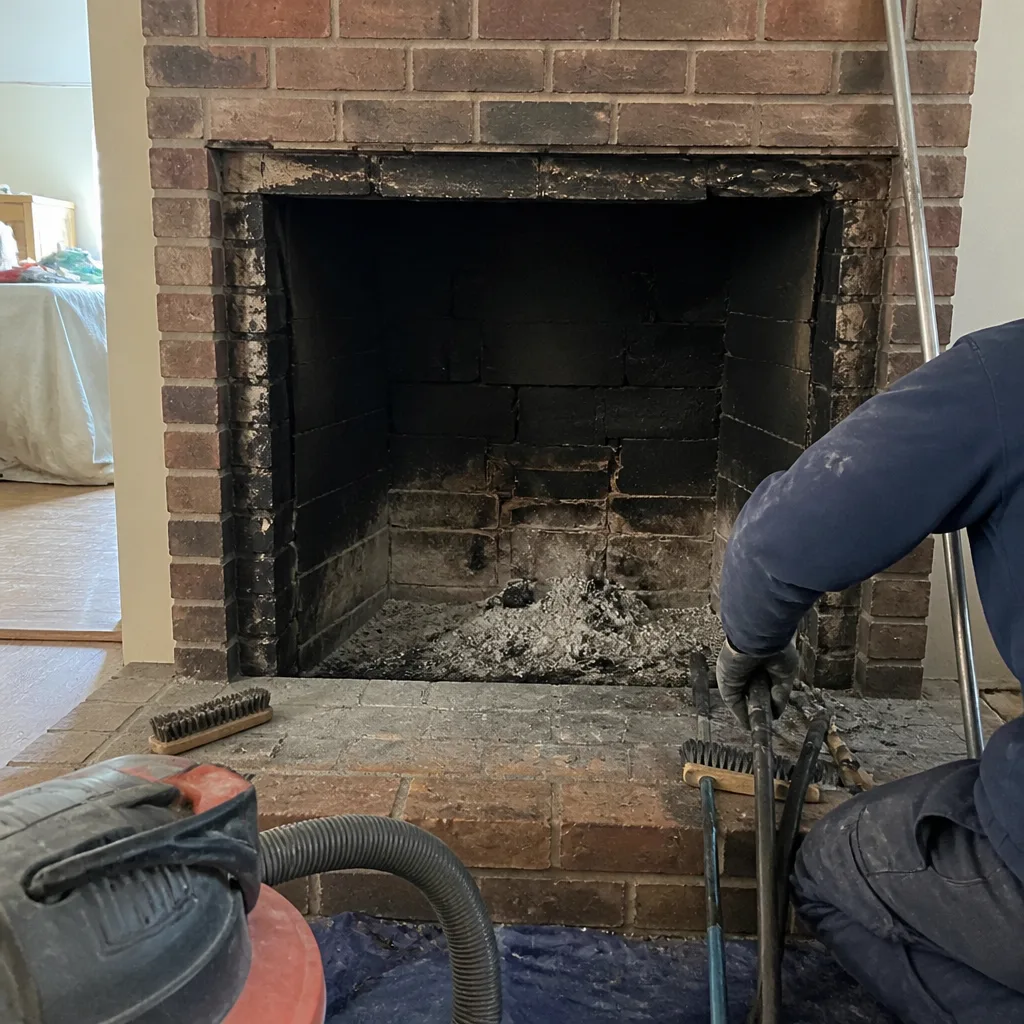
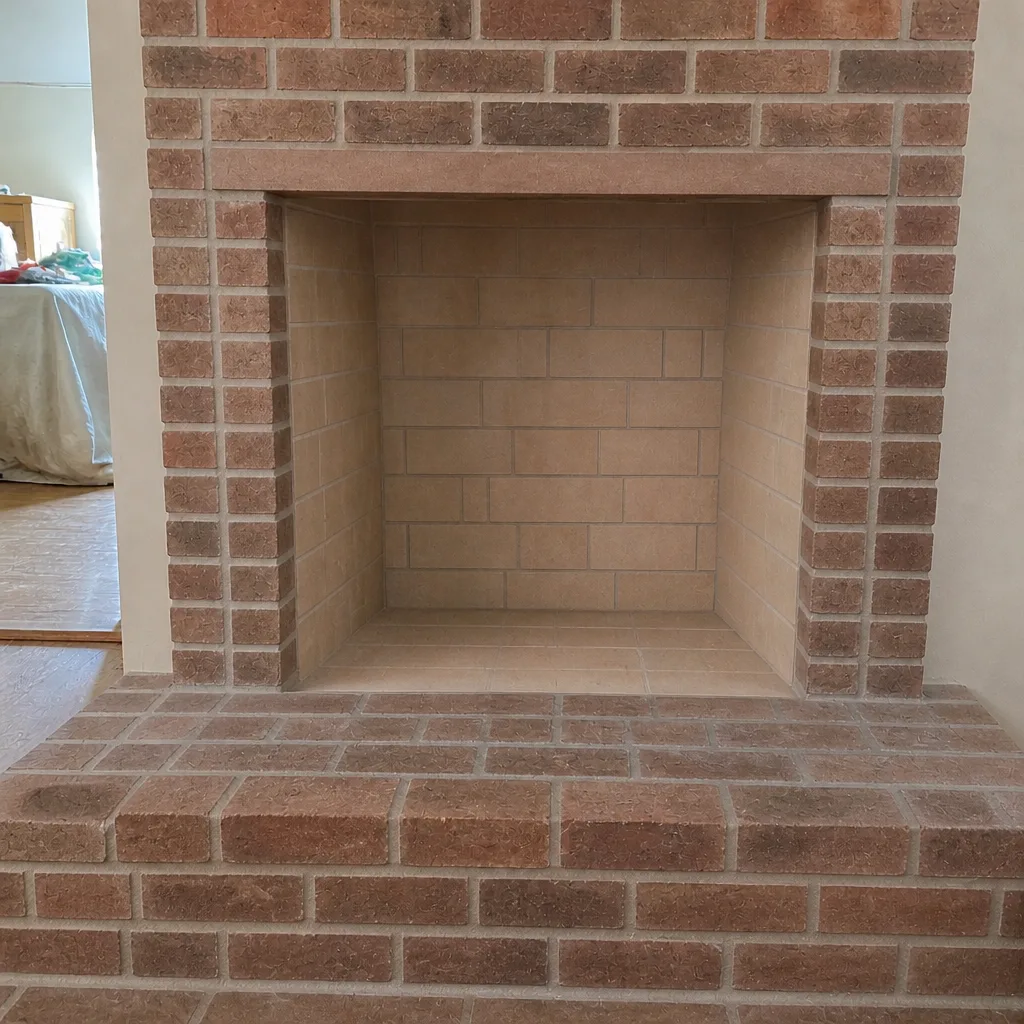
See the difference
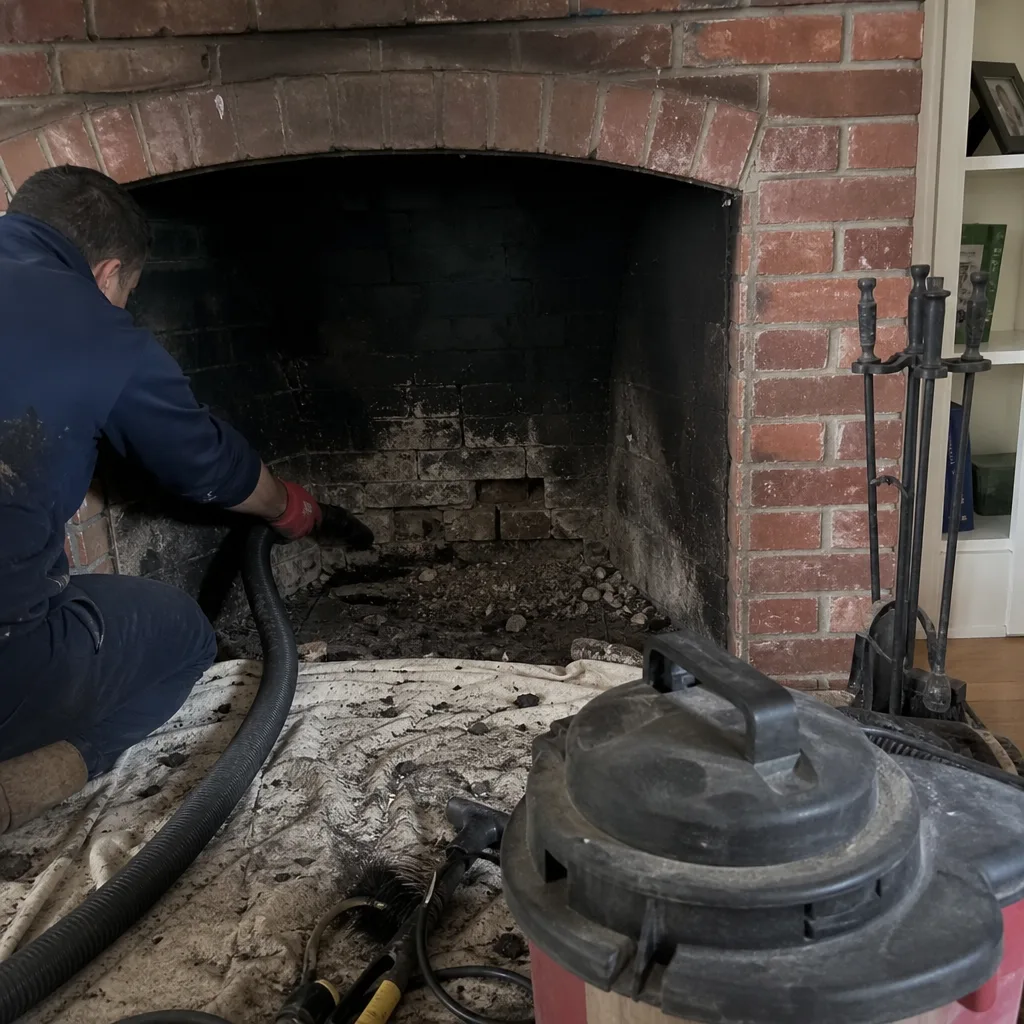 Before
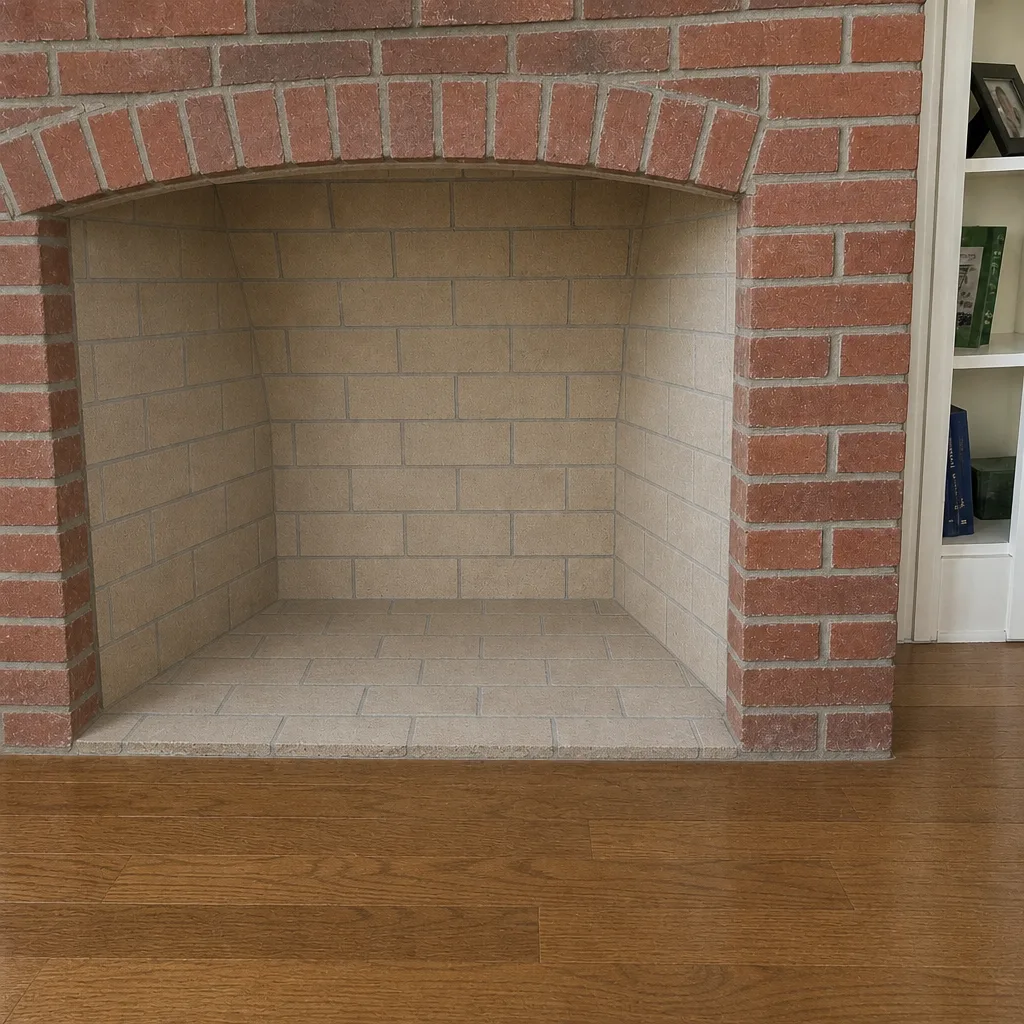 After
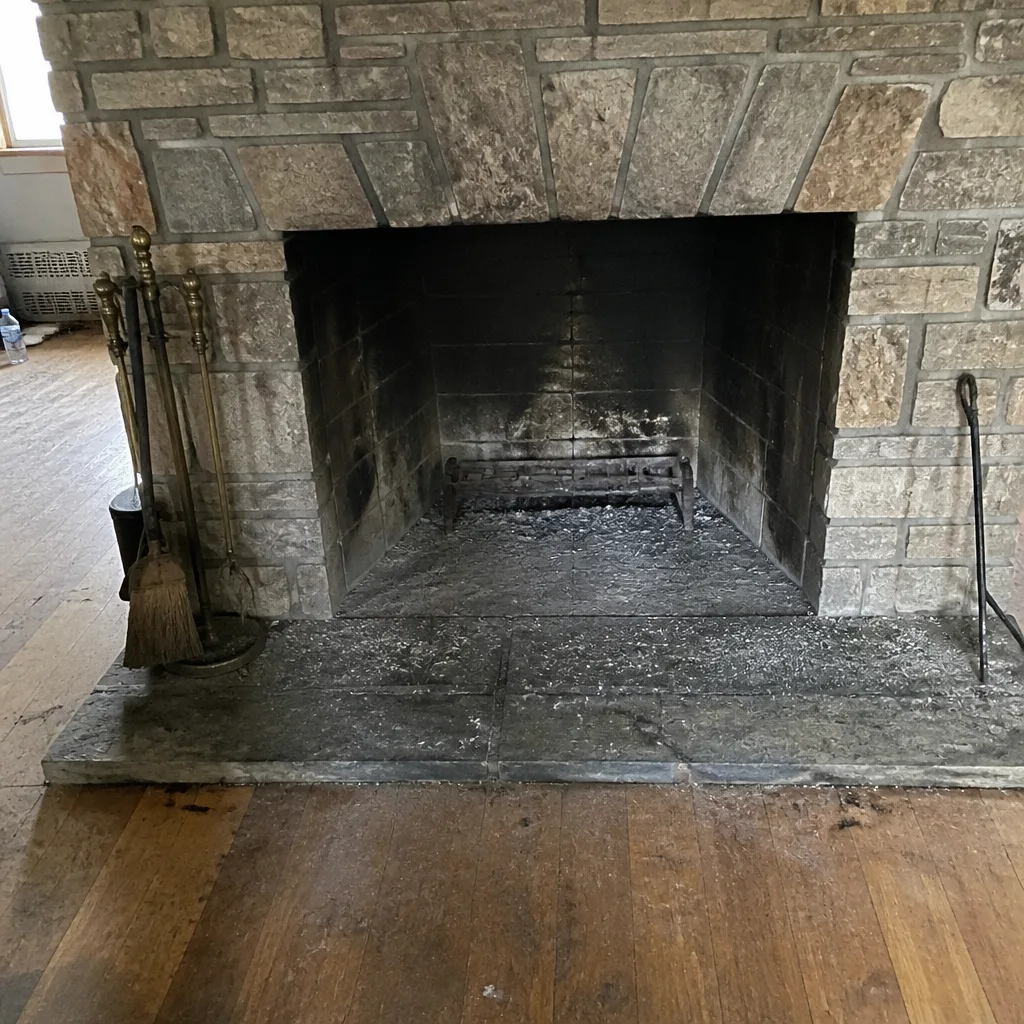 Before
 After
 Before
 After
When to Call a Professional
Some chimney problems announce themselves; others stay invisible until they’re expensive. Call a professional when you smell smoke in the room with the damper open, when you see creosote buildup or soot staining around the firebox, when the fire doesn’t draft well, or when you notice water stains on the ceiling near the chimney. Call when the crown is visibly cracked or the cap is missing or damaged. Call if the fireplace hasn’t been swept in a year or more of active use, and call before the heating season if it’s been idle for several seasons. And call if you’ve never had the flue inspected since you moved in – you don’t know what’s in there, and an inspection with camera evidence is the only way to find out.
Chimney Sweep Parkchester offers free estimates in Parkchester – call (855) 550-7313. We answer 24/7. Fast dispatch from 7am to 7pm, Sunday through Friday. Our technicians have up to 8 years of experience, and every job starts with a flat-price sweep and an inspection agreed before booking, with camera evidence and a photo report included.
Frequently Asked Questions
Chimney sweeping in Parkchester is priced per job based on flue size, creosote level, and accessibility, with the written estimate setting the final price. A standard sweep typically runs lower than a sweep with chemical treatment for heavier creosote, and any cap, crown, or liner work is quoted separately after inspection. Call (855) 550-7313 for a free estimate – we agree the flat price before booking.
A chimney should be swept at least once a year during active use, and more often if you burn frequently or notice creosote buildup. In Parkchester’s heating season, a fireplace in regular use can build creosote faster than occasional use would, which is why annual inspection matters. If it’s been more than a year, call (855) 550-7313 to book a sweep and inspection.
Not always – and that’s the point of an inspection. A liner with deteriorating joints but sound structure can often be restored with HeatShield ceramic resurfacing rather than fully replaced, which is a cost-saving option most sweep companies don’t offer. A liner that’s cracked through or too far gone needs a DuraFlex flexible liner system. Nothing is recommended without camera evidence you can see for yourself. Call (855) 550-7313 for an inspection.
Creosote accumulates, and creosote is the leading cause of chimney fires. A flue that hasn’t been cleaned in a year or more can build a layer thick enough to ignite, and a fire inside the flue can spread to the structure. Skipping the sweep also means skipping the inspection, which is how liner cracks and crown damage go undetected. Call (855) 550-7313 to get it checked.
A legitimate chimney contractor should arrive with a HEPA-rated vacuum, a flex-rod system, an inspection camera sized for your flue, and chemical treatments for creosote. A sweep without a commercial-grade vacuum and an inspection camera is guessing, not inspecting. Ask what they bring before you book – the answer tells you whether they’re set up for the job.
No – chimney work has specific failure modes, equipment, and materials that a generalist doesn’t carry. A handyman who splits attention across unrelated trades won’t have the inspection camera, the flex-rod system, or the professional-grade liner components the job requires. Hire a specialist who works on chimneys and fireplaces exclusively. Call (855) 550-7313 to book a specialist in Parkchester.
The Bottom Line
Hiring a chimney contractor in Parkchester comes down to verification, not reputation. Confirm the CSIA or NFI credential applies to the work you’re having done. Ask what equipment they bring and listen for the HEPA vacuum, the flex-rod system, and the inspection camera. Insist on a written scope that lists flue dimensions, creosote level, liner condition, and deferred work, not just a price. Ask for the insurance certificate before anyone gets on the roof, and walk away from day-of upsell pressure with no camera evidence behind it. Do those things and you’ll end up with a specialist who diagnoses and documents – not a generalist who cleans and leaves. Call (855) 550-7313 for a free estimate. We answer 24/7. Fast dispatch from 7am to 7pm, Sunday through Friday.
Learn more about our Chimney Sweep Parkchester services, or book a chimney sweep to get started.
Written by the team at Chimney Sweep Parkchester.