
Last updated November 25, 2026
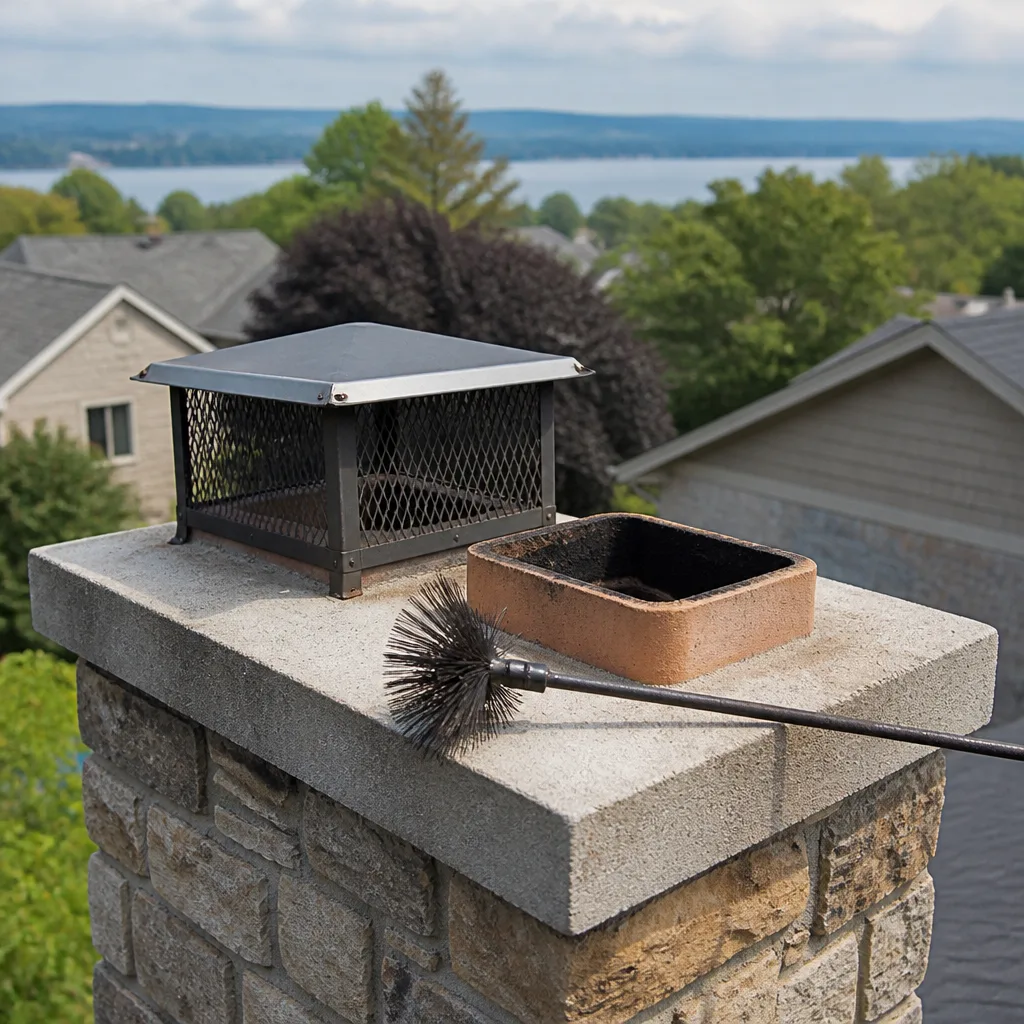 Sweep & inspection
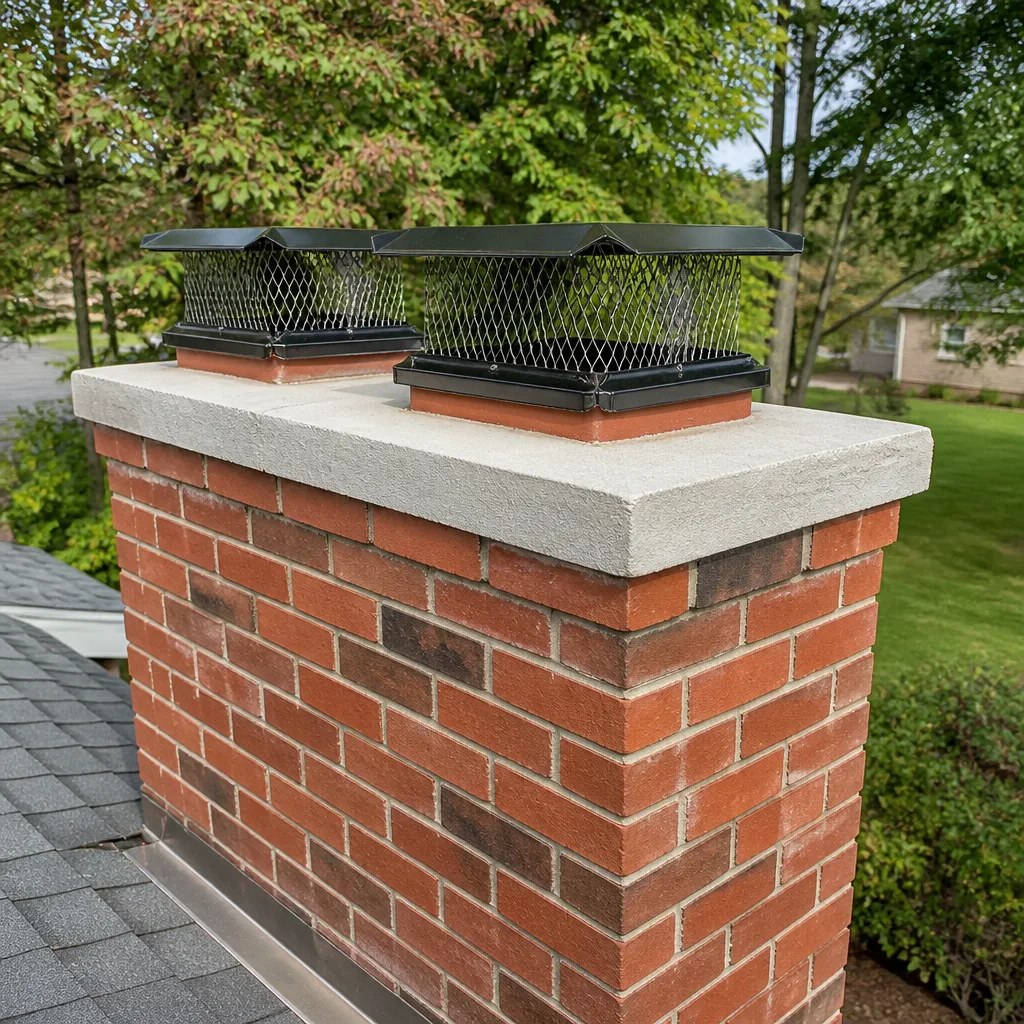 Caps & crowns
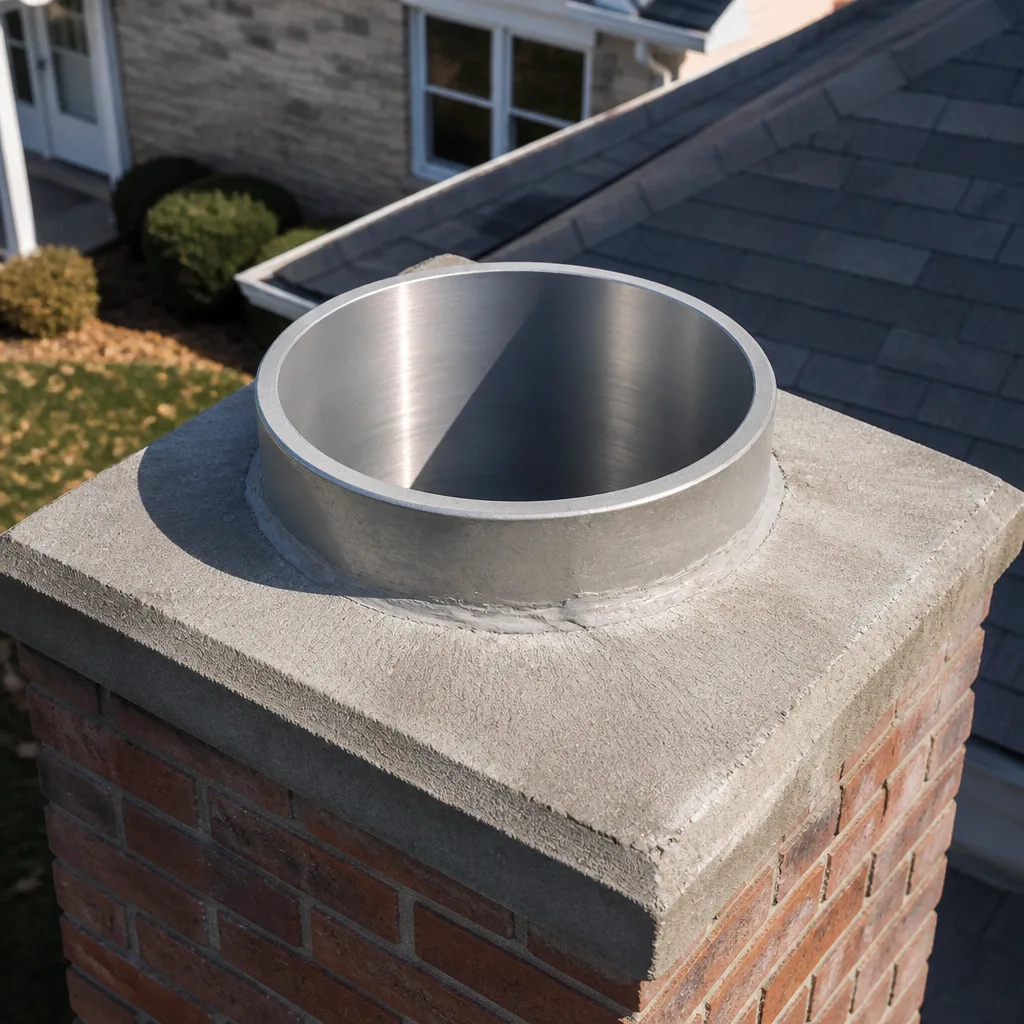 Flue relining
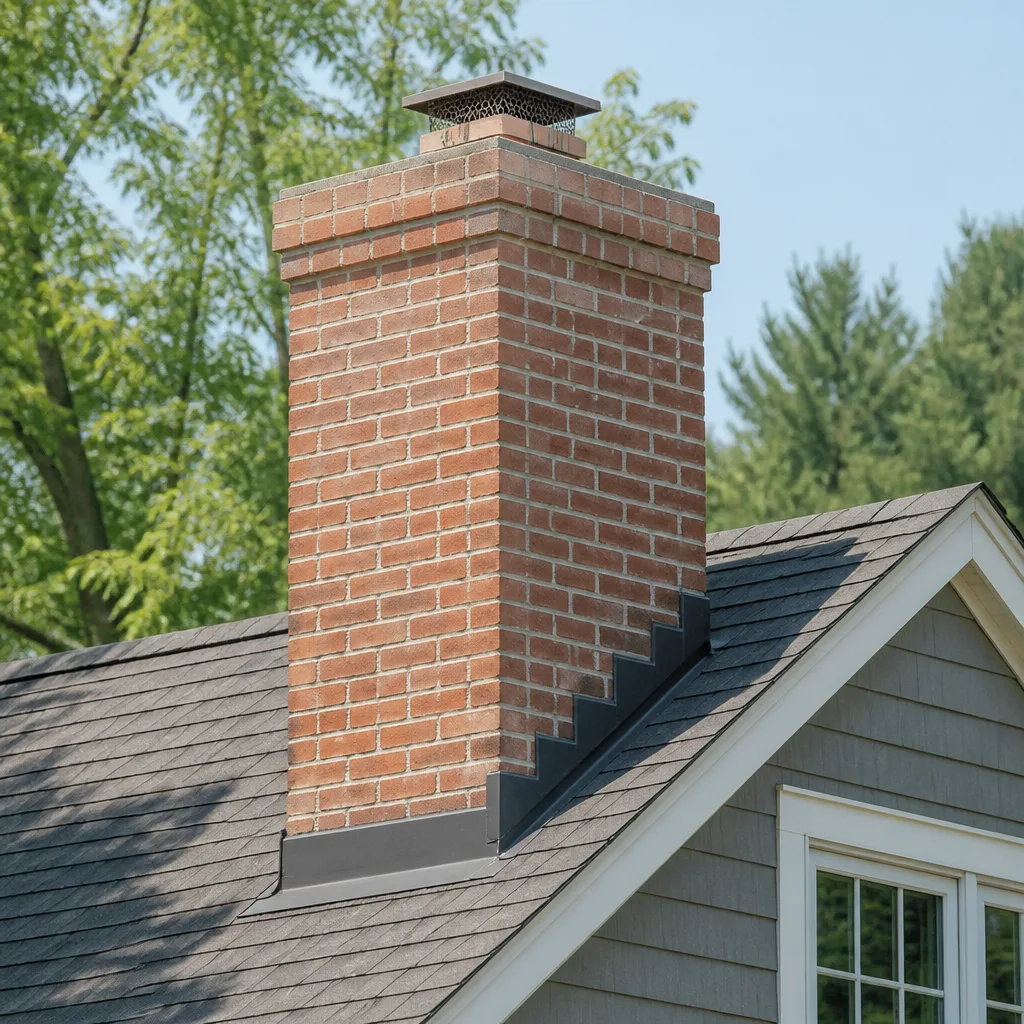 Masonry repair
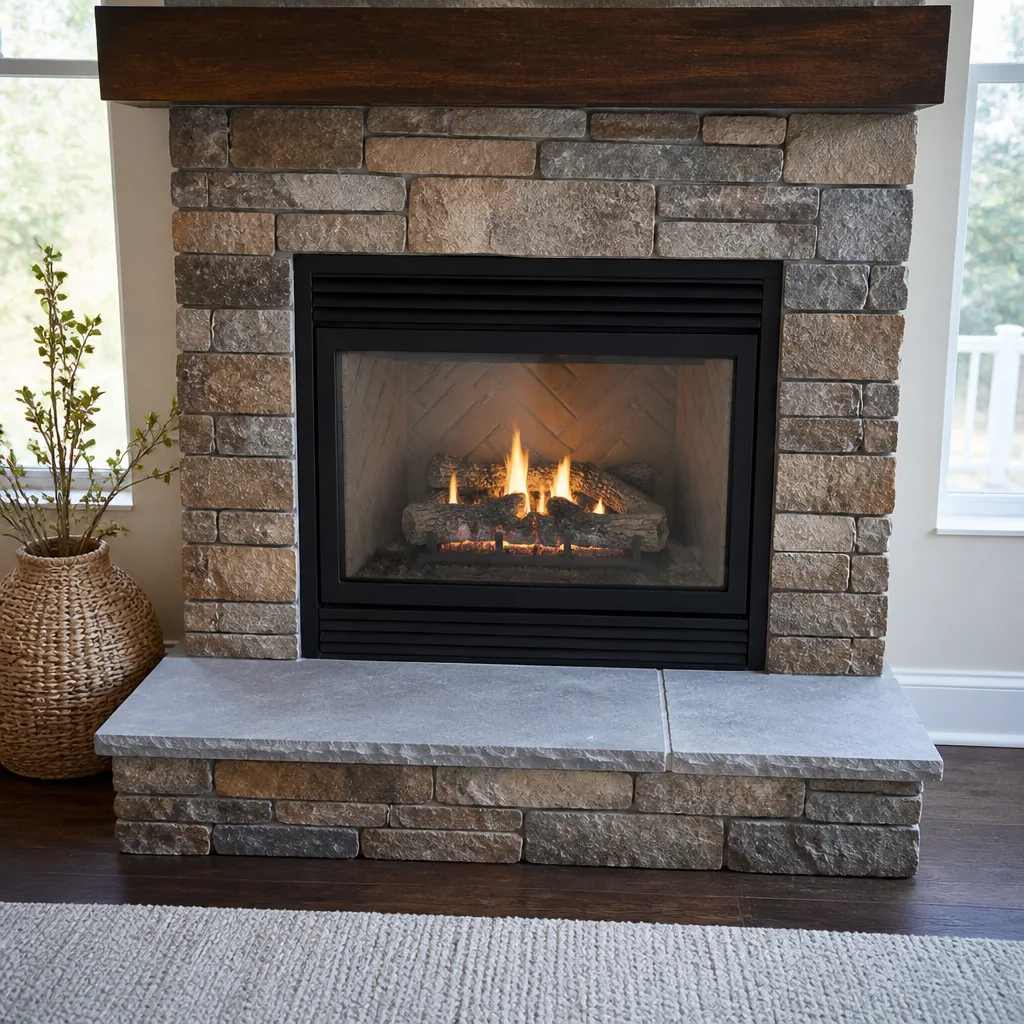 Gas fireplace service
Level 1 sweep and inspection to the NFPA 211 annual standard - flue, crown, cap, and flashing checked and photographed
Chimney sweep logs do not sweep chimneys. They loosen some creosote - which then falls where a brush and vacuum still have to collect it.
DIY vs Professional Chimney Cleaning: The Parkchester Homeowner’s Decision Guide
A homeowner with a chimney brush, extension rods, and a drop cloth can remove Stage 1 creosote from their firebox. What that same homeowner cannot do is assess tile liner offset, measure flue draw velocity, or recognize Stage 2 glazing, which means the chimney can come out looking clean and still be unsafe. That gap between “clean” and “safe” is where the entire DIY-versus-professional question actually lives, and it’s the one most guides skip past. This guide treats the decision as a task-by-task assessment for Parkchester homeowners, not an all-or-nothing choice, so you can see which jobs belong in your hands and which belong to someone with the right equipment and credentialed judgment.
Quick Answer
Most Parkchester homeowners can safely handle light surface sweeping of the firebox and smoke shelf, but genuine chimney cleaning, meaning full-flue creosote removal from cap to smoke chamber plus a documented inspection, requires professional equipment and training. The decision line sits at inspection, not cleaning: if you can’t view and evaluate the full flue interior, you can’t know whether your chimney is safe, no matter how thoroughly you brushed it. For pre-war terra cotta flues common in this neighborhood, that distinction matters more than in newer housing stock.
Styles & brands we work with
- Sweep & inspection
- Caps & crowns
- Flue relining
- Masonry repair
- Gas fireplace service
Table of Contents
- What a DIY chimney brush pass actually accomplishes
- The equipment gap: what professional-grade cleaning requires
- Why inspection, not cleaning, is the real dividing line
- Documentation and liability: what a written inspection record protects
- Parkchester-specific risk scenarios: pre-war liners, converted flues, shared chimneys
- The decision matrix: burn frequency × inspection date × warning signs
- Tasks a homeowner can genuinely handle safely
- When to call a professional
What a DIY Chimney Brush Pass Actually Accomplishes
A brush and rod set removes soot and light Stage 1 creosote from surfaces you can see and reach. That’s the honest, complete scope of DIY chimney cleaning, and it’s useful work. Stage 1 creosote is the flaky, dusty deposit that builds up after a few cords of wood and brushes off readily. Homeowners who sweep their firebox and smoke shelf between professional visits keep those surfaces clear and reduce the mess that accumulates at the bottom of the system.
What that pass does not do is more important to understand:
- It cannot reach the upper flue. Brush rods flex and skip along the flue walls, and without a proper guide and the right brush diameter, the top third of the flue gets a light sweep at best.
- It cannot identify Stage 2 creosote. Glazed, tar-like creosote bonds to the flue wall and doesn’t brush away. It requires rotary cleaning or chemical treatment, and it’s the deposit most associated with chimney fires.
- It cannot assess the smoke chamber. That corbeled transition above the damper hides offset, gaps, and accumulated creosote that affect draft and safety.
- It cannot inspect the cap and crown. Water intrusion usually starts at the top, and you can’t evaluate crown cracks or cap condition from the firebox.
So when a Parkchester homeowner brushes their firebox and calls it done, they’ve cleaned maybe a third of the chimney’s surfaces and assessed none of them. Reach out to our team at Chimney Sweep Parkchester when you want the other two-thirds addressed. A brush pass is maintenance. Full-flue cleaning is different work.
The Equipment Gap: What Professional-Grade Cleaning Requires
Professional chimney cleaning isn’t the DIY job scaled up. It’s a different equipment category, and understanding what’s in a professional’s kit explains why the work costs what it does and why some of it simply isn’t economical for a homeowner to buy.
- Commercial HEPA vacuum. A shop vac will spread fine soot into your living space and can’t capture the sub-micron particles chimney work generates. A commercial HEPA unit with proper filtration is standard equipment for a reason.
- Rotary cleaning system. Whipping rods and a powered rotary head remove glazed creosote that a hand brush leaves behind. These systems are purpose-built, not adapted from general cleaning tools.
- Video inspection camera rated for 6″ to 13″ flues. This is the tool that turns cleaning into assessment. A camera records the flue interior so a technician can evaluate tile condition, offset, gaps, and creosote stage. Homeowners rent cameras occasionally, but rarely with the lighting and articulation needed for chimney work.
- Correct-size brushes for the flue. A brush that’s too small misses the walls; too large and it damages tile. Matching brush to flue is a judgment call based on what the camera shows.
- Drop cloths, drop cloth tape, and combustion-zone sealing. Professional work seals the firebox opening so no dust escapes into the room. This is why a professional sweep leaves your living room cleaner than you found it.
The equipment list matters less than what it enables: an assessment. When we work with professional-grade liner systems like DuraFlex and HeatShield ceramic resurfacing, those products are chosen based on what the inspection camera reveals. You can’t spec a repair without seeing the flue, and you can’t see the flue without the right camera. For a full picture of what professional cleaning involves, see our chimney sweep page.
Why Inspection, Not Cleaning, Is the Real Dividing Line
The useful question for a Parkchester homeowner isn’t whether they can clean their chimney. It’s whether they can evaluate it. Cleaning is a mechanical task. Inspection is a judgment task, and the two require different training, different tools, and different accountability.
A professional inspection covers specific checkpoints that a brush pass can’t address:
- Flue liner condition. Cracks, spalling, offset joints, and missing mortar between tiles are all red flags. In Parkchester’s pre-war housing stock, terra cotta liners have often been in service for decades, and even small cracks can let heat and gases reach combustible framing.
- Creosote stage and distribution. Stage 2 glazed creosote needs rotary cleaning and often treatment before a fire is safe again. Stage 3 creosote, the puffy, honeycombed deposit that signals a prior chimney fire, needs removal before the chimney is used at all.
- Draft and flue draw. Measuring how well the flue pulls tells you whether the chimney is sized correctly for the appliance. A chimney can look clean and still draft poorly.
- Cap, crown, and flashing. Most water intrusion starts at the top. Cracked crowns, missing caps, and failed flashing show up on an inspection long before they show up as a leak in your ceiling.
- Smoke chamber and damper. The transition zone above the damper is a common failure point and a common place for creosote to collect.
Our technicians have up to 8 years of experience with exactly this kind of assessment. When we inspect a chimney in Parkchester, the camera footage is what drives every recommendation, and you see the footage yourself. Our chimney cap & crown work follows the same principle: we assess first, then recommend, and the recommendation reflects what the record shows. A sweep without an inspection only tells you half the story.
Documentation and Liability: What a Written Inspection Record Protects
There’s a practical difference between a homeowner who cleans their own chimney and a homeowner who has a documented professional inspection: the inspection creates a record. That record matters in one specific situation. A chimney fire.
After a chimney fire, insurance claims adjusters routinely ask for documentation. A homeowner who has been sweeping their own chimney has no written record of the chimney’s condition before the fire. A homeowner who has an annual professional inspection has a written report showing what was inspected, what was found, what was recommended, and whether the recommendations were followed. That report is the difference between an adjuster having evidence of routine maintenance and having nothing.
The distinction goes further. When a professional sweep inspects a chimney and documents a hazard, the homeowner has a written notice to act on. When a homeowner cleans their own chimney and misses a cracked tile, there’s no record that anyone looked. In the event of an incident, “I clean it myself” is a much harder position to support than “the chimney was inspected, the report flagged a liner issue, and I scheduled the repair.”
This isn’t about liability in the abstract. It’s about having evidence that you maintained the chimney in good faith. Our inspection combines sweep and assessment in a single visit so the record is complete. For a damaged liner flagged on an inspection, our chimney repair work starts from that documented diagnosis, not from guesswork. That’s why we tell Parkchester homeowners the inspection record is worth as much as the cleaning itself.
Parkchester-Specific Risk Scenarios: Pre-War Liners, Converted Flues, Shared Chimneys
Building stock shapes the DIY-versus-professional question, and Parkchester’s housing stock has three characteristics that raise the stakes.
Pre-war terra cotta liner systems. The tile liners in older Parkchester buildings were installed with mortar joints that were never designed to last indefinitely. Decades of heating and cooling cycles cause joints to crack and shift. A homeowner with a brush won’t see it. A camera will. If a terra cotta joint has offset or opened, hot gases and sparks can reach the surrounding material, and the repair is a documented professional diagnosis, not a DIY fix. HeatShield ceramic resurfacing is one of the options we use to restore deteriorated joints when full relining isn’t necessary.
Oil-to-gas conversion flues repurposed for wood. A flue originally sized for an oil furnace was engineered for the exhaust volume of that appliance. When the furnace is replaced with a heating system and the flue is instead connected to a wood-burning fireplace, the flue is likely oversized for the new appliance. An oversized flue drafts poorly and accumulates creosote faster. The fix may involve a properly sized liner, and the diagnosis requires the camera and the sizing calculations a professional brings.
Shared flues in older multi-family conversions. In some Parkchester conversions, two appliances share a flue. That’s a serious configuration that demands professional evaluation of whether both are venting safely, whether there’s cross-drafting, and whether the flue is correctly sized for the combined load. Homeowners in these buildings should never assume a brush pass addresses safety. It doesn’t.
One more Parkchester-specific note: heating season here runs long enough that creosote accumulates steadily from fall through spring. That’s a reason to schedule inspection before the season starts rather than mid-winter when buildup is already present. In our experience, the homeowners who benefit most from a professional versus DIY approach are the ones in older Parkchester buildings with terra cotta liners and a wood-burning appliance they use regularly.
The Decision Matrix: Burn Frequency × Inspection Date × Warning Signs
Use this matrix to sort your own situation. Answer three questions, then read the outcome. This is the practical version of the DIY-versus-professional decision for a Parkchester home.
Question 1: How often do you burn?
- Rarely (a handful of fires per season)
- Regularly (weekly during heating season)
- Heavily (near-daily, primary heat source, or burning unseasoned wood)
Question 2: When was the last professional inspection?
- Within the last 12 months
- 1 to 3 years ago
- More than 3 years ago or never
Question 3: Any observable warning signs? Check for any of these:
- Smoke rolling back into the room when you light a fire
- Strong smoky smell in the house, especially on humid days
- Visible cracking or spalling on the firebox brick
- Damper that sticks, won’t open fully, or won’t close
- Water staining on the ceiling or chimney chase
- Visible creosote (black, shiny, or puffy deposits) inside the firebox or at the top of the flue
- Rumbling sound or a “whoosh” during a fire
Reading the outcome:
- DIY maintenance is reasonable if you burn rarely or regularly, had a professional inspection within the last 12 months with no issues reported, and have no warning signs. In this case you’re cleaning between professional visits, not replacing one.
- Professional required if any warning sign is present, or your last inspection was more than 3 years ago, or you don’t know when the chimney was last inspected. Any single trigger in this column moves you out of DIY territory.
- Professional required, and don’t burn until it’s cleared if you burn heavily and have any warning sign, or if you have a shared-flue configuration, or if a prior inspection flagged liner damage. In these cases, lighting another fire before the chimney is evaluated is a genuine risk.
If you’re not sure where you land, the honest answer is a professional inspection. Our team can sort your situation with a camera and a written report, and there’s no cost to get the diagnosis in front of you. Smoke chamber and flue assessment is the one thing that a matrix can point to but can’t replace.
Tasks a Homeowner Can Genuinely Handle Safely
It’s worth being specific about what DIY work is actually reasonable, because “don’t clean your own chimney” gets repeated so often that homeowners assume nothing is theirs to do. Some things are.
- Clearing ash from the firebox. Empty the ash pan or scoop ash from the firebox once the fire is fully cold. Use a metal container with a lid and set it outside on a non-combustible surface. Wait several days before disposing. Ash holds heat far longer than it looks like it does.
- Sweeping the smoke shelf and firebox surfaces. With a handheld brush and a drop cloth, you can clean the surfaces you can see. Keep the vacuum to a HEPA-rated unit and don’t use a standard shop vac for soot.
- Cleaning the glass on a fireplace door. Follow the manufacturer’s instructions for the glass cleaner your unit uses. Use a soft cloth and don’t use abrasive pads.
- Checking the cap visually from the ground. Binoculars and a clear day. If the cap is askew, rusted through, or missing, that’s a call.
- Verifying your damper opens and closes. Test the movement with the fire cold. A damper that sticks or won’t seal is a call, not a DIY project.
- Keeping a fire extinguisher and a working smoke and carbon monoxide detector. Detectors are the most important safety item in a chimney-equipped home, and they’re entirely a homeowner’s job.
What’s not on this list is the flue interior, the smoke chamber, the crown, or any assessment of liner condition. Those belong to a professional for a specific reason: they need eyes that can see them and judgment trained to interpret them. For a full picture of the sweep work that lives beyond the firebox, see our chimney sweep page.
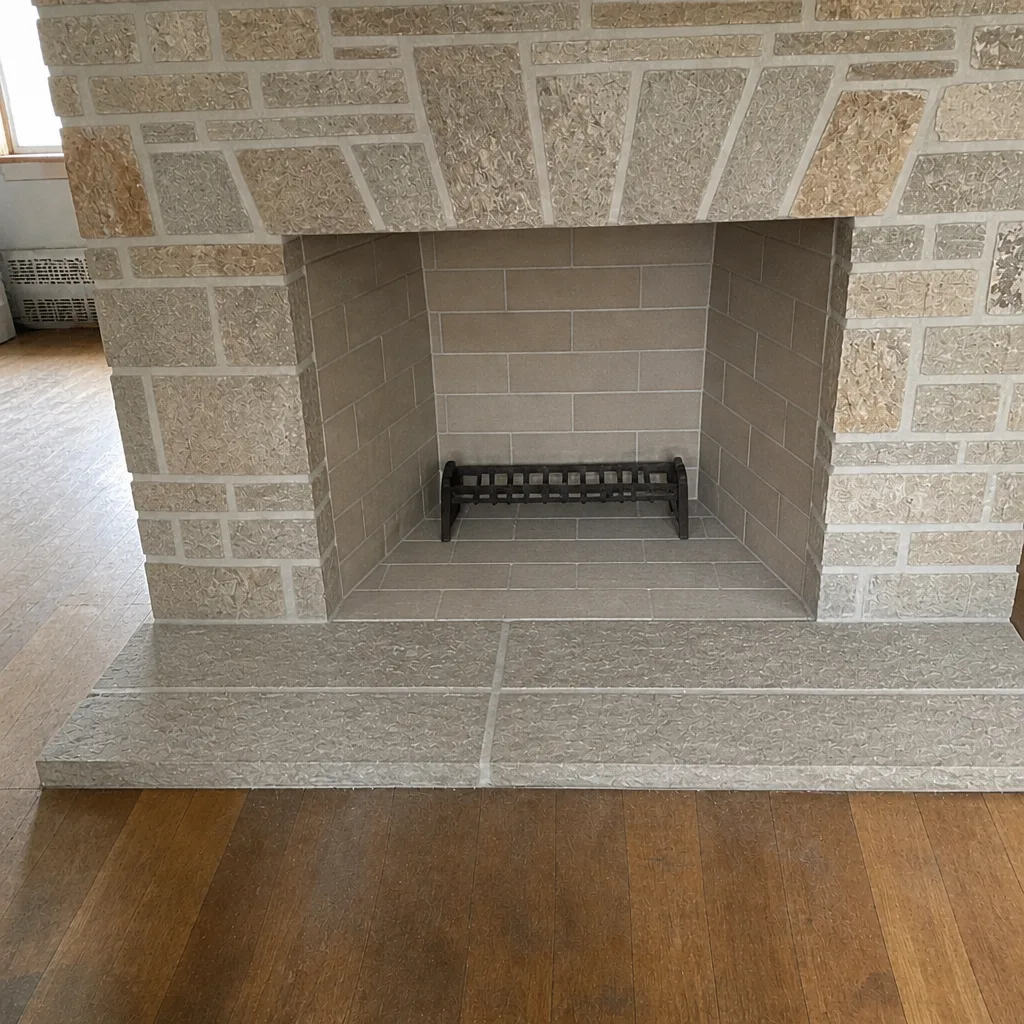
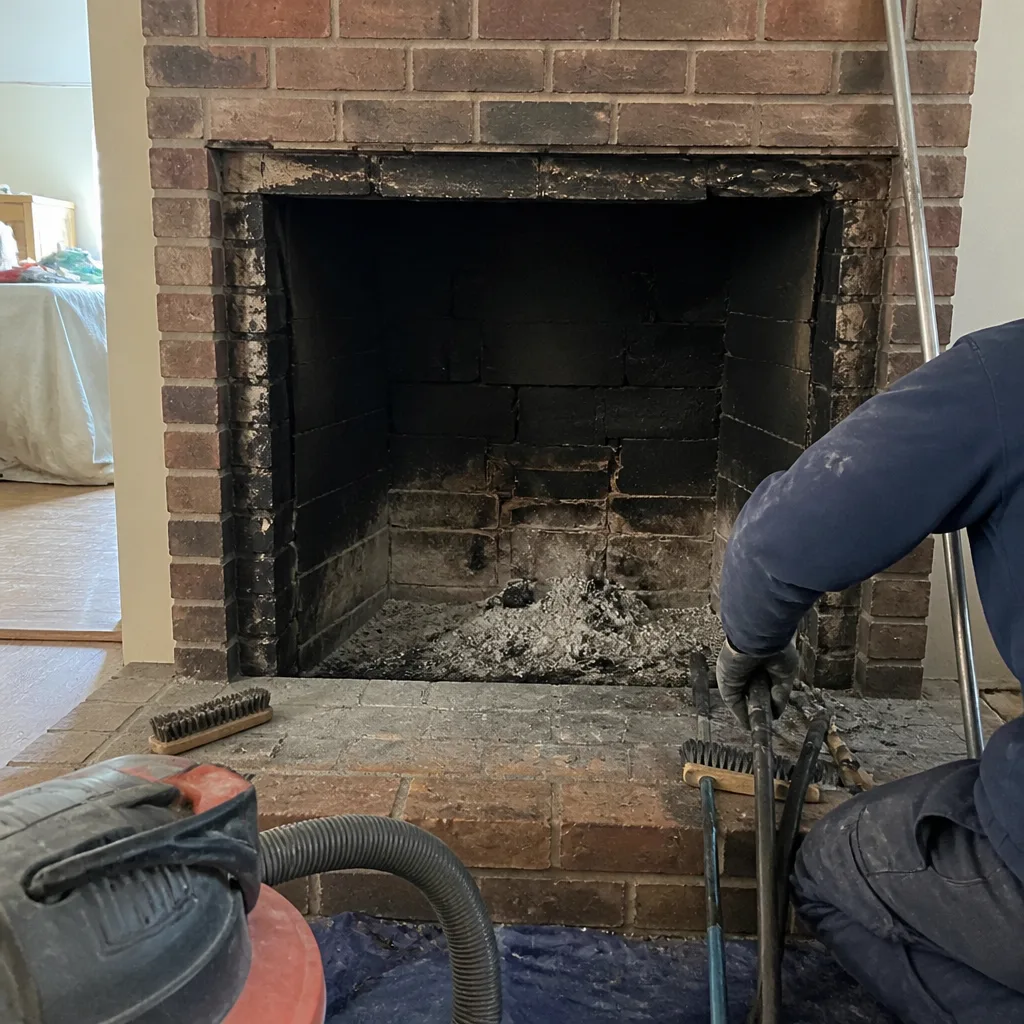
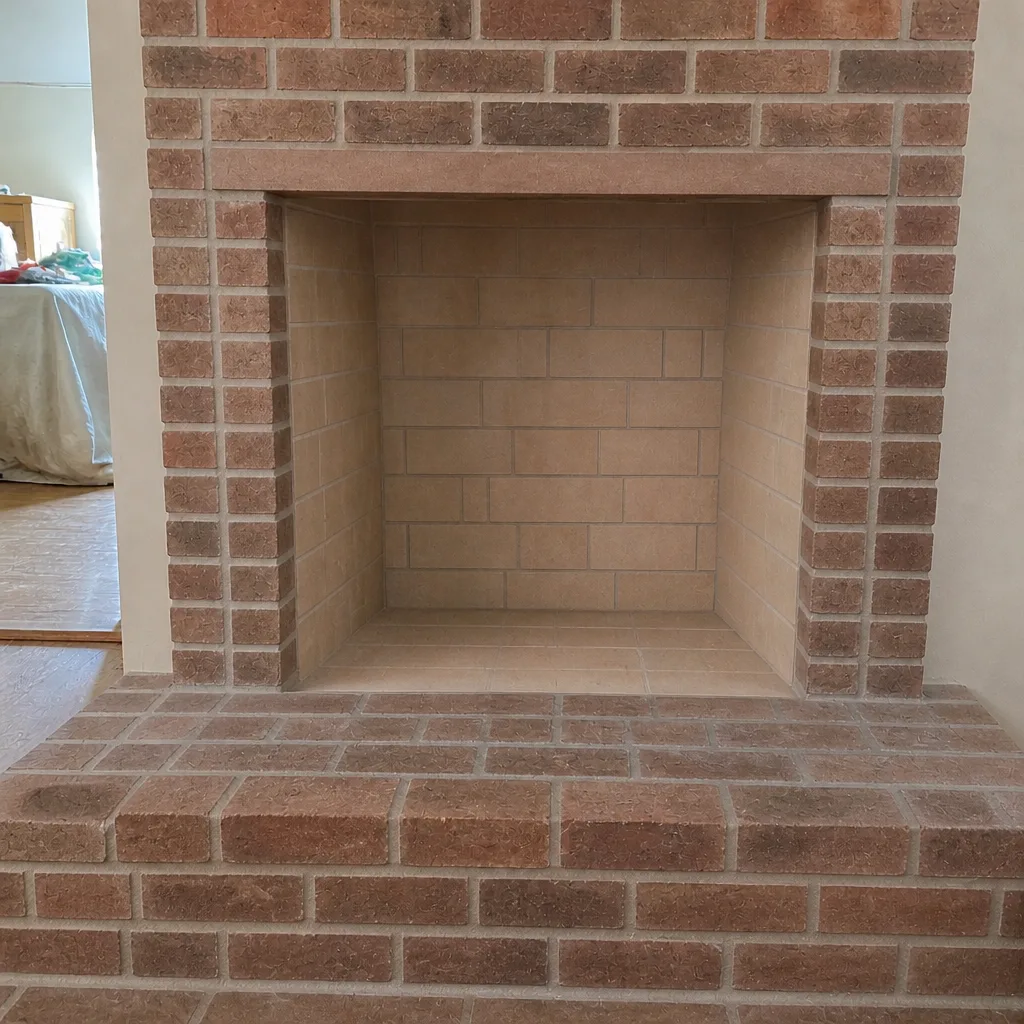
See the difference
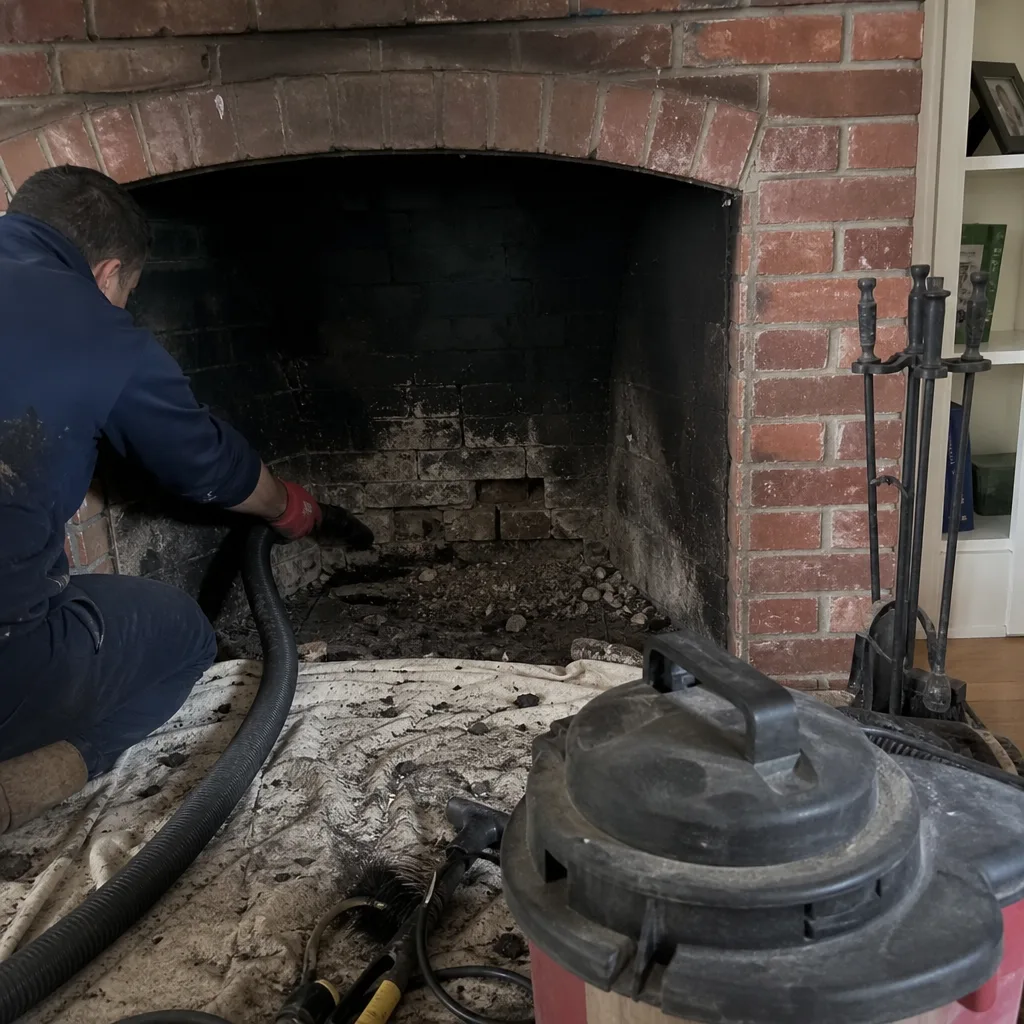 Before
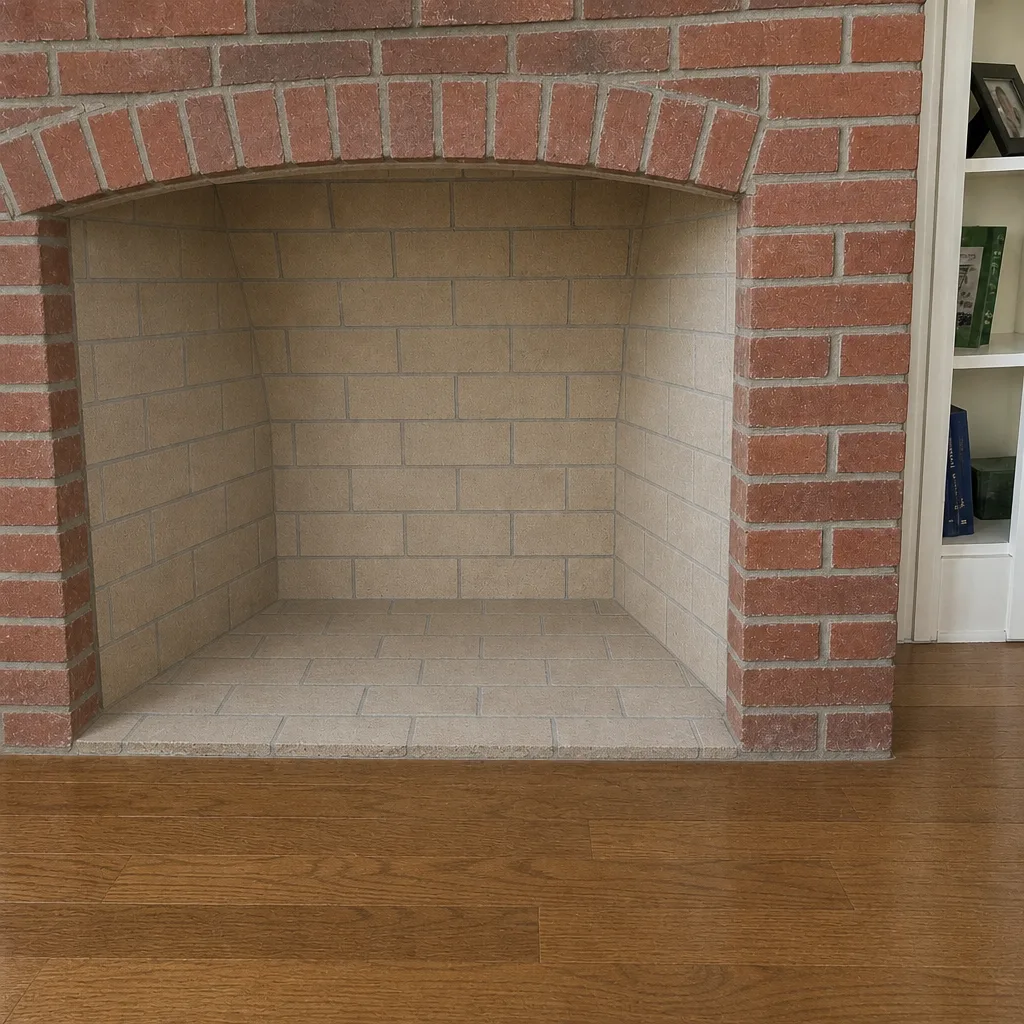 After
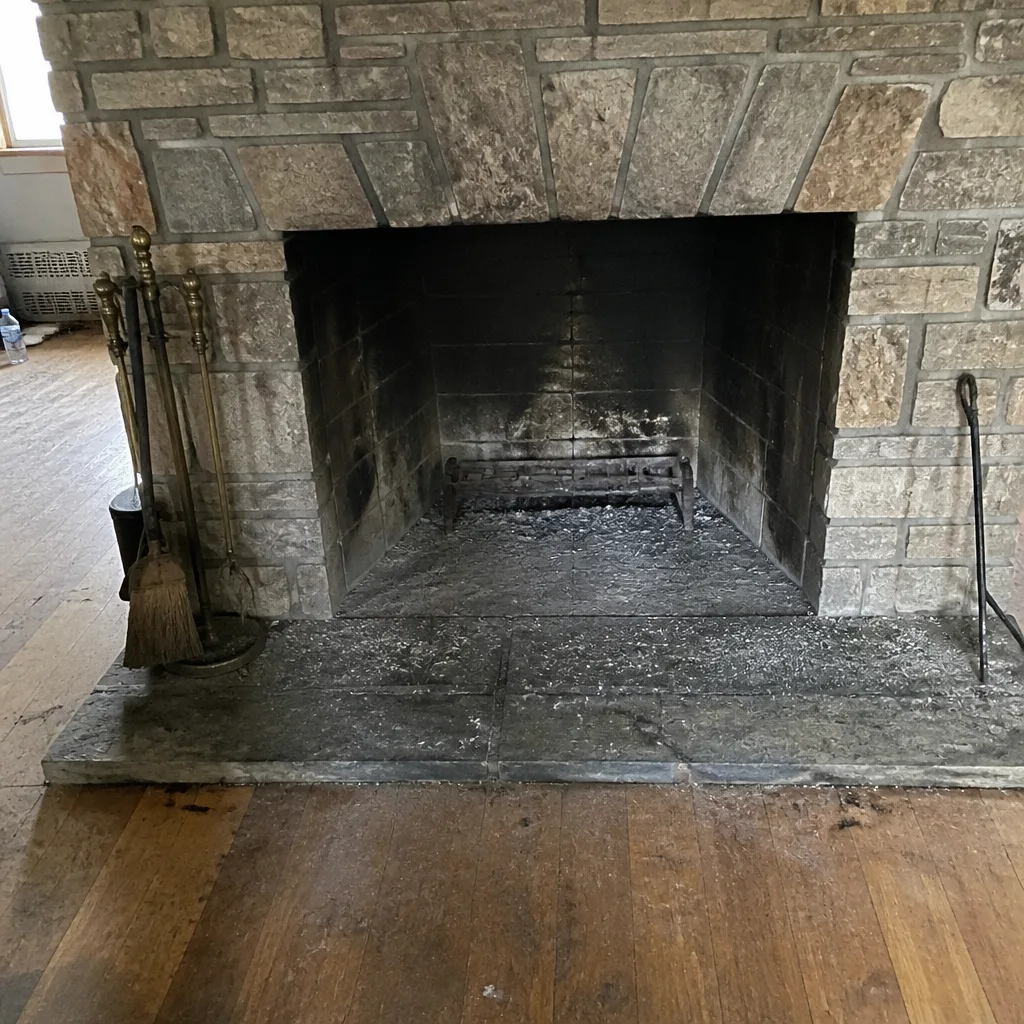 Before
 After
 Before
 After
Common Mistakes to Avoid
- Treating a brushed firebox as a clean chimney. The firebox is the smallest part of the system. If the upper flue and smoke chamber haven’t been cleaned and inspected, the chimney has been partly cleaned, not cleaned.
- Using a shop vac for soot. A standard shop vac blows the finest soot particles back into the room. Even a HEPA-rated shop vac isn’t a substitute for a commercial HEPA unit sized for chimney work.
- Skipping the inspection to save money on the sweep. The inspection is what turns cleaning into a safety assessment. A sweep without one is routine maintenance without a diagnosis.
- Burning unseasoned wood to make the brush pass “worth it.” Wet wood produces more creosote, which is the deposit that creates the actual fire risk. Seasoned wood is a bigger safety investment than the brush.
- Assuming a newer home doesn’t need inspection. In Parkchester, newer construction is rare, but converted buildings and retrofitted flues show up in all kinds of housing stock. The flue configuration matters, not the building’s age.
- Ignoring a smoky smell in humid weather. A smoky smell in summer usually means the chimney is pulling air from the house. That’s a draft issue and worth an inspection, not a DIY fix.
- Cleaning a chimney that has had a prior fire without evaluating it. Puffy, honeycombed creosote, warped dampers, and cracked tiles are signs of a past chimney fire. If any of those are present, don’t use the chimney until it’s been evaluated by a professional.
We work exclusively on chimneys and fireplaces, so we see these patterns repeatedly in Parkchester. The most common version is a homeowner who’s been faithfully brushing the firebox for years and hasn’t had the flue examined. The second most common is a homeowner who had one inspection years ago and hasn’t had one since.
When to Call a Professional
Call a professional if you fall into any of these situations:
- You’ve never had the chimney professionally inspected, or you can’t remember when it was last inspected.
- You burn regularly or heavily and haven’t had the flue cleaned and inspected this season.
- Any warning sign from the matrix is present: draft issues, smoky smell, visible creosote, damaged firebox, water staining, or a sound of rushing air during a fire.
- Your Parkchester building has a shared flue, a retrofitted oil-to-gas conversion flue, or an older terra cotta liner system.
- A prior chimney fire is suspected.
- You’re buying or selling a home and need a written inspection record.
- Your cap or crown is damaged, missing, or askew.
Chimney Sweep Parkchester offers free estimates in Parkchester. Call (855) 550-7313. We answer 24/7. Fast dispatch from 7am to 7pm, Sunday through Friday.
Frequently Asked Questions
You can clean the accessible firebox and smoke shelf surfaces yourself, but you can’t safely clean or assess the full flue without professional equipment and training. In Parkchester’s pre-war housing stock, terra cotta liners have often developed offset joints and cracks that a brush pass won’t reveal. If you clean your own firebox and skip the flue and inspection, you’ve done partial maintenance, not a chimney cleaning. Call (855) 550-7313 for an exact quote on a full sweep and inspection.
Most chimney professionals and home safety guidelines recommend a professional inspection once a year, regardless of how often the chimney is used. If you burn firewood regularly, an annual cleaning alongside that inspection is standard. For Parkchester homeowners with older terra cotta liners or converted flues, skipping years of inspection isn’t worth the risk because the issues that develop aren’t visible from the firebox. Call (855) 550-7313 to schedule an inspection and we’ll give you a free estimate.
Stage 1 creosote is the flaky, dusty deposit that brushes off with a standard chimney brush. Stage 2 creosote is glazed and bonded to the flue wall, and it doesn’t brush away; it requires rotary cleaning or chemical treatment. The distinction matters for DIY because a homeowner brushing Stage 1 deposits off a Stage 2 flue will leave the dangerous layer intact. A camera inspection is the only reliable way to know which stage you’re dealing with. Call (855) 550-7313 for an exact quote on professional cleaning and assessment.
A DIY-swept chimney leaves no written record, so an insurance claim after a chimney fire is harder to support. A professional inspection produces a written report documenting the chimney’s condition, what was found, and what was recommended, which is exactly the documentation an adjuster asks for. In Parkchester, where older liner systems are common, that record is often the difference between a well-supported claim and an uphill one. Call (855) 550-7313 for a professional inspection with a documented report.
Most of the equipment is technically available to homeowners but not economically sensible to buy for a single chimney. Commercial HEPA vacuums, rotary cleaning systems, and video inspection cameras rated for 6″ to 13″ flues cost far more than a single professional service, and each piece needs training to use correctly. The judgment to interpret what the camera shows is the part that can’t be bought. Call (855) 550-7313 to book a sweep with camera inspection and get a free estimate.
Skipping inspection means you have no way to know whether your flue has developed cracks, offset joints, Stage 2 glazing, or a cap and crown failure. The chimney can pass every visual check you can make and still be unsafe, which is the specific risk that inspection exists to catch. Continuing to burn in that condition is choosing to accept a risk you can’t see. Call (855) 550-7313. Estimates are free, and the inspection gives you a documented answer.
The Bottom Line
The DIY-versus-professional decision for Parkchester homeowners isn’t all or nothing. Cleaning the firebox surfaces you can see and reach is reasonable homeowner maintenance. Everything above the damper, including the flue, the smoke chamber, the cap and crown, and the condition of the liner, needs an inspection, and inspection is what separates a clean chimney from a safe one. In Parkchester’s pre-war housing stock, that distinction carries real weight because terra cotta liners and converted flues develop problems that a brush can’t find. Trust the camera and the written record. Call Chimney Sweep Parkchester at (855) 550-7313 for a free estimate.
Written by the team at Chimney Sweep Parkchester.