
Last updated November 25, 2026
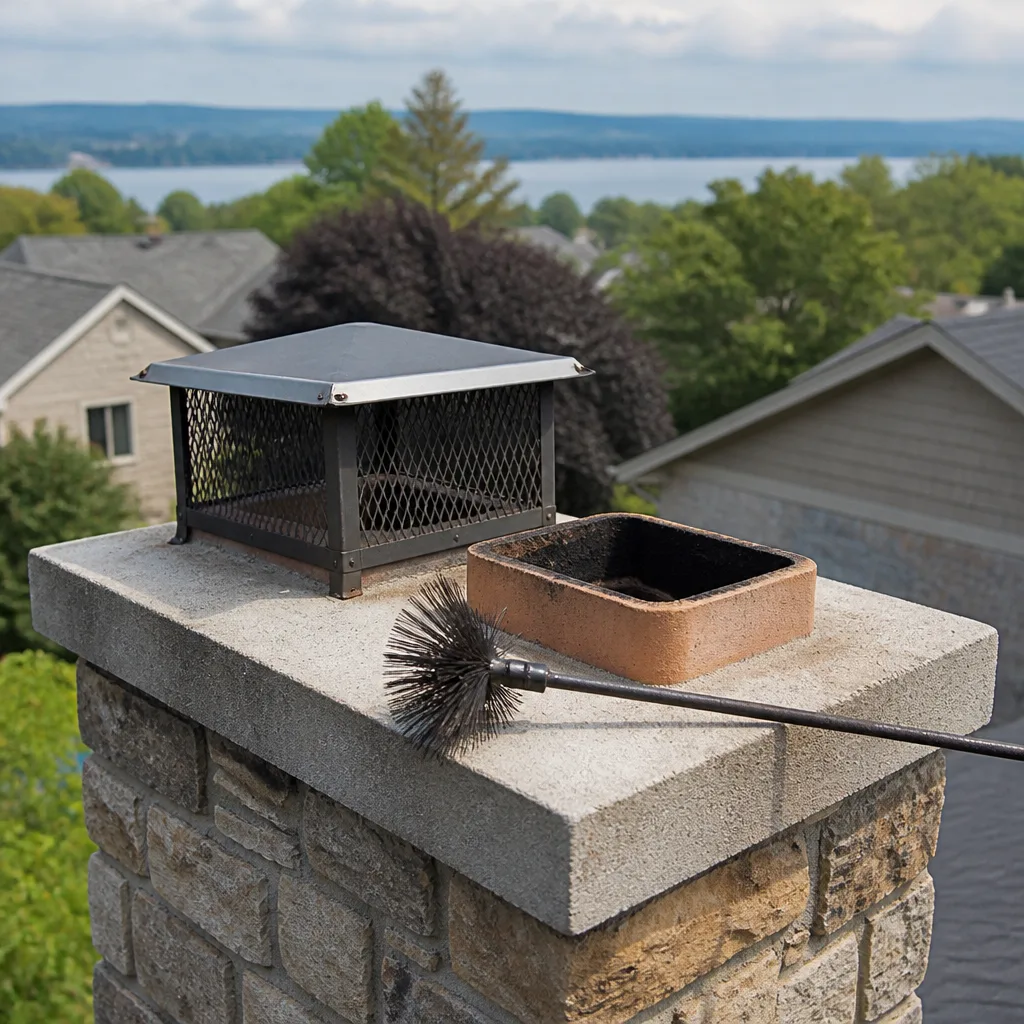 Sweep & inspection
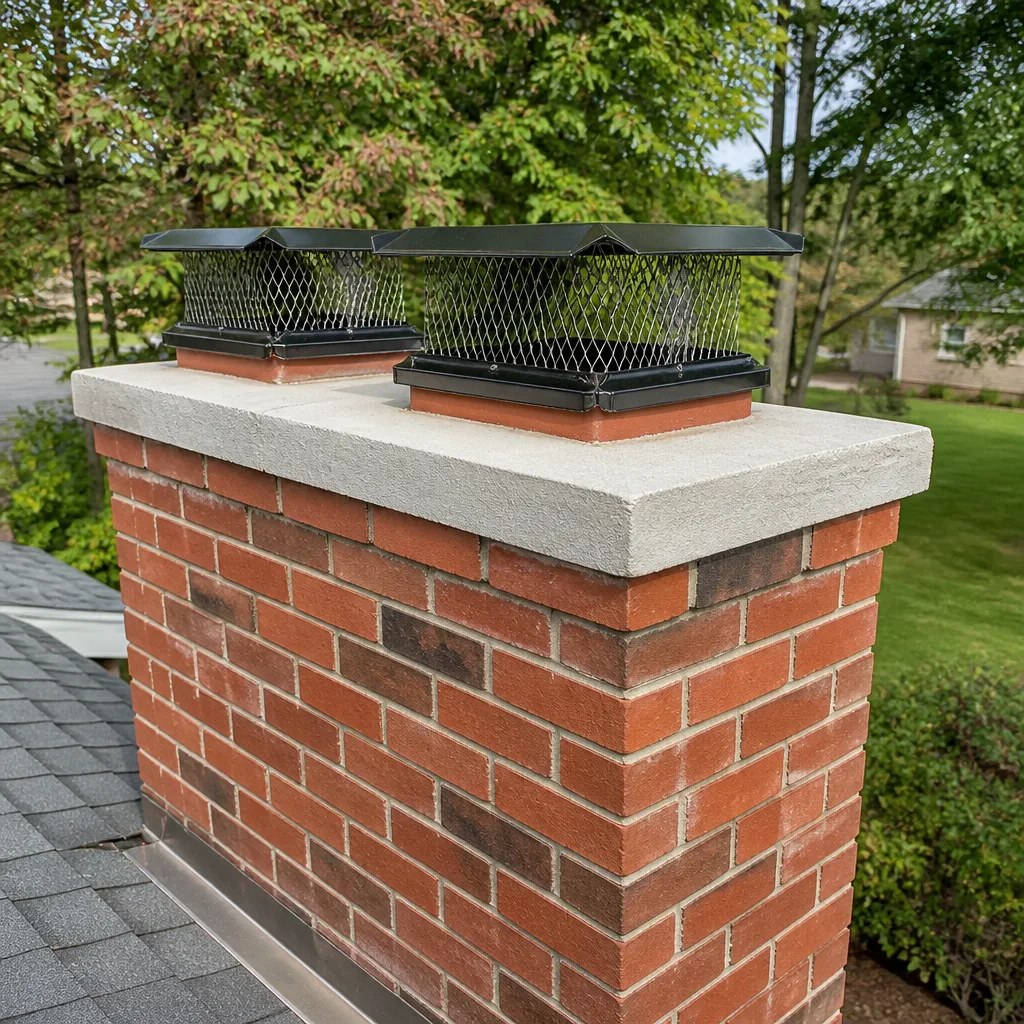 Caps & crowns
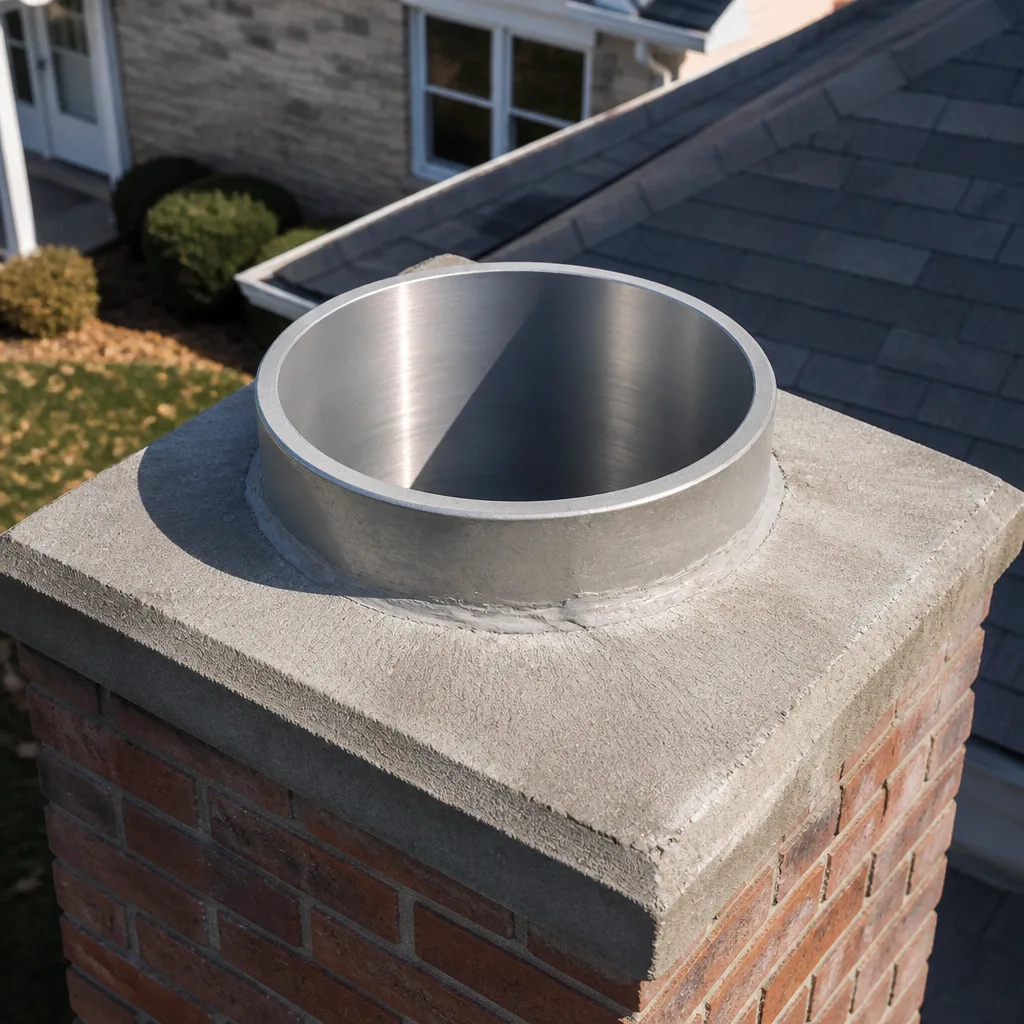 Flue relining
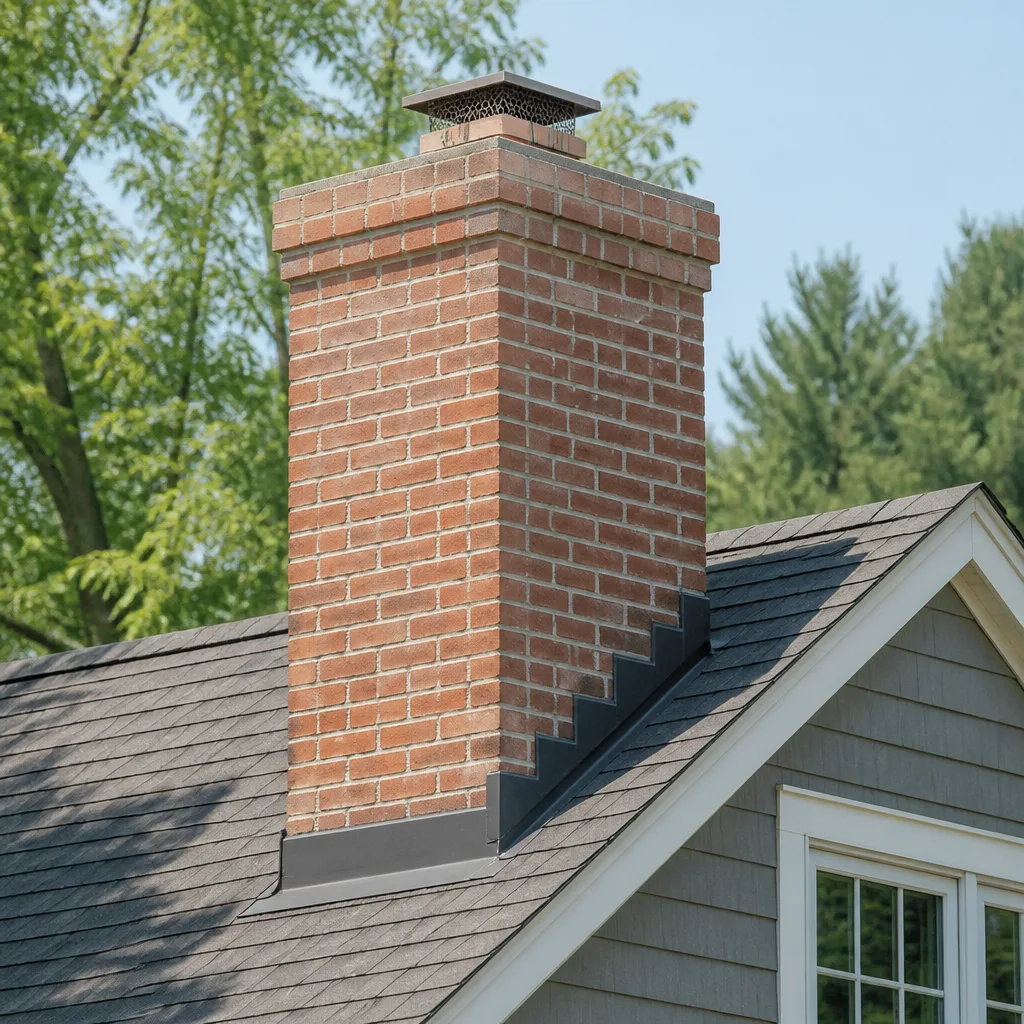 Masonry repair
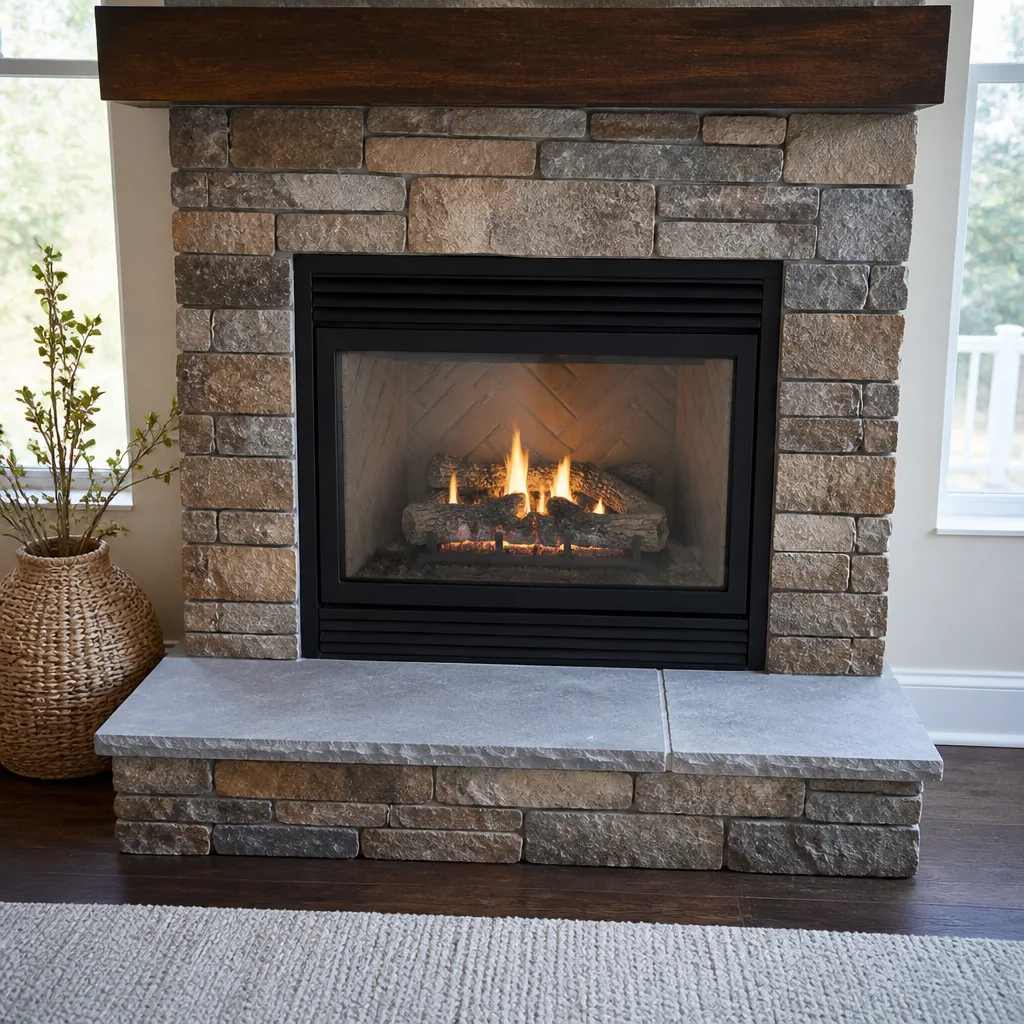 Gas fireplace service
Level 1 sweep and inspection to the NFPA 211 annual standard - flue, crown, cap, and flashing checked and photographed
Chimney sweep logs do not sweep chimneys. They loosen some creosote - which then falls where a brush and vacuum still have to collect it.
The Complete Guide to Chimney Cleaning in Parkchester
A chimney can pass a visual check and still have a Stage 2 creosote glaze that no brush will remove. Most “cleaned” chimneys in Parkchester never get tested for it. That’s the gap this guide closes. We’ve seen how easy it is for a homeowner to accept a quick sweep, a cheerful all-clear, and a receipt that says nothing about what was actually found inside the flue. Chimney cleaning isn’t one task. It’s a layered sequence of inspection, evaluation, and service, and each layer tells you something the one before it couldn’t. Here you’ll learn how NFPA 211 inspection levels apply to Parkchester’s attached and multi-unit buildings, how the three creosote stages dictate which tools actually work, why pre-1970 brick masonry behaves differently, and how to verify a thorough job minute by minute.
Quick Answer
A proper chimney cleaning in Parkchester is more than brushing the flue. It’s a sweep paired with at least a Level 1 NFPA 211 inspection, a creosote stage assessment, and a written report on what was found. Chimneys with glazed Stage 3 creosote, recent damage, or a change in fuel type need a Level 2 inspection with a camera before anyone tells you the chimney is safe. The cleaning receipt and the inspection certificate are two different documents, and both matter.
Styles & brands we work with
- Sweep & inspection
- Caps & crowns
- Flue relining
- Masonry repair
- Gas fireplace service
Table of Contents
- What Chimney Cleaning Actually Means in Parkchester
- The Three NFPA 211 Inspection Levels and When Each Applies
- The Three Creosote Stages and the Tools That Remove Each
- How Parkchester’s Pre-1970 Brick Construction Affects the Flue
- Cleaning Receipt vs. Inspection Certificate: Why Both Matter
- What a Complete Cleaning Appointment Should Look Like
- What Chimney Cleaning Costs in Parkchester
- How Often You Should Schedule Cleaning
What Chimney Cleaning Actually Means in Parkchester
Chimney cleaning is the physical removal of soot, ash, and creosote from the firebox, smoke chamber, damper, and flue, followed by an evaluation of the chimney’s condition. It is not just brushing. In a Parkchester apartment building or rowhouse, the chimney serves one dwelling but the flue itself runs through shared masonry, which means a problem in your flue can matter to more than your own unit. That’s why we treat every cleaning as a service sequence: inspect first, sweep second, evaluate third, and then report.
A meaningful cleaning has four working parts:
- The firebox and smoke chamber, where soot builds unevenly and where a flashlight alone can hide a damaged smoke shelf.
- The damper assembly, which must open fully and seat properly. A stuck or warped damper is a draft problem and a safety problem.
- The flue interior, swept with the right brush for the liner material. Wire brushes on a factory-built liner can scratch the steel; poly brushes on clay tile and masonry are the safer match.
- The cap and crown, which keep water and animals out. A chimney cap & crown in good condition is part of a functioning chimney just as much as the flue is.
What separates a proper cleaning from a quick brush-and-go is the report. A sweep that ends without telling you what the technician saw, measured, and tested is only half the job. We work exclusively on chimneys and fireplaces; it’s the only system we service. That focus is why we treat the cleaning and the evaluation as one visit rather than two separate calls.
The Three NFPA 211 Inspection Levels and When Each Applies
NFPA 211 sets out three inspection levels for chimneys. Level 1 is the standard check for a chimney that’s been in continuous service with no changes. Level 2 adds a camera inspection of the flue interior and applies after a change in fuel type, a change to the appliance, a property sale, or any event such as a chimney fire or a sudden draft problem. Level 3 is a diagnostic opening of concealed parts of the chimney, and it’s used only when a specific problem demands it.
In Parkchester’s attached and multi-unit dwellings, the level question comes up more than people expect. A homeowner in a rowhouse or a garden-apartment building often shares chimney structure with an adjacent unit. If the flue was relined at some point without documentation, or if a previous owner switched from oil to gas, a Level 1 visual pass won’t catch it. A Level 2 with camera lets us see what the wall can’t show.
Here’s how we think about which level applies:
- Level 1: routine annual sweep, chimney in continuous service, no known changes in the past several years. Visual check of accessible portions.
- Level 2: after a fuel or appliance change, a property sale, a chimney fire, an unresolved smoke or odor problem, or any situation where hidden liner damage is possible. Includes flue camera inspection.
- Level 3: only when the Level 2 found something that can’t be evaluated without opening a wall, removing a crown section, or similar access.
When a Level 2 finds a damaged liner, we can address it with a product made for the job, such as a chimney repair using a DuraFlex flexible liner system matched to the flue dimensions. A sweep without an inspection only tells you half the story.
The Three Creosote Stages and the Tools That Remove Each
Creosote builds in three distinct stages, and each stage requires a different removal approach. Stage 1 is the sooty, fluffy deposit that brushes off easily. Stage 2 is a denser flake and tar layer that a standard brush alone won’t fully clear. Stage 3 is a glazed, hardened coating that no brush can remove; it needs chemical treatment or rotary equipment. Most companies stop at Stage 1 because that’s what a brush can handle.
Stage recognition is the whole point of learning the difference. When a technician tells you the chimney is “clean,” ask what stage they found and how they verified it. If the answer is “it looked fine,” you don’t have an assessment; you have an opinion.
- Stage 1 (soot and light flake): poly brushes and standard rods clear this without trouble. Most annual cleanings fall here.
- Stage 2 (dense flake and tar): rotary loops and scraper heads break down the deposit mechanically. Some flecks need a chemical softener before brushing so they release from the tile instead of smearing.
- Stage 3 (glazed): a chemical treatment softens the glaze over a period of hours or days, then rotary equipment works it loose. The alternative is a full reline, which is more invasive and more costly. Catching Stage 3 early with chemical treatment is the reason a proper inspection matters.
There’s a real safety caveat here. Dislodged Stage 3 creosote is highly combustible, and the tools that break it loose generate heat and dust in a confined space. We don’t recommend homeowners try to remove glazed creosote themselves; the risk of igniting deposits or damaging a liner is high. A trained chimney technician has the equipment and the experience to work at that layer safely.
How Parkchester’s Pre-1970 Brick Construction Affects the Flue
Much of Parkchester’s housing stock was built before 1970, which means a lot of chimneys here are brick masonry with clay tile liners. Older brick chimneys behave differently from modern construction in several ways that matter to anyone scheduling a cleaning:
- Mortar joints erode. Decades of heating and cooling cycles leave joints in the flue material softer and more prone to crumbling. Crumbling joints are the leading cause of a chimney that “cleans up fine” but smokes or leaks later.
- Clay tile spalling. Tile can crack or flake off over time, and a broken tile face is a gap in the liner’s protection. A camera inspection catches this; a flashlight doesn’t.
- Oversized flues. Older masonry flues were often built larger than the modern appliance requires, which causes draft problems that read as “the fireplace smokes.” Resizing with a flexible liner solves it.
- Missing or damaged crowns and caps. Original crowns are often cracked or chipped, letting water pour into the flue. The result is spalling brick, rusted dampers, and mortar loss from freeze-thaw cycles in winter.
For these systems we bring the right material for the repair, not whatever’s on the truck. That means DuraFlex flexible liner systems sized to the flue, Gelco caps and components for masonry and metal chimneys, and HeatShield ceramic resurfacing for liners whose joints are deteriorating but whose structure is still sound. HeatShield rebuilds the integrity of that inner surface without a full reline, which is a real option on the table that not every company offers. A resurfaced liner in good condition is often a less invasive alternative to DuraFlex relining, and the right call depends on what the camera shows.
Cleaning Receipt vs. Inspection Certificate: Why Both Matter
A cleaning receipt proves a sweep was performed. An inspection certificate documents the condition of the chimney at the time of the inspection. Homeowners often ask for the first thinking it covers both, but the two documents answer different questions: what happened, and what was found. Insurance claims involving a chimney fire or carbon monoxide incident rely on the inspection record far more than the cleaning receipt, because the inspection is what tells the insurer what the chimney looked like before the event.
For Parkchester homeowners, the practical distinction is this:
- The cleaning record should list what was swept, the method used, and whether the technician found anything unusual. It is a service document.
- The inspection report should note the inspection level performed, the condition of the flue and visible components, the creosote stage, any defects found, and photographs or video of the flue interior.
When both documents exist and both are readable, you have a recorded history of the chimney. That matters for resale, for insurance, and for carbon monoxide detector compliance in multi-unit buildings. If your building’s CO detector has ever triggered and been cleared without a documented chimney inspection, that’s a gap in the record worth closing. We use HeatShield, DuraFlex, Gelco, and Olympia Chimney components in our repairs and we document what was found and what was used, because that record is what protects the homeowner years down the line.
What a Complete Cleaning Appointment Should Look Like
A thorough cleaning follows a predictable sequence. If a technician shows up, brushes for twenty minutes, and leaves without doing the steps below, the job was incomplete. Here is the sequence we follow on a full cleaning visit:
- Floor and furniture protection. Drop cloths under the firebox and a contained work area, before any tool comes out.
- Visual check of firebox, damper, and accessible flue. The first look before cleaning tells us what condition we’re working with.
- Flue camera inspection when indicated. Most annual cleanings include a basic interior check; Level 2 inspections add the camera sweep of the full flue.
- Sweep the firebox, smoke chamber, and flue. Right brush for the liner. Stage 2 and Stage 3 deposits get rotary or chemical treatment, not just a brush pass.
- Cap and crown inspection. The exterior top gets checked for cracks, missing pieces, and animal intrusion.
- Cleanup. The fireplace opening resealed, the floor vacuumed, the work area returned to how it was found.
- Report and documentation. Written findings, creosote stage, recommended follow-up if any, and the inspection certificate.
We schedule these visits and dispatch technicians Sunday through Friday, fast dispatch from 7am to 7pm, and the phones are answered 24/7 if a question comes up before the appointment. A full cleaning plus a Level 1 inspection typically takes under two hours in a single-family home; a Level 2 with a camera can take longer depending on the flue’s layout. What you as the homeowner should verify is simple: did the technician show you the flue on camera (if applicable), did they leave a written report, and did they confirm the cap and crown were checked? If all three are yes, the job was done.
What Chimney Cleaning Costs in Parkchester
Chimney cleaning in Parkchester typically falls in a predictable range depending on the level of inspection that goes with it and whether any creosote treatment is needed. We price each job by written estimate before any work begins, so the number you see is the number you get.
- Standard sweep with Level 1 inspection: typical range for a single-flue chimney in continuous service.
- Sweep with Level 2 inspection and flue camera: higher range because of the camera work and documentation.
- Stage 2 or Stage 3 creosote removal: priced on the deposit volume and flue dimensions; sometimes requires a second visit for chemical treatment.
- Minor cap or crown repair while on-site: priced per repair, using Famco or Gelco components as the fit requires.
- Liner repair or resurfacing: priced separately after the camera report and written proposal.
We’d rather you know the cost of a proper cleaning up front than find out six months later that a cheap sweep missed the deposit that mattered. Call (855) 550-7313 for an exact quote. We answer 24/7 and schedule estimates Sunday through Friday, 7am to 7pm. Estimates are free.
How Often You Should Schedule Cleaning
A chimney used regularly for wood burning should be cleaned once a year, usually before the heating season starts. Gas fireplaces and gas appliances vent differently and can go longer between cleanings, but they still need an annual inspection because the liner condition matters more than the soot volume. Rental units and multi-unit buildings in Parkchester benefit from an annual cleaning and inspection combined, primarily for the record it creates.
Three signals mean it’s time to schedule regardless of the annual calendar:
- You smell a strong, sour, or smoky odor from the fireplace when it’s not in use.
- You see soot falling back into the firebox or onto the hearth.
- You notice a smoky smell in the room when the fire is lit, or the draft feels weaker than it used to.
If any of these are happening, schedule an inspection before the next fire. It is rarely urgent in the way a burst pipe is urgent, but it is genuinely a reason to act rather than defer.
Common Mistakes to Avoid
- Accepting a sweep without an inspection. The cleaning tells you what came out. The inspection tells you what’s still there. Skipping the second half of the job leaves you with a clean-looking chimney and no idea whether the liner is intact.
- Believing brush-and-go clears Stage 3. Glazed creosote cannot be brushed off. If a technician says they got it with a brush alone, ask for the camera footage.
- Missing the cap and crown check. A cracked crown lets water into the flue every rain, and that water is what causes the brick spalling you’ll pay for later. A proper visit checks the top, not just the bottom.
- Treating the receipt as the inspection record. They’re two different documents. If your building or insurer asks for the condition of the chimney, the receipt won’t answer the question.
- Putting off a Level 2 after a fuel change or property sale. A gas-to-oil or oil-to-gas switch in an older Parkchester building leaves a flue condition no visual pass will catch. The camera is what catches it.
- Assuming an attached dwelling is exempt. A Parkchester rowhouse or multi-unit flue shares structure with the neighbor’s. A Level 2 inspection on a shared chimney can flag issues that affect both sides.
- Buying the cheapest quote. A cut-rate sweep that omits the inspection and camera is not the same service at a lower price; it’s a partial service at a partial price. The difference shows up in what the report doesn’t tell you.
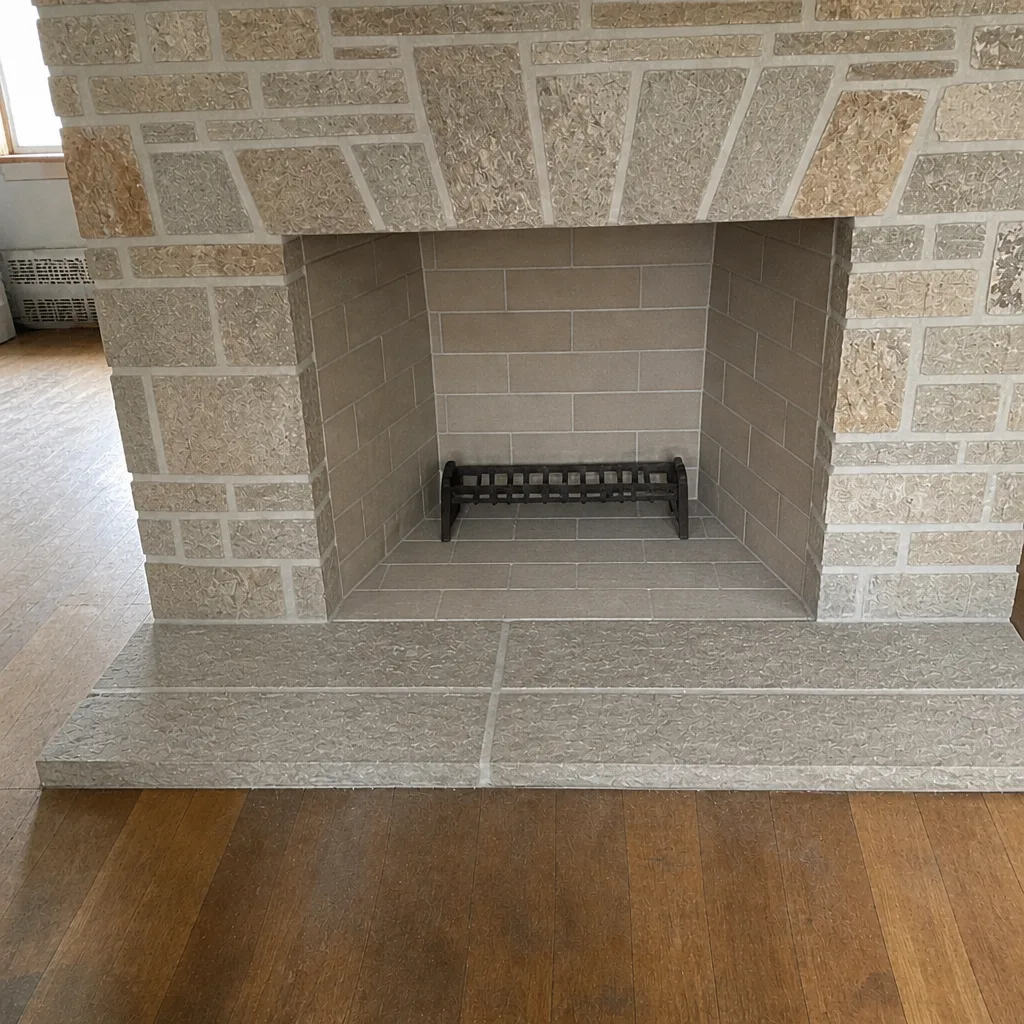
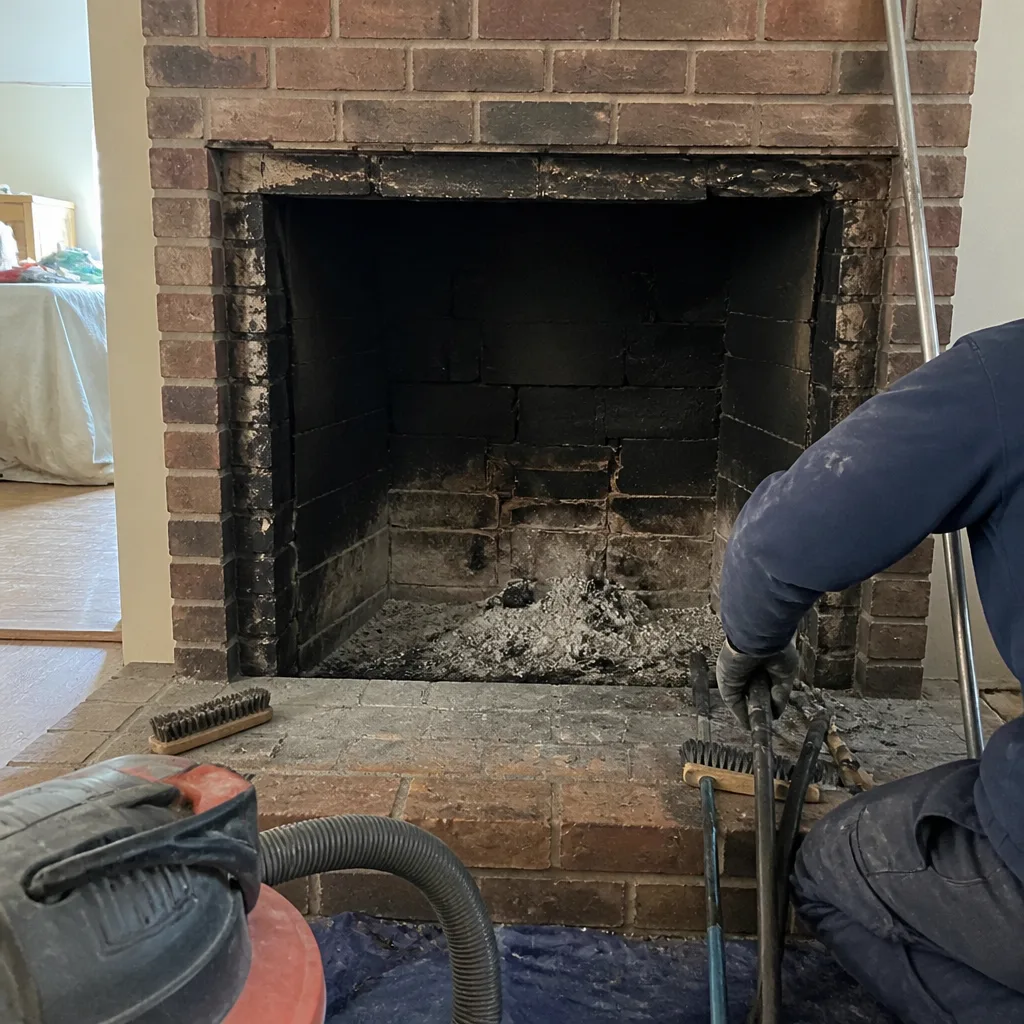
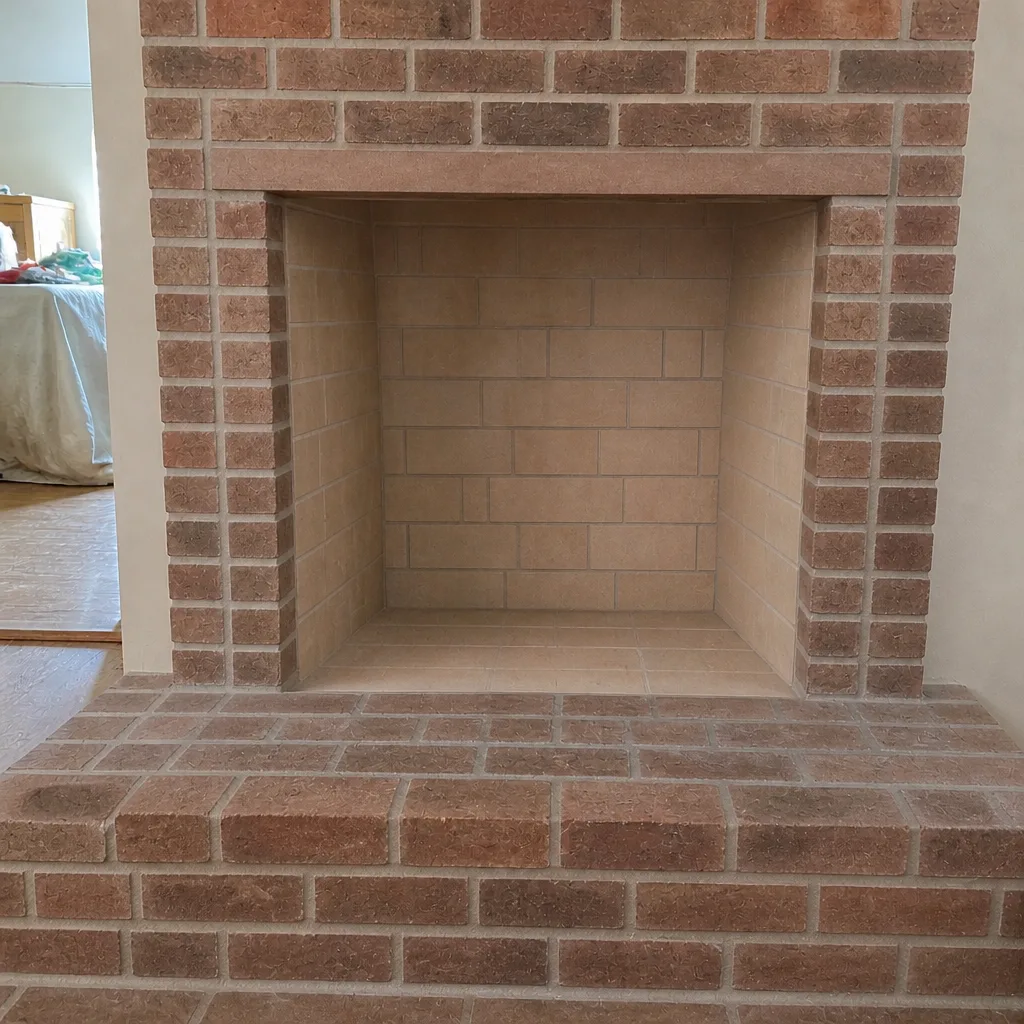
See the difference
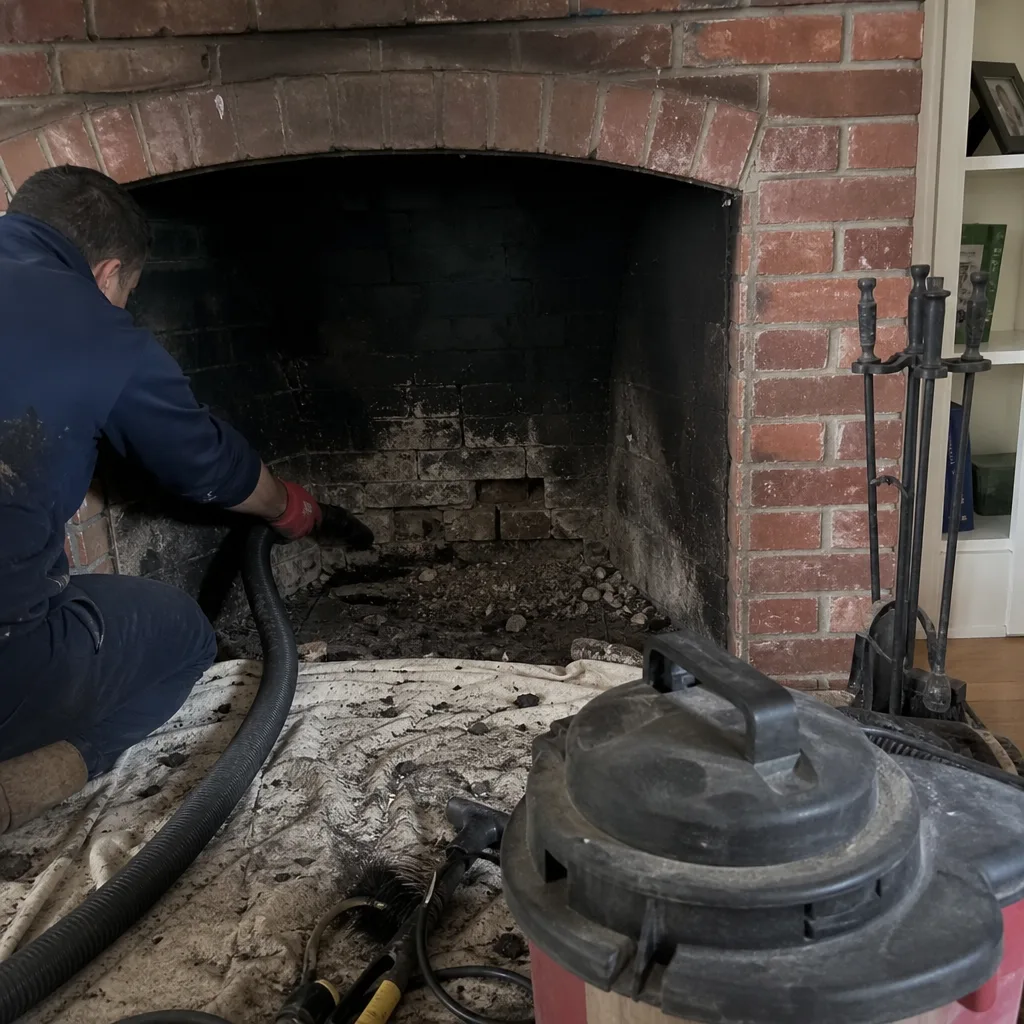 Before
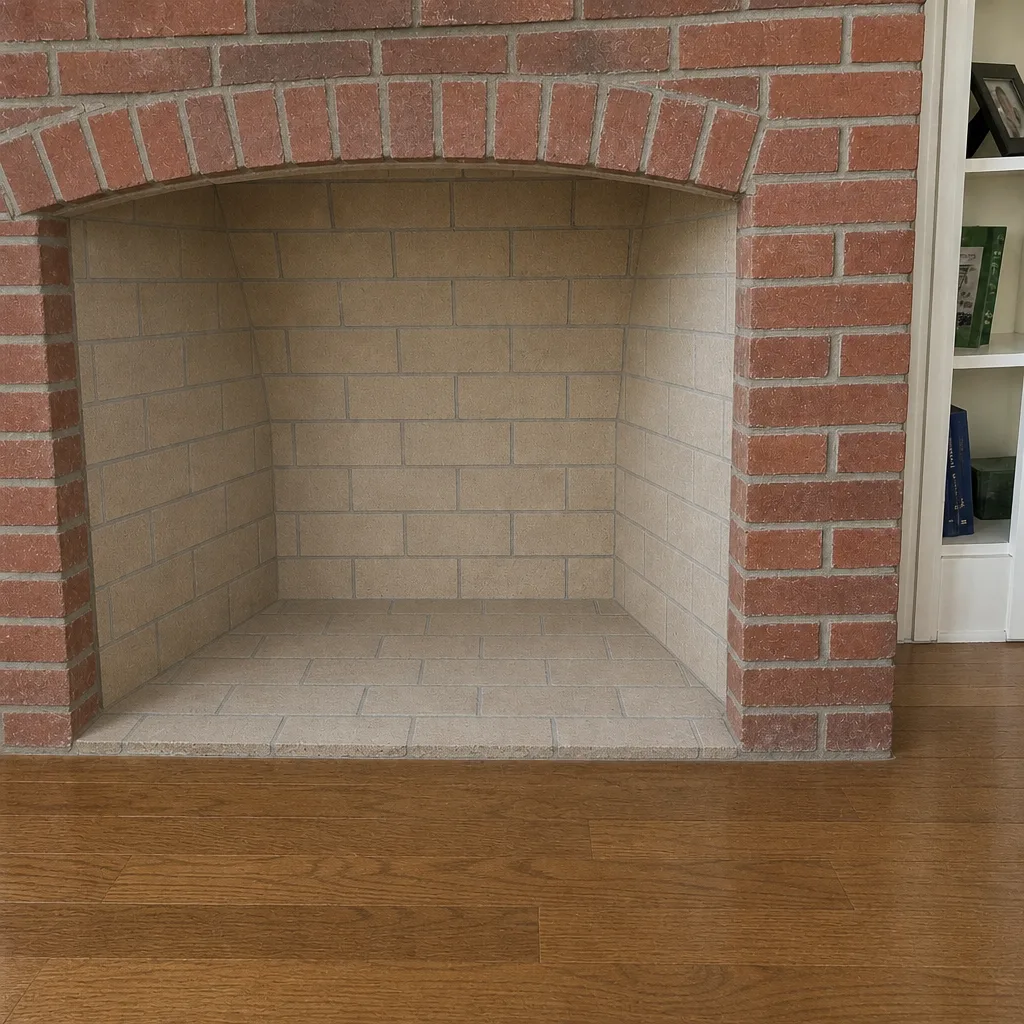 After
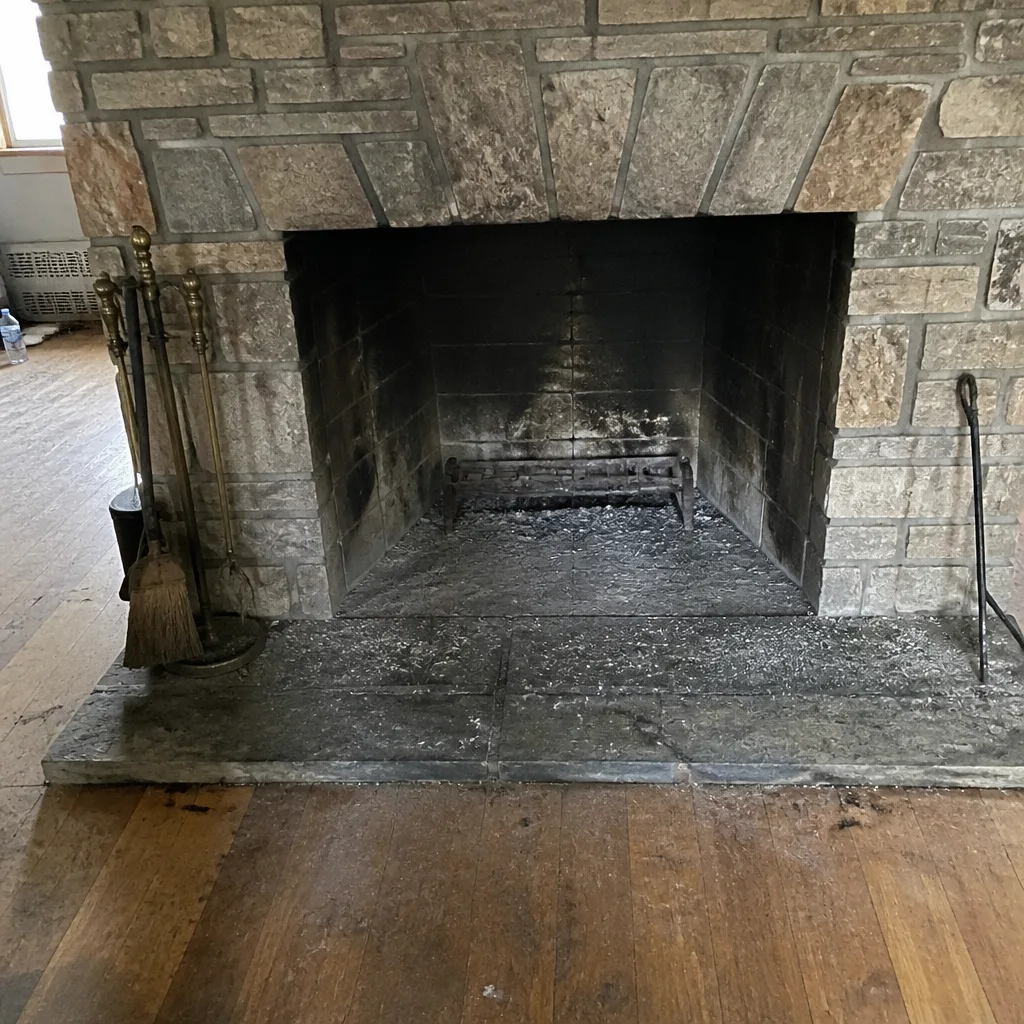 Before
 After
 Before
 After
When to Call a Professional
Some problems are best sorted out at the fireplace. Others need a trained technician and the right equipment, and it’s worth knowing which is which. Call a professional if you see or smell glazed creosote, if soot has fallen into the firebox, if the cap or crown is cracked or missing, if the fireplace smokes into the room when lit, if you’ve had a chimney fire, or if your CO detector has triggered in a room with a working fireplace. None of these situations call for a homeowner to diagnose the flue. A trained technician needs to see the liner with a camera before either of you can trust the answer.
Chimney Sweep Parkchester offers free estimates in Parkchester. Call (855) 550-7313. We answer 24/7 and schedule estimates Sunday through Friday, 7am to 7pm. From cap to firebox, the technicians handle every part of the system in a single visit, using professional-grade components from DuraFlex, HeatShield, Gelco, Olympia Chimney, and Famco so the repair matches the diagnosis.
Frequently Asked Questions
Chimney cleaning in Parkchester typically ranges based on the level of inspection bundled with it. A standard sweep with a Level 1 inspection runs at the lower end; a sweep with a Level 2 camera inspection runs higher; Stage 2 or Stage 3 creosote removal is priced separately based on deposit volume and flue dimensions. The written estimate sets the final price, and every estimate is free. Call (855) 550-7313 for an exact quote. We answer 24/7.
A wood-burning chimney should be swept and inspected once a year, ideally before the heating season. Gas fireplaces can go longer between sweeps, but the annual inspection still matters because the liner condition is what ages. In Parkchester’s older masonry buildings, an annual inspection catches mortar joint problems before they turn into a liner repair.
Not every chimney needs a new liner, and a Stage 1 or early Stage 2 chimney rarely does. A new liner is only called for when the existing liner has cracks, separated joints, spalling, or a dimensional mismatch with the appliance. HeatShield ceramic resurfacing can restore a weakened liner in many cases and avoid a full reline, and using a DuraFlex flexible liner is the option when the liner is beyond resurfacing. The camera report is what determines which. Ask to see it before you commit.
Skipping a cleaning doesn’t cause an immediate failure; it lets creosote build and the liner condition go unwatched. The real risk is a chimney fire igniting Stage 2 or Stage 3 deposits, or carbon monoxide entering the home through a liner crack that no one had a chance to see. Neither risk is guaranteed, and we don’t say it is. The point of the cleaning and inspection is to keep the risk small and known. Call (855) 550-7313 to schedule before the season starts.
A Level 1 inspection is a visual check of the accessible portions of the chimney used during routine service. A Level 2 inspection adds a camera sweep of the flue interior and applies after a fuel change, an appliance change, a property sale, or a chimney fire. In Parkchester’s multi-unit and rowhouse buildings, a Level 2 is often the appropriate choice because the flue may share structure with a neighbor and hidden liner damage matters more there.
You can remove light Stage 1 soot with standard brushes, and that’s the only stage where DIY is reasonable. Stage 2 and especially Stage 3 creosote removal is genuinely dangerous to attempt yourself, because glazed deposits are highly combustible and the tooling generates heat and dust in a confined space. For anything beyond a light annual cleaning, call a trained professional. Call (855) 550-7313 for a free estimate.
The Bottom Line
Chimney cleaning in Parkchester is a layered service, not a single task. The four things that separate a real cleaning from a quick brush are: the NFPA 211 inspection level that fits your situation, the creosote stage and the right tool for it, the condition of the pre-1970 masonry that surrounds most chimneys here, and the documented inspection certificate that proves what was found. All four matter because all four protect the homeowner. If you remember one thing from this guide, remember that the inspection is what makes the cleaning trustworthy. A sweep without an inspection only tells you half the story.
If you’re ready to schedule a cleaning and inspection, call Chimney Sweep Parkchester at (855) 550-7313. We answer 24/7 and schedule service Sunday through Friday, 7am to 7pm. Estimates are free, and every cleaning comes with the inspection report and written findings you can keep.
Explore our Chimney Sweep Parkchester services, learn more about our chimney sweep process, and read about our chimney cap & crown repair work or our full chimney repair services.
Written by the team at Chimney Sweep Parkchester.