
Last updated November 25, 2026
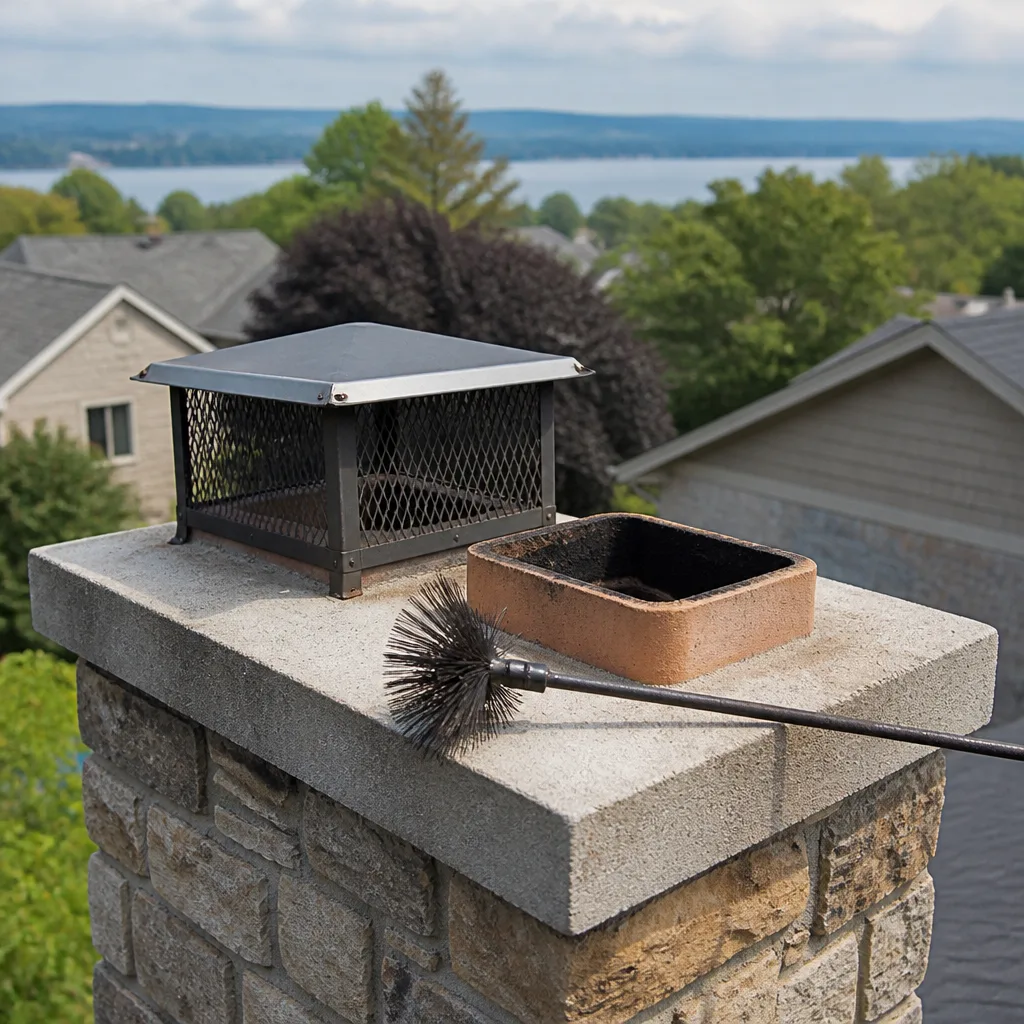 Sweep & inspection
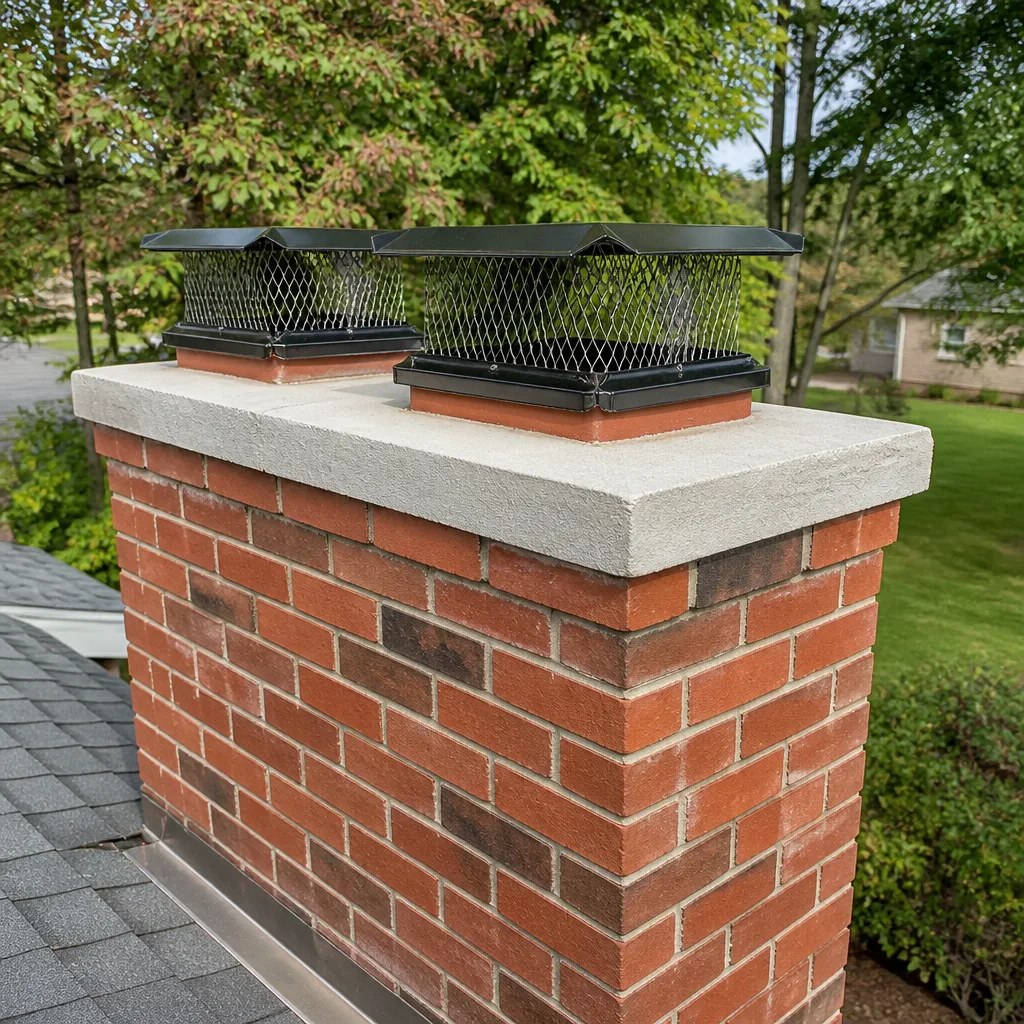 Caps & crowns
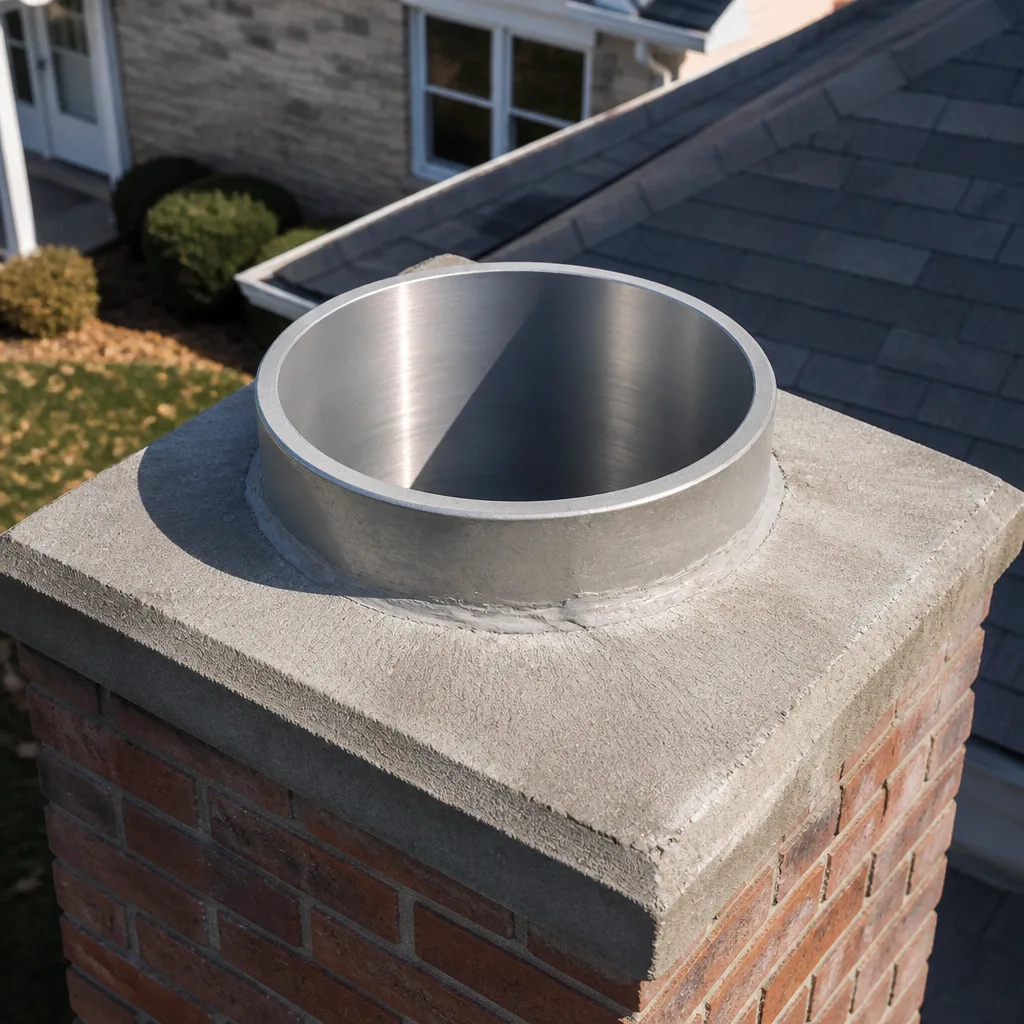 Flue relining
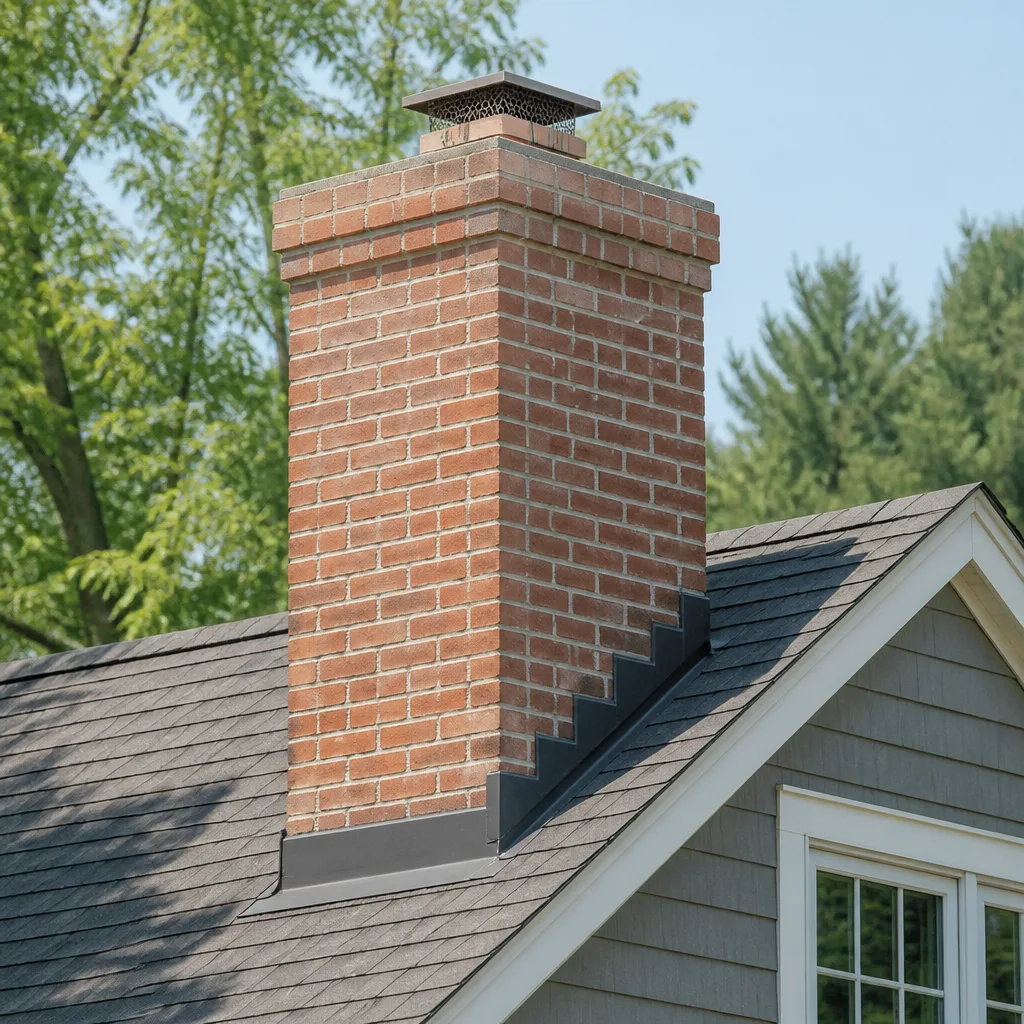 Masonry repair
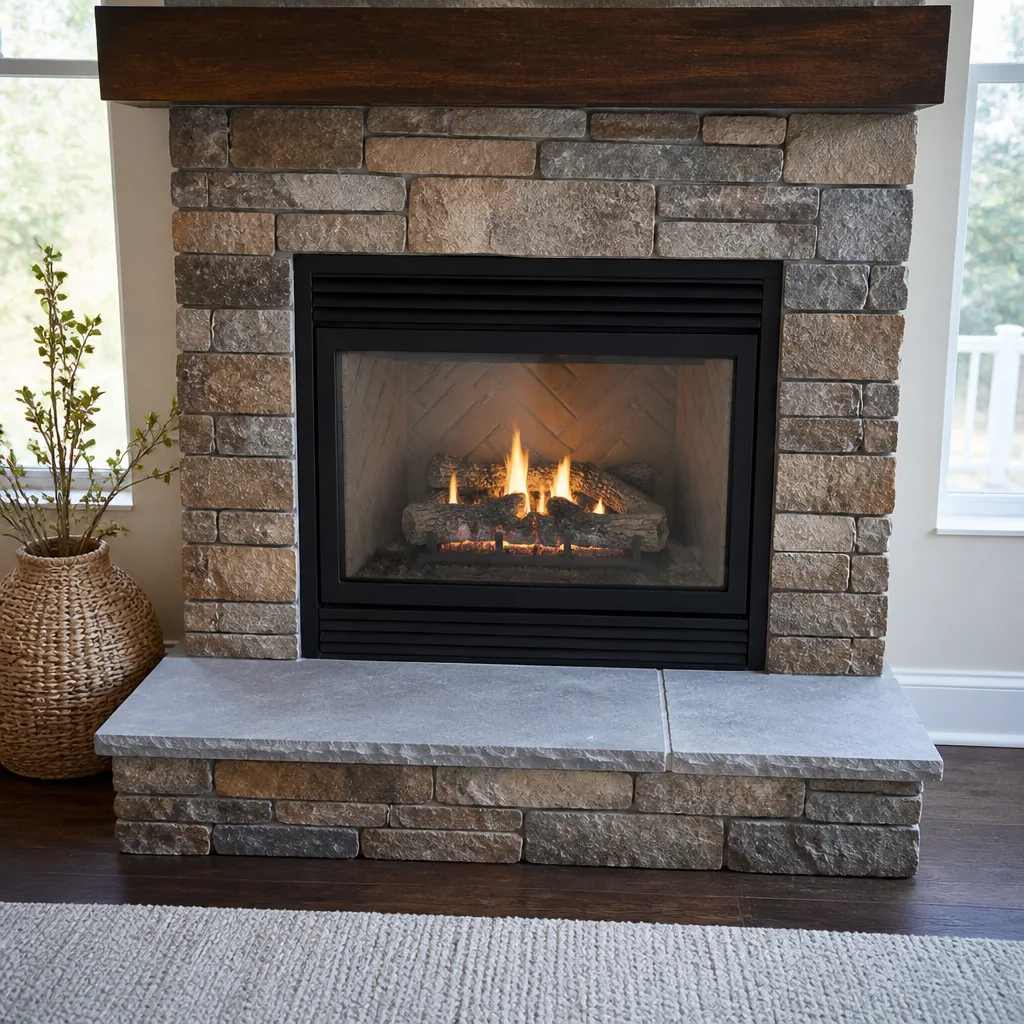 Gas fireplace service
Level 1 sweep and inspection to the NFPA 211 annual standard - flue, crown, cap, and flashing checked and photographed
Chimney sweep logs do not sweep chimneys. They loosen some creosote - which then falls where a brush and vacuum still have to collect it.
Chimney Sweep Troubleshooting in Parkchester: Common Problems and How to Fix Them
A smoky fireplace after a recent cleaning isn’t a sign the sweep did a bad job. It’s usually a sign the wrong problem was treated entirely. We hear the same story from Parkchester homeowners: the flue got brushed, the fireplace still smokes, and nobody explained why. Cleaning removes creosote, but it does nothing for a failing damper, a blocked cap, or a flue that’s too short for the building it serves. This guide walks through the real failure points behind the most common chimney complaints in Parkchester, how to tell them apart before you call anyone, and which findings mean stop using the fireplace today versus which can wait for a scheduled visit.
Quick Answer
Most chimney problems in Parkchester fall into one of four categories: creosote or blockage, draft and pressure failure, water intrusion through the crown or cap, or a mechanical failure like a damper or liner joint. A sweep fixes the first. The other three need diagnosis and repair, and cleaning alone will mask them rather than solve them. The fastest way to sort your symptom into the right category is to observe the smoke behavior and the timing of the smell, then have the flue inspected with a camera before agreeing to any work.
Styles & brands we work with
- Sweep & inspection
- Caps & crowns
- Flue relining
- Masonry repair
- Gas fireplace service
Table of Contents
- How do you tell creosote buildup from a draft problem?
- Why does your house smell like smoke when the fireplace isn’t lit?
- What does a crackling or spalling sound inside the flue mean?
- Damper failure, flue blockage, or cap issue: how to tell them apart
- Water stains, rust, and the Parkchester crown problem
- When a chimney must come out of service immediately
- What a proper troubleshooting visit looks like
- What can safely wait for a scheduled visit
How do you tell creosote buildup from a draft problem?
Creosote and draft problems produce smoke that behaves differently, and you can watch the difference from your own living room. Creosote-related smoke tends to appear late in the burn, after the fire has been going for a while, and it often comes with a strong, sharp, tar-like odor. Draft-related smoke appears early, sometimes the moment you light the fire, and it spills out in a steady roll rather than building gradually. The distinction matters because a sweep removes creosote, but a sweep cannot fix a draft that’s caused by pressure, geometry, or a cold flue.
Here’s the smoke behavior test we recommend. It’s observation only, not a repair, and it takes about ten minutes on a calm day:
- Open a window on the same floor as the fireplace by about an inch, then light a small fire. If the smoking stops or drops sharply, you’re looking at a pressure problem, not a buildup problem.
- Hold a lit incense stick or a piece of smoldering paper near the open damper before lighting anything. Watch which way the smoke drifts. It should pull upward into the flue. If it hovers, curls back into the room, or drifts sideways, the flue isn’t drawing.
- Note when the smoke appears: at ignition or two hours in. Early smoke points to draft. Late smoke points to buildup or a partially closed damper.
- Note the weather. Smoke problems that only happen on windy days or only on mild, damp days point to pressure and stack effect, not to how much creosote is on the walls.
In Parkchester, we see draft complaints cluster in two situations. Mid-rise apartment buildings and the taller brick buildings around the Oval create pressure imbalances between units that push smoke back down a flue. And in the cooler months, a cold exterior chimney takes longer to warm up, so the first fire of the day spills smoke until the flue heats. Neither of those is a sweeping problem, and neither gets better with another brush pass.
One legitimate rule of thumb: if the inside of the firebox looks heavily glazed or has a fuzzy black coating, that’s a creosote finding, and a chimney sweep is the right first move. If the firebox looks clean but the room still fills with smoke, you’re in troubleshooting territory.
Why does your house smell like smoke when the fireplace isn’t lit?
A smoke smell in the house with no fire burning has four distinct causes, and each one requires a different fix. Treating all four with a sweep is the most common waste of money we encounter. The four are: negative pressure pulling flue gases back into the living space, a leaky or disconnected flue section, creosote odor migrating through a porous chimney chase, and a downdraft pushing cold air and old smoke down the stack.
1. Negative pressure
This is the most common and the most misdiagnosed. Bathroom fans, kitchen exhaust hoods, dryers, and even a tightly sealed modern house can pull air out of the living space faster than the chimney can replace it. The chimney becomes the path of least resistance, and air flows backward. You smell smoke because flue gases are actually coming down. The test: turn off every exhaust fan in the house, then smell again. If the odor fades within an hour, pressure is your cause.
2. A leaky flue
Old masonry flues develop gaps at the mortar joints and at the throat. Those gaps vent smoke odor into the wall cavity and eventually into the rooms above. A crack you can’t see from the firebox will show up clearly on a camera inspection. HeatShield ceramic resurfacing is the repair we recommend for joint failure that hasn’t destroyed the flue structure, because it seals the joints from the inside without a full reline.
3. Creosote odor
Creosote has a real smell, especially in warm, humid weather. It’s the tar-like scent that gets stronger in summer, when the chimney is cool and the house is warm. That’s the reverse stack effect pulling creosote odor down into the living space. It usually clears with a proper sweep, provided the creosote deposit is at the stage where sweeping removes it.
4. Downdraft
Downdraft is a cold-weather problem. The flue is colder than the outside air, heavy cold air sinks, and the smell of last season’s smoke comes down with it. If your smoke smell shows up on the first cold morning of the year and fades once the heat is running, downdraft is the likeliest cause.
If you can’t narrow it to one, that’s a legitimately good reason to book an inspection rather than guess. A camera pass tells you which of the four you’re dealing with, and the photo report gives you something to look at yourself instead of taking our word for it.
What does a crackling or spalling sound inside the flue mean?
A flaking, crackling, or popping sound inside the flue during a fire is a structural warning when it comes from the chimney wall and an acoustic quirk when it comes from the firebox or the flue liner itself. Homeowners rarely distinguish between the two, and the difference is the difference between a routine visit and taking the fireplace out of service. Here’s how to sort them.
- Falling debris in the firebox: If you find flakes of masonry, chunks of mortar, or clay tile fragments in the firebox after a fire, the flue lining is breaking down. That’s structural, and it needs attention before the next burn.
- Popping in the wall above the fire: Sounds that seem to come from inside the wall rather than the firebox usually point to spalling in the outer chimney masonry. Spalling is what happens when water gets into brick or mortar and the freeze-thaw cycle splits the surface. In Parkchester, with real winter cycles, spalling is one of the more common masonry findings we see on older chimneys.
- Low metallic popping during heat-up: A metal flue liner expands as it heats, and the sound of that expansion can carry up the chimney. If the sound is brief, happens only on light-up, and stops once the fire is established, it’s usually thermal, not structural.
- Continuous crackling with visible cracks: If you can see cracks at the damper frame or the firebox joints, the crackling could be air and gases forcing through them. That’s a stop-and-inspect situation.
What makes the sound hard to place is that the chimney is a resonant column. A sound from the firebox reflects up the flue, and a sound from the top of the stack can echo down into the room. That’s why a camera inspection is the reliable way to know: the camera travels the flue and you see the actual interior, joint by joint. When the flue lining is failing across a wide section, a DuraFlex flexible liner system gives you a continuous new interior surface, and the camera report shows exactly why it’s needed. You don’t have to infer it from sound.
Until the camera says otherwise, treat falling debris and visible firebox cracks as a reason to stop burning and book a visit.
Damper failure, flue blockage, or cap issue: how to tell them apart
Damper failure, flue blockage, and cap problems all produce inadequate draft, but they present at different points in the burn, with different sounds, and with different secondary signs. The short version: a damper failure is a mechanical problem at the throat, a flue blockage is a physical restriction higher up, and a cap issue lives at the top of the stack. Here’s how to think through the difference.
- Check the damper handle first. A damper that moves freely but doesn’t seat flat, or one that feels stuck or loose, points to a mechanical failure. If the handle moves with no resistance at all, the damper plate may have dropped out of its frame. That’s a damper repair, not a cleaning.
- Look up the flue with a strong light after the chimney is cold. You should see daylight if the cap screens are clear and the flue is open. No daylight is a sign of blockage or a severely damaged cap. Nighttime with a flashlight shining up from the firebox works well for this.
- Listen for animal sounds. Birds and squirrels nest on top of chimney caps and sometimes work down into the flue. Scratching or fluttering during the fire is a blockage sign, and it’s a reason to stop using the fireplace.
- Check the outside for rust and staining. A cap that’s lost its screen or is rusted through lets water in and blocks exhaust. Water streaks on the top of the chimney in Parkchester’s wind-driven rain pattern are a cap issue more often than they’re a flue issue.
- Assess the fire behavior. A blockage produces a fire that struggles to catch and smolders. A damper failure produces a fire that catches well but smokes whenever the damper is in the “open” position. A cap issue produces occasional poor draft, usually on windy days or when the fireplace hasn’t been used recently.
Famco and Copperfield caps both give you a proper screened top that keeps out rain, animals, and debris while allowing exhaust out. A cap that’s been sitting on an older masonry stack for a long time is one of the first things we check on a troubleshooting visit, because the fix is often a new chimney cap & crown rather than anything inside the flue itself.
Water stains, rust, and the Parkchester crown problem
Water is the most destructive thing that happens to a chimney, and the culprit is usually the crown. The crown is the sloped concrete cap at the very top of the masonry stack that sheds water away from the flue. When it cracks, water runs into the chimney body instead of off it. From there, it soaks into the brick, finds the flue, and works its way down. The signs show up indoors first: a stain on the ceiling near the chimney, a trickle down the firebox wall, rust on a metal damper, crumbling mortar in the firebox, or a sulfuric smell from the firebox when it’s damp.
Parkchester’s building stock makes this a more common finding than it might be in newer construction. The apartment buildings and row-style homes in the neighborhood often have masonry chimneys built to accommodate multiple flues, and each flue crown needs its own slope and seal. On a multi-flue stack, a crack in the crown serving one flue can wet the brick that serves all of them. That’s why a crown inspection has to look at the whole top of the stack, not just the flue over your fireplace.
The repair options, from least to most invasive
- Crown sealing: A flexible, waterproof coating applied to a sound crown stops minor surface cracking from turning into water entry. Appropriate when the crown is intact and just showing hairline cracks.
- Crown rebuild: When the crown is cracked through, delaminated, or sloping the wrong way, it gets cut back and repoured with a proper pitch and overhang. This is the fix that solves the problem at the source.
- Cap replacement or addition: A properly screened cap keeps rain out of the flue and off the crown surface. Gelco and Olympia Chimney cap options cover a range of flue sizes and stack configurations.
- Masonry repair: Spalled brick, missing mortar joints, and damaged flashing get addressed as part of a chimney repair visit. Flashing where the chimney meets the roof is a frequent leak point and gets overlooked when the complaint is “the chimney leaks.”
Water problems get worse with each freeze-thaw cycle, and in Parkchester the masonry takes a real beating over a winter. A crown crack that’s small now is often a crown rebuild by spring. That’s the honest reason to have the top of the stack checked before the cold sets in.
When a chimney must come out of service immediately
Some troubleshooting findings mean stop using the fireplace today. Others are next-visit work. The line between the two is whether the finding compromises the flue’s ability to contain fire and gases, or whether the flue is outright blocked. Here’s the criteria we use:
- Visible cracks through the flue lining: Any crack that goes through the full thickness of a clay tile or through a metal liner joint is a containment failure. Smoke and carbon monoxide can pass into the house through those cracks. Stop burning until it’s repaired.
- Disconnected or missing flue sections: A flue that’s come apart, or one that’s never been lined properly, vents exhaust into the structure. That’s an out-of-service finding, full stop.
- Heavy creosote at the third-stage level: Third-stage creosote is the glazed, hardened, fuel-rich deposit that ignites at the temperature of an ordinary fire. If a sweep or camera finds it, the flue cannot be burned until it’s removed. A chimney fire in that condition is a real hazard, not a rhetorical one.
- Any blockage from animals, nests, or debris: A blocked flue forces smoke and carbon monoxide back into the room. Take the fireplace and any connected appliance out of service until it’s cleared.
- Damper that won’t open fully: A partially closed or jammed damper can’t be used safely because you can’t control the burn or the exhaust. Stop burning and get it repaired.
Carbon monoxide is the reason we’re firm about this list. A leaky flue can release CO into the living space with no visible smoke and no obvious warning beyond a headache. Stop using the chimney if a finding on this list turns up, and have the finding confirmed with a camera before you light another fire. Anything not on this list is generally a scheduled-visit problem, not an emergency.
What a proper troubleshooting visit looks like
A troubleshooting visit is not a sweep. It’s a diagnostic call that starts with understanding what you’re experiencing and ends with a camera-verified finding and a written estimate. Here’s what a competent visit includes:
- Intake and symptom review. When does the problem happen? At light-up or late in the burn? Only on windy days? Only in winter? Your answers steer the whole diagnosis.
- Exterior inspection of the stack. Crown, cap, flashing, masonry joints, and the top of the flue, looked at from the roof or from a safe vantage.
- Firebox and damper examination. Damper operation, throat condition, firebox joints, and the visible portion of the flue.
- Camera inspection of the flue. This is the part that turns guesses into findings. The camera shows the flue interior from the damper to the top, and the photo report goes to you, not just into a file.
- Sweep if needed. If the creosote load warrants it, the sweep happens as part of the visit.
- Written findings and estimate. Anything beyond the sweep gets priced on paper, per job, before you approve it.
We do every one of these under a single visit, and we work only on chimneys and fireplaces. That’s the whole reason we can tell a damper problem from a pressure problem from a crown problem without handing you off to a second contractor. We bring HeatShield ceramic resurfacing for flue joint repair, DuraFlex liner systems when a reline is the right call, and Olympia Chimney, Gelco, Famco, and Copperfield components for the cap and crown work. Most of what a Parkchester homeowner needs on a troubleshooting visit can be diagnosed, priced, and in many cases finished without a second trip. You can see the whole scope of what we do on the Chimney Sweep Parkchester page.
One note on pricing and verification: we work from a written estimate, and nothing gets recommended without camera evidence you can look at yourself. If a finding is a “monitor it” and not a “repair it now,” we’ll say so.
What can safely wait for a scheduled visit
Not every chimney finding is urgent, and telling you the difference is part of the job. Here’s what can generally wait for a scheduled visit, provided nothing on the stop-use list above has turned up:
- Hairline crown cracks with no water intrusion indoors. Worth sealing at your next visit, low risk in the short term.
- A missing or loose cap screen. Get it fixed before wildlife season, but a missing screen alone doesn’t stop you burning.
- Mild smoke smell that clears with the chimney warm. If it only happens on the first cold morning, it’s a downdraft finding that can be scheduled.
- Cosmetic spalling on exterior brick above the roofline. Freeze-thaw will keep working on it, so schedule it, but the masonry isn’t going to fail the next time you build a fire.
- An aging damper that operates but doesn’t seal tightly. It’s costing you heat and draft efficiency; schedule the replacement rather than treat it as urgent.
What ties these together is that none of them compromise containment of the fire or the exhaust. Any finding that does gets moved to the stop-use column and handled first. We’d rather tell you what can wait than sell you a repair you don’t need yet.
Common Mistakes to Avoid
- Booking a sweep for a smoke complaint without a camera inspection. If the flue has a crack, joint failure, or a damper that won’t seat, the sweep cleans the walls and the smoke problem stays. A sweep without an inspection only tells you half the story.
- Assuming a smoke smell is always creosote. The four causes (pressure, leak, creosote odor, downdraft) need four different fixes, and treating all four with a cleaning wastes your money and lets the real problem keep working.
- Sealing a crack at the firebox without checking the flue above it. A crack you can reach isn’t necessarily the crack that’s leaking. Camera evidence first, repair second.
- Ignoring a small crown crack until spring. Freeze-thaw cycles in Parkchester turn hairline cracks into real openings over the winter. Sealing a sound crown is far cheaper than rebuilding it.
- Burning through third-stage creosote because the fire “looks fine.” Glazed creosote ignites at ordinary fire temperatures. It’s a stop-use condition, not a wait-and-see condition.
- Replacing the cap to solve a draft problem. A new cap won’t fix negative pressure from exhaust fans or a flue that’s too short. Diagnose the category before you buy a part.
- Letting a generalist contractor try the repair. A handyman who does chimneys on the side won’t have the liner systems, the ceramic resurfacing, or the camera equipment to diagnose and fix the finding properly. Chimney and fireplace is what we work on, exclusively.
See the difference
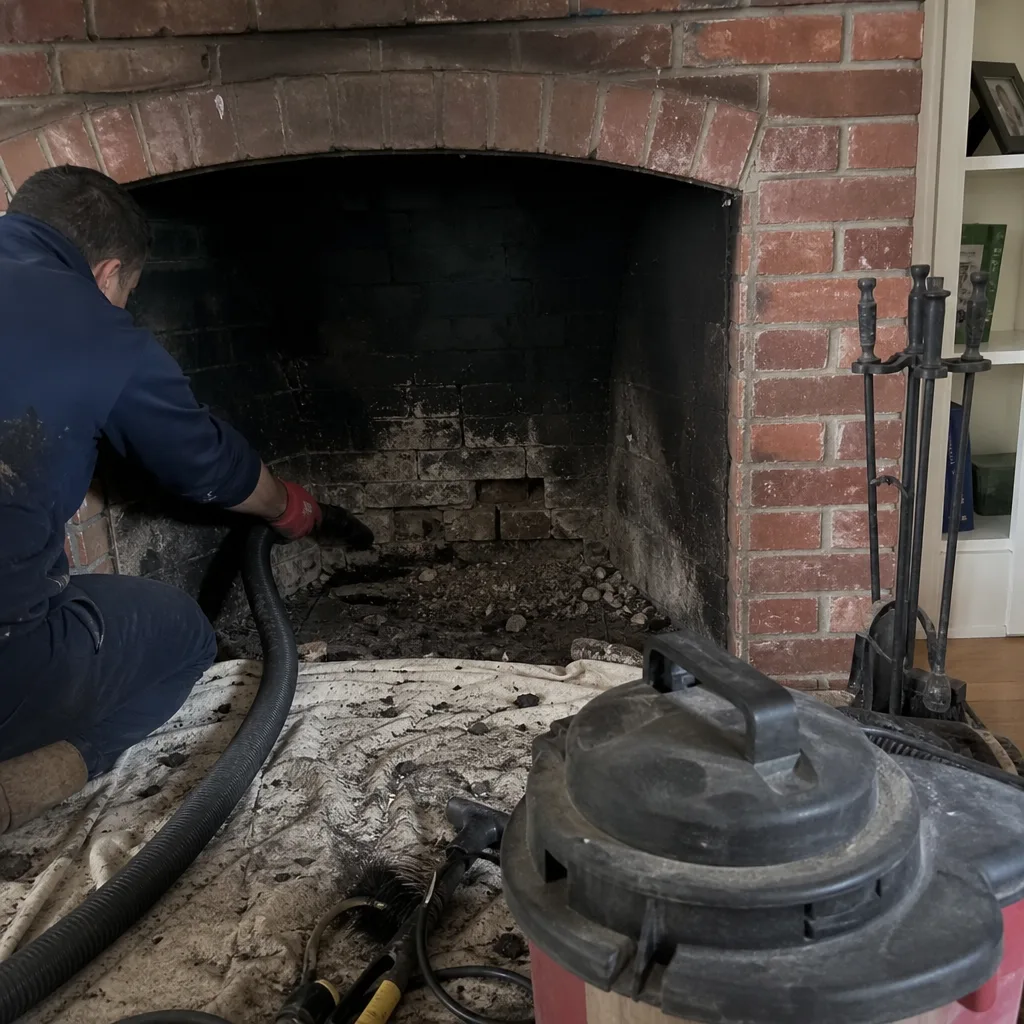 Before
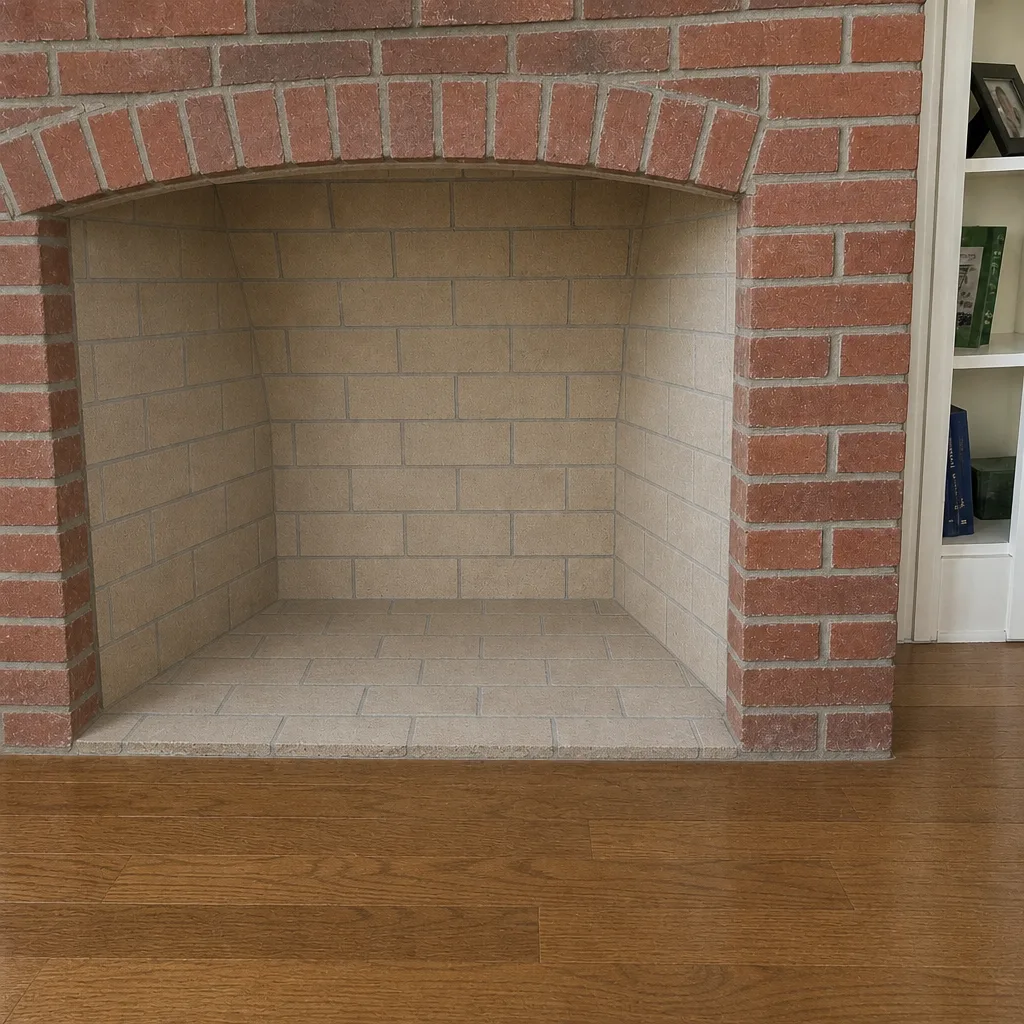 After
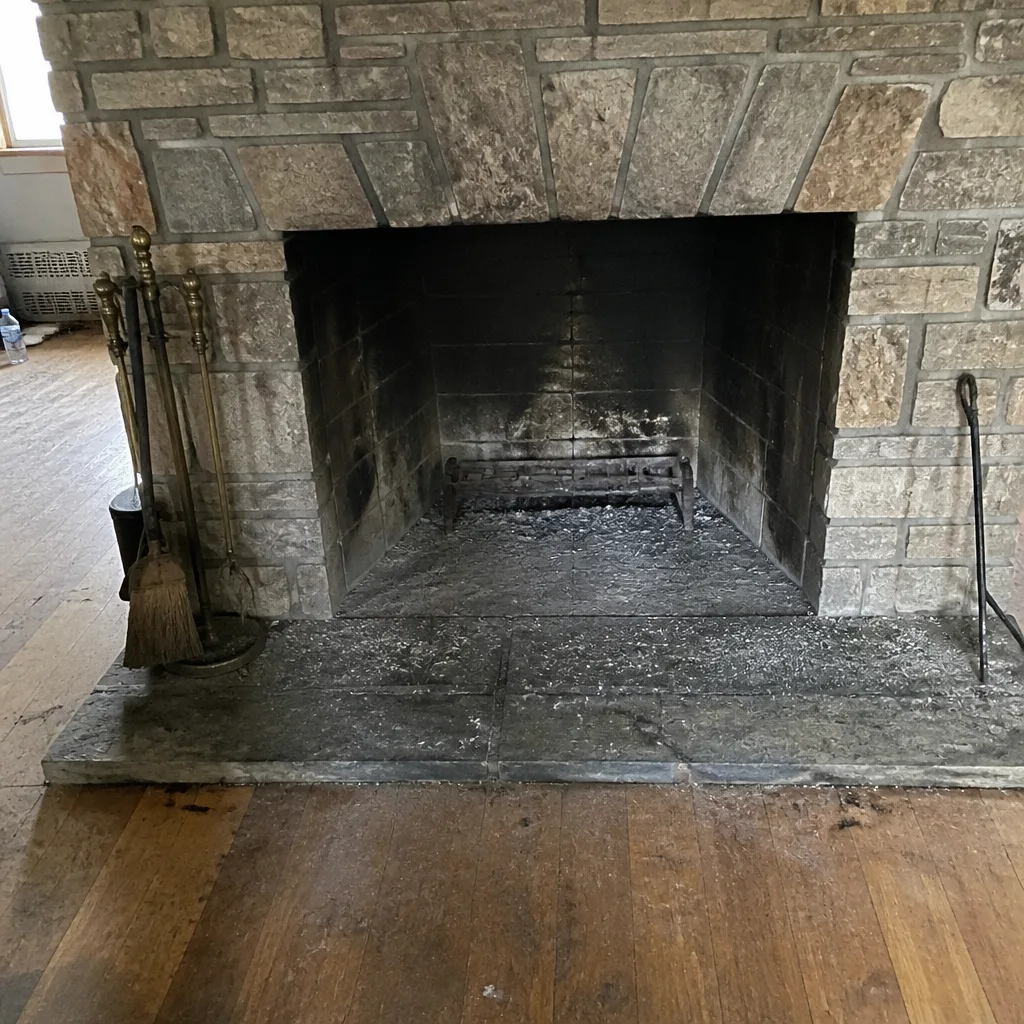 Before
 After
 Before
 After
When to Call a Professional
Call a professional if you find masonry debris in the firebox, if you can see cracks through the flue lining, if smoke rolls into the room after the fire catches, if you smell smoke in the house when no fire is burning, or if your fire struggles to catch at all. Call immediately if you hear animal sounds in the flue, if the damper won’t open fully, or if anyone in the household has been getting headaches during or after fires. Those are stop-use conditions, and they need a camera inspection, not a guess. Chimney Sweep Parkchester offers free estimates in Parkchester. Our technicians have up to 8 years of experience. Call (855) 550-7313. We answer 24/7. Fast dispatch from 7am to 7pm, Sunday through Friday.
Frequently Asked Questions
An inspection with a camera and photo report is typical as a diagnostic call, and the price is set per job by a written estimate before we book the visit. The estimate itself is free. The written estimate is what sets the final price, and we don’t quote a dollar figure before we’ve seen the flue. Call (855) 550-7313 for an exact quote. Estimates are free.
A sweep is enough when the finding is creosote buildup on an otherwise sound flue. If the camera shows failed joints, cracks through the tiles, or a flue that’s come apart, a liner is the repair, and a sweep on top of that condition is wasted money. HeatShield ceramic resurfacing can restore joint integrity across a wide section of flue without a full reline, and that’s worth asking about by name before you agree to a complete liner replacement. Call (855) 550-7313 and we’ll show you the camera finding before recommending either one.
Smoke at light-up is almost always a cold-flue draft problem, not a creosote problem. The flue is colder than the room, the air inside it is heavy, and it takes a few minutes for the flue to warm enough to draw. Warming the flue before lighting helps, and weatherstripping around the flue cap and a proper cap screen can make it worse or better depending on the cause. If it happens only on cold mornings or only on windy days, it’s a pressure finding that a camera and downdraft inspection will sort out. Call (855) 550-7313 for a diagnostic visit.
If the finding is creosote on a sound flue, you lose draft efficiency and heat, and the creosote load keeps growing until the sweep is harder and costlier than it needed to be. If the finding is a crack or containment failure, exhaust gases including carbon monoxide can pass into the living space every time you burn. If it’s a blockage, smoke backs up into the room. That’s the difference between an inconvenience and a real hazard; a camera inspection tells you which one you have. Call (855) 550-7313 before you light the next fire.
A failing damper is a mechanical problem you can usually feel at the handle: it moves without resistance, won’t seat, or sticks partway. A blockage is physical debris or animal nest material in the flue, and you’d typically see no daylight when you look up with a light. Both produce poor draft, but the fixes are entirely different. A camera inspection from the damper to the top tells you which it is. Call (855) 550-7313 for a same-visit diagnosis and a written estimate.
A chimney that’s used regularly should be inspected once a year, and more often if you burn a lot of wood or notice any of the symptoms in this guide. A chimney that hasn’t been inspected in several years should be checked before it’s used again, given that Parkchester sees real winter freeze-thaw cycles on the masonry. Annual inspection is the cheapest way to catch a crown crack or a joint failure while it’s still a small repair. Call (855) 550-7313 to schedule one.
The Bottom Line
Almost every chimney complaint in Parkchester falls into one of a handful of categories, and knowing which category yours belongs in is the difference between a repair that solves the problem and a cleaning that hides it for a season. If the smoke appears late in the burn with a strong smell, it’s creosote. If it appears at light-up or only under certain weather, it’s draft. If the house smells like smoke with no fire, sort out pressure, leaks, odor, and downdraft before doing anything else. If there’s falling debris, a jammed damper, or animal evidence, take the fireplace out of service and get a camera inspection. Every recommendation we make comes with photos you can look at yourself, and the written estimate sets the price before we start the work.
If your troubleshooting has run into something you can’t sort out from the living room, call us. Chimney Sweep Parkchester works only on chimneys and fireplaces, we bring HeatShield, DuraFlex, Olympia Chimney, Gelco, Famco, and Copperfield products to the visit, and we’ll tell you plainly what can wait and what can’t. Call (855) 550-7313 for a free estimate. We answer 24/7. Fast dispatch from 7am to 7pm, Sunday through Friday.
Written by the team at Chimney Sweep Parkchester.