
Last updated November 25, 2026
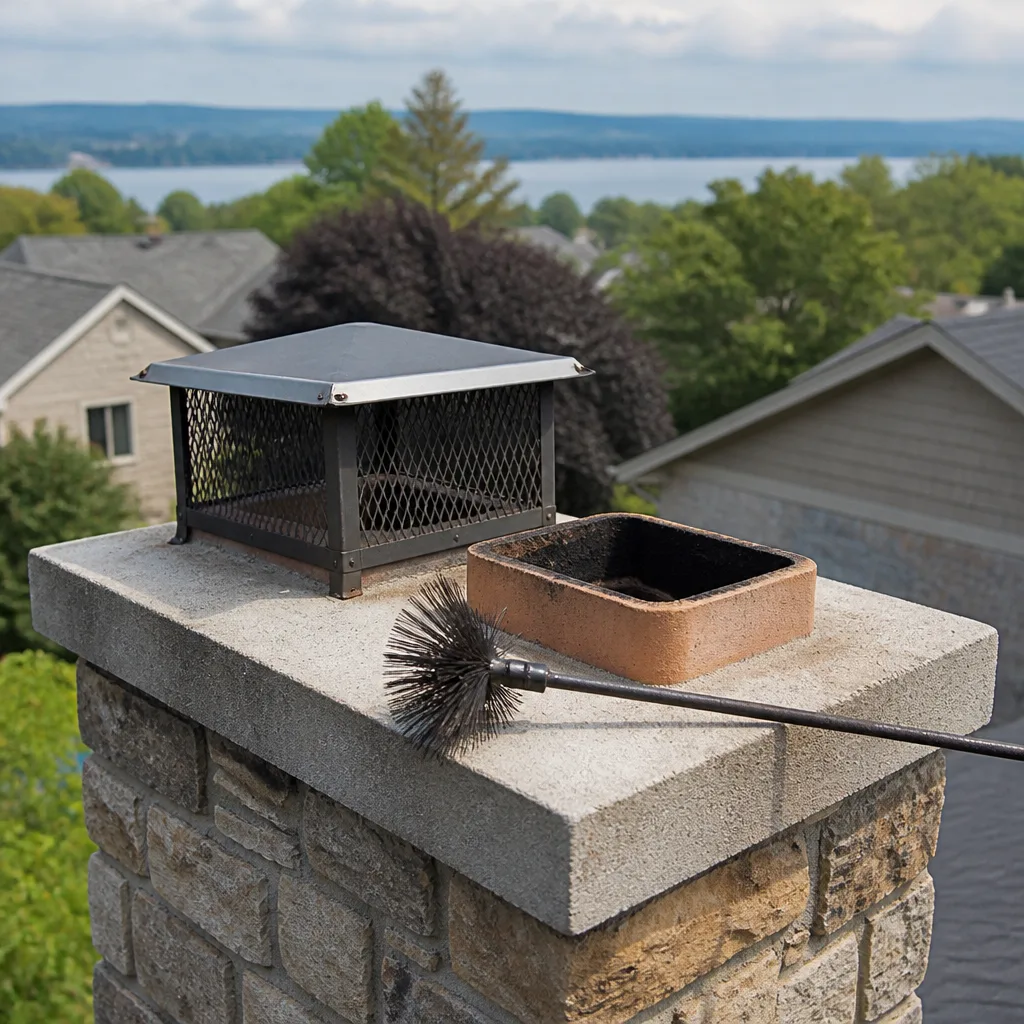 Sweep & inspection
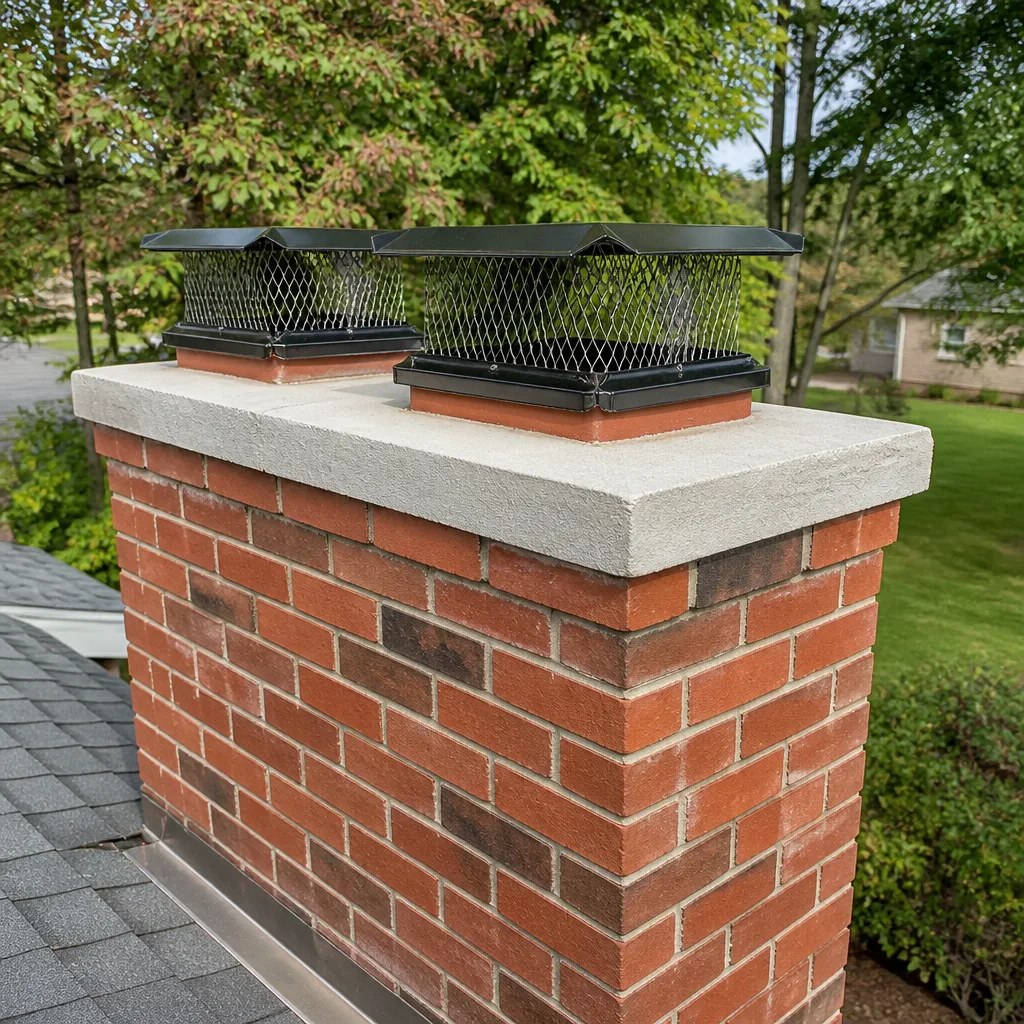 Caps & crowns
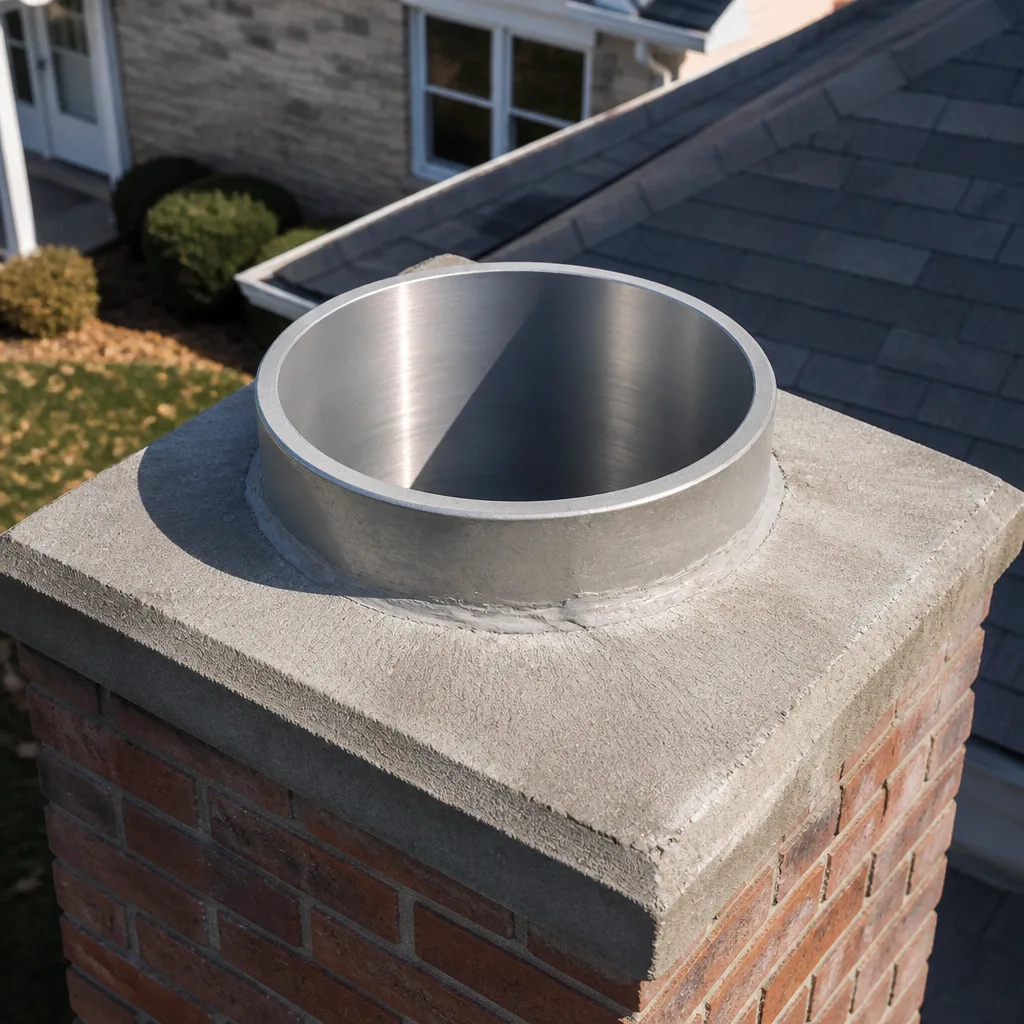 Flue relining
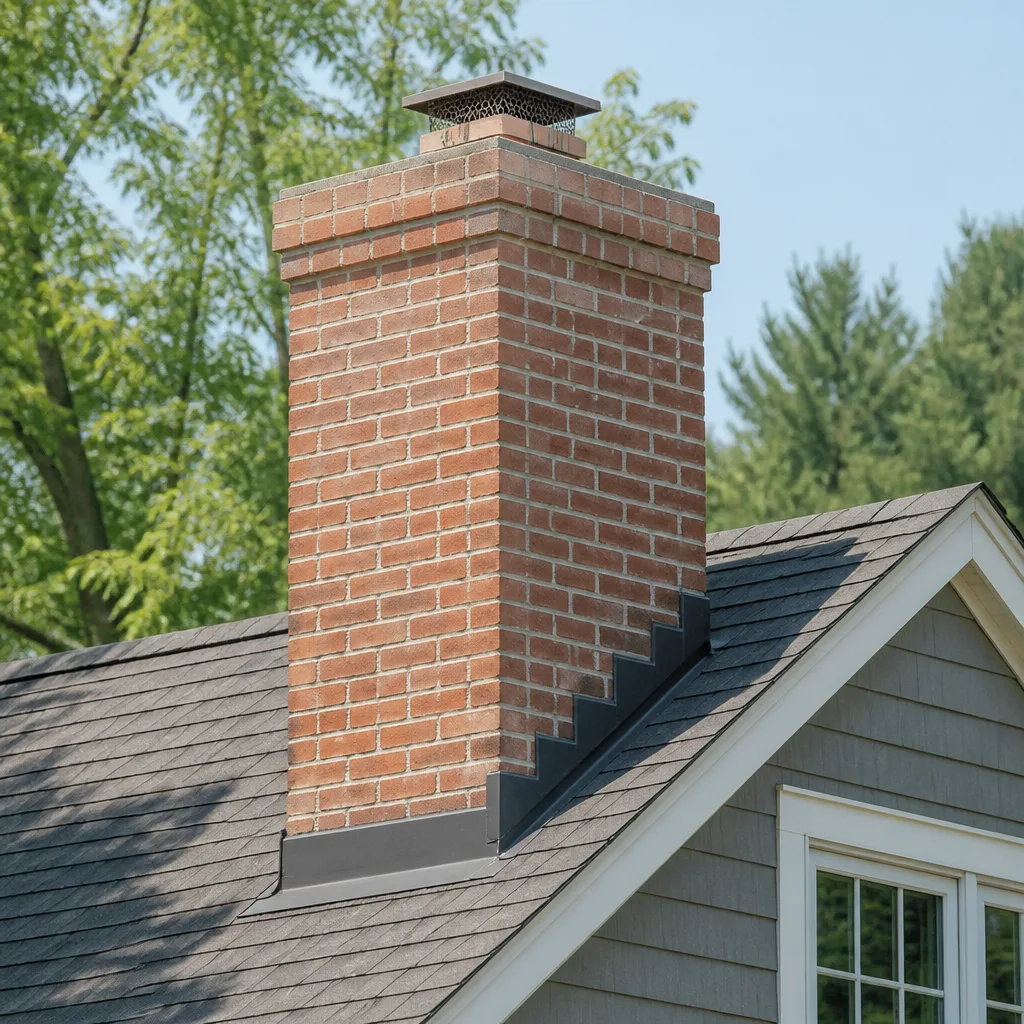 Masonry repair
 Gas fireplace service
Level 1 sweep and inspection to the NFPA 211 annual standard - flue, crown, cap, and flashing checked and photographed
Chimney sweep logs do not sweep chimneys. They loosen some creosote - which then falls where a brush and vacuum still have to collect it.
Chimney Sweep Maintenance Checklist for Parkchester Homeowners
Scheduling a sweep every twelve months no matter how much wood you burn is the most common and most expensive misunderstanding in chimney care. A household burning two cords of hardwood needs service on a very different trigger than one lighting six fires a season, and treating both on the same calendar is how homeowners end up either paying for cleanings they didn’t need or running a creosote-loaded flue for months. A maintenance checklist only earns its keep when it tracks the actual condition of your chimney system, not the date on the wall calendar. This guide gives Parkchester homeowners a condition-based checklist: burn-volume triggers, seven signs you can check yourself, the difference between masonry and liner issues, a post-storm routine, and a service log that carries continuity between appointments.
Quick Answer
A good chimney maintenance checklist tracks condition, not just dates. Check the cap, damper, exterior brick and interior flue for the seven physical signs covered below several times a year, count how many cords you actually burn to set your sweep interval, and log every inspection, sweep and deferred repair so the next appointment starts with history instead of guesswork. For most Parkchester homes that means a sweep roughly every cord burned, an annual visual inspection, and a post-storm walkaround after any high-wind event.
Styles & brands we work with
- Sweep & inspection
- Caps & crowns
- Flue relining
- Masonry repair
- Gas fireplace service
Table of Contents
- How Burn Volume Should Set Your Sweep Schedule
- Seven Signs You Can Check Yourself
- Masonry Items vs. Liner Items: Which Trade Do You Actually Need?
- A Post-Storm Checklist for Parkchester Weather
- Building a Service Log That Actually Helps
- Where DIY Checks End and a Specialist Begins
- Seasonal Timing for an Active Fireplace
- Reading Your Checklist: When the Signs Point to Service
How Burn Volume Should Set Your Sweep Schedule
Chimney sweeping intervals should be tied to the amount of fuel you actually burn, not the calendar. Creosote accumulates in proportion to how much smoke passes through the flue, and a household burning heavily through a snowy winter builds the same deposit in three months that a light user might take years to accumulate. The most reliable trigger is a cord count.
A full cord is 128 cubic feet of stacked firewood, typically a stack four feet high, four feet wide and eight feet long. Half of that is a face cord. Most fireplace users in Parkchester underestimate what they burn, so count the stacks you actually purchase and burn across a full heating season rather than guessing.
Once you have that figure, use it as a starting point:
| Seasonal wood burned | Typical sweep cadence | What to watch |
|---|---|---|
| Under half a cord | Inspect yearly, sweep as inspection indicates | Even light use builds glaze on cool flue walls over time |
| Half a cord to one cord | Sweep once per season | Check the firebox throat for early soot buildup |
| One to two cords | Sweep once, mid-season recheck | Creosote forms fast in the top third of the flue |
| Two cords and above | Sweep every cord burned | Stage-three glazed creosote becomes possible; sweep proactively |
| Gas fireplace (no wood) | Annual inspection, sweep rarely required | Watch for debris, bird nests and blockages |
The other half of the equation is the wood itself. Seasoned hardwood under 20 percent moisture burns hot and clean. Wet or green wood produces heavy smoke that deposits creosote quickly, so a household burning one cord of seasoned oak may have a cleaner flue than a household burning half a cord of wet pine. Our chimney sweep covers the cleaning itself, but the burn volume matrix here is what tells you how often to schedule one.
The two-cords-and-above trigger is where most Parkchester homeowners get caught out. Multifamily conversions and older rowhouse units often share a flue with a neighbor, and both households’ burn volume stacks into a single vent. Count your neighbor’s burn into the total if the flue is shared.
Seven Signs You Can Check Yourself
You don’t need training to spot the seven conditions below, and each one has a pass/fail test you can run in a few minutes without any tools. The goal is to make you a diagnostic partner in your own chimney maintenance, not a passive customer waiting for an annual appointment.
- Cap condition. Stand back from the house and look at the chimney top. Pass: cap sits flush, mesh intact, no rust holes or missing panels. Fail: cap tilted, displaced, mesh torn, or the top missing entirely. A missing cap is a direct invitation for rain, birds and debris into the flue.
- Efflorescence on exterior brick. Pass: exterior brick clean and dry. Fail: white powdery staining, a chalky bloom or a dark tide line at the base of the stack. Efflorescence means water is moving through the masonry and depositing salts on the surface.
- Damper movement. Open and close the damper from the firebox with your hand (cold chimney only). Pass: the plate swings freely from full open to full closed. Fail: the plate sticks, doesn’t seal, rattles, or the handle comes loose.
- Odor type. Pass: no smell when the fireplace is idle. Fail: a sharp creosote smell in warm weather, a musty or damp smell, or a smoky draft even when the fireplace is closed. Each points to a different underlying issue.
- Smoke at startup. Pass: smoke rises cleanly up the flue within a few seconds of lighting. Fail: smoke rolls out of the firebox into the room, or the fire struggles to establish draft. This often reflects a cold flue, a blockage, or a chimney that’s too short for the firebox opening.
- Firebox staining. Pass: firebox brick looks even, joints tight. Fail: soot streaks running up the back wall, dark smoky staining on the throat, or glazed deposits on the firebox walls. Those point to poor draft or back-puffing.
- Interior flue staining. Look up the flue with a flashlight from the firebox. Pass: even soot coating, tile joints aligned. Fail: glossy black glaze, white staining at the tile joints, or a visible step or offset in the tiles. Those last two are the signs to flag for a professional.
Recored these results in your service log as you go. A photo of each failure you find gives your sweep something concrete to compare against, and it makes deferral decisions much easier.
Masonry Items vs. Liner Items: Which Trade Do You Actually Need?
Chimney problems split into two categories: masonry issues on the outside or structural shell, and liner issues on the inside flue. Knowing which category your checklist failure belongs to tells you who to call and roughly what the fix will involve. General masons handle brick and mortar; chimney specialists handle both, which matters because the two problems often interlock.
Masonry items are visible from the ground and the roof crown:
- Spalling brick. Faces of the brick pop off, leaving a crumbly, pitted surface. Spalling usually means water is freezing inside the brick during Parkchester’s cold months. Pass: brick faces flat and sound. Fail: any face peeling or crumbling.
- Mortar joint recession. Joints between bricks erode over time and lose depth. Pass: joints flush or slightly recessed. Fail: joints recessed more than a quarter inch, or any joint where the mortar has fallen out entirely.
- Crown cracking. The crown is the concrete cap at the top of the masonry stack. Pass: crown intact with no visible cracks. Fail: any crack wider than a hairline, or the crown separating from the flue tile. A cracked crown lets water straight into the masonry.
- Chimney leaning. Pass: vertical. Fail: any visible lean, which points to foundation or footing movement and needs prompt attention.
Those masonry items are what our chimney cap & crown and repair work addresses directly. Water-driven masonry damage is the most common repair call we see in Parkchester, mostly because the crown cracked seasons ago and nobody noticed.
Liner items are visible from inside the firebox looking up, or from a camera inspection:
- Tile offset. Clay flue tiles should stack in a straight line. Pass: smooth alignment. Fail: a visible step, gap, or misaligned joint where smoke and heat can escape into the masonry cavity.
- Interior staining. Pass: even soot coating. Fail: dark streaks on the interior masonry beyond the tile line, or white deposits at the tile joints signalling moisture infiltration from the outside.
- Glazed creosote. Pass: light, friable soot or ash. Fail: hard, shiny, tar-like deposits. Stage-three glazed creosote is a real chimney fire risk and needs specialist removal, not a standard sweep.
- Cracked tile. Pass: continuous tile walls. Fail: visible cracks, missing tiles, or gaps between the tile and the masonry shell.
When tiles are offset or the flue is compromised but the masonry structure is sound, HeatShield ceramic resurfacing restores the interior without a full reline. When the flue is oversized, cracked entirely, or lined for the wrong fuel type, a DuraFlex flexible liner is the correct fix. Our chimney repair service evaluates both, so you’re not left guessing which trade you need.
A Post-Storm Checklist for Parkchester Weather
Parkchester sits in a humid continental climate with cold winters and wet springs, so wind-driven rain and freeze-thaw cycles do more damage here than any single storm event. Storms matter because they’re the moments when a cap gets displaced, water gets pushed into the flue, and small masonry problems turn into big ones. Running through this list within a day or two of any high-wind or heavy-rain event catches damage while it’s still cheap to fix.
- Look at the cap from the ground. If the cap shifted, the mesh bent, or any panel is missing, the flue is open to whatever the next storm brings. Note the specific failure.
- Check the crown for fresh cracks. A hairline crack that appeared in the last storm will freeze and widen in the next cold snap. Photograph it before that happens.
- Look for water staining on ceilings and walls near the chimney. A damp patch inside the house after heavy rain points to crown, flashing, or cap failure, not the roof itself.
- Open the firebox and look up. Debris, twigs and leaves pile up at the smoke shelf after windy storms. A quick look saves you a blocked draft.
- Check the damper operation. Water getting into the firebox will often seize the damper plate. If it doesn’t move, moisture is entering the system.
- Listen for water dripping. Any drip sound inside the firebox within hours of a storm is a direct sign the top of the chimney is compromised.
- Check exterior brick for new efflorescence. A fresh bloom of white staining after a storm is a water intrusion signal that wasn’t there before.
If a cap is missing or displaced, don’t burn until a replacement is on. Our Gelco and Famco component stocks cover both masonry and metal cap solutions across a wide range of flue sizes, so the fix usually happens in one visit rather than waiting on a special order.
Building a Service Log That Actually Helps
A service log is worth keeping only if it captures the details the next technician needs. “Swept chimney, all good” isn’t a log, it’s a receipt. What makes a log useful is recording what was done, by whom, what deferred items were flagged, and what condition the system was left in. Continuity between appointments is what turns a checklist into a maintenance history.
Use this template – one row per service visit and one row per self-check:
- Date and season. Note the month and what season it falls in.
- Type of visit. Sweep, inspection, repair, self-check, or storm follow-up.
- Who did the work. Company name and technician, or “self” for your own checks.
- Conditions found. Burn volume estimate to date, cap status, crown status, flue condition, damper status.
- Work performed. What was cleaned, replaced, sealed, or resurfaced.
- Deferred items. Anything flagged for later, with an approximate timeline. Be honest about what’s fine to wait on.
- Photos. Attach at least one photo of the interior flue and one of the exterior cap after the visit.
- Next recommended interval. Either a calendar date or a burn-volume trigger, whichever comes first.
Two lines in the log matter more than any others: the deferred items and the next recommended interval. Those are the two that keep a homeowner from either over-servicing a clean flue or accidentally running a compromised one for a full season. We’ve seen plenty of Parkchester homes where a full liner was quoted elsewhere but the flue just needed a resurfacing; the log is what proves the actual condition.
Where DIY Checks End and a Specialist Begins
The seven signs above, the post-storm walkaround and the burn-volume count are all things a homeowner can do themselves safely, and we encourage it. But four conditions require a trained specialist, and pushing past them invites real danger. High-tension components, electrical connections, gas lines and steep-roof access are the boundaries.
Specifically, call us or another specialist when:
- You see glazed, shiny creosote. Stage-three creosote is a genuine chimney fire risk. Removing it requires specialized tools and a trained hand; a homeowner with a brush makes it worse.
- The cap or crown needs to come off. Getting on a roof, working at height on a masonry stack, and putting weight on a crown is dangerous work. Our technicians have up to 8 years of experience at it; you don’t need to learn.
- The flue has crack, offset, or liner damage. Any tile issue requires a camera inspection to see the full picture. We bring the camera and share the report – you see what we see, before any recommendation.
- The fireplace itself is malfunctioning. Gas connections, pilot assemblies, burner issues and damper hardware belong to a fireplace specialist, not a generalist. We cover fireplace repair as part of the same visit as chimney work, because the appliance and the venting system need to be evaluated as one unit.
The line is simple: anything you can see, count, or photograph from the ground is yours. Anything that involves climbing the roof, opening the flue, or touching gas and high-tension hardware is ours. Our Chimney Sweep Parkchester team works exclusively on chimneys and fireplaces, which is what lets us be specific rather than tentative about what’s safe to defer.
Seasonal Timing for an Active Fireplace
Timing matters as much as frequency. A sweep in late autumn catches the creosote from the previous season before the new heating season starts, so you’re burning into a clean flue. A sweep in spring after the last fire lets you address any winter damage before the freeze-thaw cycle starts the following fall.
In Parkchester, the burn season typically runs from October through April, and the shoulder months of May and September are the cleanest windows for scheduling non-urgent work. That means two distinct points to plan around:
- Pre-season (September-October): The most useful single sweep slot for anyone burning regularly. Get the flue cleaned, run a camera inspection, and address any deferred masonry item so it doesn’t fail under snow load.
- Post-season (April-May): The best time to evaluate winter damage to the crown, cap and exterior brick, because freeze-thaw damage is freshest and most visible right after the thaw. Liner issues also show best when the flue is dry.
Gas fireplace users have a different rhythm. There’s no creosote to clean, but blockages from nesting birds, debris and spider webs can and do happen, and a once-a-year inspection from ground level catches most of it. Any smell of exhaust gas in the room, a yellow rather than blue flame, or soot on the glass are all signals for an immediate professional call; carbon monoxide is a genuine risk and shouldn’t wait.
Between the two planned visits, the self-checks in this guide plus post-storm walkarounds keep you on top of the flue in between. If you’ve deferred a season or two, no judgment – just put the inspection in the calendar before the next heating season, and let the camera tell you what’s actually needed.
Reading Your Checklist: When the Signs Point to Service
A checklist that produces a lot of observations but no decision is worse than no checklist at all. The signs above fall into three clear buckets, and knowing which bucket each one belongs to is what turns data into an action.
- Service now. Glazed creosote, a missing cap, a crown crack that’s letting water in, a firebox that smokes into the room, or any smell of gas from a gas fireplace. These aren’t deferrable.
- Service before next heat. A hairline crown crack, a cap that’s rusting but intact, mortar joint recession, or an efflorescence bloom without visible interior staining. Book before the burn season starts.
- Watch and log. Light soot, minor damper stickiness, seasonal odor that clears with use. Note it in the log and check again mid-season.
Our camera inspection is where that clarity comes from. Every recommendation we make has a photo behind it, so a homeowner can see for themselves whether the flue is genuinely scored, the tile is genuinely cracked, or the repair can safely wait another season. Nothing is proposed without evidence you can look at. We can work with your insurer where relevant, and our written estimate sets the final price before any work begins.
If you’ve run the checklist and aren’t sure how to read the result, that’s what we’re here for. Our technicians have up to 8 years of experience across the full chimney system – sweep, inspection, cap, crown, liner and fireplace – so it’s one call, not three. We stock the right material for the specific repair, including Olympia Chimney liner components and HeatShield resurfacing materials for deteriorating joints, rather than improvising with whatever’s available.
Common Mistakes to Avoid
- Sweeping on a fixed annual schedule regardless of burn volume. A full twelve months between sweeps is reasonable for a light user and too long for a two-cord household. Use the burn-volume matrix instead of the calendar as your primary trigger.
- Assuming a gas fireplace doesn’t need inspection. Gas systems don’t build creosote, but blockages, debris, and burner issues still happen. Skip the inspection for several years and the first sign is often a carbon monoxide or draft problem, not smoke in the room.
- Burning wet or green wood “to save money.” Wet wood deposits creosote faster than dry wood by a wide margin, so the cheaper load of wood costs more in cleaning and damage than it saves. Aim for seasoned hardwood under 20 percent moisture.
- Deferring a cracked crown into the next winter. A hairline crown crack in Parkchester in October is a cracked masonry shell by February – freeze-thaw widens it fast. Fix the crown in fall, not spring.
- Skipping the service log. Without a written record of what was deferred, each visit starts blind. You end up paying for repeat evaluations and losing track of what’s been flagged.
- Removing glazed creosote with a standard flue brush. Stage-three creosote hardens like asphalt and needs specialist removal. Brushing it yourself damages the flue and doesn’t get it clean.
- Ignoring efflorescence on the exterior brick. White staining looks cosmetic; it’s actually water moving through masonry. Left untreated, it’s the first step toward spalling brick and interior leaks.
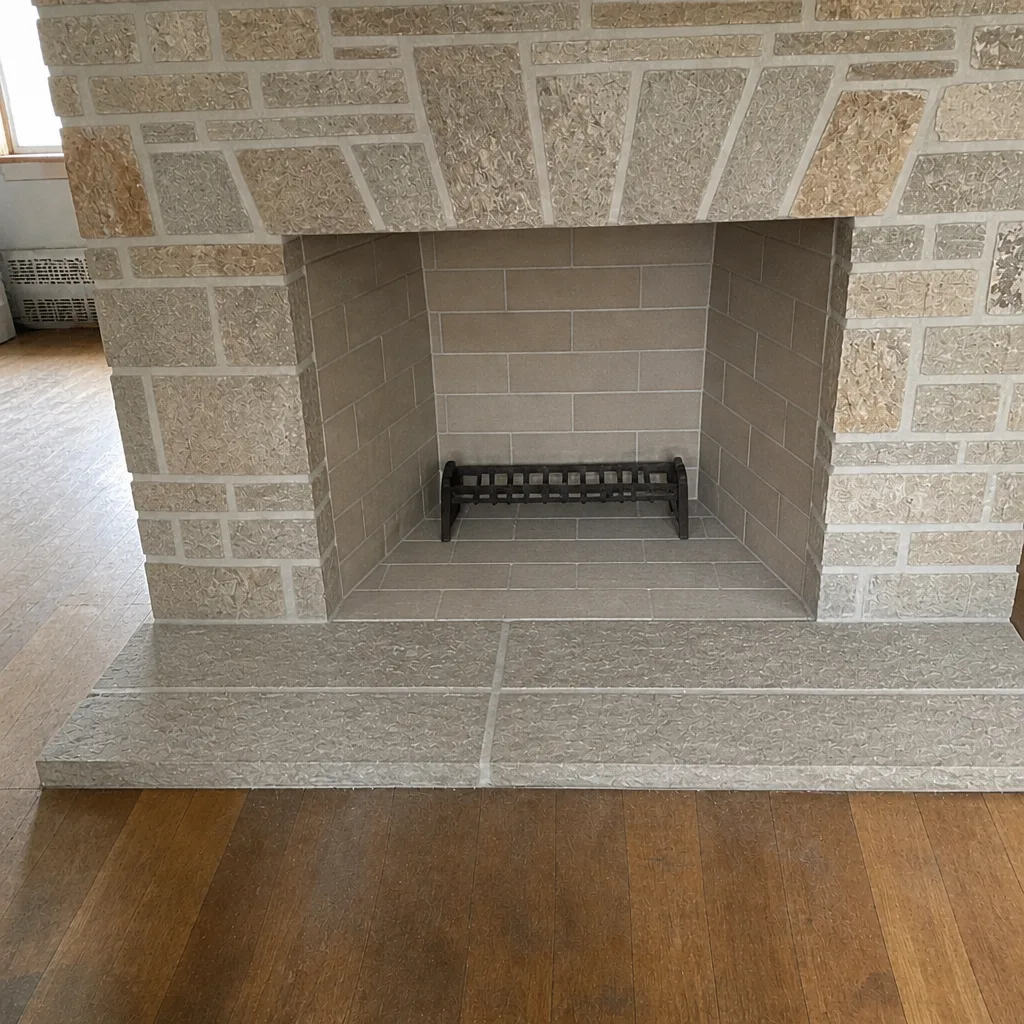
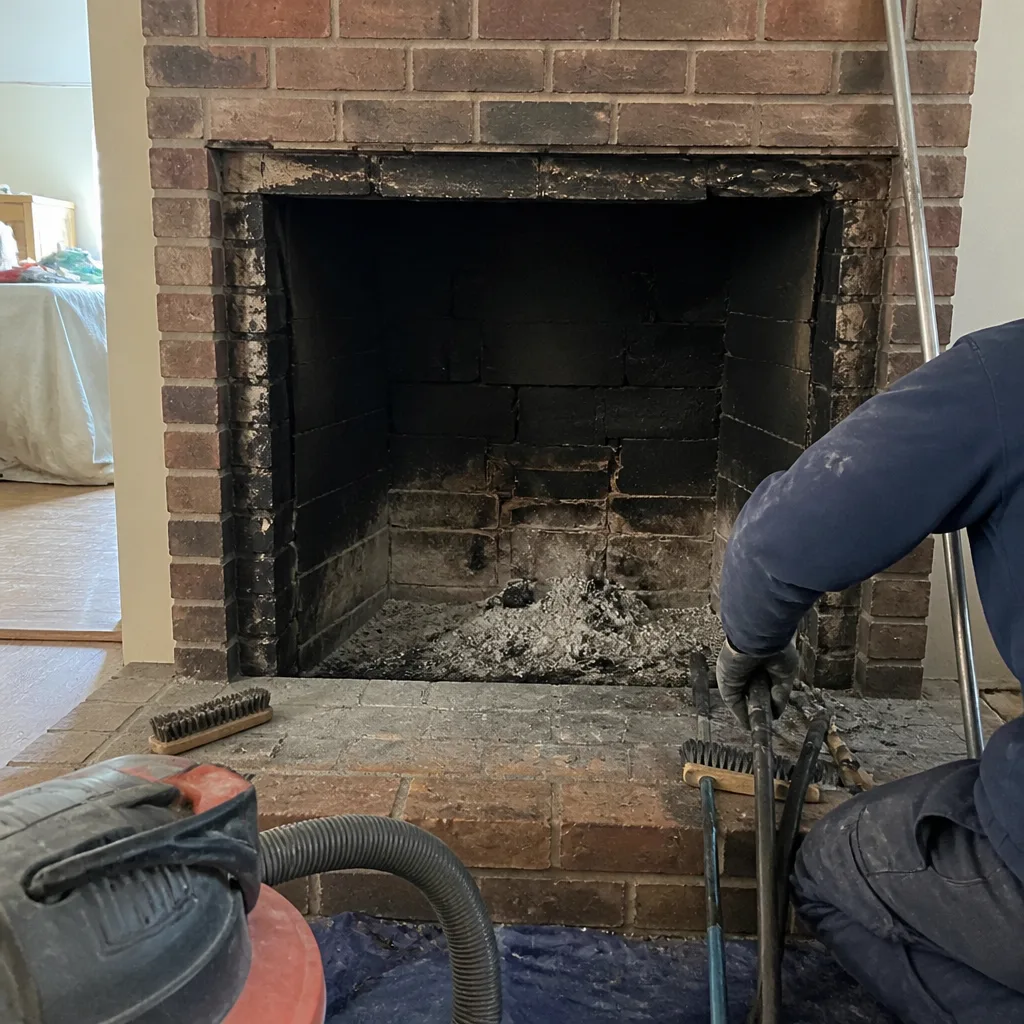
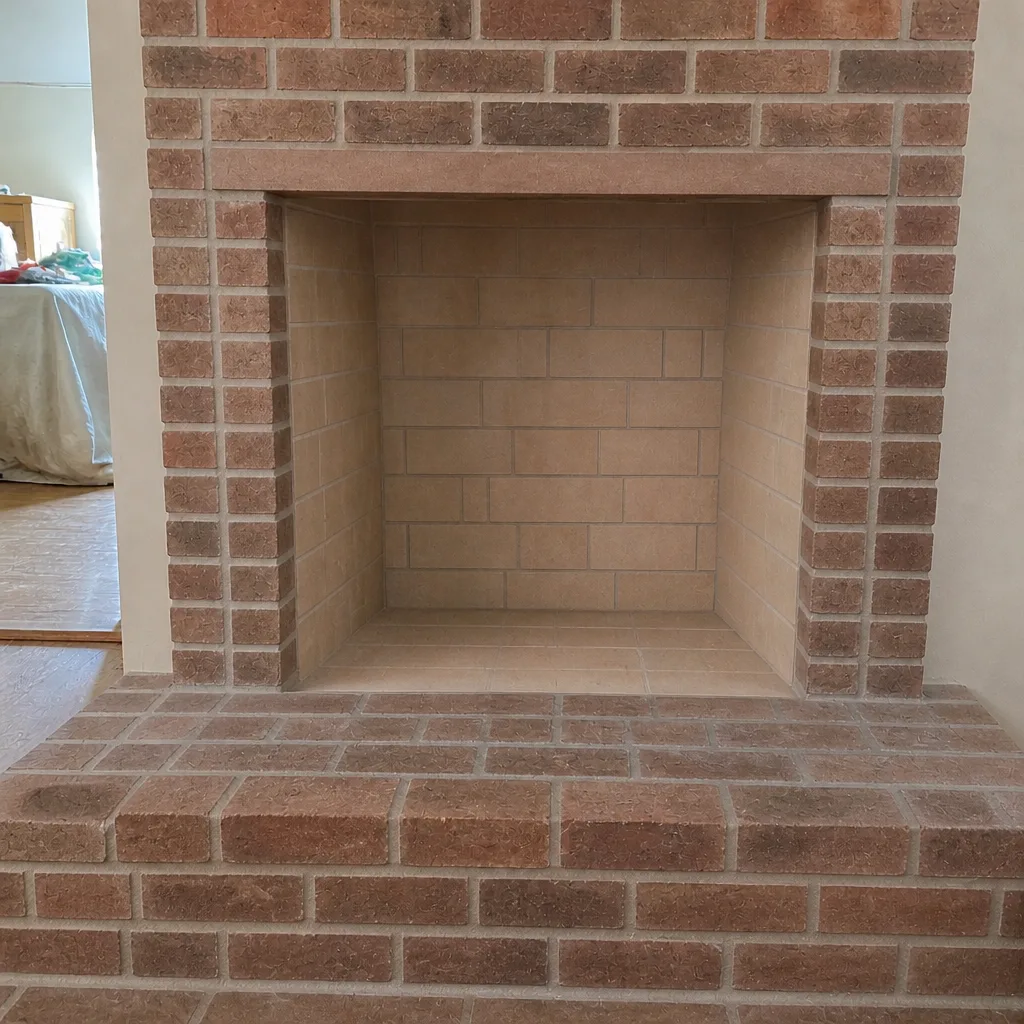
See the difference
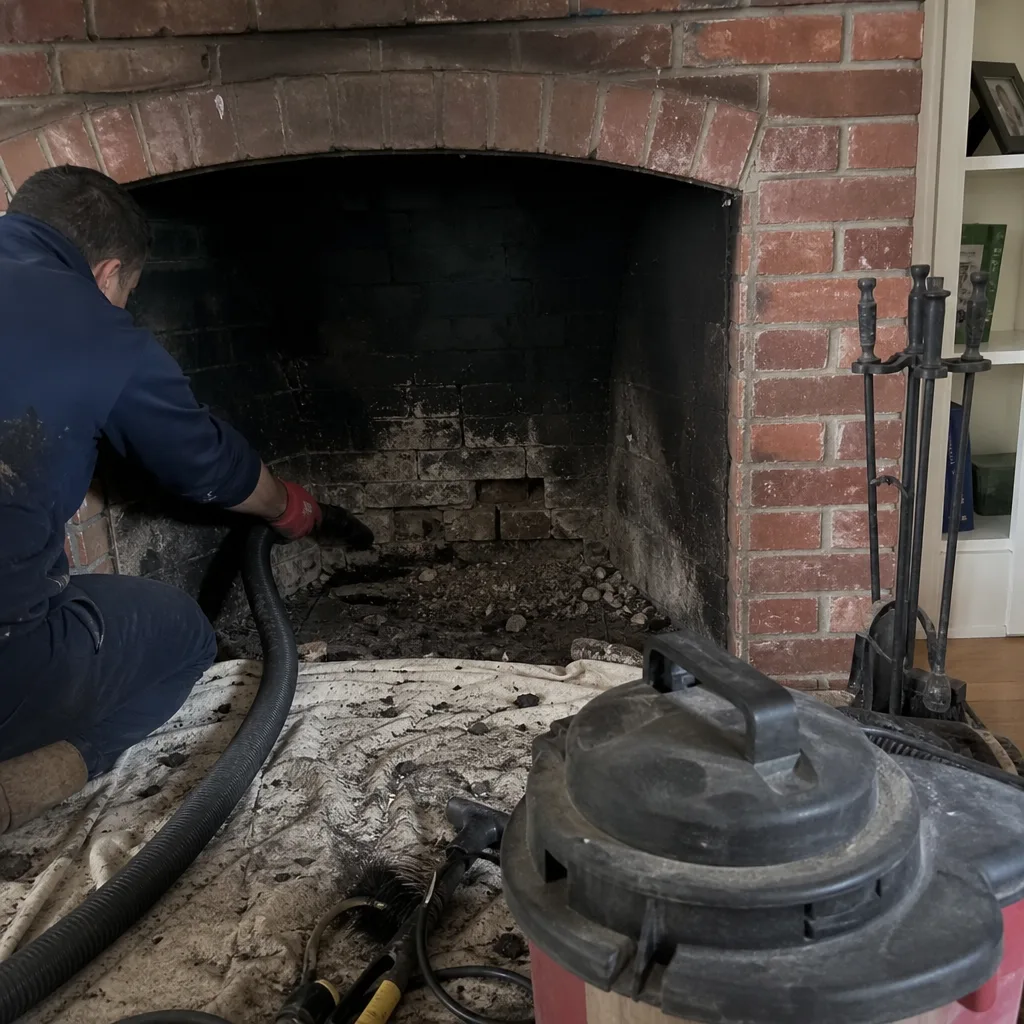 Before
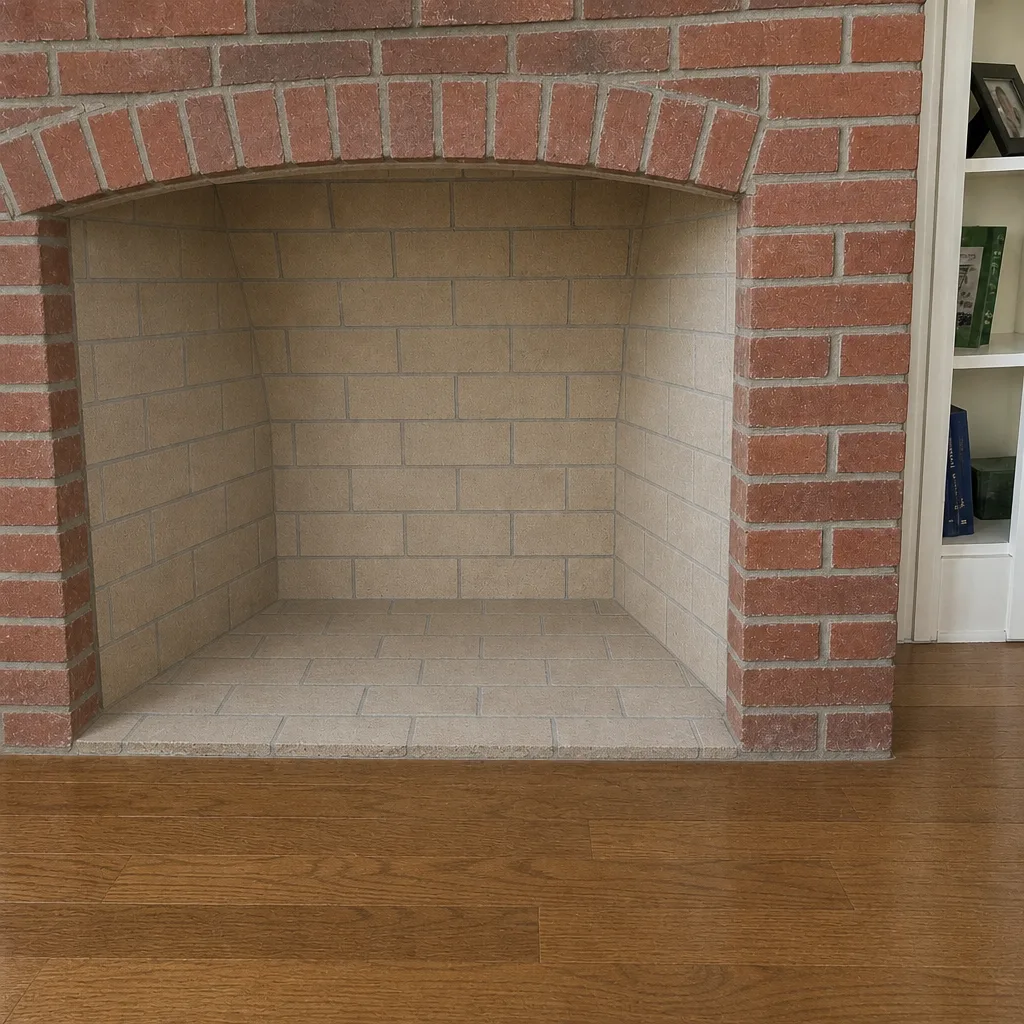 After
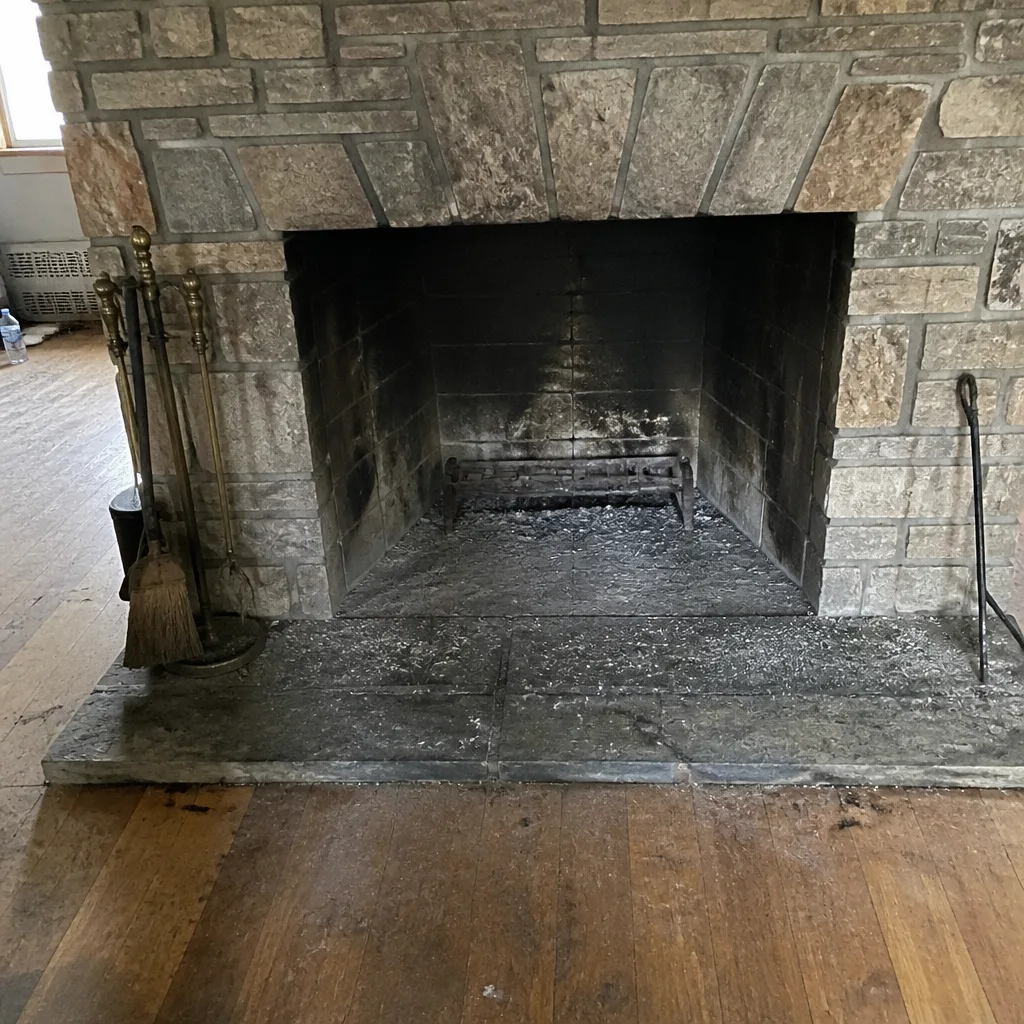 Before
 After
 Before
 After
When to Call a Professional
Call a professional when your checklist produces any “service now” item: glazed creosote, a missing or displaced cap, a crown crack that’s letting water in, a fireplace that smokes into the room, or a gas smell. Call also when the flue inspection reveals a tile offset, interior staining beyond the tile line, or any cracked or missing tile, and when the firebox itself has visible soot streaks or a damper that won’t seal. If your chimney shares a flue with a neighbor’s unit and either side has been burning heavily, that’s a case for inspection sooner rather than later. Chimney Sweep Parkchester offers free estimates in Parkchester. Call (855) 550-7313. We answer 24/7. Fast dispatch from 7am to 7pm, Sunday through Friday.
Frequently Asked Questions
Sweep frequency depends on how much wood you burn, not on the calendar. A household burning one to two cords per season needs a sweep roughly once per cord, with a mid-season recheck; a household burning under half a cord usually inspects yearly and sweeps only as inspection indicates. Gas fireplace users typically need an annual inspection rather than a sweep. Call (855) 550-7313 for an exact quote – estimates are free.
You can safely do the seven signs above, the post-storm walkaround and the burn-volume count yourself. The line sits at anything involving roof access, opening the flue interior beyond a flashlight inspection, gas connections, or removal of glazed creosote. Those require a trained specialist, and pushing past them risks injury or damage. Call (855) 550-7313 to book an inspection.
Efflorescence is a white powdery stain left when water moves through masonry and evaporates, depositing salts on the surface. It’s a direct sign of water infiltration, most often from a cracked crown, damaged cap, or failing mortar joints. It’s not cosmetic. Call (855) 550-7313 for an inspection before the next freeze-thaw cycle.
A gas fireplace rarely needs sweeping, because there’s no creosote to remove. It does need an annual inspection for blockages, debris, nesting, and any signs of exhaust or burner issues. A yellow flame instead of blue, soot on the glass, or any gas smell are immediate calls. Call (855) 550-7313 to schedule.
A full cord is 128 cubic feet – a stack roughly four feet high, four feet wide and eight feet long. Count the stacks you actually purchase and burn across a full heating season, and include your neighbor’s volume if you share a flue. That figure is what sets your sweep cadence. Call (855) 550-7313 if you’d like help reading your burn volume against the schedule.
Skipping a season means creosote accumulates without a way to see how much, and any masonry or liner damage from the previous winter goes unchecked into the next. The most common outcome we see is a small crown or cap problem getting a full freeze-thaw cycle to grow. Nothing is improved by waiting. Call (855) 550-7313 – our camera inspection shows you exactly what’s there so you can decide what to do.
The Bottom Line
A chimney maintenance checklist works when it tracks what your chimney actually needs, not what the calendar says. Set your sweep cadence from burn volume, run the seven sign checks yourself between professional visits, keep the masonry issues and the liner issues separate in your head, and treat post-storm walkarounds as non-negotiable. Log every visit and every deferred item so the next appointment starts with history, not guesswork. If you’re in Parkchester and want to put a condition-based plan in place, we’re the specialist for the whole chimney system – sweep, cap, crown, liner, and fireplace – and nothing gets proposed without camera evidence you can see. Call (855) 550-7313 for a free estimate. We answer 24/7. Fast dispatch from 7am to 7pm, Sunday through Friday.
Written by the team at Chimney Sweep Parkchester.