
Last updated November 25, 2026
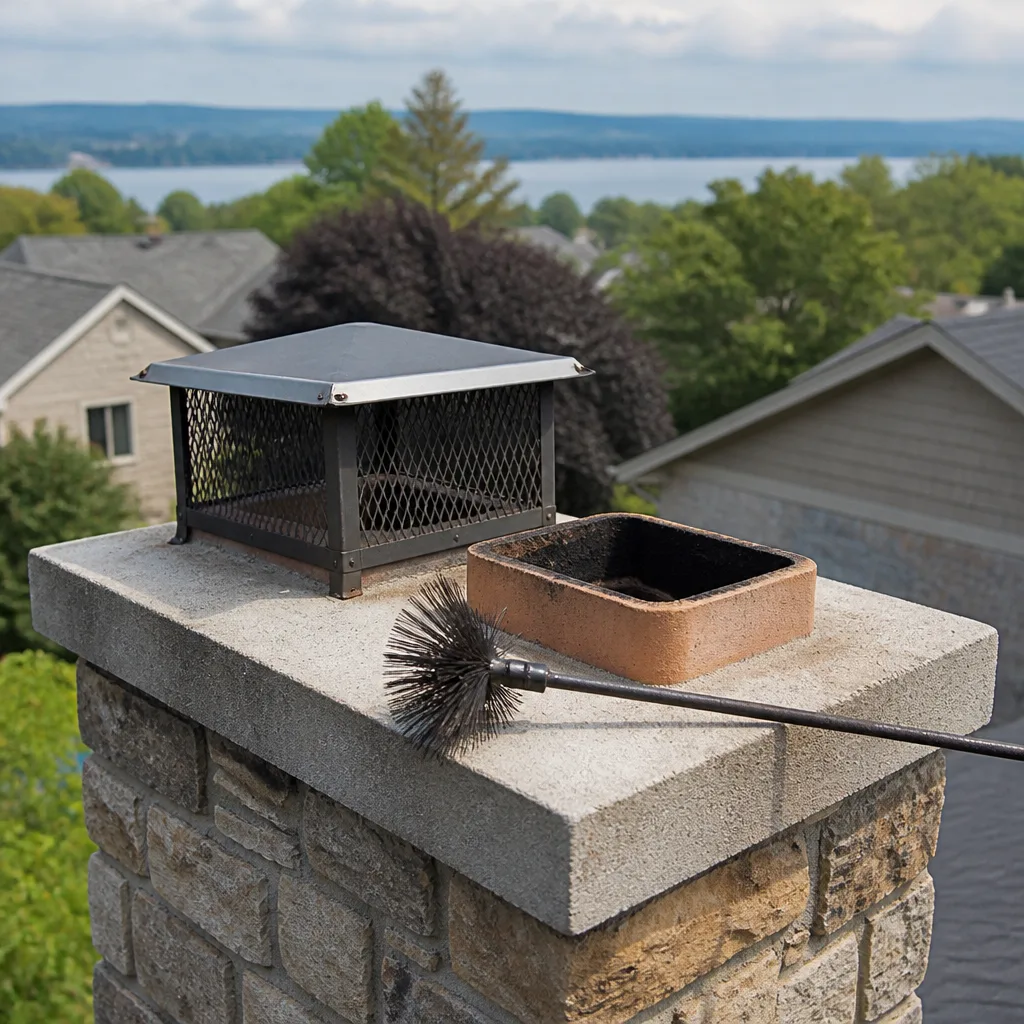 Sweep & inspection
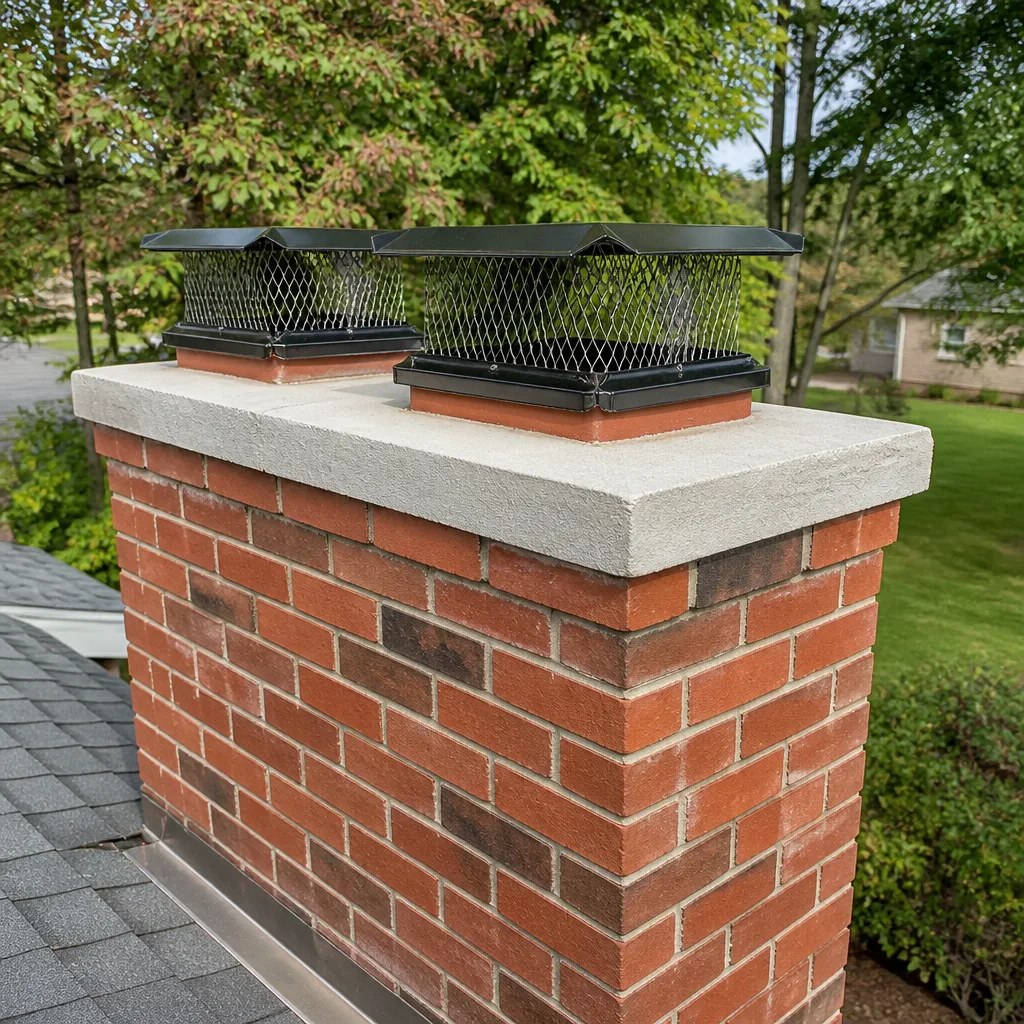 Caps & crowns
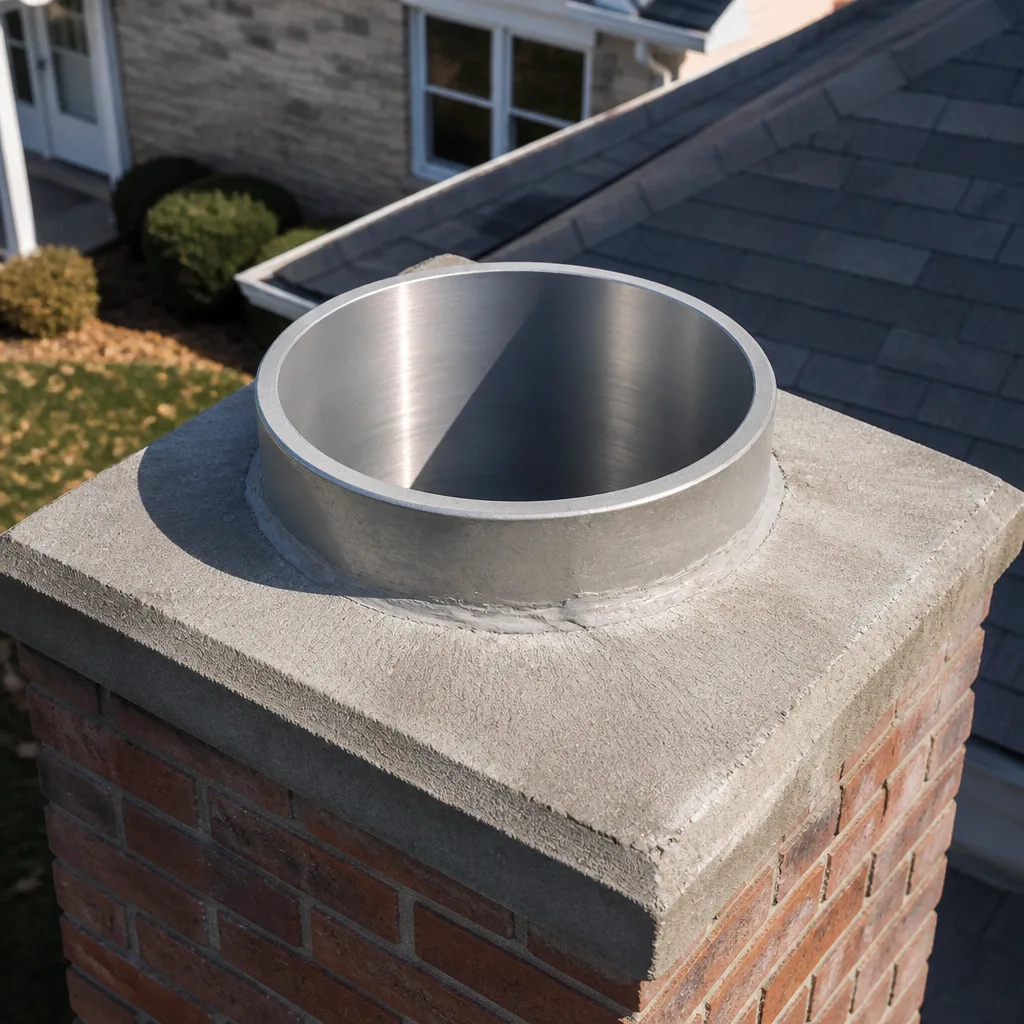 Flue relining
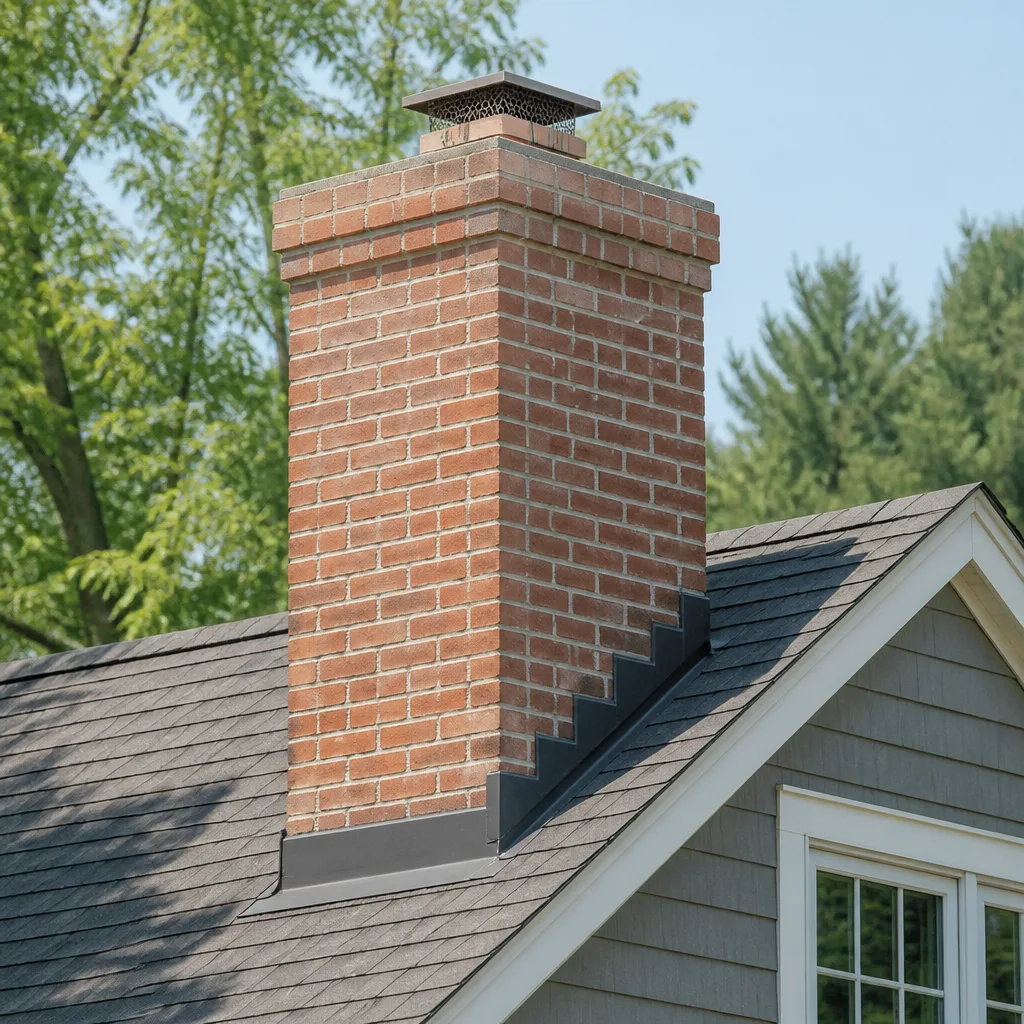 Masonry repair
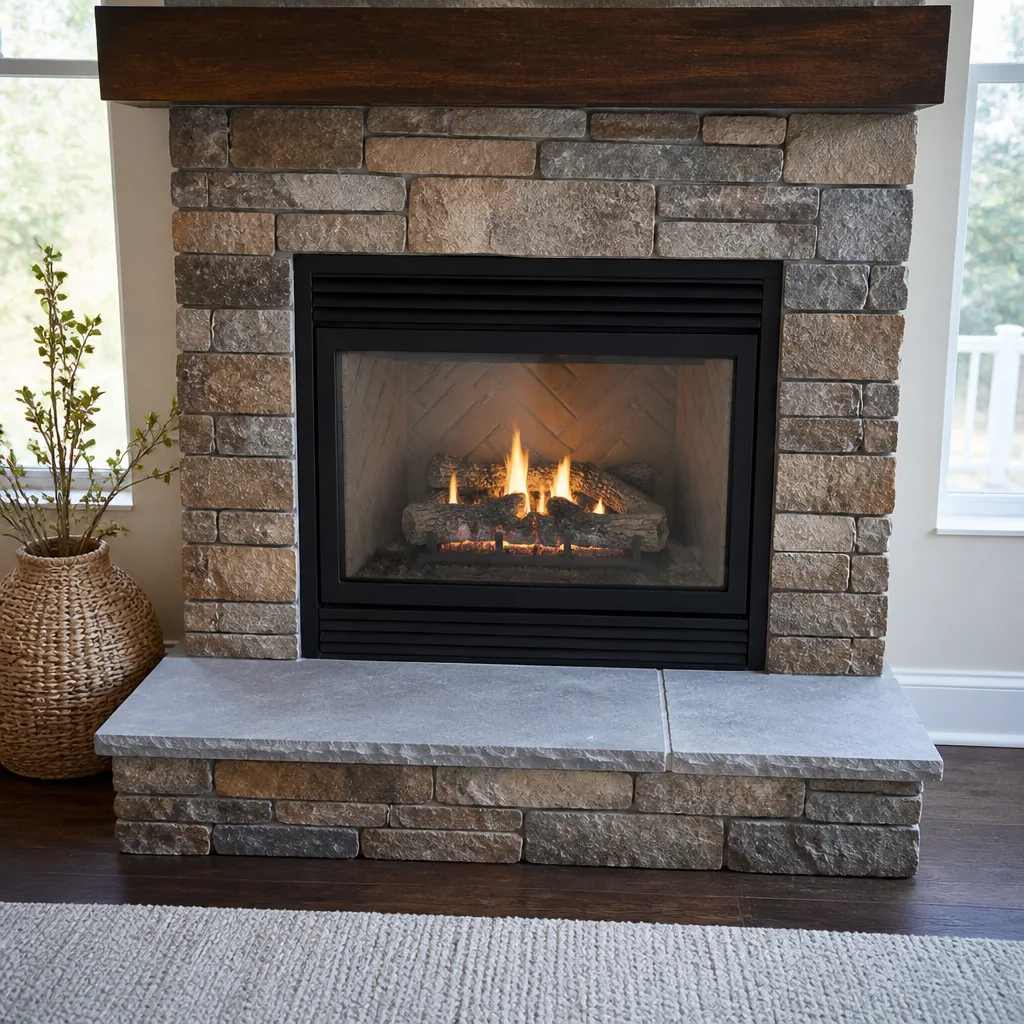 Gas fireplace service
Level 1 sweep and inspection to the NFPA 211 annual standard - flue, crown, cap, and flashing checked and photographed
Chimney sweep logs do not sweep chimneys. They loosen some creosote - which then falls where a brush and vacuum still have to collect it.
Chimney Cleaning Warning Signs: A Parkchester Homeowner’s Reference Guide
Most chimney problems announce themselves quietly, and the loudest one is usually the least urgent. A faint tar smell in the living room can point to a liner that’s already failing, while a puff of smoke into the room on a cold start often just means the flue is cold. Parkchester homeowners tend to lump all of these together as “the chimney needs cleaning,” which is how people end up paying for the wrong fix. This guide sorts warning signs into three urgency tiers, teaches you to read what your firebox and roofline are telling you, and explains which signs you can safely watch and which need a professional on the roof.
Quick Answer
Chimney warning signs fall into three tiers: call within 48 hours for smoke rollback, a strong creosote smell when the fireplace is off, or visible cracks in the firebox; schedule within 30 days for a damaged cap, crumbling crown, or staining on the firebox walls; and note for your next annual service for light soot dusting or a small draft that only shows up on cold starts. None of these should be ignored, but they don’t all carry the same consequence. The tier tells you how fast to act, not whether to act.
Styles & brands we work with
- Sweep & inspection
- Caps & crowns
- Flue relining
- Masonry repair
- Gas fireplace service
Table of Contents
- Tier 1: Signs That Need Attention Within 48 Hours
- Tier 2: Signs to Schedule Within 30 Days
- Tier 3: Signs to Note for the Next Annual Service
- What Your Nose Is Telling You: Four Chimney Odors Decoded
- Reading the Firebox: What White, Brown, and Black Staining Mean
- Exterior Signs You Can Check From the Ground in Parkchester
- Which Signs Are Safe to Monitor and Which Aren’t
Tier 1: Signs That Need Attention Within 48 Hours
Tier 1 signs share one trait: they can indicate that combustion gases are escaping into your living space instead of going up the flue. That’s a carbon monoxide question, not a cleanliness question, and it doesn’t improve with waiting.
The clearest Tier 1 sign is smoke rolling back into the room once the fire is established. Some smoke on a cold start is normal and clears as the flue warms. Smoke that keeps spilling after ten or fifteen minutes means the draft is compromised, and the usual culprits are a blocked flue, a collapsed liner section, or negative pressure pulling air down the chimney. All three need a trained eye inside the flue.
The second Tier 1 sign is a strong creosote smell when no fire is burning. A closed damper should keep chimney odors out of the house. If you’re smelling acrid, tar-like air in a room with a cold fireplace, air is moving the wrong direction through the system, and that reversed flow can carry combustion byproducts with it.
Other signs that belong in this tier:
- Visible cracks or gaps in the firebox brickwork or the mortar joints between them
- A carbon monoxide alarm sounding anywhere near the fireplace or in rooms along the chimney chase
- Flue tiles visible from the firebox that are cracked, spalling, or missing pieces
- Black soot suddenly appearing on the fireplace surround or the wall above it, which points to a change in how the system is venting
- A fire that repeatedly dies down or struggles to draw, even with dry, seasoned wood
If you’re seeing any of these in a Parkchester apartment or house, the right move is to stop using the fireplace until someone has looked inside the flue with a camera. A sweep without an inspection only tells you half the story, and these signs are asking for the other half.
Tier 2: Signs to Schedule Within 30 Days
Tier 2 signs are the ones that aren’t burning a hole in your week, but that quietly get worse with every rain and every freeze. Thirty days is a reasonable window for most of them, and a shorter one if heavy rain or a cold snap is coming.
Water is behind most Tier 2 problems. The chimney cap, the crown, and the mortar joints at the top of the stack take the full force of the weather, and when one of them fails, water gets into the masonry and starts working downward. In Parkchester’s climate, that means repeated freeze-thaw cycles through the winter, which opens hairline cracks into real ones.
Signs that fit this tier:
- A chimney cap that’s visibly tilted, rusted through, or missing entirely
- Crown cracks wide enough to catch a fingernail, or a crown that’s pulling away from the flue
- Rust on the damper, the firebox grate, or the damper frame, which usually means water is getting in from above
- Musty or damp smells from the fireplace, especially after rain
- Brown staining on the firebox walls, which we read as a moisture indicator more often than anything else
- Crumbling mortar between bricks near the roofline, which you can often spot from the street or a window
- A chimney cap screen that’s torn or pulled loose, since that’s the entry point for birds and squirrels
Cap and crown work is one of the most common calls we get, and it’s also one of the easiest problems to catch early. A displaced cap is visible from ground level in most Parkchester blocks, which makes it one of the few structural signs you can track without climbing anything.
Tier 3: Signs to Note for the Next Annual Service
Tier 3 signs are worth writing down and mentioning at your next sweep. They’re not urgent on their own, but they give the technician useful context about how your system has been behaving.
Light soot dusting on the firebox walls after a season of burning is normal. So is a small amount of smoke on a cold start when outdoor temperatures are low and the flue hasn’t warmed up yet. The same goes for a draft that only seems weak on windy days, or a fireplace that draws better in some weather than others. A chimney responds to temperature, pressure, and wind, and some variability is just physics.
Things to note for next time:
- How often you burned this season, and whether you used seasoned or green wood
- Whether the smoke-on-start issue happens every time or only in certain weather
- Any odor you noticed and when it appeared
- Small chips in the firebox mortar that haven’t grown since you noticed them
- A cap screen that’s slightly bent but still attached
- Any change in how the fire behaves compared to last year
Keeping a short log helps more than people expect. When a technician asks whether the odor started before or after the first cold snap, “I wrote it down on the 14th” is a better answer than “sometime in the fall.”
What Your Nose Is Telling You: Four Chimney Odors Decoded
Chimney odors are not interchangeable, and the smell is often the fastest way to identify the problem. Homeowners who can describe the odor accurately save a lot of diagnostic time, so here’s how we separate the four common ones.
Creosote. Acrid, sharp, and tar-like, sometimes with a burnt-wood edge. Creosote is the residue of incomplete combustion, and a strong creosote smell when the fireplace is off almost always means the damper isn’t sealing or the flue is under negative pressure. This is a Tier 1 sign, especially if it’s new.
Animal decay. Heavy, sour, and unmistakably organic. Birds, squirrels, and raccoons get into uncapped chimneys, and what they leave behind doesn’t stay in the flue. It’s not a fire risk by itself, but a blocked flue is, so this one gets a professional visit sooner rather than later. A proper chimney cap keeps animals out, which is why we treat cap work as prevention rather than repair.
Water intrusion. Musty, damp, and a little like a basement. This points to a crown, cap, or flashing problem letting rain in. It’s usually Tier 2 unless the smell starts within a day of a heavy rainstorm, in which case the leak is active and worth booking sooner.
Backdraft. Sulfurous, sharp, and often accompanied by a cold draft coming down the chimney. This is a pressure problem, and in Parkchester’s older multi-unit buildings it can come from exhaust fans, other flues in the same stack, or a tight house that’s drawing air down the chimney instead of up it.
If you can tell us “acrid and tar-like” versus “musty after rain,” we know where to look first.
Reading the Firebox: What White, Brown, and Black Staining Mean
The inside of your firebox is a record of how your chimney has been running, and the color of the staining tells you what to investigate. You don’t need to do anything to read it beyond looking with a flashlight when the fireplace is cold and the ash is swept out.
White staining usually means efflorescence, which is salt pushed to the surface by moisture moving through the masonry. On the firebox walls, it points to water coming in from above or through the surrounding brick, not to a combustion problem. White on the exterior chimney stack means the same thing, and it’s often the first visible sign of a failing crown or cap.
Brown staining is another moisture indicator, and we read it as water that has been sitting in the masonry long enough to leave a residue. Brown streaks on the firebox walls after a wet winter are a good reason to check the crown and flashing before the next season starts.
Black staining is soot and creosote deposits, which means incomplete combustion or restricted draft. A light, even black dusting is normal. Heavy, glossy, tar-like buildup on the firebox walls is not, and it’s the kind of deposit that should be swept before the next fire.
One more thing worth knowing: the same three colors show up on the outside of the chimney too. White efflorescence at the roofline, brown streaks under the cap, or black soot marks near the top all tell a similar story, just from a different angle.
Exterior Signs You Can Check From the Ground in Parkchester
You can learn a lot about a chimney without a ladder, and in a neighborhood of six-story walk-ups and closely packed row houses, most of what’s worth watching is visible from the sidewalk or a window. We recommend a quick visual check twice a year, once before burning season and once after.
- Look at the cap. It should sit level on the flue. Tilted caps, missing caps, and torn screens are all visible from street level.
- Check the roofline for white staining. Efflorescence on the upper brickwork points to moisture getting in from the crown or cap.
- Compare mortar color. Fresh, dark mortar lines against old, light ones can mean a repair that was done at some point; crumbling, sandy mortar means a repair that’s needed now.
- Look for leaning or spalling brick. Bricks flaking or popping off the stack are a structural sign, not a cosmetic one.
- Check the crown line. Where the crown meets the flue, you can often see cracking or separation from a good angle.
If you can see the chimney from your window and something looks off, photograph it. A photo taken from the same angle at the same time of year is a useful before-and-after tool when a technician comes out.
Which Signs Are Safe to Monitor and Which Aren’t
We get asked which warning signs a homeowner can handle themselves, and the honest answer is that most of them are things to watch, not things to fix. The reason isn’t liability language. It’s that the components that matter most are inside the flue, on the roof, or in the firebox masonry, and all three locations involve either height, confined space, or structural work.
Safe to monitor yourself:
- Whether the cap is level and the screen intact, from the ground
- Odor changes, described as accurately as you can
- Smoke behavior on cold starts, and whether it improves as the fire warms
- Staining color on the firebox walls, with a cold fireplace and a flashlight
- Rust on the damper or grate, which tells you water is getting in
- Any visible change in the exterior brickwork
Not safe to handle yourself:
- Anything inside the flue, even a quick “look with a flashlight from the firebox.” Flue interiors are where cracked tiles and offset joints hide, and they need a camera inspection to see properly.
- Roof-level work of any kind. A chimney cap replacement looks simple from the ground and is a fall hazard on a wet roof.
- Crown repair and masonry repointing. These are structural repairs, and a bad patch job traps moisture instead of keeping it out.
- Anything involving the damper assembly or the firebox masonry.
- Sweeping with a consumer brush kit. Creosote deposits can be dense and stubborn, and a brush that doesn’t reach the full flue leaves the dangerous part behind.
The pattern is consistent: watch from a distance, and stop at the flue. The system is small enough that a real inspection takes an hour.
How a Professional Inspection Should Read a Warning Sign
When we come out to a Parkchester home, a warning sign is a starting point, not a diagnosis. A chimney inspection works best as a process, and here’s what that process looks like.
- Talk through the symptom. When it started, what it smells or looks like, how often you burn, and what kind of wood you use.
- Inspect the firebox and damper. Staining color, mortar condition, damper seal, and whether the firebox floor is intact.
- Check the flue with a camera. This is the step most warning signs point to, and it’s the one you can’t do from the ground.
- Inspect the cap, crown, and flashing. Water entry at the top of the stack is the source of a surprising share of interior symptoms.
- Write a report with photos. You should see what the technician saw, not just be told the conclusion.
Only after that does a repair recommendation make sense. Some signs call for a sweep, some for a cap, some for a liner repair. A failing liner joint, for example, is a good candidate for HeatShield ceramic resurfacing, which restores the liner from the inside without a full reline. A deteriorated or oversized flue calls for something different, and DuraFlex flexible liner systems are what we’d reach for there. The point isn’t which brand comes up first; it’s that the diagnosis drives the material.
The same logic applies to the appliance side. A smoky fireplace can be a draft problem in the chimney or a problem at the firebox, and both need to be checked before anyone recommends a fix. That’s why we work on fireplace repair alongside chimney work rather than treating them as separate jobs.
See the difference
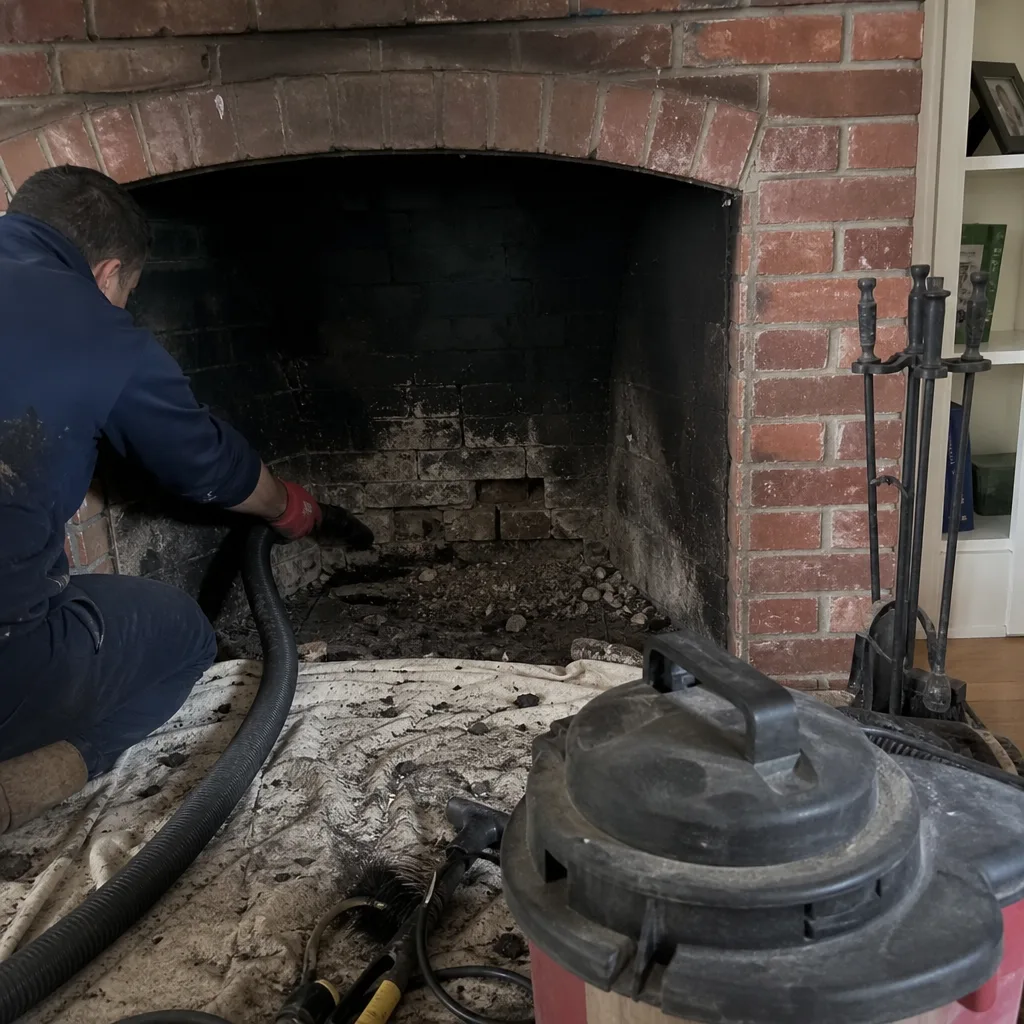 Before
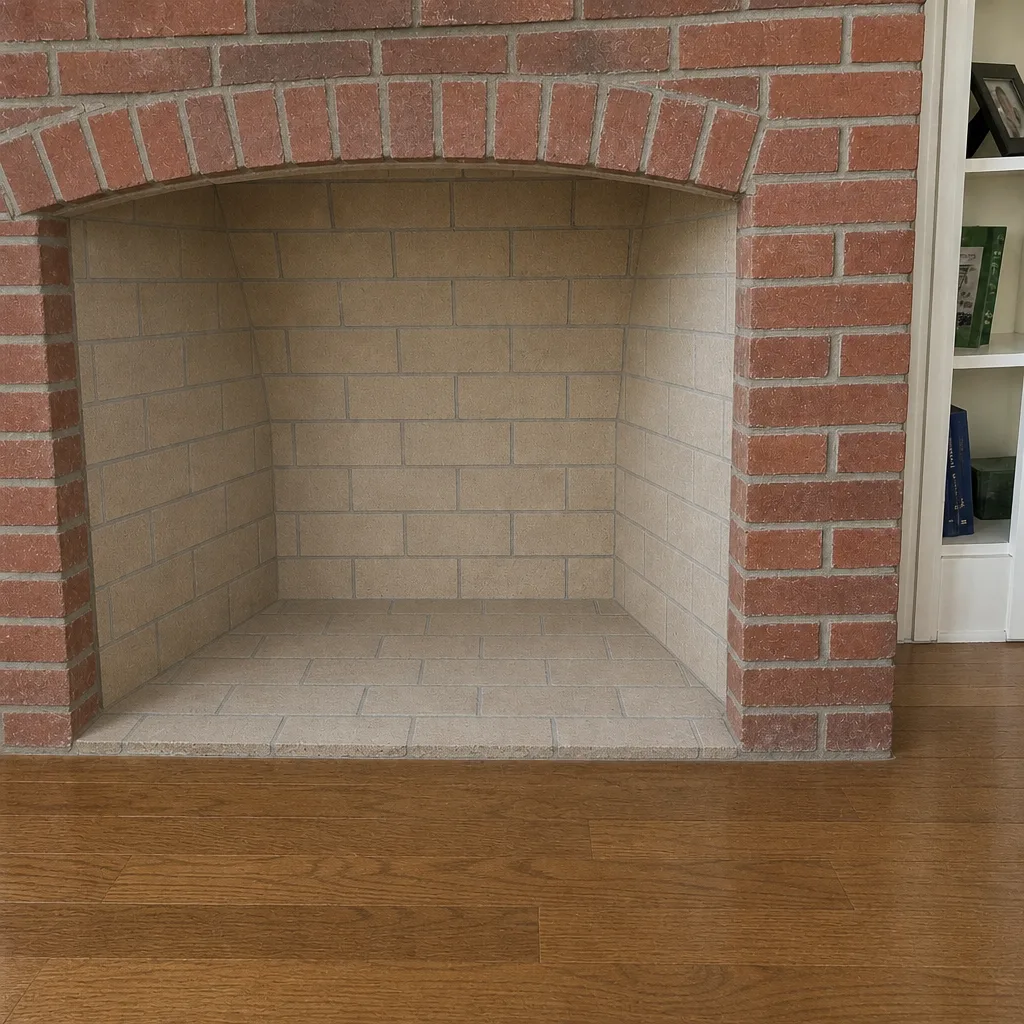 After
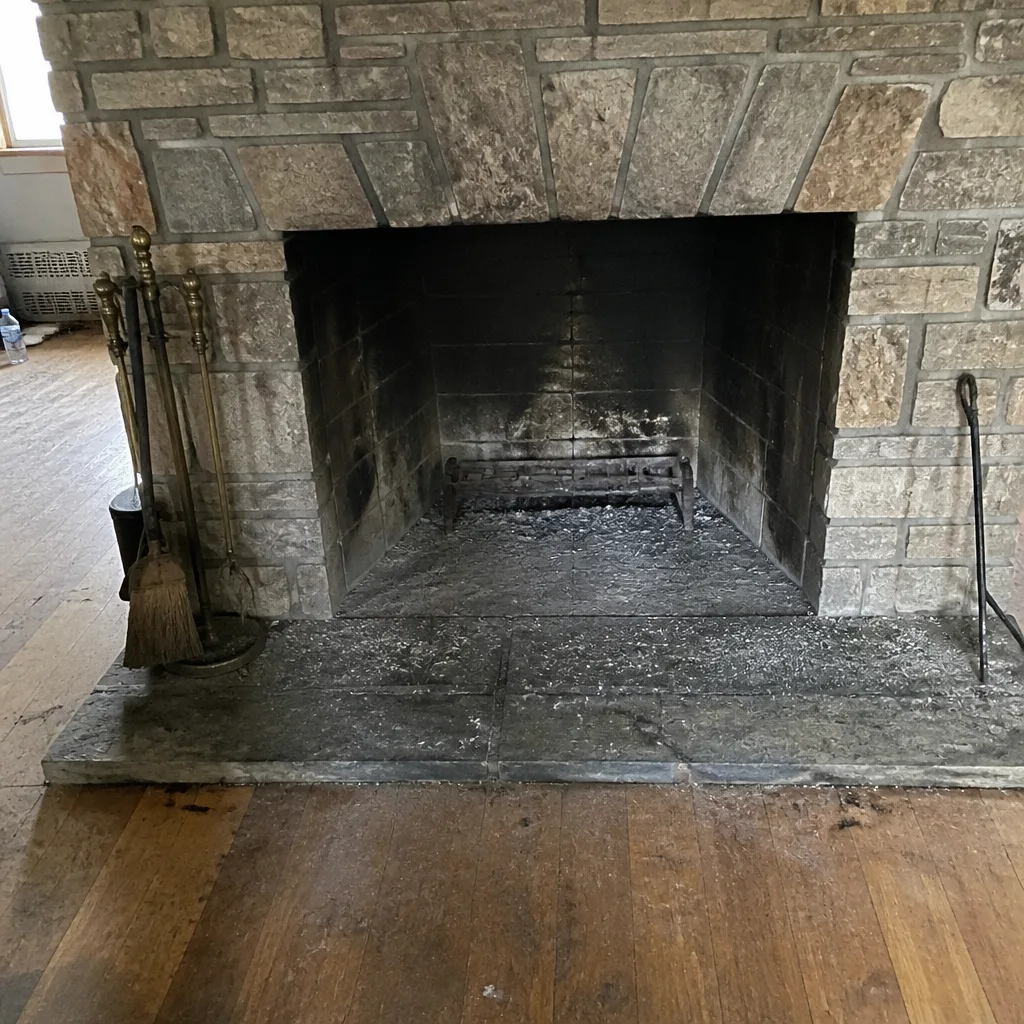 Before
 After
 Before
 After
Common Mistakes to Avoid
- Treating every odor the same. A tar-like creosote smell and a musty rain smell point to different fixes, and the wrong one won’t make either go away.
- Assuming smoke on a cold start is a draft problem. Some smoke on start-up is normal. Smoke that persists after ten minutes isn’t, and the difference matters.
- Waiting for spring to check a winter problem. Parkchester’s freeze-thaw cycles turn small crown cracks into larger ones, so a fall check before the first hard freeze is worth more than a spring one.
- Hiring the first available sweep and stopping there. A sweep clears soot. It doesn’t tell you whether the cap is displaced or a flue tile is cracked, which is the part that matters for safety.
- Using a generalist for a masonry repair. A chimney crown is a small, specialized piece of masonry, and repairing it wrong traps the water you’re trying to keep out.
- Ignoring a broken cap screen because “the cap is still there.” A torn screen is the entry point for birds and squirrels, and a blocked flue becomes a Tier 1 problem on the first cold night.
- Relying on the annual sweep to catch everything. Sweeping and inspection are two jobs, and the second one is what reads the warning signs.
When to Call a Professional
Call us when a Tier 1 sign shows up, when a Tier 2 sign has been sitting for more than a month, or when you simply can’t tell which tier a sign belongs to. A carbon monoxide alarm, a persistent smoke rollback, a creosote smell with the fireplace off, or visible cracks in the firebox all warrant a same-day call. A damaged cap, a crumbled crown, or a musty smell after rain warrants booking a visit, and sooner if heavy weather is coming. And if you’ve never had the flue inspected, an annual look from a trained technician is the cheapest way to know what’s actually happening in the system.
If you’re looking for a chimney sweep, the visit should include a camera inspection and a written report with photos. Chimney Sweep Parkchester offers free estimates in Parkchester. Call (855) 550-7313. We answer 24/7. Fast dispatch from 7am to 7pm, Sunday through Friday.
Frequently Asked Questions
The most common chimney warning signs are smoke rolling back into the room, a strong creosote smell when the fireplace isn’t burning, a damaged or missing cap, staining on the firebox walls, and rust on the damper. Of these, smoke rollback and a persistent creosote odor are the two that warrant a call within 48 hours. Call (855) 550-7313 for an exact quote; estimates are free.
A chimney used for wood burning should be swept about once a year, and more often if you burn heavily or notice creosote buildup on the walls. Gas fireplaces and appliances still need an annual inspection even though they produce less soot. If you’ve never had the flue inspected, that’s the right first step regardless of when it was last swept.
Sometimes. Smoke on a cold start that clears within ten minutes is normal and can wait for your next service visit. Smoke that keeps rolling into the room after the fire is established, or that comes with a carbon monoxide alarm, is a Tier 1 sign and needs professional attention within 48 hours.
A creosote smell with no fire burning usually means the damper isn’t sealing and the flue is under negative pressure, pulling chimney odors into the house. It can also point to a compromised liner or a blocked flue, both of which are fire and carbon monoxide risks. Call (855) 550-7313 for an exact quote; estimates are free.
Not always. A cracked or deteriorated liner joint can often be restored with HeatShield ceramic resurfacing rather than a full reline, and a damaged or oversized flue may call for a DuraFlex flexible liner instead. The right answer comes from a camera inspection, not from a guess based on symptoms alone.
You can check the cap, the exterior brickwork, the firebox staining, and the damper for rust from the ground and the firebox opening. Anything inside the flue or on the roof needs a professional, because the risks are fall hazards and hidden flue damage that a flashlight glance can’t reveal.
Warning signs that go unaddressed tend to get worse with weather and use. A small crown crack lets in more water each season, a damaged cap screen lets animals in, and a failing liner joint stays a fire and carbon monoxide risk until someone looks. Skipping the inspection doesn’t remove the problem; it removes the information.
The Bottom Line
The useful thing about sorting chimney warning signs by tier is that it tells you what to do first. Smoke rollback, a creosote smell with the fireplace off, and firebox cracks get a call within 48 hours. Caps, crowns, and moisture signs get scheduled within a month. Light soot and mild cold-start smoke get noted and mentioned at the annual visit. The rest is about reading what the firebox, the roofline, and your nose are telling you, and knowing where monitoring stops and a professional has to take over. If you’re unsure which tier you’re looking at, a camera inspection and a photo report will tell you before anyone recommends a repair.
Chimney Sweep Parkchester handles sweeping, inspection, cap and crown work, chimney repair, and fireplace repair, with professional-grade materials from DuraFlex, HeatShield, Olympia Chimney, Famco, and Copperfield. Our technicians have up to 8 years of experience. Call (855) 550-7313 for a free estimate. We answer 24/7. Fast dispatch from 7am to 7pm, Sunday through Friday.
Written by the team at Chimney Sweep Parkchester.