
Last updated November 25, 2026
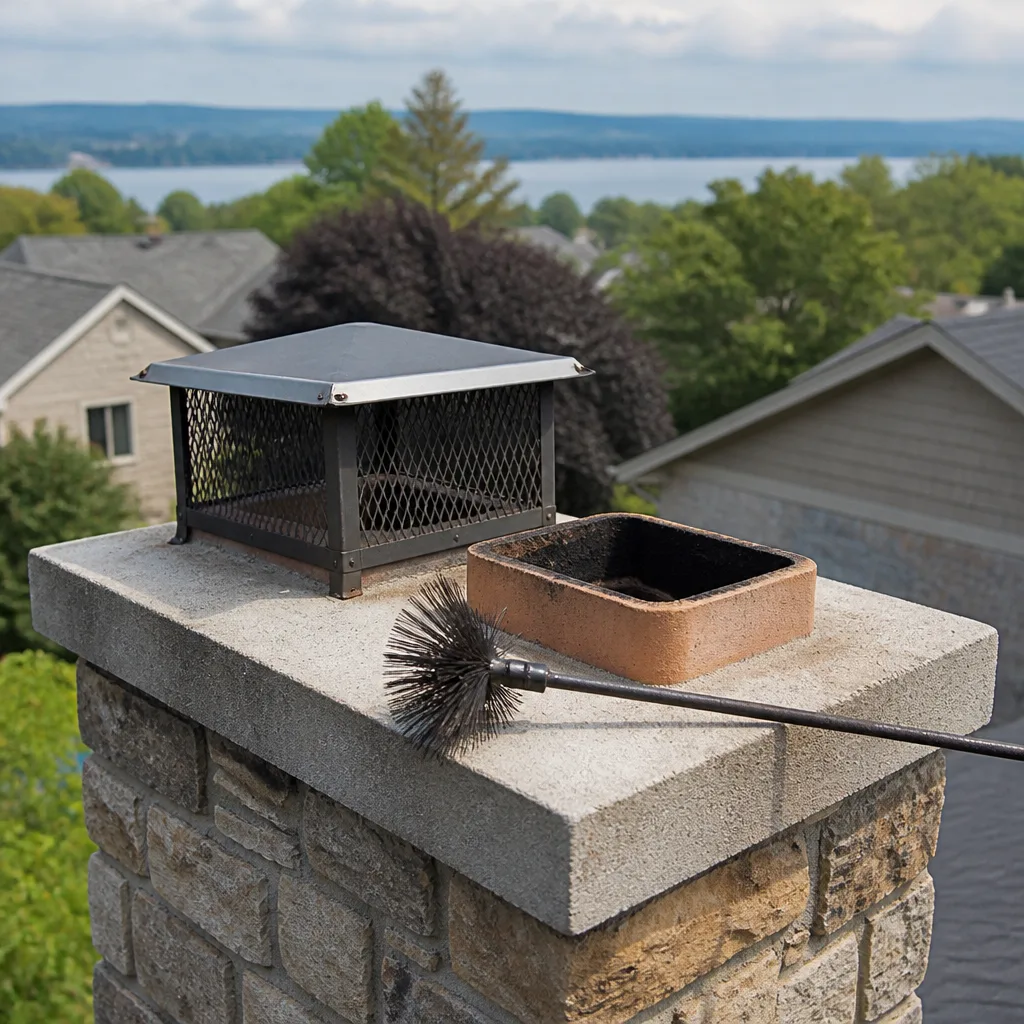 Sweep & inspection
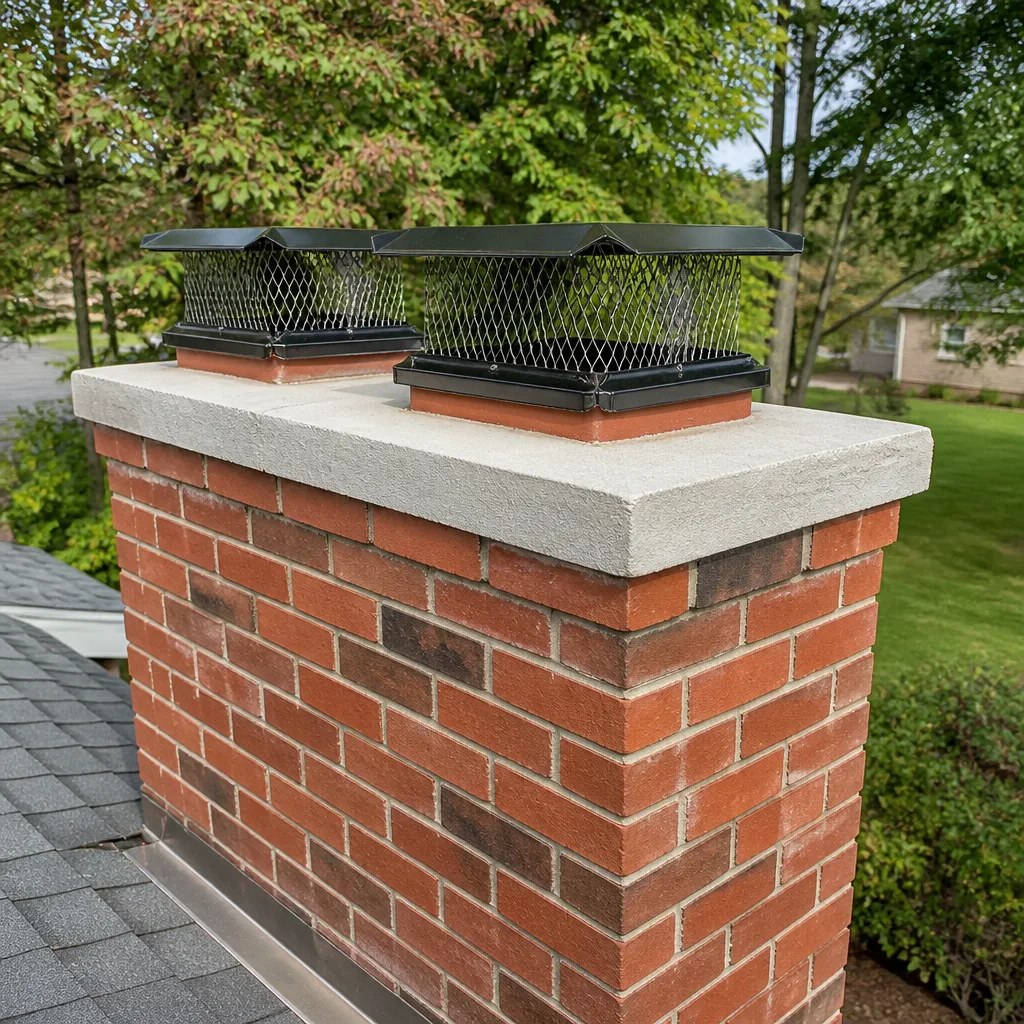 Caps & crowns
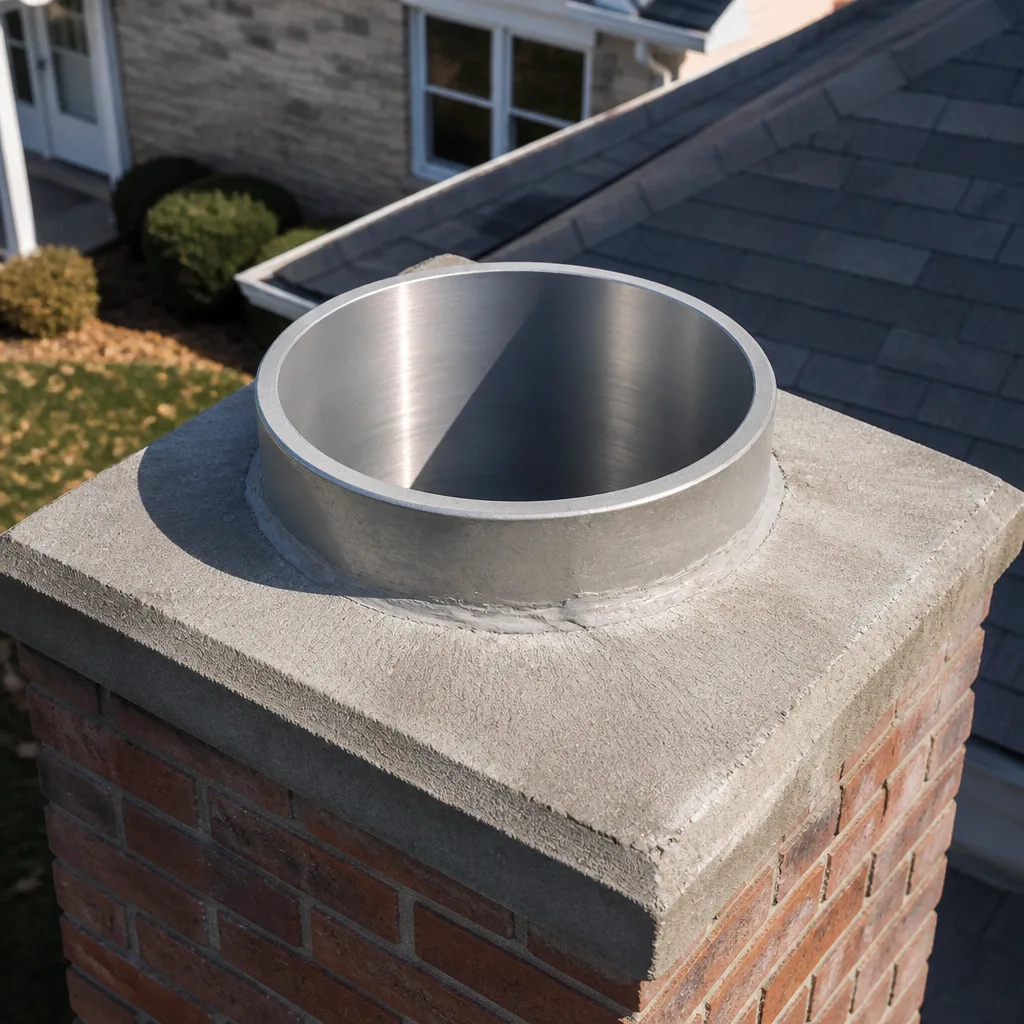 Flue relining
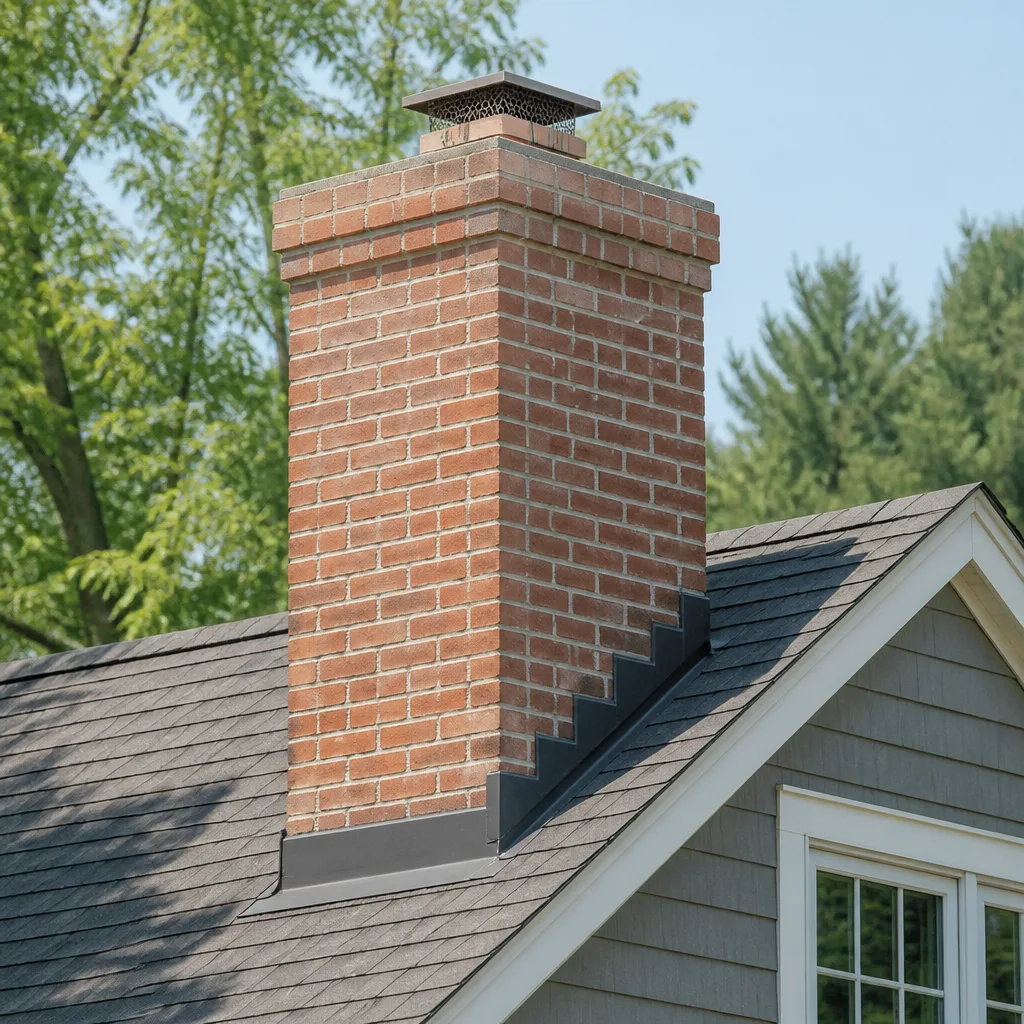 Masonry repair
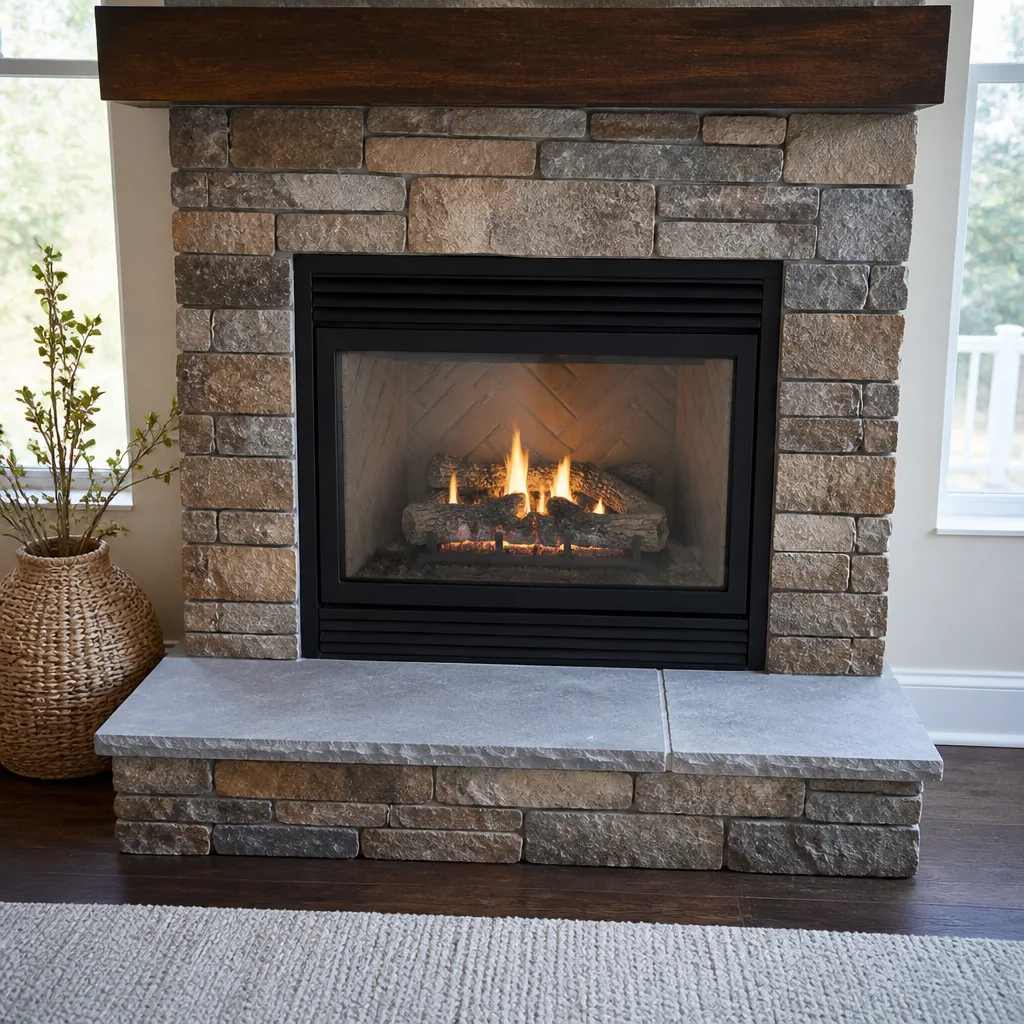 Gas fireplace service
Level 1 sweep and inspection to the NFPA 211 annual standard - flue, crown, cap, and flashing checked and photographed
Chimney sweep logs do not sweep chimneys. They loosen some creosote - which then falls where a brush and vacuum still have to collect it.
Chimney Cleaning Permits, Codes & Inspections in Parkchester, NY: What You Need to Know
Relining a chimney without a NYC DOB permit isn’t just a paperwork issue – it’s a condition that can surface during a home sale and unwind a deal weeks from closing. Most Parkchester homeowners assume permits belong to big renovations: kitchens, additions, roof decks. Chimney work sits in a blind spot, because a sweep looks like maintenance and a liner looks like a part. But some of what happens inside a flue is legally construction work under the New York City Building Code, and the paperwork trail matters when an inspector, an insurer, or a title search comes looking. This guide maps which chimney services cross the permit threshold, what the inspection process actually involves, and how Parkchester’s older housing stock fits into the rules.
Quick Answer
In Parkchester, routine chimney cleaning, a Level 1 inspection, and swapping a cap or chase cover generally do not require a NYC DOB permit. Relining a flue, reconstructing a crown, and structural chimney repair usually do, filed through the Department of Buildings before work begins. Every flue should be inspected annually, and a chimney connected to a solid-fuel appliance belongs on that schedule whether or not a permit is involved.
Styles & brands we work with
- Sweep & inspection
- Caps & crowns
- Flue relining
- Masonry repair
- Gas fireplace service
Table of Contents
- Which chimney services are permit-exempt in Parkchester?
- Which chimney services require a NYC DOB permit?
- How the DOB filing process works for chimney work
- What a chimney inspection actually covers
- Local Law 11, facade inspections, and Parkchester’s multi-unit buildings
- CO detector rules under NYC Admin Code §27-981.1
- What happens when unpermitted chimney work surfaces at closing
- Common mistakes to avoid
Which chimney services are permit-exempt in Parkchester?
Cleaning, a Level 1 inspection, and a chimney cap replacement are the three routine services that generally do not require a permit in Parkchester or anywhere else in New York City. They’re treated as maintenance: no structural change, no alteration to the venting system, no new appliance. A chimney sweep clears creosote and obstructions; a Level 1 inspection is a visual check of accessible components; and a cap swap is a top-of-flue fitting that doesn’t touch the liner or the masonry structure. None of them change the building envelope.
The distinction matters because “maintenance” is narrower than most homeowners assume. A permit-free service today can turn into a permitted project the moment a technician drops a camera down the flue and finds failed joints, a cracked crown that’s feeding water into the masonry, or a liner that’s no longer round and intact. At that point the work is a repair to the venting system, and depending on scope it can cross into DOB territory.
In our experience, most Parkchester appointments start as cleaning and inspection and stay there. A sweep without an inspection only tells you half the story on the other side of the coin – the cleaning answers “is it dirty,” the inspection answers “is it sound.” We work exclusively on chimneys and fireplaces, so the assessment is the whole point of the visit, not an upsell add-on at the end.
What qualifies as permit-exempt in practice:
- Chimney sweeping – removing creosote, soot, and blockages from the flue.
- Level 1 inspection – visual check of accessible interior and exterior components.
- Cap replacement or new cap on an existing flue using a same-size fitting, with chimney cap & crown components sourced from Gelco or Famco.
- Minor fireplace repair that doesn’t alter venting – a damper adjustment, a firebox brick reset, a grate fitting.
- Chase cover replacement on a metal chimney where the original size is duplicated.
When in doubt about a specific Parkchester job, the honest answer is to ask the contractor to confirm in writing which code path the work falls under before any material is ordered. That one line in an estimate prevents a lot of closing-table headaches later.
Which chimney services require a NYC DOB permit?
Any chimney work that alters the venting system or the structural mass around it typically requires a permit from the NYC Department of Buildings under Chapter 28 of the Building Code. That includes relining, crown reconstruction, structural repair, and appliance changeouts that change the flue’s required cross-section. The logic is straightforward: those jobs change how the system performs, and the DOB wants a licensed professional accountable for the change on record.
Relining is the one homeowners overlook most often. A new stainless liner is not a fitting; it’s a structural venting element, and installing one involves sizing, connections, and clearances that the code governs. Whether you choose a DuraFlex flexible liner for an offset flue or a HeatShield ceramic resurfacing for a liner that’s still largely sound but has failed joints, the work is on the DOB’s radar. HeatShield in particular is a repair method, not a cleaning step – it restores deteriorated flue walls and joint integrity, and it’s filed the same way as any other liner repair because it changes the interior condition of the flue.
Permit-required work generally includes:
- Relining – installing a new flexible or rigid flue liner, including DuraFlex systems and Olympia Chimney products.
- Flue resurfacing – HeatShield restoration of a deteriorating masonry flue.
- Crown reconstruction – full replacement of a chimney crown, not spot patching.
- Structural repair – rebuilding masonry courses, correcting lean, or addressing cracking that affects load.
- Appliance changeout that changes flue requirements – swapping a wood fireplace for a gas insert with a different vent diameter, for example.
- New chimney construction or full rebuild – any chimney that didn’t previously exist at that location.
The gray area is the point most Parkchester homeowners get wrong: a large repair that “isn’t technically a rebuild” can still require a permit if it touches the liner, the crown, or the venting geometry. Size of the job is not the test. Scope of the alteration is.
How the DOB filing process works for chimney work
The NYC DOB uses an Alt-2 filing (Alteration Type 2) for interior alterations that don’t change the use or occupancy of the building. Most chimney relining, crown replacement, and structural repair on a one- or two-family home is filed as an Alt-2. The filing is the licensed contractor’s responsibility; a homeowner generally cannot self-file chimney work because the plans require a licensed professional’s seal.
The sequence in practice:
- Scope assessment. The contractor inspects the chimney, documents the deficiency with photos and camera footage, and confirms what the repair needs to be.
- Plan preparation. For a reline or crown rebuild, a sketched or engineered plan is prepared showing the existing condition, the proposed repair, and how it meets code.
- Alt-2 submission. The licensed contractor files with the DOB through the borough office covering Parkchester.
- Plan review and approval. The DOB reviews, may issue objections, and returns a permit once items are addressed.
- Work order. Once the permit is issued, work proceeds. The permit number is posted and available to any inspector who asks.
- Inspection and sign-off. The completed work is inspected and the permit is closed out.
The practical takeaway: a critical-path liner job is a filing job first. Any contractor who tells a Parkchester homeowner “we’ll file after” or “we’ll handle the permit later” is signaling that they aren’t set up to file at all. The permit comes before the work, not instead of it.
For a repair that hits the crown or the masonry near the roofline, expect additional coordination with the rest of the building envelope if the chimney serves a multi-unit building. That’s where the next section matters.
What a chimney inspection actually covers
An inspection is a structured assessment, not a glance up the flue. New York chimney work follows the industry’s three-tier inspection framework, and knowing which level you’re getting matters for both the permit question and the safety question.
Level 1 – visual inspection. The technician checks all accessible interior and exterior components: firebox, damper, flue interior from the top and bottom, cap, crown, flashing, and the masonry chase. No tools beyond a flashlight and camera. Standard for annual maintenance and for a home that hasn’t changed appliances since the last inspection.
Level 2 – camera inspection. A video camera runs the length of the flue. Every joint, offset, and transition is documented in still images and video. This is the inspection you need when you’re buying a home, when you’ve changed an appliance, after a chimney fire or a weather event, or whenever a Level 1 raises a question the visual can’t answer. The camera evidence is what supports a repair recommendation and what anchors an Alt-2 filing.
Level 3 – diagnostic inspection. When a Level 1 or Level 2 finds a hidden problem, a Level 3 opens areas of the chimney or adjacent building to investigate. Rare, and reserved for suspected structural compromise.
At Chimney Sweep Parkchester, Level 1 and Level 2 inspections are the backbone of every job. We bring camera equipment, we capture the flue in photos, and we show the homeowner what’s actually there. Nothing gets recommended without camera evidence you can see for yourself. If a Parkchester homeowner is told they need a liner and hasn’t been shown the failed joints on a screen, that’s not an inspection – that’s a sales script.
Inspection is also the right moment to talk about the chimney repair work that might follow. Having the diagnosis and the repair capability under one team keeps the accountability continuous from the camera shot to the finished repair.
Local Law 11, facade inspections, and Parkchester’s multi-unit buildings
Local Law 11 (now administered as the Facade Inspection Safety Program) requires periodic facade inspections on buildings taller than six stories in New York City. Chimneys that rise along an exterior wall or are structurally attached to a facade fall into the inspection zone, and in Parkchester’s larger brick apartment buildings that’s a significant overlap.
What that means for a Parkchester homeowner or building owner is that the chimney isn’t just a flue problem. If a chimney chase is visibly deteriorating, leaning, or losing mortar at the exterior wall, it can be flagged as part of the building’s facade condition during an FISP cycle. The inspection obligation belongs to the building owner; the chimney specialist’s role is to assess the chimney itself, document its condition, and coordinate repair scope with whoever is managing the broader facade report. Two disciplines, one physical structure – they can’t each pretend the other doesn’t exist.
Parkchester’s building stock makes this concrete. The neighborhood is dominated by the Metropolitan Oval and the surrounding mid-rise brick apartment blocks, plus single- and two-family homes on the perimeter streets. The brick high-rises sit squarely in FISP territory. The smaller homes don’t, but their chimneys have the same weather exposure and the same aging masonry. Regardless of which side of six stories you land on, the chimney has to be assessed on its own terms; the facade program is a parallel obligation, not a substitute.
When we’re called to a Parkchester multi-unit building for a chimney issue, we document chimney condition specifically and share that record for the building’s facade records. That documentation trail is worth having on file, because the question of “who inspects the chimney” tends to come up long after the inspection actually happened.
CO detector rules under NYC Admin Code §27-981.1
NYC Admin Code §27-981.1 requires carbon monoxide detectors in residential dwellings that contain a fuel-burning appliance or an attached garage, positioned near sleeping areas. For homes with a wood-burning fireplace or a gas appliance vented through the chimney, that’s a legal requirement, not a recommendation. And the chimney’s condition directly affects whether the detector is doing useful work or covering for a venting failure.
The mechanism matters. Carbon monoxide is a product of incomplete combustion. In a chimney context, the risk appears when exhaust gases can’t leave through the flue properly – a blocked flue, a broken liner that lets flue gases escape into the chimney chase, or an improperly sized flue that lets the appliance spill exhaust into the living space. A properly functioning chimney is the primary defense; the CO detector is the backstop. You want both.
In practical terms for Parkchester homeowners:
- Placement. CO detectors belong outside or inside bedrooms, near sleeping areas, on each level that contains a fuel-burning appliance or its venting.
- Alarm response. If a CO detector sounds, treat it as an evacuation – leave the home, call 911, and don’t re-enter until first responders have cleared the residence.
- Annual check. A CO detector’s presence is not a substitute for an annual chimney inspection. Detectors can fail; a visual and camera inspection doesn’t.
- Fireplace reminder. A gas fireplace logs a CO risk too. People assume gas is safer because there’s no soot, but gas appliances rely on the same flue.
We check for CO-related venting issues as part of every inspection. If the camera shows a compromised liner, the conversation about CO is no longer hypothetical – it’s a specific, visible condition the homeowner can see and act on.
What happens when unpermitted chimney work surfaces at closing
An unpermitted chimney reline is not usually caught by a title search itself. It’s caught by the buyer’s inspector, the buyer’s chimney specialist, or the appraiser’s review of the property record. Once a discrepancy between the town’s permit file and the actual work is established, the deal has a decision to make, and none of the options are fast.
The typical outcomes:
- Real-time discovery. The buyer’s inspection finds a new stainless liner with no matching permit. The buyer may require the work to be permitted retroactively, or may walk.
- Retroactive filing. A licensed contractor files for the completed work after the fact. Some work qualifies for a late filing; some scopes trigger additional inspection or a penalty at the DOB’s discretion. Either way, it takes time, and the sale is on hold until it closes.
- Liner replacement. If the work can’t be retroactively filed (wrong product, wrong clearances, no documented inspection), the cleanest path is to remove and redo it with proper filing. That is not a cheap conversation to have three weeks from closing.
- Escrow reduction or credit. The deal absorbs the cost through negotiation. The seller pays, but the buyer often ends up with a contractor who isn’t the one who did the work.
The takeaway is defensive: if you’re ever going to sell a Parkchester home with a relined or rebuilt chimney, having the DOB permit history clean and on file is worth more than the price of the permit itself. Insurers ask the same question during claims, and homeowners who can’t produce the permit sometimes discover that the “new liner” their policy thought was covered isn’t.
Our recommendation is simple: treat the permit as part of the job, not an add-on. A liner installed with proper filing is one of the few chimney items that carries a clean audit trail with it.
Common Mistakes to Avoid
- Assuming cleaning permits cover repairs. Cleaning, a Level 1 inspection, and a cap swap are permit-exempt; relining and crown reconstruction are not. Assuming one covers the other is the mistake that surfaces at closing.
- Self-filing chimney work. A homeowner can pull some permits for a single-family home, but chimney relining and crown work require a licensed professional’s plan because the DOB needs an accountable licensed contractor on record. Filing the wrong path just gets it returned.
- Skipping the camera. A Level 1 checks what the flashlight can see; a Level 2 camera inspection documents every joint. Buyers, insurers, and permit reviewers want the camera record, not the summary.
- Treating the cap as cosmetic. A missing or wrong-size cap invites water and wildlife into the flue. A cap that’s been installed correctly is one of the cheapest parts of the system; a cap that’s been improvised is often the reason the liner failed in the first place.
- Confusing chimney repair with roof repair. A roofer might touch flashings; only a chimney specialist should be relining, crowning, or assessing the flue. Splitting the trade can leave one party responsible for half the failure.
- Ignoring the CO detector requirement. Even after a proper inspection, a missing or expired CO detector is a compliance gap in a Parkchester home with a fireplace. The two items – detector and chimney condition – belong together.
- Waiting until the sale to file. Retroactive permits add weeks, not days. If you know the chimney has had repair work done without a paper trail, resolving it now is far cheaper than resolving it under contract.
See the difference
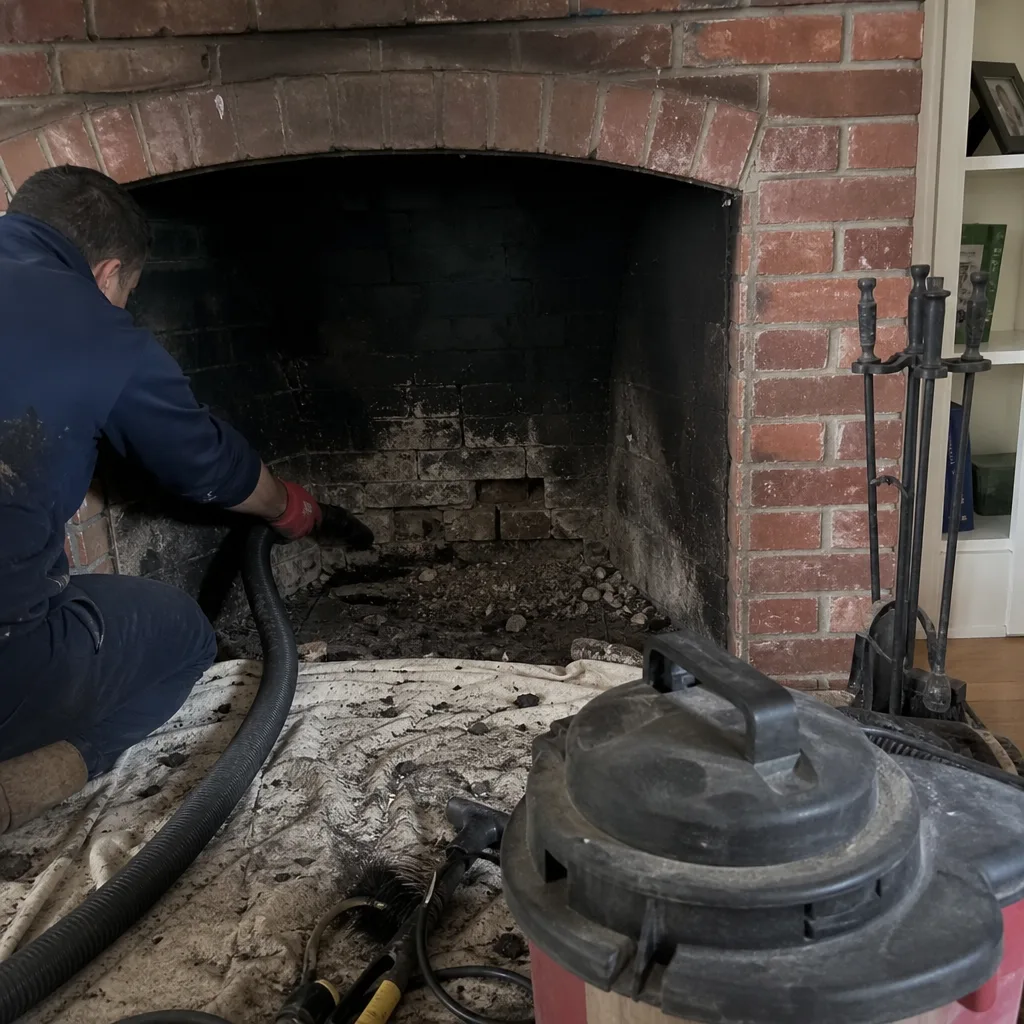 Before
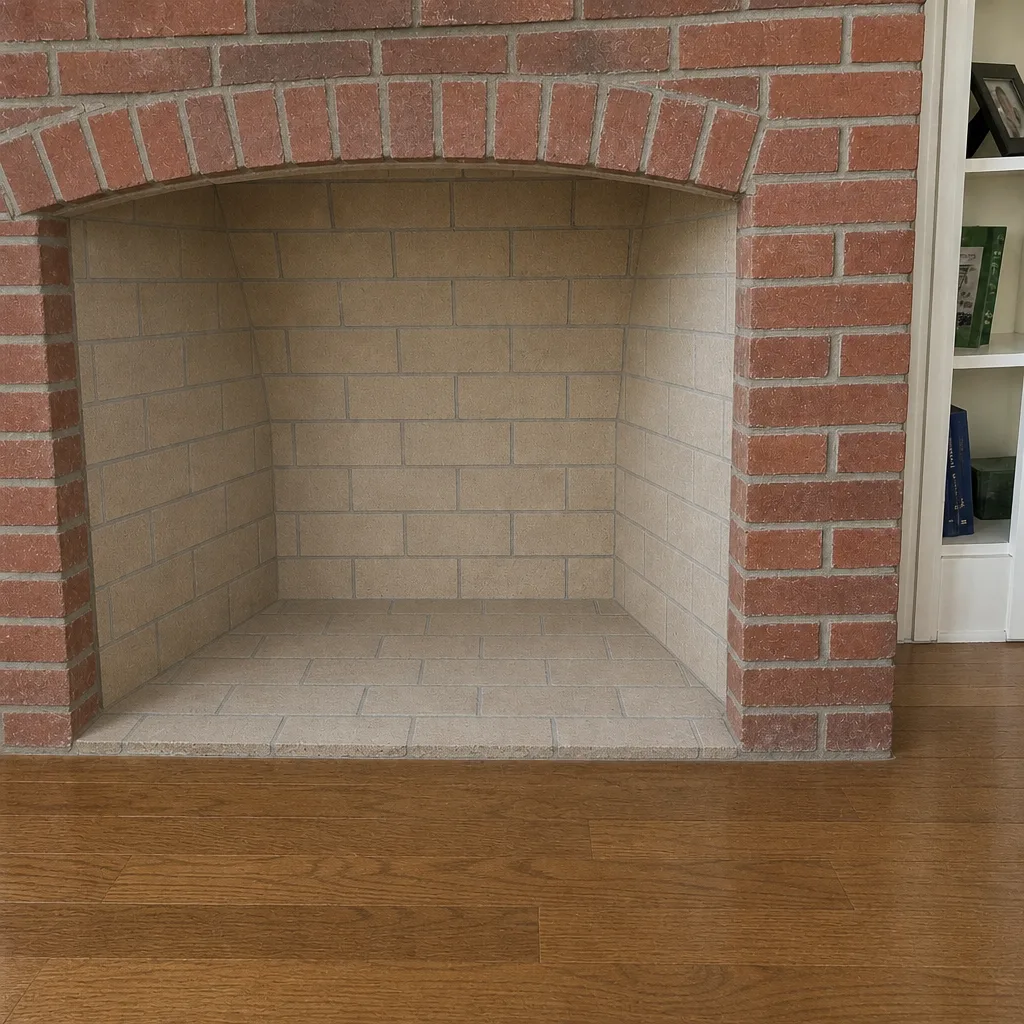 After
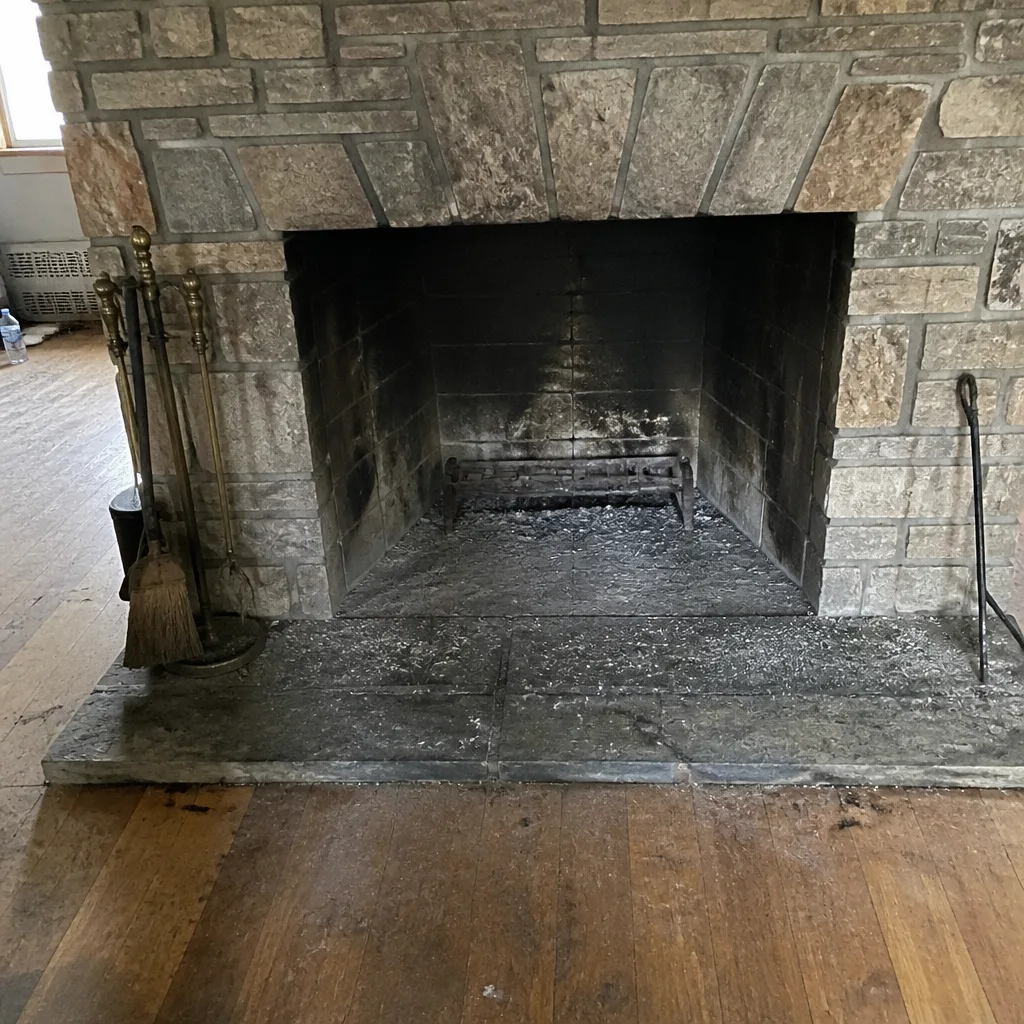 Before
 After
 Before
 After
When to Call a Professional
Call a chimney specialist when anything about the flue, crown, or appliance changes – a new fireplace insert, a persistent smell of smoke in the room, visible brick deterioration at the roofline, or a CO detector that has any history of alarm. Call before a home sale if the chimney has any repair history you’re not sure was permitted. Call after a chimney fire, a lighting strike on the chimney, or a weather event that may have loosened the cap or crown. And call for the routine annual service that keeps the whole system on schedule. Chimney Sweep Parkchester offers free estimates in Parkchester – call (855) 550-7313. We answer 24/7. Fast dispatch from 7am to 7pm, Sunday through Friday.
Frequently Asked Questions
No. Routine chimney cleaning, a Level 1 visual inspection, and a same-size cap replacement do not require a NYC DOB permit. Permits become relevant when the work changes the venting system, such as relining, crown reconstruction, or structural repair. Call (855) 550-7313 for an exact quote – estimates are free.
You need a new liner only when camera footage shows the existing liner has failed joints, cracks through the wall, or a cross-section that’s no longer properly sized for the appliance. Ask to see the camera stills before agreeing to anything. If the liner is intact, HeatShield resurfacing can sometimes restore the flue without a full reline; if it’s failed, no amount of cleaning will fix it. Our technicians photograph the flue and show you what’s there before any recommendation is made. Call (855) 550-7313 for a camera inspection quote – estimates are free.
A wood-burning chimney should be swept annually, and more often if you burn frequently or burn unseasoned wood. A gas fireplace vented through the chimney should be inspected annually even though it produces less creosote. The annual rhythm keeps the inspection and the cleaning on the same schedule, which is also what a home sale will want to see. Call (855) 550-7313 to book an annual sweep – estimates are free.
Chimney work is governed by the New York City Building Code, specifically the fuel gas and mechanical provisions for venting, and by the Department of Buildings’ filing procedures for alterations. Alteration work on the chimney is typically filed as an Alt-2. Local Law 11 adds a separate facade inspection obligation for buildings over six stories, which can touch the chimney where it’s part of the exterior wall system. Call (855) 550-7313 for a code-aware inspection – estimates are free.
The city doesn’t mandate a chimney inspection as part of a home sale in the strict sense, but in practice a buyer’s inspector will always look at the chimney, and an inspector who finds work without a permit can trigger a long closing delay. A pre-listing inspection is the practical answer – it turns an unknown into a documented record before a buyer has leverage. Call (855) 550-7313 to book one – estimates are free.
Skipping inspection lets two quiet failures compound: creosote buildup inside the flue and deterioration on the outside. Both are invisible from the room, and both raise the cost of the eventual repair because what starts as a resurfacing becomes a full reline. If you’re within the annual cycle in Parkchester, the right move is to book; if you’ve missed a few years, book a Level 2 camera inspection so you know exactly what you’re working with. Call (855) 550-7313 – estimates are free.
The Bottom Line
The core rule in Parkchester: cleaning, a Level 1 inspection, and cap replacement are maintenance and don’t require a permit. Relining, crown reconstruction, and structural repair do, and they’re filed by a licensed contractor through the NYC DOB. A Level 2 camera inspection is what documents those repairs and what a buyer, an insurer, or a permit reviewer will actually want to see. CO detector compliance under §27-981.1 is a separate obligation and belongs in place regardless of chimney condition. For buildings over six stories, Local Law 11 is a parallel facade obligation that occasionally overlaps the chimney and needs coordinated documentation. The clean path through all of it: proper inspection, proper filing, proper records. Chimney Sweep Parkchester works with professional-grade brands like DuraFlex, HeatShield, Gelco, and Olympia Chimney because the material matters when the repair has to hold up on record and in the flue. Our technicians have up to 8 years of experience assessing Parkchester chimneys and fireplaces, and we cover the whole lifecycle from Chimney Sweep Parkchester service through repair. Call (855) 550-7313 for a free estimate. We answer 24/7. Fast dispatch from 7am to 7pm, Sunday through Friday.
Written by the team at Chimney Sweep Parkchester.