
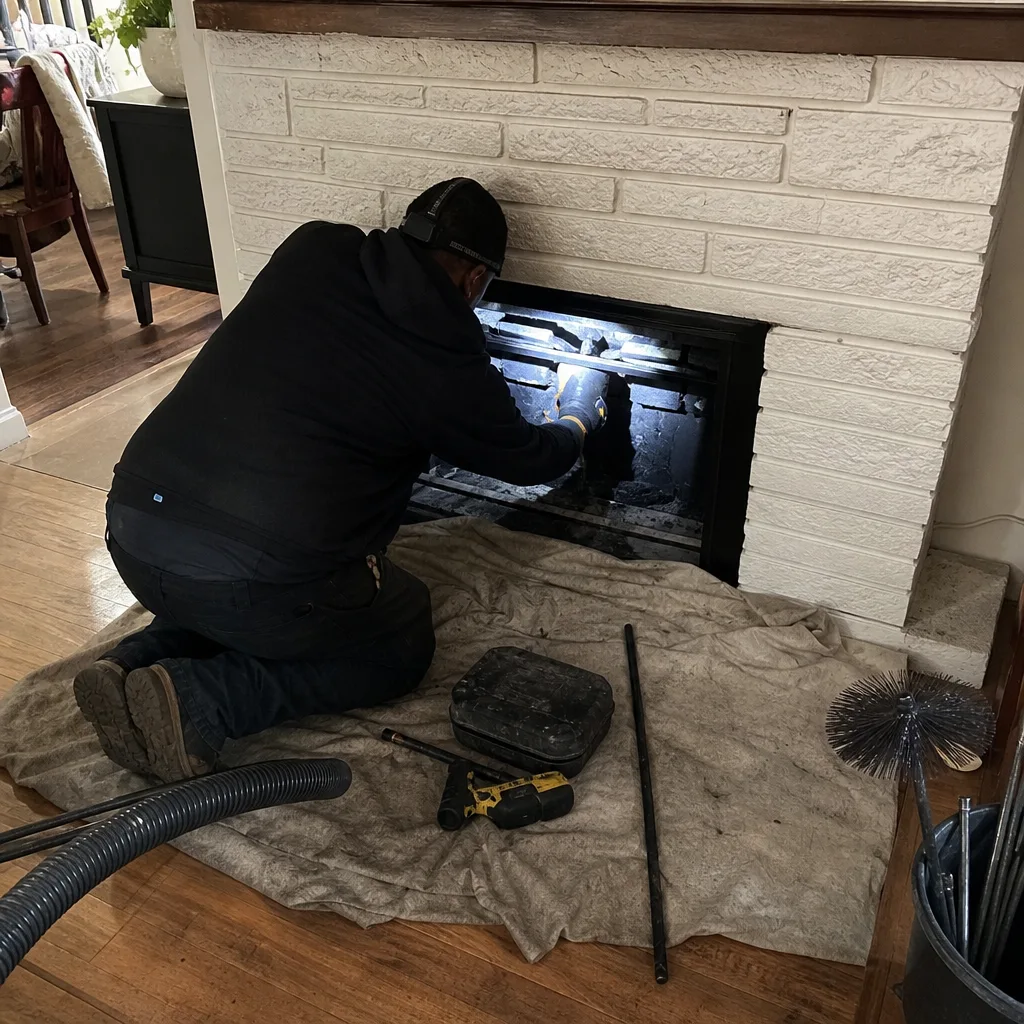
 Sweep & inspection
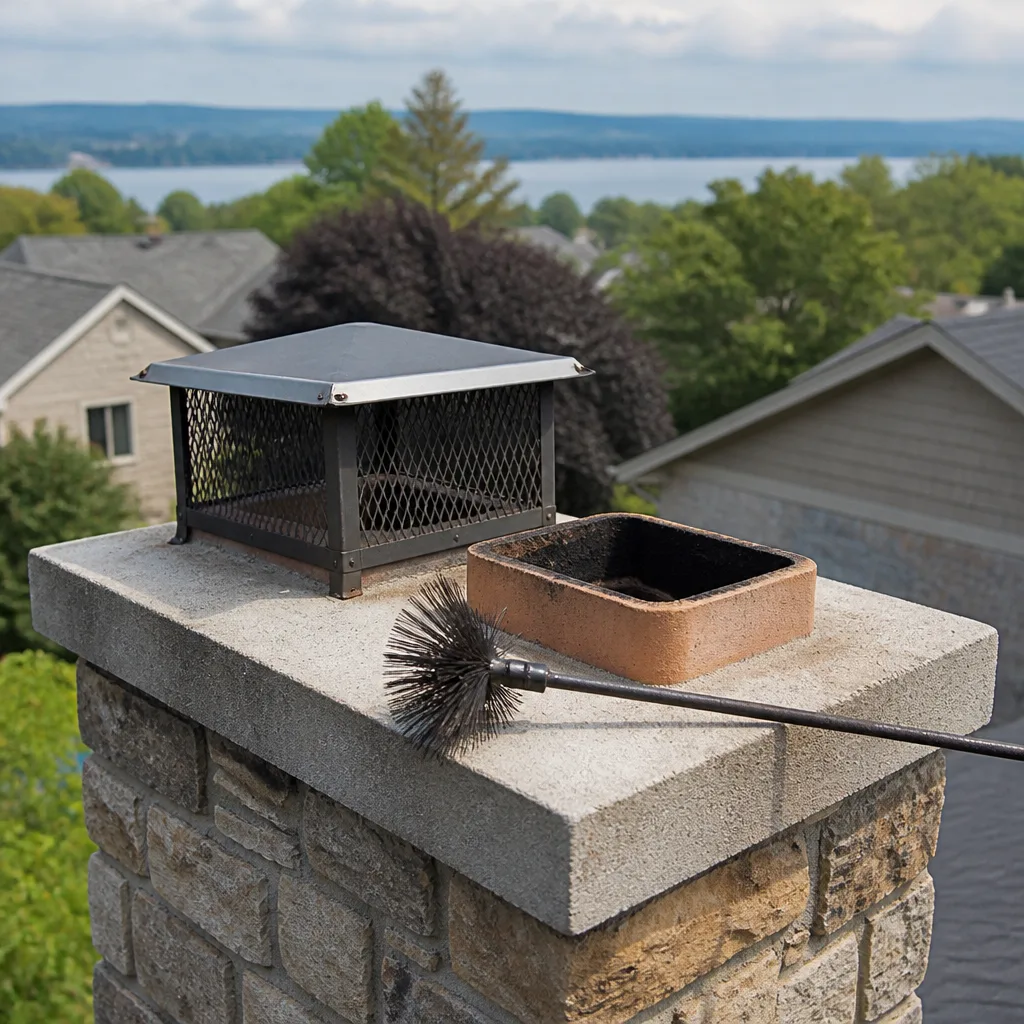
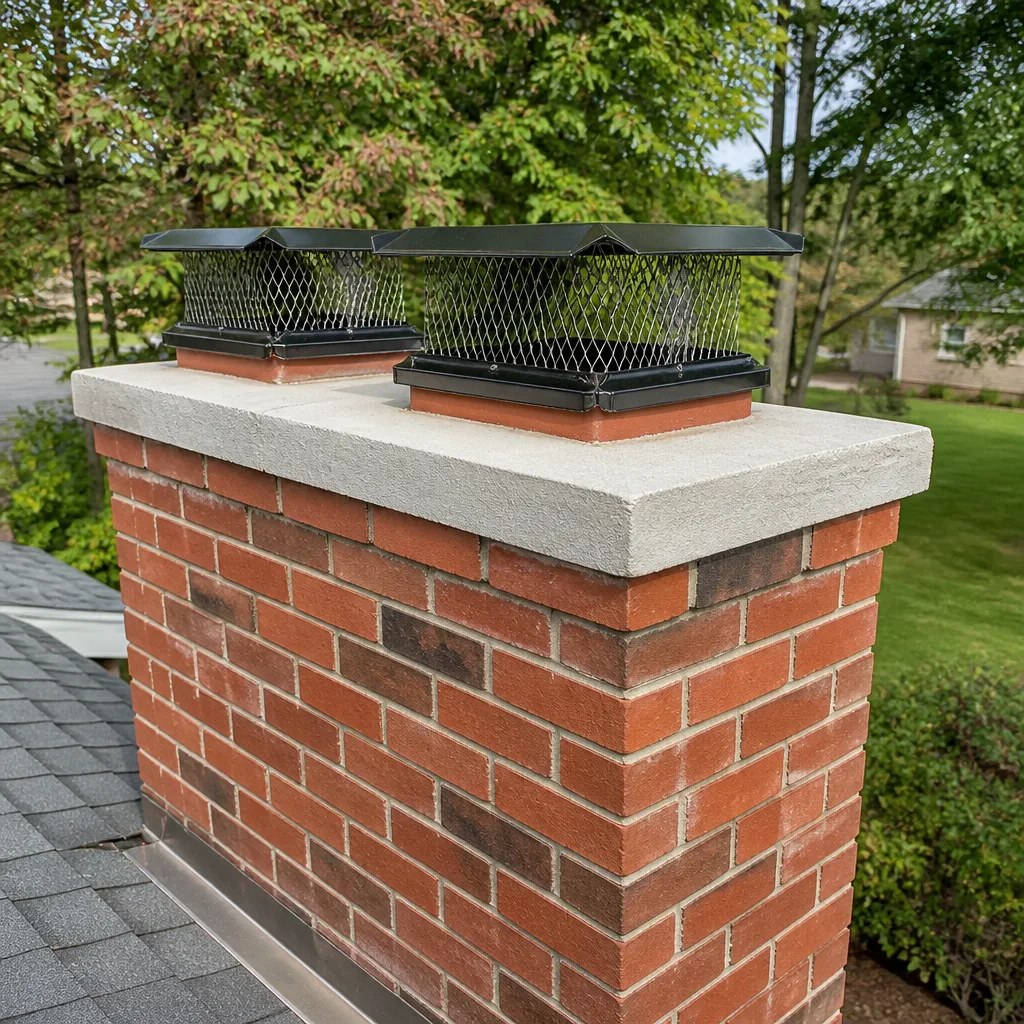 Caps & crowns
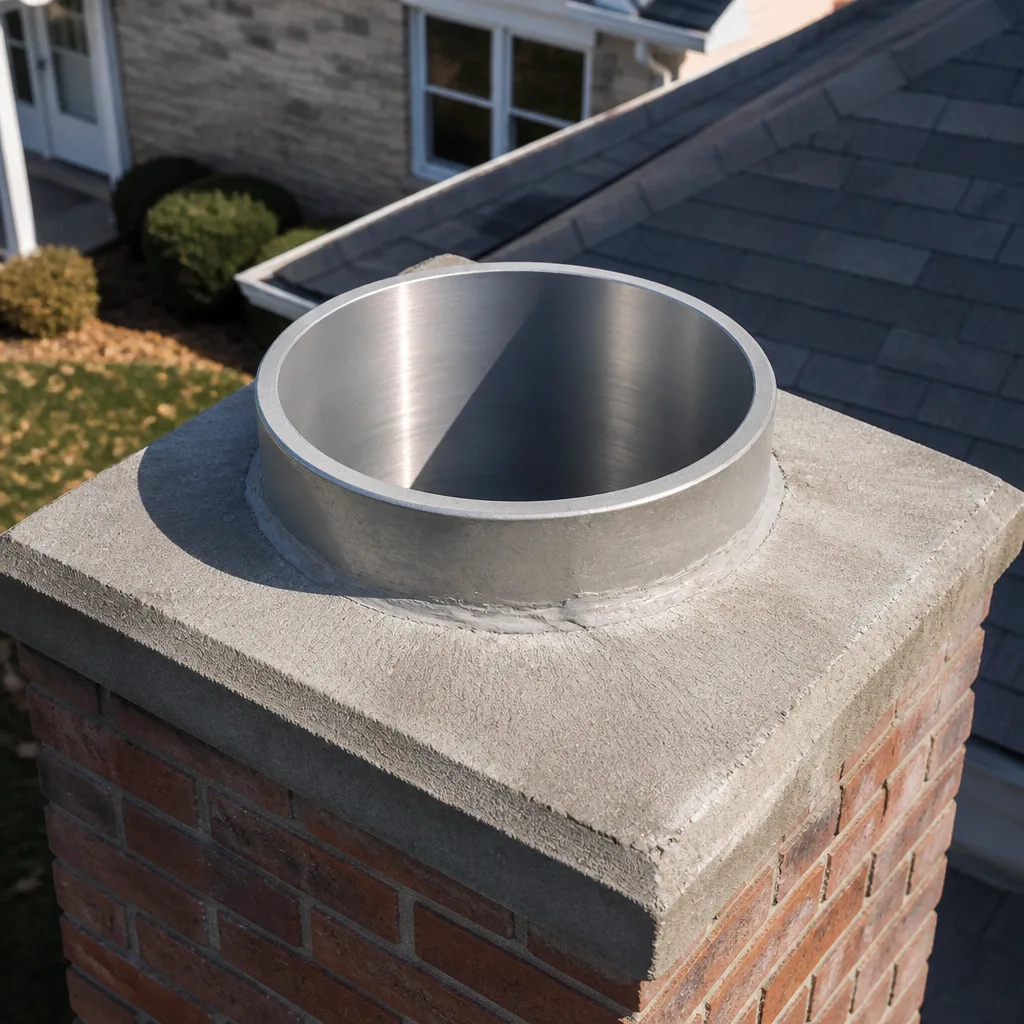 Flue relining
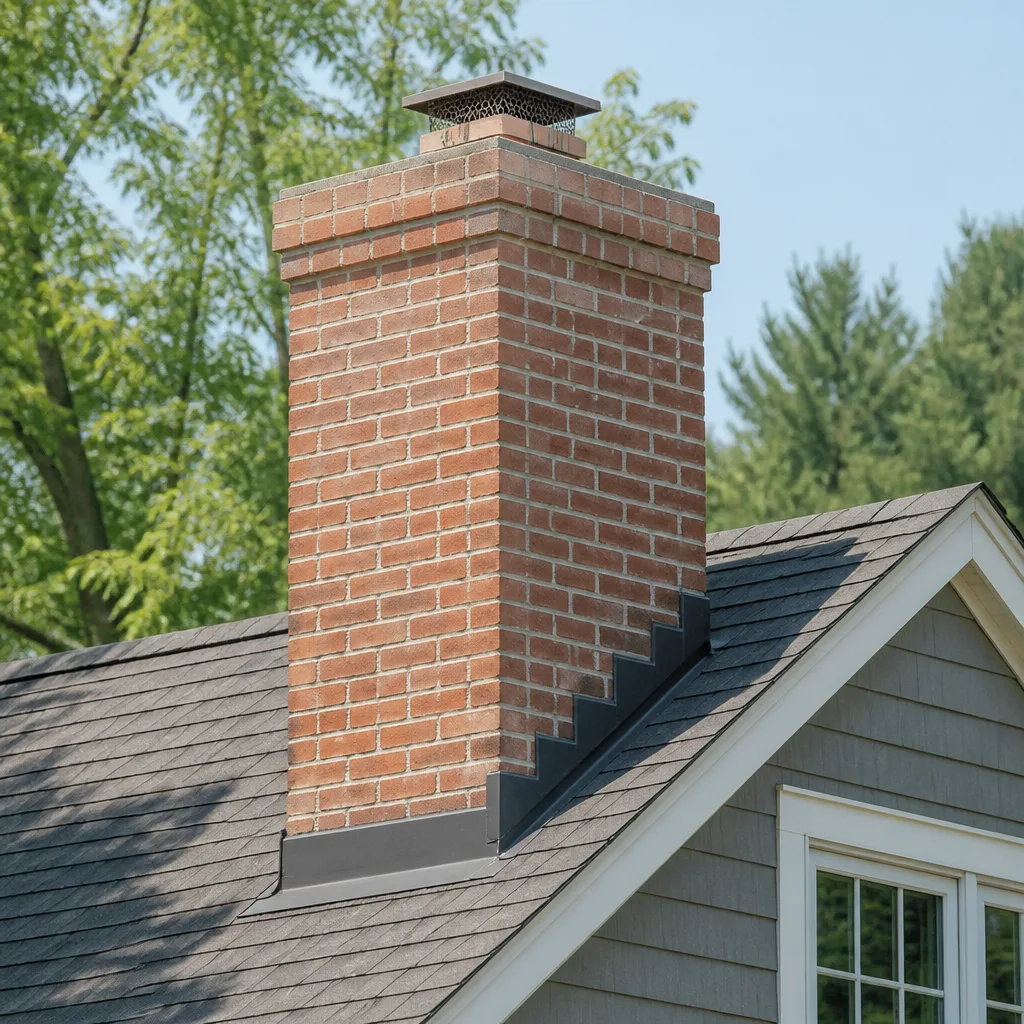 Masonry repair
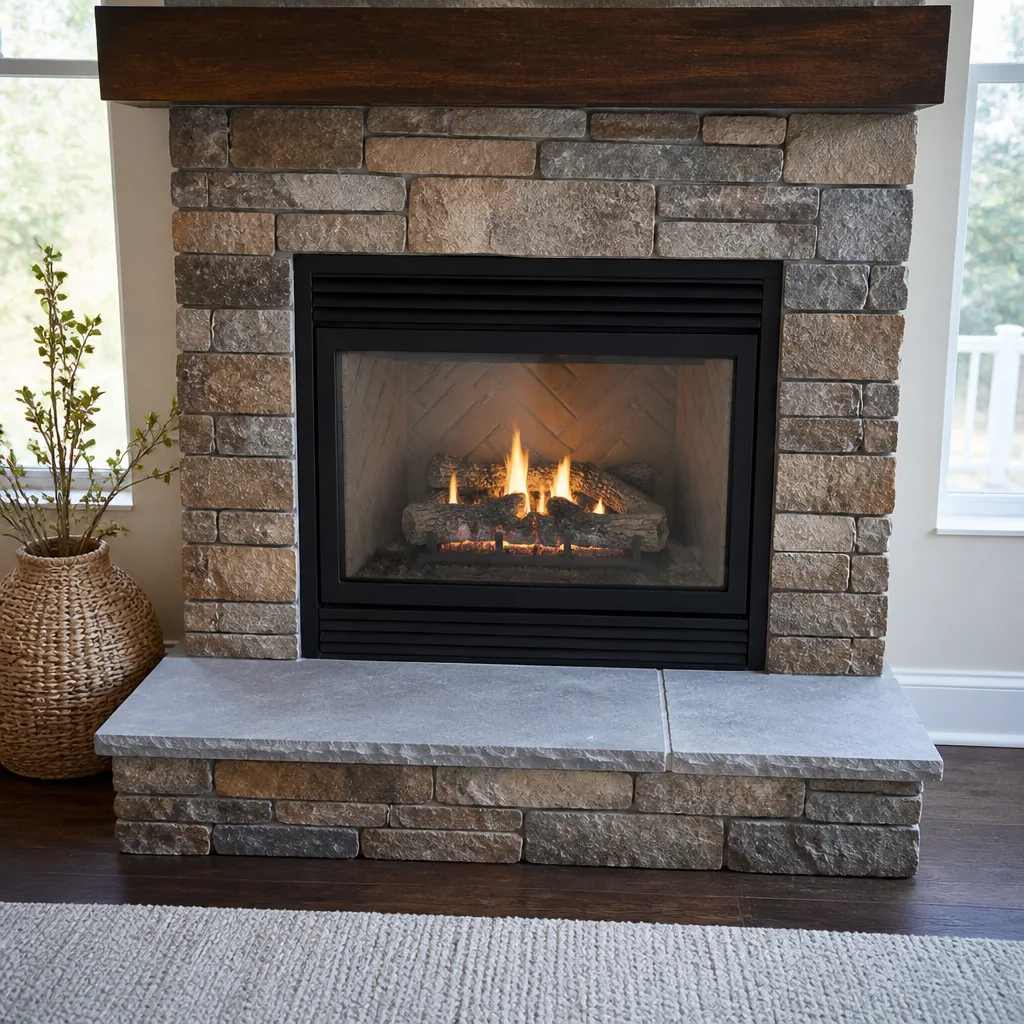 Gas fireplace service
Level 1 sweep and inspection to the NFPA 211 annual standard - flue, crown, cap, and flashing checked and photographed
Chimney sweep logs do not sweep chimneys. They loosen some creosote - which then falls where a brush and vacuum still have to collect it.
Styles & brands we work with
- Sweep & inspection
- Caps & crowns
- Flue relining
- Masonry repair
- Gas fireplace service
See the difference
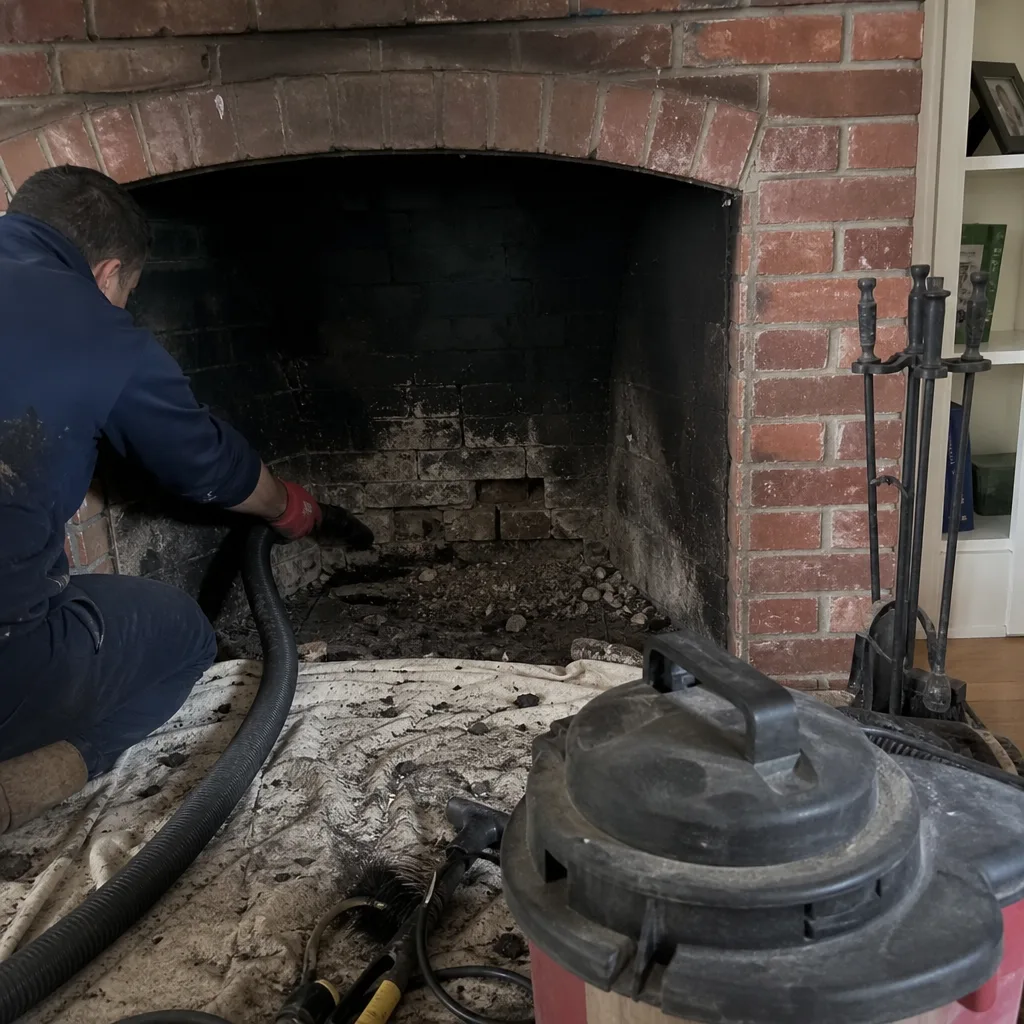 Before
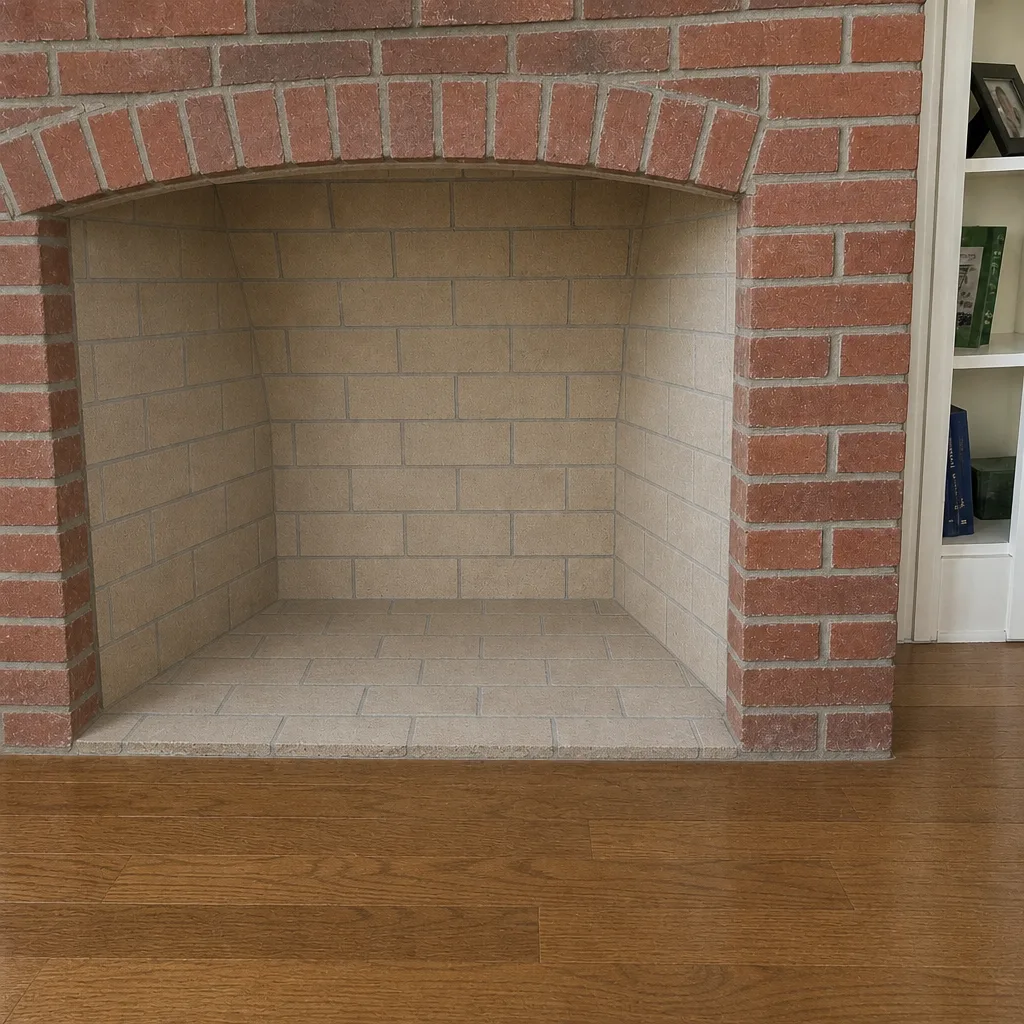 After
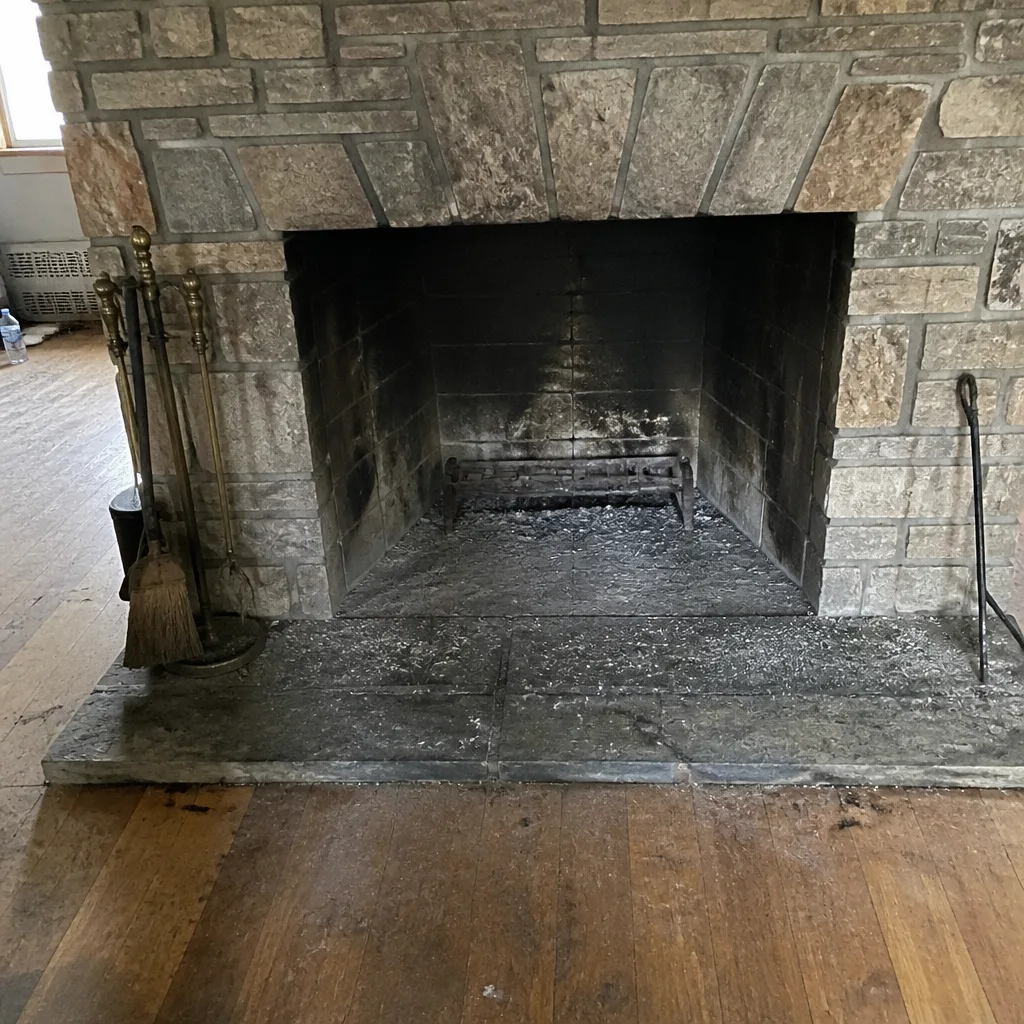 Before
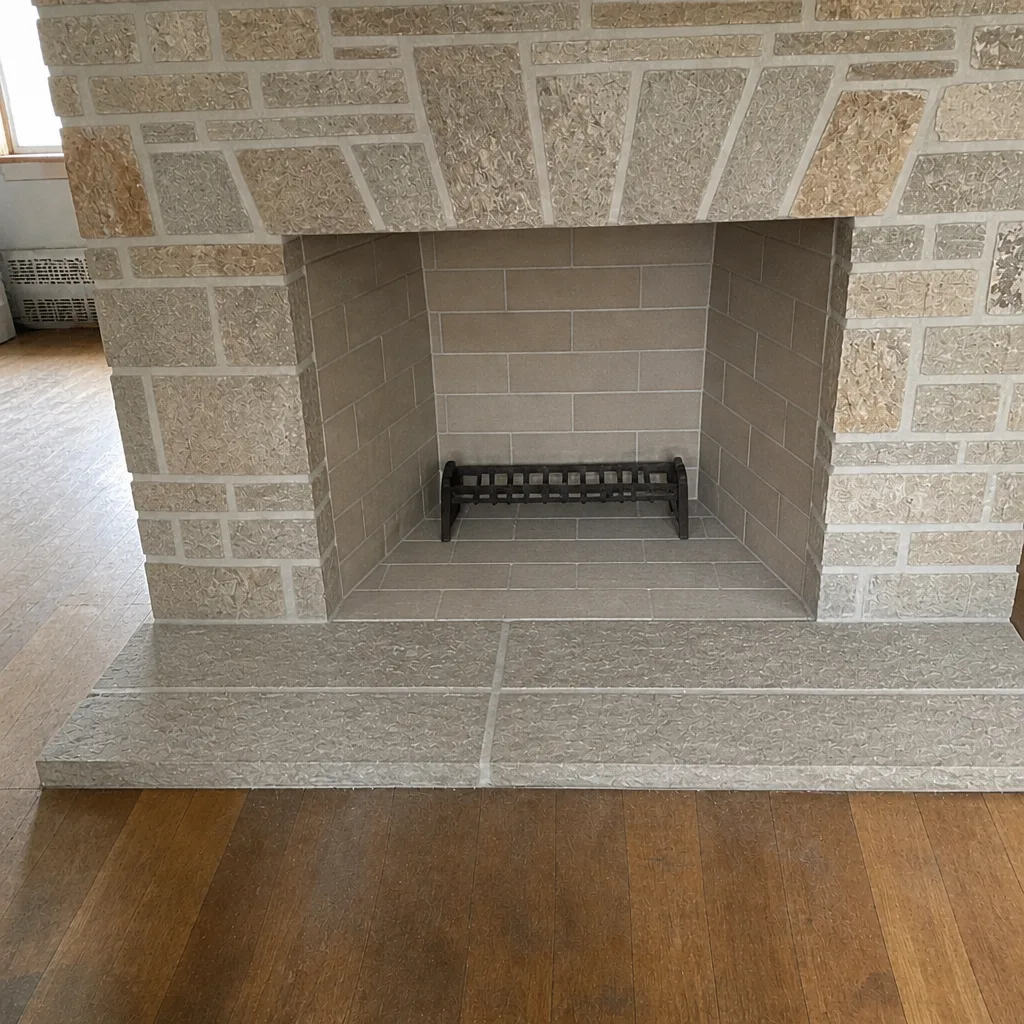 After
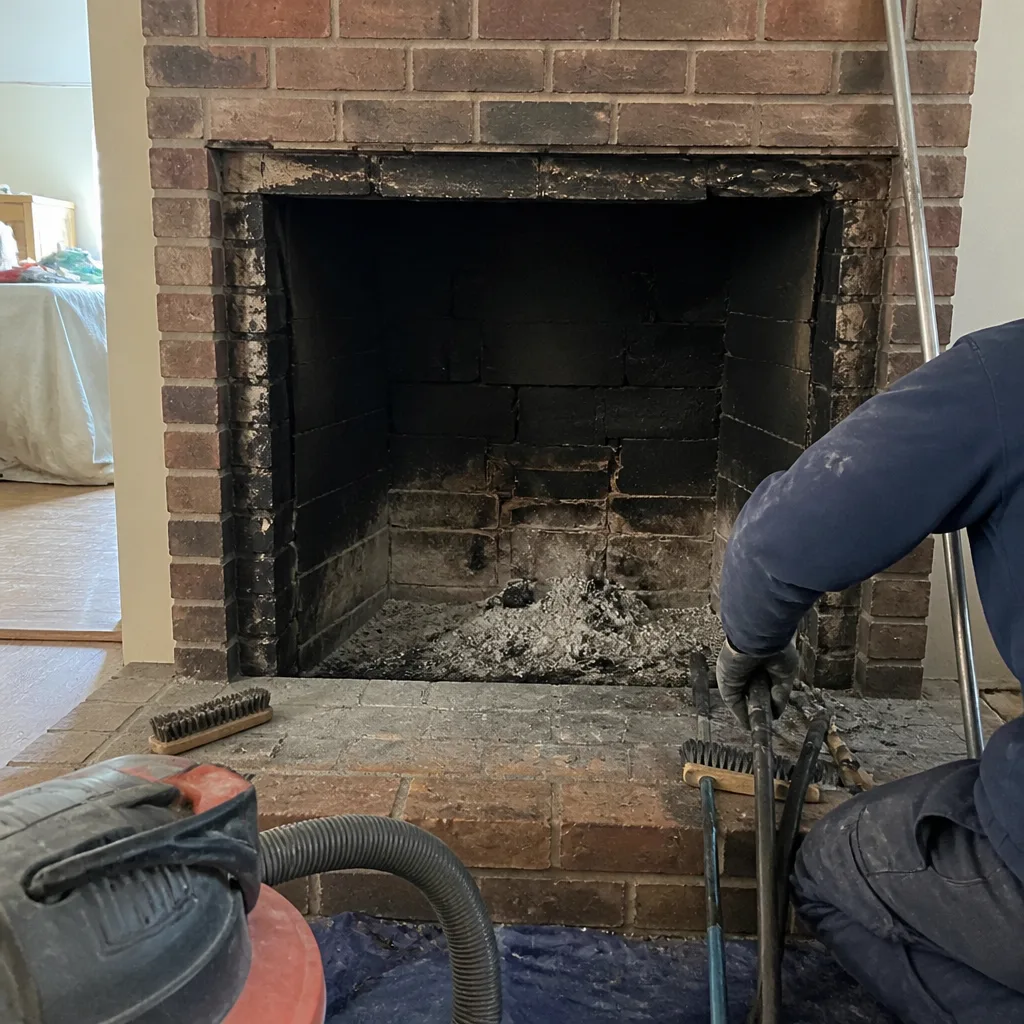 Before
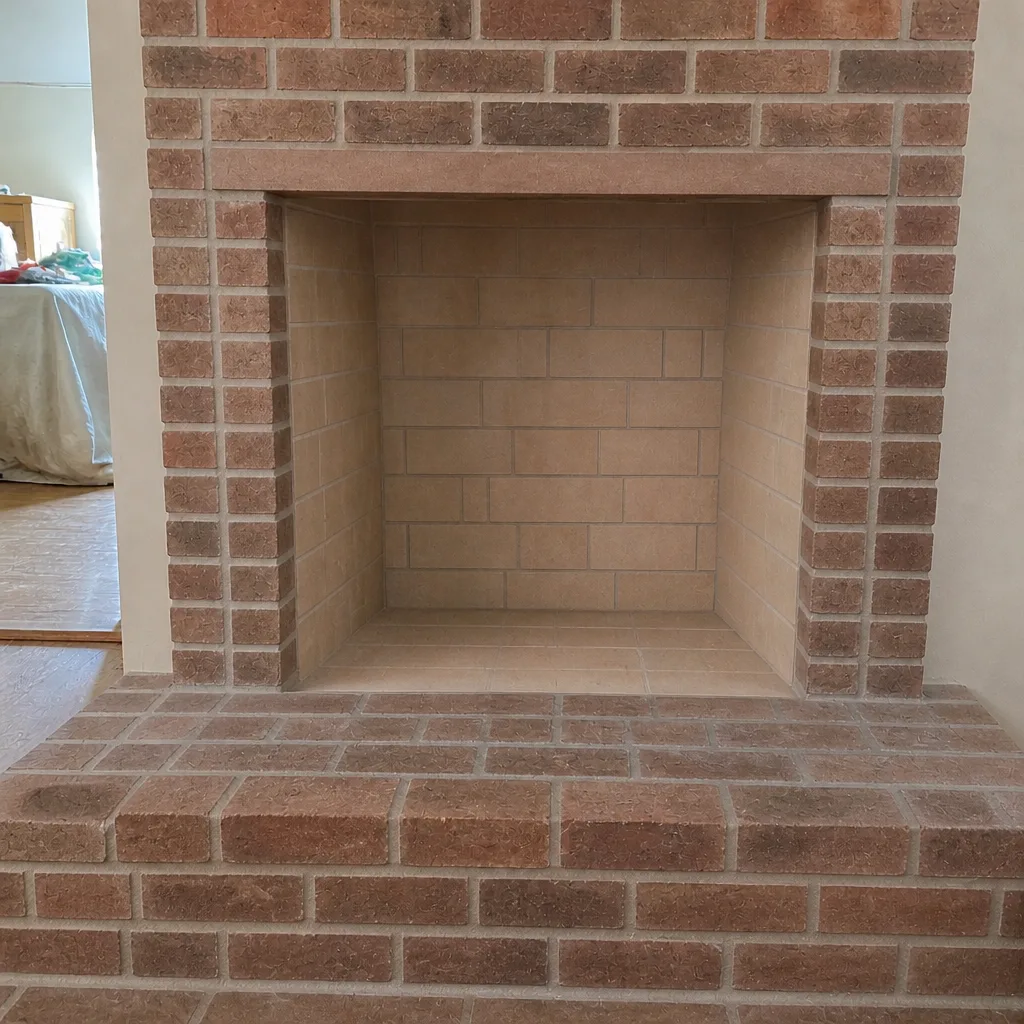 After
How Much Does Chimney Cleaning Cost in Longwood?
Chimney cleaning in Longwood typically costs $150 to $350 for a standard sweep, and most homes fall near the middle of that range at $200 to $275. If you add a Level 2 inspection at the same visit, expect $250 to $450 total. A sweep alone tells you the flue is clear; an inspection tells you whether the chimney is sound, and pairing them in one visit is the practical way to book it.
Key Takeaways
- A standard sweep runs $150 to $350 depending on flue access and how much creosote has built up.
- Sweep plus a Level 2 camera inspection lands at $250 to $450.
- Repairs found during cleaning add cost: a new cap runs $150 to $450, crown repair $300 to $900, and liner resurfacing with HeatShield $1,200 to $2,500.
- Estimates are free, and the written estimate is what sets your final price.
Chimney Cleaning Cost Breakdown (2026)
Here’s how the line items break down for a typical wood-burning chimney in Longwood. These are estimated ranges, and the exact figure depends on your flue, your roof, and what we find once we’re up there.
| Service | Typical Range (2026) | What It Covers |
|---|---|---|
| Standard chimney sweep | $150 – $350 | Removal of soot and creosote from the flue, firebox, smoke chamber, and damper area |
| Level 1 inspection | $75 – $150 | Visual check of accessible chimney components, often bundled with a sweep |
| Level 2 inspection | $150 – $300 | Camera scan of the flue interior, plus attic and crawlspace checks where accessible |
| Sweep + Level 2 inspection | $250 – $450 | The most common combined visit when there’s no known problem |
| Creosote removal, heavy (glaze stage) | $300 – $700 | Mechanical removal of hardened, glazed creosote that a standard brush won’t touch |
| Chimney cap replacement (Gelco, Famco, Copperfield) | $150 – $450 | New cap sized to your flue for masonry or metal chimney configurations |
| Crown repair | $300 – $900 | Sealing cracks or rebuilding the crown that sheds water off the chimney top |
| HeatShield flue resurfacing | $1,200 – $2,500 | Ceramic resurfacing of deteriorating liner joints as an alternative to full relining |
| DuraFlex liner installation | $2,500 – $4,500 | New flexible liner for a damaged, unlined, or oversized flue |
| Fireplace repair (paired with chimney work) | $150 – $600 | Damper, firebox, and masonry repairs handled in the same visit |
What drives the price up is mostly access and condition. A chimney that comes up through the interior of the house is easier to work on than one on a steep exterior wall, and a chimney that hasn’t been cleaned in years takes longer than one maintained regularly. Heavy, glazed creosote sits at the top of the cost list because removing it safely takes mechanical tools and time, not just a brush.
What keeps the price down is booking the sweep and the inspection together. Two separate visits mean two setup costs. One visit does not.
What Affects Chimney Cleaning Pricing in Longwood
Chimney pricing isn’t a flat rate. Several things move the number, and most of them are about the chimney itself rather than the market.
- Chimney height and roof pitch. A taller flue or a steep roof means more setup time and more careful access. That has a real effect on the cost of chimney cleaning in Longwood, where older homes often have tall exterior masonry stacks.
- Creosote stage. Stage 1 creosote (light soot) brushes out easily. Stage 3, glazed creosote, is hard and tar-like and needs mechanical removal, which pushes a sweep toward the top of the range.
- Whether the chimney is lined. An unlined or poorly lined flue needs a closer look, and our recommendation usually shifts from a simple sweep toward a Level 2 inspection.
- Liner condition. Cracked or deteriorated liner joints change the discussion. HeatShield resurfacing covers many of these cases at a fraction of a full reline, but the lab-rated method only applies to certain liner materials.
- Masonry condition. Spalling brick, a cracked crown, or a missing cap means water is getting in, and that’s a repair, not a cleaning cost. A sweep without an inspection only tells you half the story.
- Fireplace type and use. A wood-burning fireplace that sees heavy seasonal use builds creosote faster than a gas appliance. Gas fireplaces have their own venting considerations, but the sweep itself is usually quicker.
Longwood’s winters run cold and long enough that a fireplace sees serious use from fall through early spring. That’s the main reason a yearly sweep matters here more than in a milder climate. It’s also the reason we work exclusively on chimneys and fireplaces, since the seasonal load on these systems in this part of New York is real.
Chimney Cleaning vs. Chimney Inspection: What Are You Actually Paying For?
A sweep removes creosote. An inspection tells you what condition the chimney is in. They’re different jobs with different price tags, and the confusion between them is the single biggest reason homeowners get surprised by a bill.
A standard sweep clears the flue, firebox, smoke chamber, and damper area of soot and creosote. It makes the chimney safer to use and reduces the fire risk the creosote buildup creates. What a sweep doesn’t do is tell you whether the liner is cracked, whether the crown is failing, or whether the masonry has a hidden problem.
That’s where the inspection comes in. A Level 2 inspection runs a camera through the flue and checks the parts you can’t see from the firebox. When we combine the two visits, you get a clean chimney and a clear picture of its condition, which is the reason most homeowners book both together. If we find a problem, we tell you what it is and what it costs to fix, and you decide from there.
How to Save on Chimney Cleaning
The best savings on chimney work come from timing and prevention, not from hunting down the lowest bid. Here’s what actually works:
- Book the sweep before the season heats up. The busiest call months are on the way into winter. Getting the sweep done ahead of that schedule gives you flexibility, and flexibility is where the good scheduling lives.
- Get the inspection at the same visit. One setup, one visit, less cost than two appointments weeks apart. Ask for both when you book.
- Stay on a yearly sweep if you burn wood regularly. A maintained chimney is a cheaper chimney to keep. A neglected flue moves from a $200 sweep toward $700 in heavy creosote removal.
- Fix the crown before it fails. Crown repair at $300 to $900 is a fraction of what water damage and masonry rebuilding cost once the crown has been leaking for a couple of winters.
- Take the resurfacing option when it fits. HeatShield ceramic resurfacing runs $1,200 to $2,500 for deteriorating joints, well below a full DuraFlex liner install at $2,500 to $4,500. When the liner qualifies, this is the cost-saving route.
- Get a free written estimate. We price per job by written estimate, so there’s no ambiguity about the number. Call (855) 550-7313 for a free estimate and we’ll give you the range before anyone shows up.
Chimney Cap and Crown Costs in Longwood
Caps and crowns are the parts of the chimney most exposed to weather, and they’re also where a lot of preventable damage starts. A cap runs $150 to $450, sized to your flue and installed with professional-grade components from Gelco, Famco, or Copperfield depending on whether the chimney is masonry or metal. Crown repair runs $300 to $900, and that covers sealing hairline cracks through rebuilding the whole top when it’s past saving.
A missing or rusted cap lets water, birds, and debris straight into the flue. A cracked crown lets water into the masonry behind it. Both problems get more expensive with every freeze-thaw cycle, and Longwood’s winters give you plenty of those. From cap to firebox, every component gets checked on the same visit.
Why the Brand on the Parts Matters for Your Price
Chimney pricing isn’t just labor. The materials matter, and the difference between a generic cap installed by a generalist and a professional-grade one installed by a chimney specialist shows up on your invoice and again in ten years when the generic one has rusted through.
We work with DuraFlex, HeatShield, Gelco, Olympia Chimney, Famco, and Copperfield. That portfolio covers both masonry caps and metal chimney options across a wide range of flue sizes. We bring the right material for the repair, not whatever’s on the truck, and that means the price quoted is for the part that actually fits your chimney. A DuraFlex liner is a professional-grade product used by certified chimney specialists, and a properly sized liner is cheaper than a flue that fails because a cheaper, wrong-sized liner was squeezed into it.
We bring the same approach to Chimney Sweep Parkchester’s full-service lineup: sweeping, cap and crown installation, repair, fireplace repair, and inspection. Both the appliance and the venting system get serviced as a connected unit, in a single visit.
When a Sweep Turns Into a Repair
Sometimes a $200 sweep reveals a $2,000 problem. That’s not a bait-and-switch; it’s the point of the inspection. The most common things we find, in rough order of how often they come up, are cracked crowns, missing or damaged caps, deteriorated liner joints, and a firebox or damper that hasn’t worked right in years.
The good news is that catching these early is the whole game. A damaged flue liner isn’t cosmetic; it means the flue isn’t containing what it’s supposed to contain, and a flue that isn’t doing its job is the kind of thing a chimney specialist should look at before the next fire. If a liner is deteriorated, HeatShield ceramic resurfacing restores the joints without a full reline. If it’s past that, a DuraFlex flexible liner restores the whole flue. Either way, you get a diagnosis and a price, not a guess.
How Often Should You Have the Chimney Cleaned in Longwood?
Once a year for an active wood-burning fireplace, and again any time you notice a buildup that’s more than light soot on the firebox walls. The frequency matters more here than in places where a fire gets lit a couple of times a season, because most Longwood chimneys see real use from October through March.
Gas fireplace venting is a different story. It builds less creosote but can still collect debris and needs a visual inspection. If your flue is a metal type, ask about it at the estimate. Some configurations are simpler to check than others.
Safety: What a Sweep Should Never Do
Chimney work involves height, a working flue, and the risk of a fire if a problem is missed. A technician on a roof or inside a flue is working in a genuinely hazardous spot, and there are parts of this work no homeowner should attempt. We don’t hand out instructions for going up on a roof or opening a flue for inspection on your own, and we won’t talk a homeowner into it. A trained technician with the right equipment is the safe route, and it’s the reason this is a job to book, not a project to start on your own.
FAQs – Chimney Cleaning Cost
How much does chimney cleaning cost in Longwood in 2026?
$150 to $350 for a standard sweep in Longwood, with most jobs landing between $200 and $275. Pairing the sweep with a Level 2 inspection runs $250 to $450 total. Call (855) 550-7313 for a free estimate, and we’ll give you a range before we book.
Is chimney cleaning really necessary every year?
Yes, for a wood-burning fireplace with regular use. A yearly sweep costs $150 to $350, and skipping it lets creosote build up until the same chimney needs $300 to $700 in heavy creosote removal. The cheapest chimney is the one kept clean on a yearly schedule. Call (855) 550-7313 to schedule a sweep.
Is it cheaper to repair or replace a chimney liner?
Repair is almost always cheaper when the liner qualifies. HeatShield resurfacing runs $1,200 to $2,500, while a full DuraFlex liner installation runs $2,500 to $4,500. We assess the liner on the inspection and tell you which option fits. Call (855) 550-7313 to book the assessment.
How much does a chimney cap cost in Longwood?
$150 to $450 depending on the flue size and material, installed. Caps are one of the smaller line items on a chimney bill, but a missing cap is one of the leading causes of water and animal damage to a flue. Call (855) 550-7313 for a free estimate on the cap that fits your chimney.
Can you come out the same day for a chimney problem?
Often, yes. We answer 24/7 and offer fast dispatch from 7am to 7pm, Sunday through Friday. A call outside dispatch hours gets booked into the next opening. Call (855) 550-7313 and we’ll tell you the soonest slot for a free estimate.
Do you handle chimney repair, or just cleaning?
Both, in the same visit. Chimney Sweep Parkchester covers sweeping, cap and crown installation, repair, fireplace repair, and inspection, so the appliance and the venting system get looked at together instead of by two separate contractors. Call (855) 550-7313 for a free estimate.
Book Your Free Chimney Estimate in Longwood
Chimney cleaning in Longwood runs $150 to $350 for most homes, and the written estimate is what sets your final price. Our technicians have up to 8 years of experience on chimneys and fireplaces, and we handle the sweep, the inspection, and any repair the visit turns up, without sending you to a second contractor. A free estimate costs you nothing but a phone call.
Call (855) 550-7313. We answer 24/7. Fast dispatch from 7am to 7pm, Sunday through Friday. Tell us what’s going on with your fireplace and we’ll book the right visit.
Pricing reflects the Longwood market as of 2026. Chimney Sweep Parkchester offers free estimates – call (855) 550-7313.
Written by the team at Chimney Sweep Parkchester.
What Our Customers Say
"Level two inspection before we bought the house. The report was detailed enough to use as a negotiating point and he explained every photo in it."
- Keisha Robinson"Crown was cracked and taking water. Repaired it rather than quoting a rebuild, which the previous company had pushed hard for."
- Heather Mercer"Creosote buildup was worse than I realized. He measured it, showed me the glazing on the flue with the camera, and was honest that we were closer to a chimney fire than I wanted to hear."
- Gilbert Vargas