
Last updated November 25, 2026
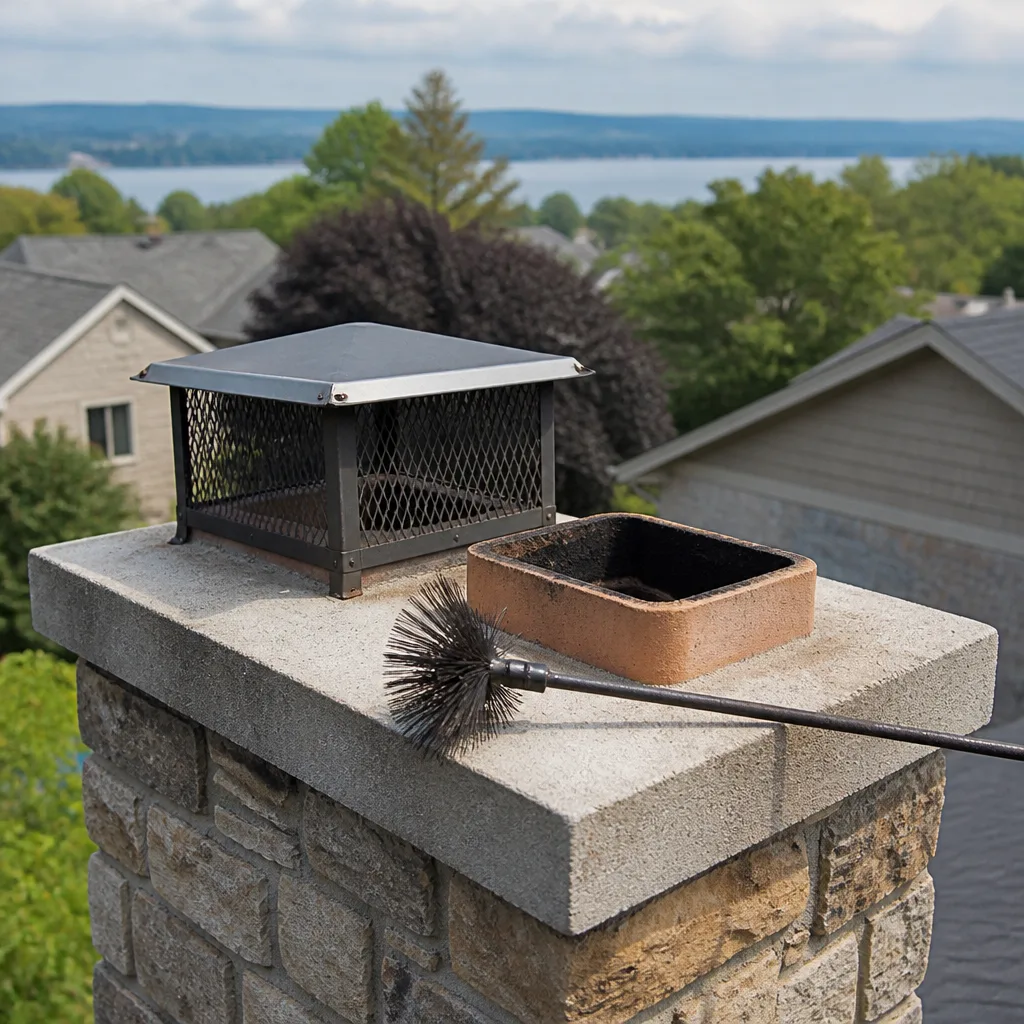 Sweep & inspection
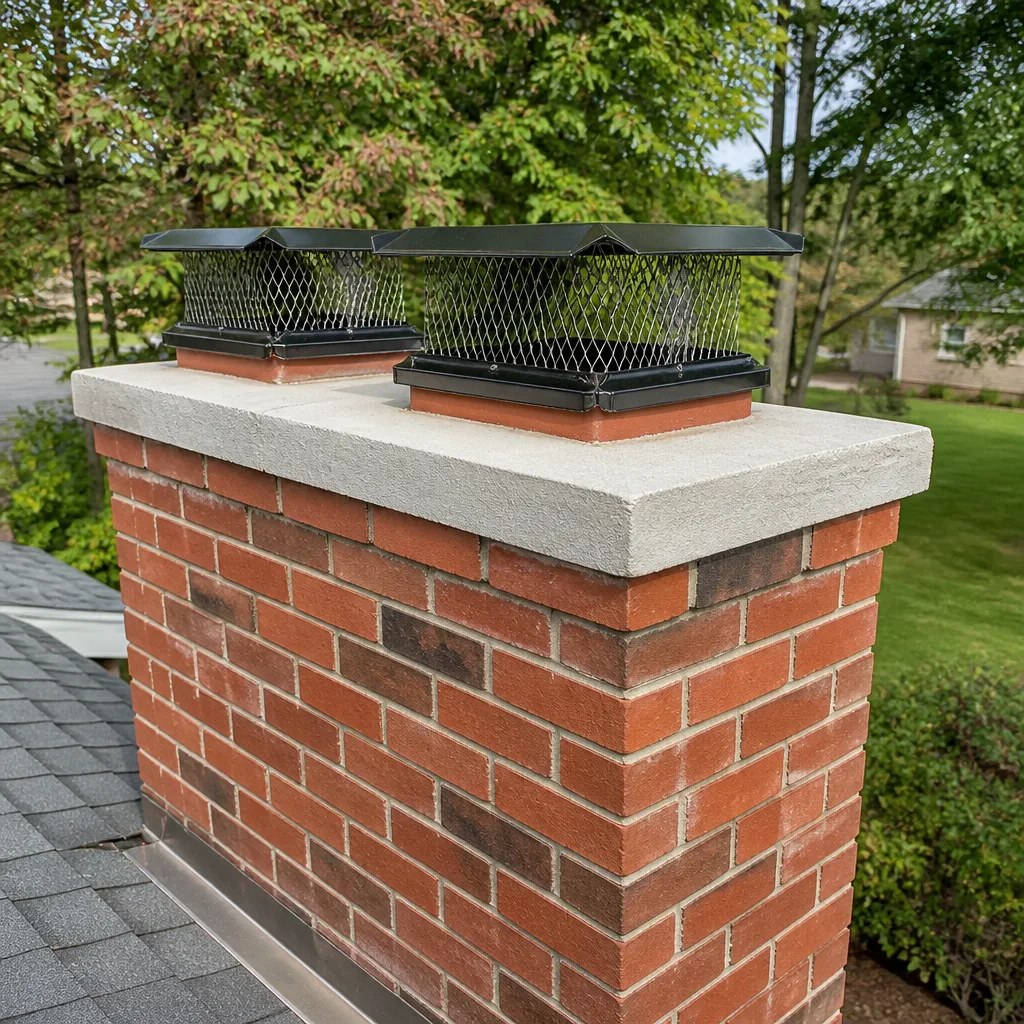 Caps & crowns
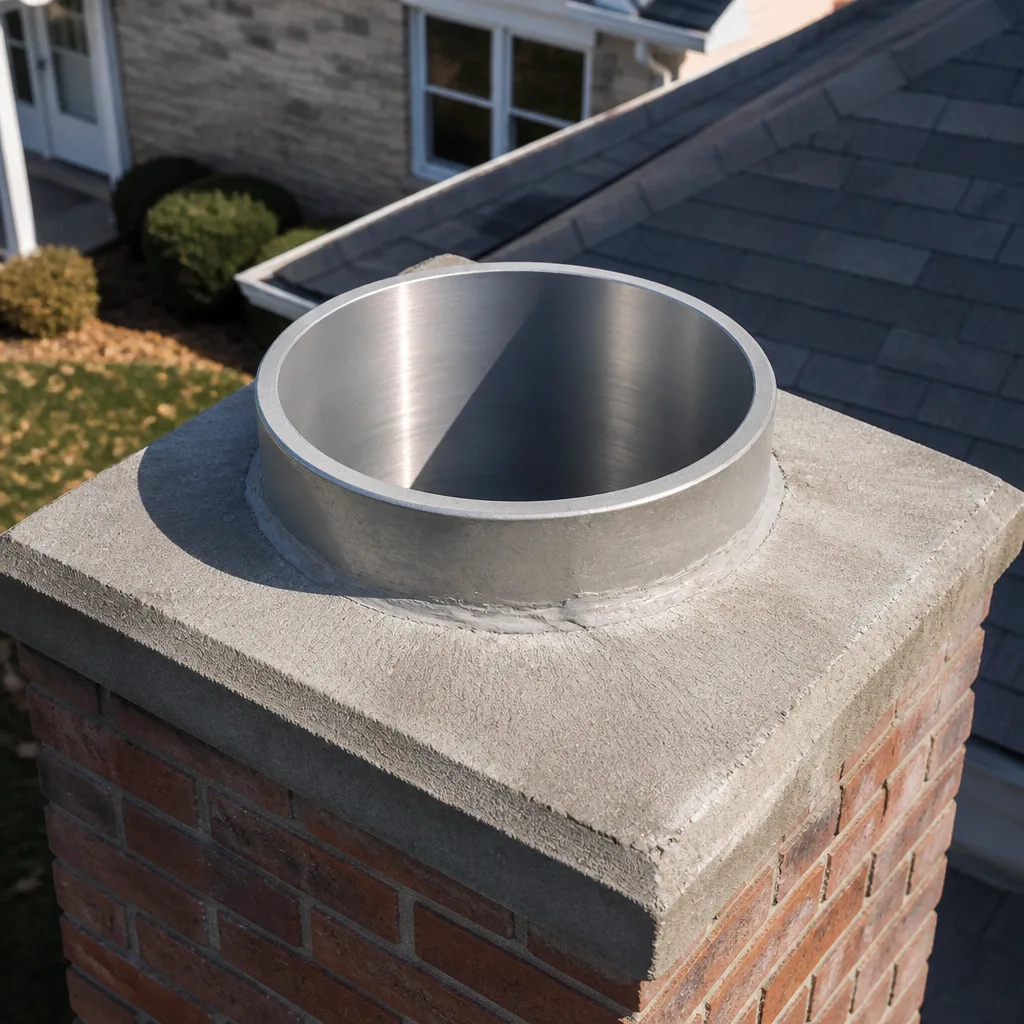 Flue relining
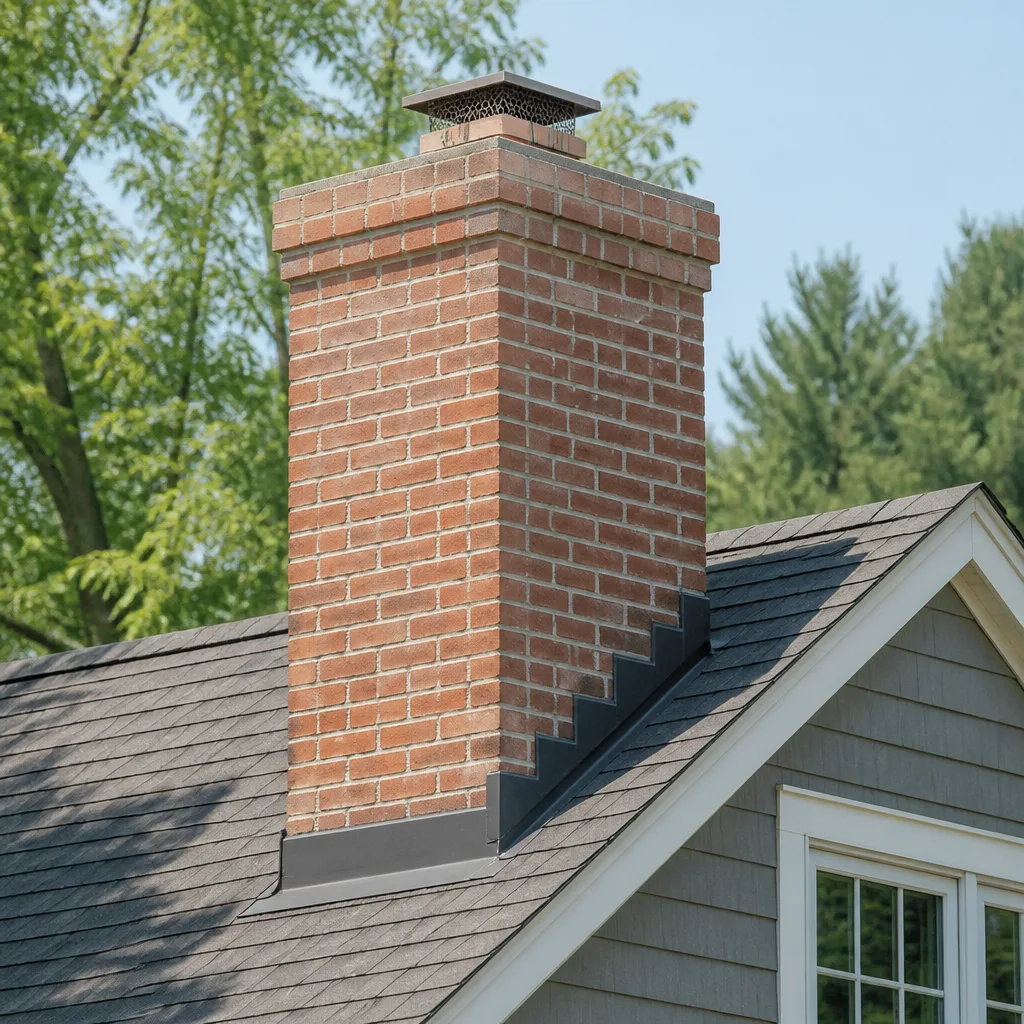 Masonry repair
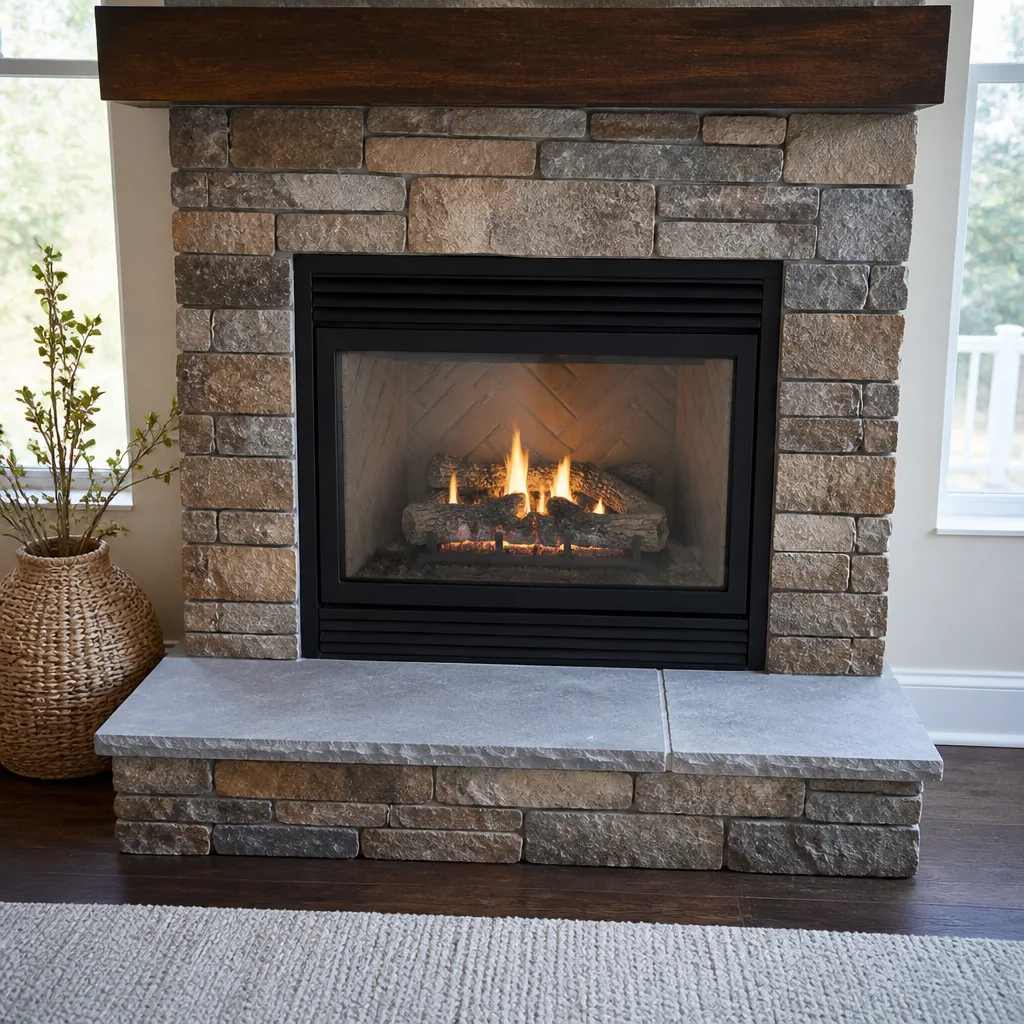 Gas fireplace service
Level 1 sweep and inspection to the NFPA 211 annual standard - flue, crown, cap, and flashing checked and photographed
Chimney sweep logs do not sweep chimneys. They loosen some creosote - which then falls where a brush and vacuum still have to collect it.
Chimney Cleaning Emergency Preparedness Guide for Parkchester Homes
A chimney fire in a masonry flue doesn’t always announce itself with flames shooting from the rooftop. More often it sounds like a low roar, a rumble, or a freight-train noise pulled down through the firebox, and in a dense Parkchester building many homeowners hear it for several minutes before they understand what they’re hearing. That delay is dangerous. This guide walks through what a chimney emergency actually looks, sounds, and smells like from inside your apartment or house, then gives you a step-by-step response protocol for each scenario: fire, carbon monoxide, and sudden blockage. You’ll also learn what to do in the hours after, and how shared flues and shared walls in Parkchester change the way you respond.
Quick Answer
A chimney emergency demands three things in order: get people out, call 911, and do not try to fight the fire yourself. For carbon monoxide, get everyone into fresh air and call 911 the moment anyone shows symptoms. For any suspected event, a licensed chimney professional should perform a Level 2 inspection before the fireplace is used again, because a flue that looks intact from the firebox can hide cracked liner tiles. Chimney Sweep Parkchester handles post-event inspections and repairs; call (855) 550-7313 for a free estimate.
Styles & brands we work with
- Sweep & inspection
- Caps & crowns
- Flue relining
- Masonry repair
- Gas fireplace service
Table of Contents
- How to Recognize an Active Chimney Fire From Inside Your Home
- The 5-Step Chimney Fire Response Protocol
- Carbon Monoxide: The Chimney Emergency You Can’t See
- What Happens to a Flue After a Chimney Fire
- Shared Walls, Shared Flues: Parkchester Building Context
- What to Do in the Hours and Days After a Chimney Event
- Preventing the Next Emergency: Preparation Checklist
- Common Mistakes to Avoid
How to Recognize an Active Chimney Fire From Inside Your Home
Most chimney fires are never seen from the street. That’s especially true in Parkchester, where rooflines are often blocked from view by neighboring buildings and where a fire in an interior flue may never show a single flame above the chimney cap. The cues come from inside the room where the fireplace is. Learn them before you need them.
Listen for a low, rumbling roar that seems to come from above the damper, not from the fire itself. A sound like a distant freight train or a steady whooshing is one of the most reliable indicators of a chimney fire in progress. You may also hear loud popping or cracking, which is often the sound of creosote expanding and flaking off the flue walls.
Watch for dense, dark smoke pushing back into the room rather than drafting up, or puffs of smoke escaping from joints around the firebox, the damper, or the flue pipe connections on a prefab system. A sudden shower of black, curling flakes falling into the firebox is another common sign; those are pieces of burning creosote breaking free.
Smell a sharp, hot, tarlike odor that doesn’t match the normal smell of a wood fire. A metallic or burning-plastic smell can indicate overheating metal components on a prefabricated chimney.
Feel the wall or chase around the chimney. It should never be hot to the touch. Warm is normal near an active fire; uncomfortably hot, or hot enough that you pull your hand away, means something is wrong inside the flue. In Parkchester’s older masonry buildings, that heat may also be traveling into shared wall cavities, which is why recognizing the signs early matters so much.
The 5-Step Chimney Fire Response Protocol
When you suspect an active chimney fire, follow these steps in order. Don’t skip ahead. Don’t improvise.
- Close the damper. Shutting the damper starves the fire of the air rushing up the flue and slows its growth. Do this only if you can reach it safely and the fire is still inside the firebox and flue. If flames have spread into the room, go straight to evacuation.
- Get everyone out of the building. Every person, every pet. Move to a safe distance outside. Call 911 from outside, not from inside the building.
- Call 911 and say “chimney fire” clearly. Give the full street address, the floor, and the apartment or unit number. FDNY needs to know this is a chimney fire, not a fireplace or house fire, because it changes their approach and equipment.
- Do not throw water on the fire. A bucket of water on a chimney fire can flash to steam, crack a hot masonry flue, or cause a sudden collapse of creosote inside. On a prefabricated metal flue, water can warp the liner. Leave suppression to the fire department.
- Tell FDNY what they need to know on arrival. Tell them the chimney type (masonry or prefab metal), the flue’s approximate age if you know it, and whether the building has shared flues or shared wall cavities. In Parkchester, mention whether the chimney is on a party wall and whether neighboring units share the same flue. Firefighters use that information to check adjacent units and to decide whether to inspect above the roofline.
Once the fire is out, do not use the fireplace again until a professional has inspected the flue. A qualified chimney sweep will conduct a Level 2 inspection that includes a camera run of the flue interior. That’s the only way to know what the fire actually did.
Carbon Monoxide: The Chimney Emergency You Can’t See
Not every chimney emergency involves fire. Carbon monoxide can build up inside a Parkchester home with no visible smoke, no smell, and no obvious warning. CO is produced whenever fuel burns incompletely, and a blocked, partially blocked, or damaged flue is one of the most common ways it backs up into living space.
A chimney-source CO event usually comes from one of these conditions:
- A flue blocked by a bird nest, squirrel nest, fallen brick, or a collapsed liner
- Incomplete combustion from wet wood, a cold flue that never drafted properly, or a firebox that’s too small for the fire built in it
- A cracked or separated flue liner allowing exhaust to escape into wall cavities or adjacent units
- Backdraft from a kitchen exhaust fan, bathroom fan, or second fireplace pulling exhaust down the flue in a tightly sealed apartment
- Negative pressure in the building, which is common in tall Parkchester apartment buildings when exhaust fans run and windows stay closed
Symptoms that point toward chimney-source CO rather than another source include headaches, dizziness, or nausea that start or worsen while a fire is burning, or that improve when you step outside for a few minutes. The rest of the household feeling fine while one person feels sick is a red flag, especially if that person sleeps or spends time closest to the chimney wall. Anyone with symptoms should get into fresh air and call 911. Don’t wait to see if it passes.
Detector placement matters. Place a CO alarm on every level of the home and outside each sleeping area, and place one near the chimney chase or the room with the fireplace. That’s where you want the earliest possible signal. Detectors should be tested regularly and replaced on the manufacturer’s schedule.
What Happens to a Flue After a Chimney Fire
A flue that survived a chimney fire visually is not necessarily safe. Masonry flue tiles can crack from the sudden heat, and those cracks may not be visible from inside the firebox. A fire hot enough to roar often reaches temperatures that spall tile surfaces, open mortar joints, and warp metal liners. From the hearth, everything may look normal. From inside the flue, on camera, it can be catastrophic.
A post-fire Level 2 inspection looks specifically for the damage a sweep knows to expect:
- Cracked, spalled, or displaced flue tiles along the full run of the flue
- Missing or deteriorated mortar joints between tiles
- Warped, separated, or punctured sections in prefabricated metal liners
- Creosote that has glazed into a hard, brittle layer on the flue walls
- Damage to the chimney crown, cap, or flashing from heat or from firefighting water
- Evidence of fire spreading into wall cavities, attic spaces, or adjoining chases
When the flue is damaged, repair options depend on what the inspection finds. Minor joint deterioration can often be addressed with HeatShield ceramic resurfacing, which rebuilds the liner interior without a full tear-out. More serious damage usually calls for a new liner, and we install DuraFlex flexible liner systems for exactly that purpose. Chimney repair after a fire is not a job for a generalist. The wrong fix leaves an unsafe flue behind a clean-looking firebox.
Shared Walls, Shared Flues: Parkchester Building Context
Parkchester’s building stock is a real factor in how chimney events develop and who needs to know about them. Many of the community’s older buildings were converted, subdivided, or built with chimneys serving multiple units through a shared flue or through flues running side by side inside the same wall chase. That design creates risks that a detached single-family house doesn’t have.
Smoke and CO can migrate through shared chases and into adjacent units without ever entering the unit where the fire is burning. A resident on a different floor may smell smoke or feel unwell before the actual source is identified. If you have any reason to believe a chimney event is in progress, your response also includes the following:
- Alert the building management or superintendent. They can check adjacent units quickly, shut down shared ventilation, and coordinate with FDNY about the building layout. If the building has a fire safety plan, follow it.
- Knock on the doors of neighbors on the shared flue, even at inconvenient times. A simple “there may be a chimney problem, please step outside” is enough.
- Tell FDNY about the shared-flue configuration on arrival. They’ll want to inspect adjacent units and the roof, not just the unit where the fire started.
For an active carbon monoxide event, the same logic applies but faster. If a detector in one unit goes off, neighbors on the same flue should assume they’re exposed until proven otherwise. Nobody should wait for a call back or a service visit to leave.
What to Do in the Hours and Days After a Chimney Event
The emergency ends when the fire department clears the building. The problem doesn’t. The hours after a chimney event are where the second accident usually happens, because homeowners often resume normal use before the flue has been inspected.
Do these things after any chimney fire, CO event, or sudden blockage:
- Do not light another fire until the flue is inspected. Even if everything looks fine from the hearth, don’t. A damaged flue is most dangerous on the next burn.
- Photograph everything you can see. Photos of the firebox, damper, cap, and any smoke damage give the inspector and your insurer useful context.
- Call your insurance company if there’s any structural, water, or smoke damage. Firefighting water alone can damage crowns and flashing.
- Schedule a Level 2 inspection with a camera scan. That inspection is the report you’ll rely on for insurance, repairs, and your own confidence
- Have a chimney cap & crown check done at the same time. Fire, heat, and water all hit the top of the chimney hardest, and that’s where future leaks start.
A sweep without an inspection only tells you half the story. A cleaning removes creosote; an inspection tells you whether the flue can still safely contain a fire. After an emergency, the inspection is the part that matters.
Preventing the Next Emergency: Preparation Checklist
Chimney emergencies aren’t random. The conditions that produce them build up over time, and they can be caught. Here’s what a prepared Parkchester household has in place:
- A recent sweep. Book a chimney sweep before each heating season, or after an unusually heavy stretch of burning. The creosote load is what feeds a chimney fire.
- A camera-inspection report on file. Keep the last inspection report somewhere you can grab it. If a fire does happen, that prior baseline tells the inspector what was normal before.
- Working CO detectors on every level and one near the chimney chase. Test them. Replace batteries on schedule.
- A fire extinguisher rated for chimney or solid-fuel use near the firebox. Know where it is and how to use it before you need it.
- Seasoned, dry firewood. Wet wood produces more creosote and burns colder, which increases the CO risk. Store firewood away from the hearth, not against it.
- A clear, intact chimney cap. A cap keeps animals, rain, and debris out. A missing or damaged cap is one of the most common causes of sudden blockage. We stock and install Gelco and Famco caps covering both masonry and metal chimneys.
- A written emergency plan. Where the extinguisher is, who calls 911, how to notify neighbors on the shared flue, how to get out of the unit. It takes ten minutes to write down and saves minutes when you need them.
Common Mistakes to Avoid
- Ignoring a low roar because there are no visible flames. Most chimney fires are invisible from inside the home and from the street. The sound is the signal, not the sight. If you hear it, treat it as an active fire.
- Calling 911 and saying “small fire in the fireplace.” Say “chimney fire” and give the unit number and floor. FDNY’s response depends on the specific type of fire.
- Using water on the fire. Water can crack a hot masonry flue or warp a metal liner. Your job is to evacuate and call, not to extinguish.
- Relighting the fireplace the next day because “it seems fine.” Damage from a chimney fire often isn’t visible until it’s on camera. Wait for the inspection.
- Not notifying neighbors in a shared-flue Parkchester building. A fire on one floor can fill adjacent units with smoke or CO without anyone inside those units realizing why.
- Treating a CO headache as “just a long day.” Symptoms that appear while a fire is burning and clear when you go outside point toward a chimney-source event. Get help.
- Hiring a generalist to make the repair. Chimney systems behave differently from any other part of a home. The repair has to match the flue type, the fuel, and the building construction, and that’s not a handyman’s specialty.
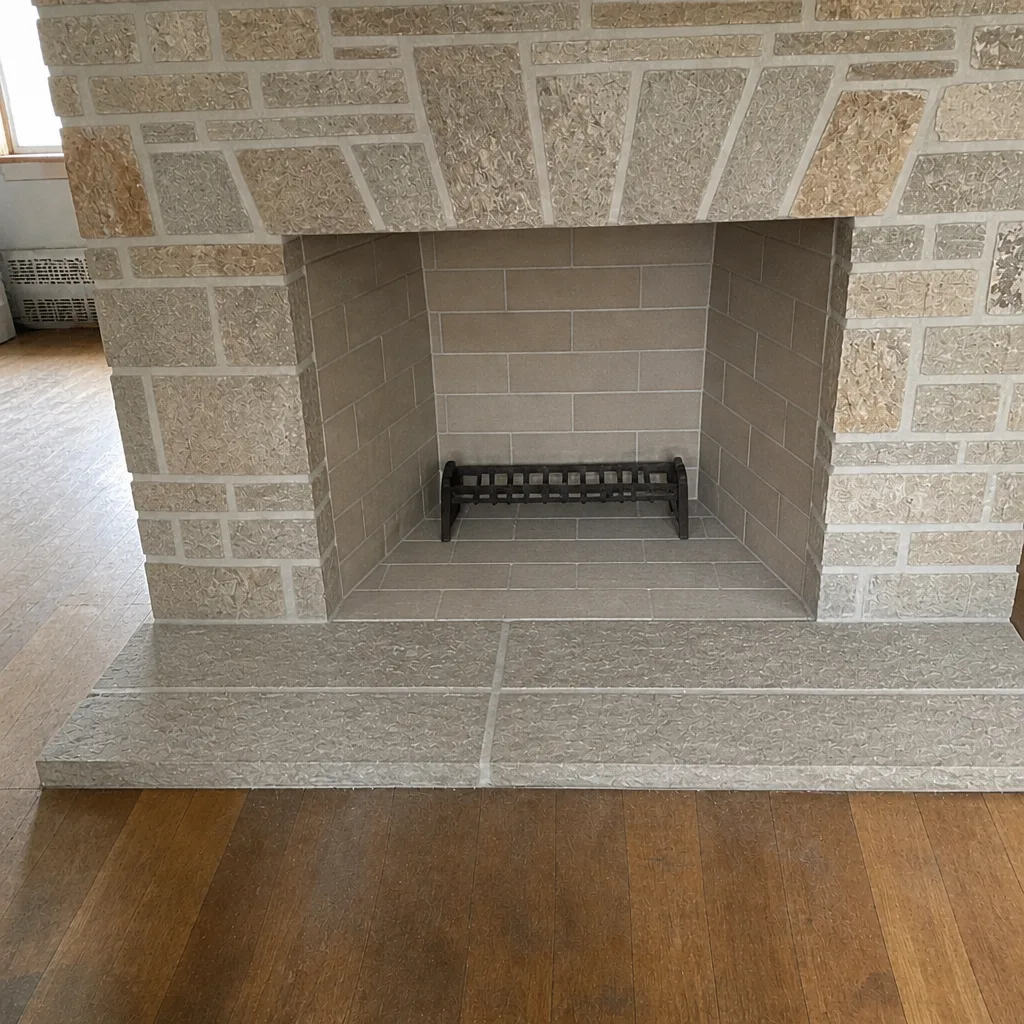
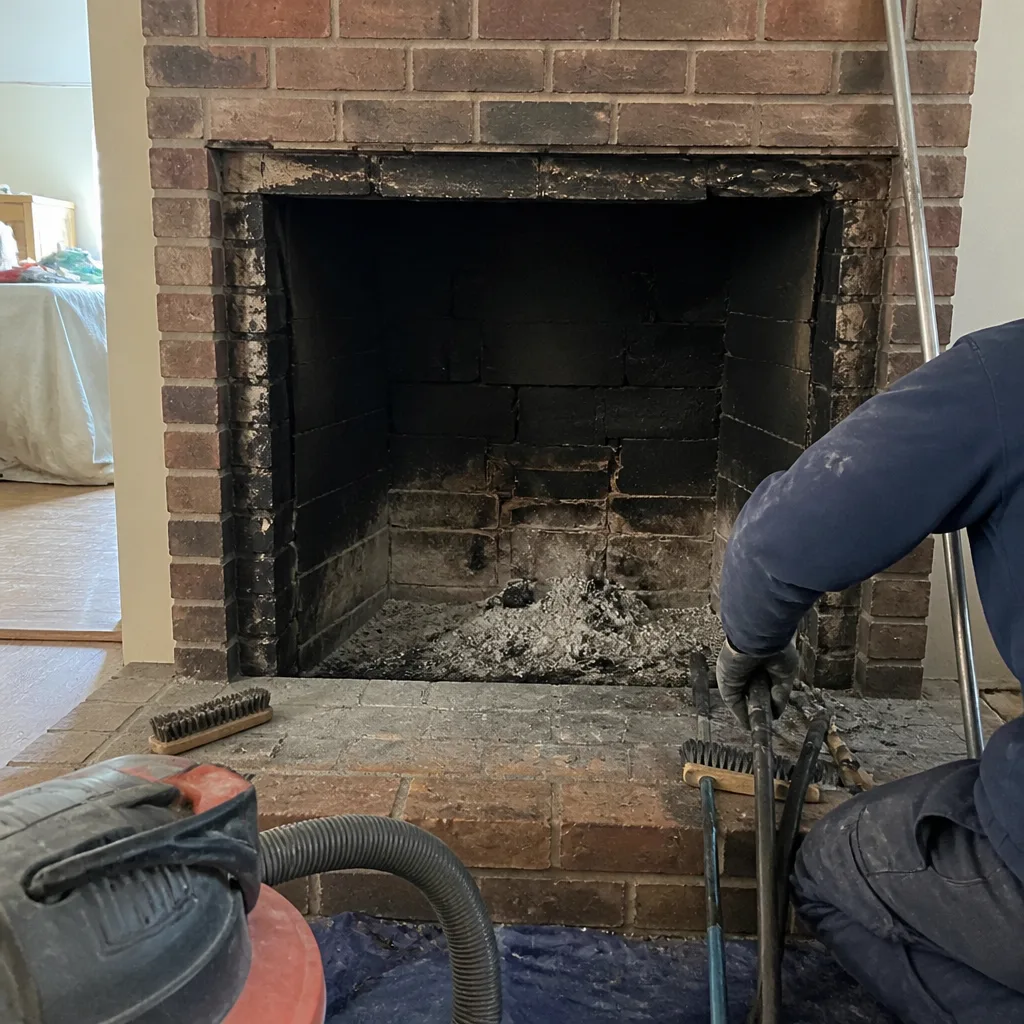
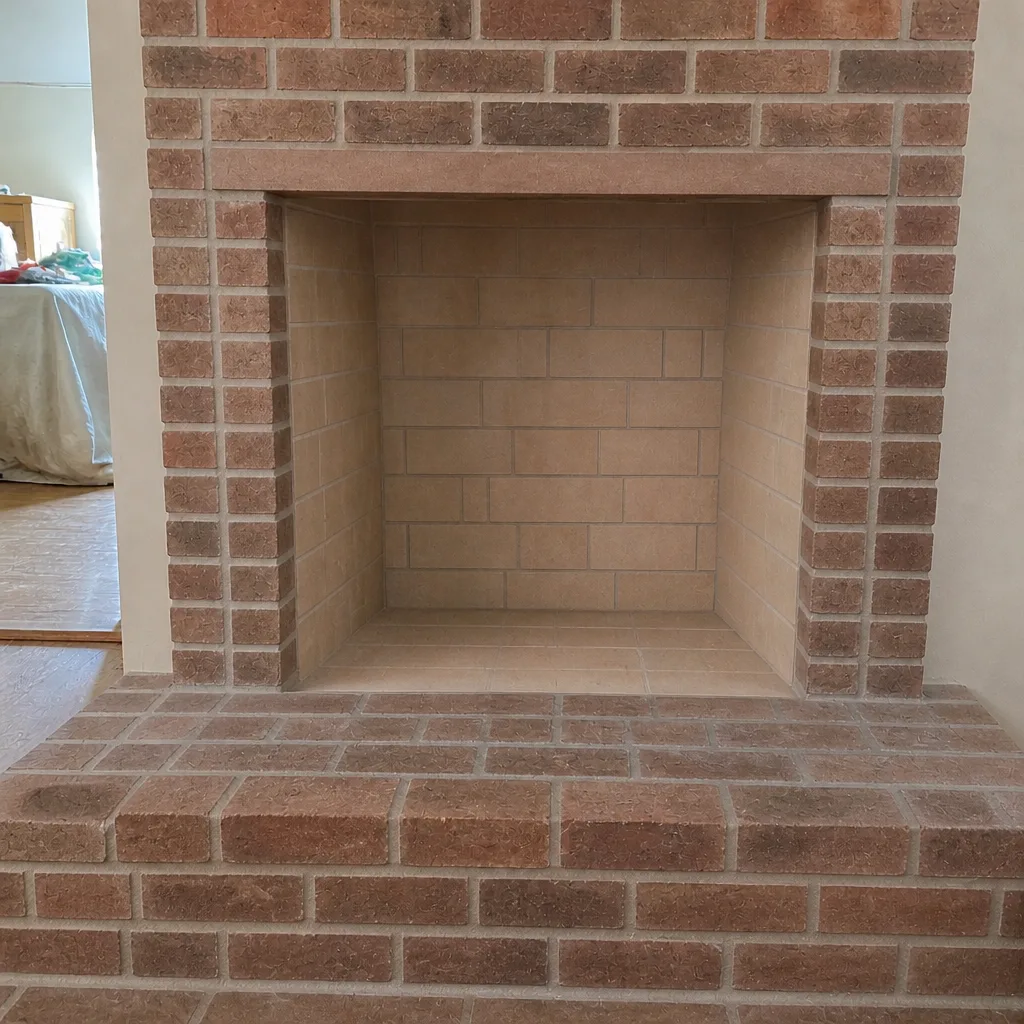
See the difference
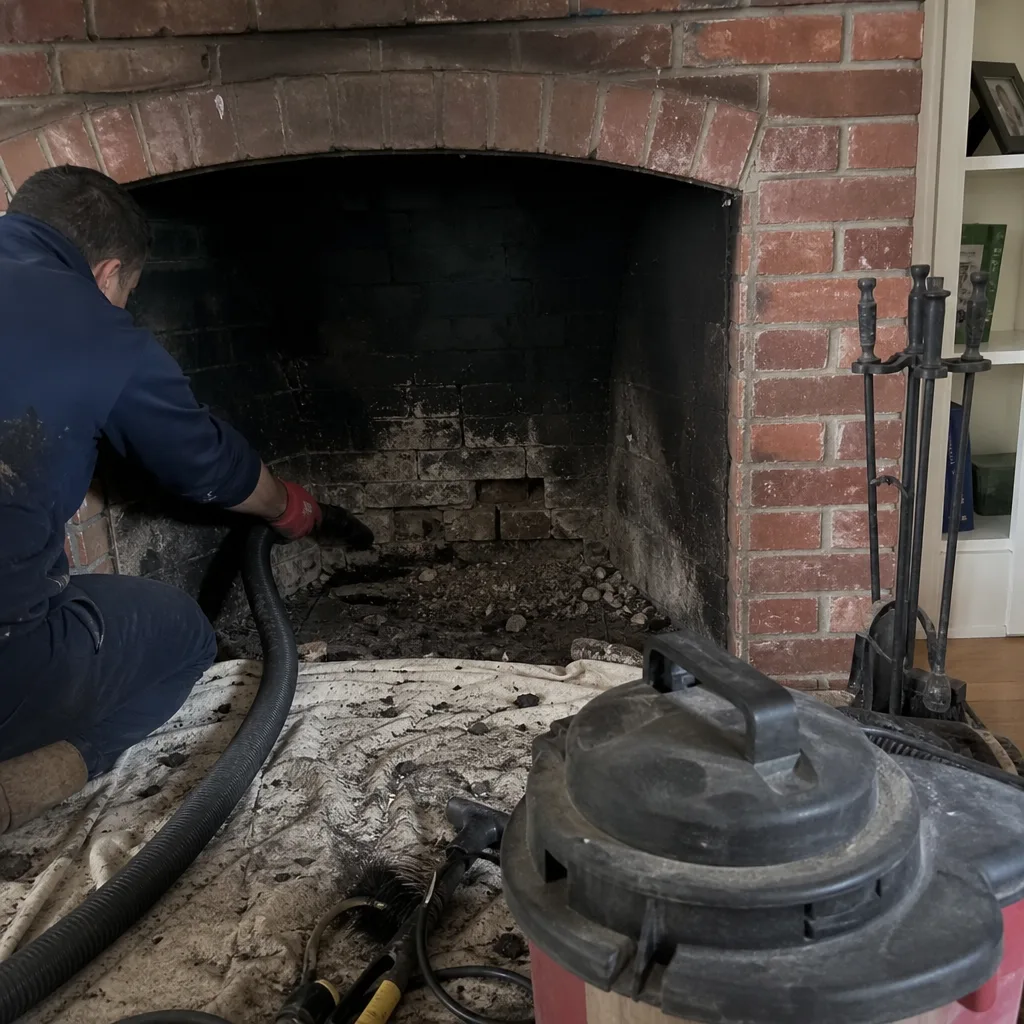 Before
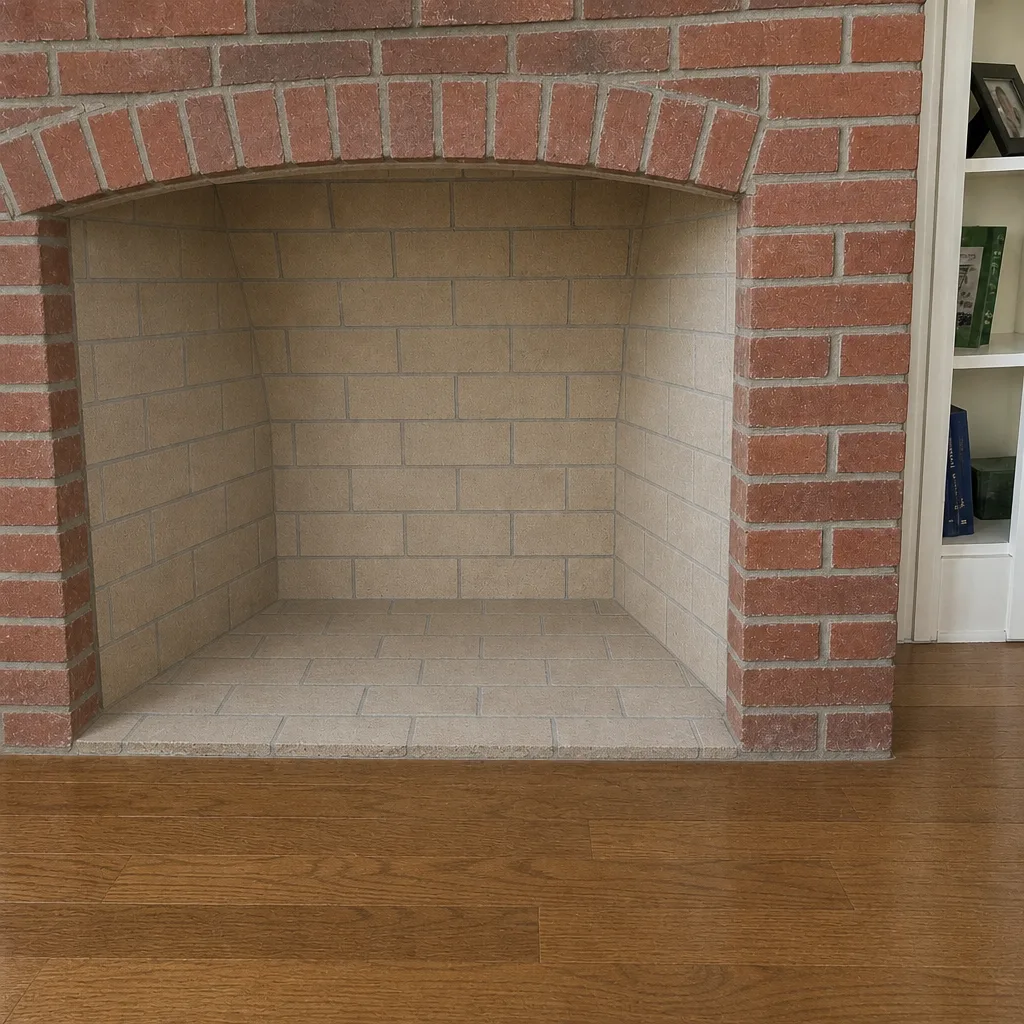 After
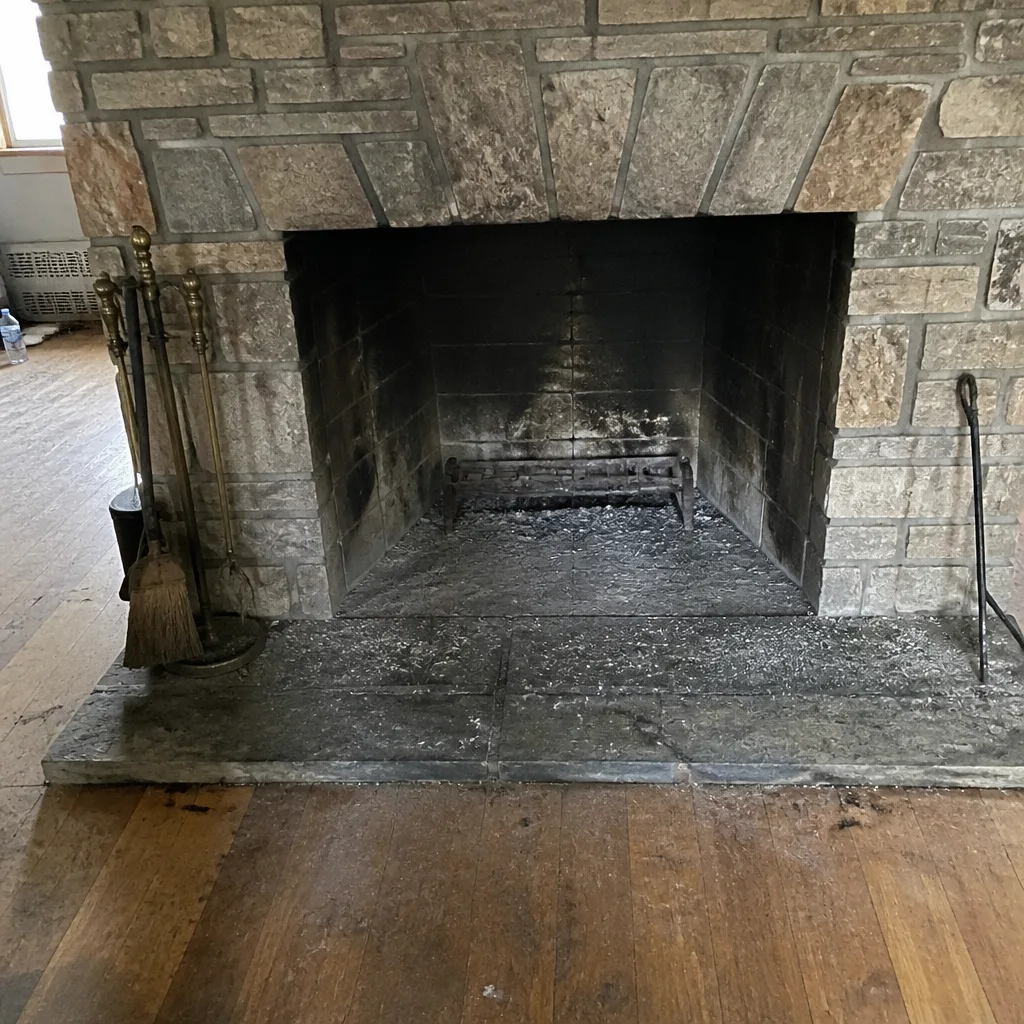 Before
 After
 Before
 After
When to Call a Professional
Call a chimney professional any time you have reason to believe your chimney or fireplace is not behaving the way it should. The clearest triggers are an active or suspected chimney fire, any CO alarm activation, smoke backing into the room during normal use, a sudden drop in draft, visible cracks inside the firebox or flue, water stains around the chimney chase, or a missing chimney cap. Any of those conditions means the system needs an inspection before the next fire. A licensed sweep will also document what they find, which matters for insurance and for neighbors sharing the flue. Chimney Sweep Parkchester offers free estimates in Parkchester. Call (855) 550-7313. We answer 24/7. Fast dispatch from 7am to 7pm, Sunday through Friday. The inspection report and photos come with the estimate, so you can see what we see.
Frequently Asked Questions
It typically sounds like a low, rumbling roar or a freight-train noise pulled down through the firebox, often with popping or cracking as creosote flakes off the flue walls. If you hear it, treat it as an active chimney fire and evacuate. Call 911 from outside and say “chimney fire.” Call (855) 550-7313 to arrange the post-event inspection. We answer 24/7.
Chimney-source CO typically appears or gets worse while a fire is burning and clears when you leave the room or go outside, and it’s often traced to a blocked or cracked flue. Furnace-source CO tends to appear when the heating system runs. Either way, symptoms of CO exposure mean leaving the building and calling 911. For inspection afterward, call (855) 550-7313.
Not until a professional has inspected the flue with a camera. A flue that survived the heat often has cracked liner tiles or separated joints that aren’t visible from the firebox, and those make the next fire dangerous. Schedule the inspection before relighting. Call (855) 550-7313 for a free estimate.
Yes, especially in a Parkchester building with shared walls or shared flues. Smoke and carbon monoxide can travel through shared chases into adjacent units without anyone in those units realizing the source. Knock on the doors of neighbors on the same flue and tell building management. Call (855) 550-7313 if you need help identifying which units share the system.
A post-fire Level 2 inspection covers a full camera scan of the flue interior, a check of the firebox, damper, crown, cap, and flashing, and a review of any visible damage to the surrounding structure. It’s the report you’ll need for insurance and repairs. Call (855) 550-7313 to book. We answer 24/7 and dispatch 7am to 7pm, Sunday through Friday.
Once a year is the standard recommendation, or more often if you burn heavily or have had any prior fire, blockage, or CO event. Annual inspections catch the creosote buildup and structural wear that lead to emergencies before they happen. Call (855) 550-7313 to schedule. A free estimate comes with the written report.
The Bottom Line
Chimney emergencies follow patterns, and preparation changes the outcome. Learn what a chimney fire sounds, smells, and feels like from inside your home. Memorize the five-step protocol: close the damper if you can do it safely, evacuate, call 911, don’t use water, and tell FDNY what they need to know about the flue type and shared construction. Treat carbon monoxide as a separate emergency with its own logic: fresh air first, 911 second, inspection before you light another fire. In Parkchester’s shared-wall buildings, notifying neighbors and building management is part of the protocol, not an afterthought. And most important of all, get a professional inspection after any event and a sweep before each heating season. From cap to firebox, we handle the whole system. Call (855) 550-7313 for a free estimate.
For ongoing chimney care between emergencies, see our Chimney Sweep Parkchester page, our chimney sweep service, chimney chimney cap & crown work, and chimney repair. Every job is documented with camera photos, and our technicians have up to 8 years of experience working on chimney and fireplace systems exclusively.
Written by the team at Chimney Sweep Parkchester.