
Last updated November 25, 2026
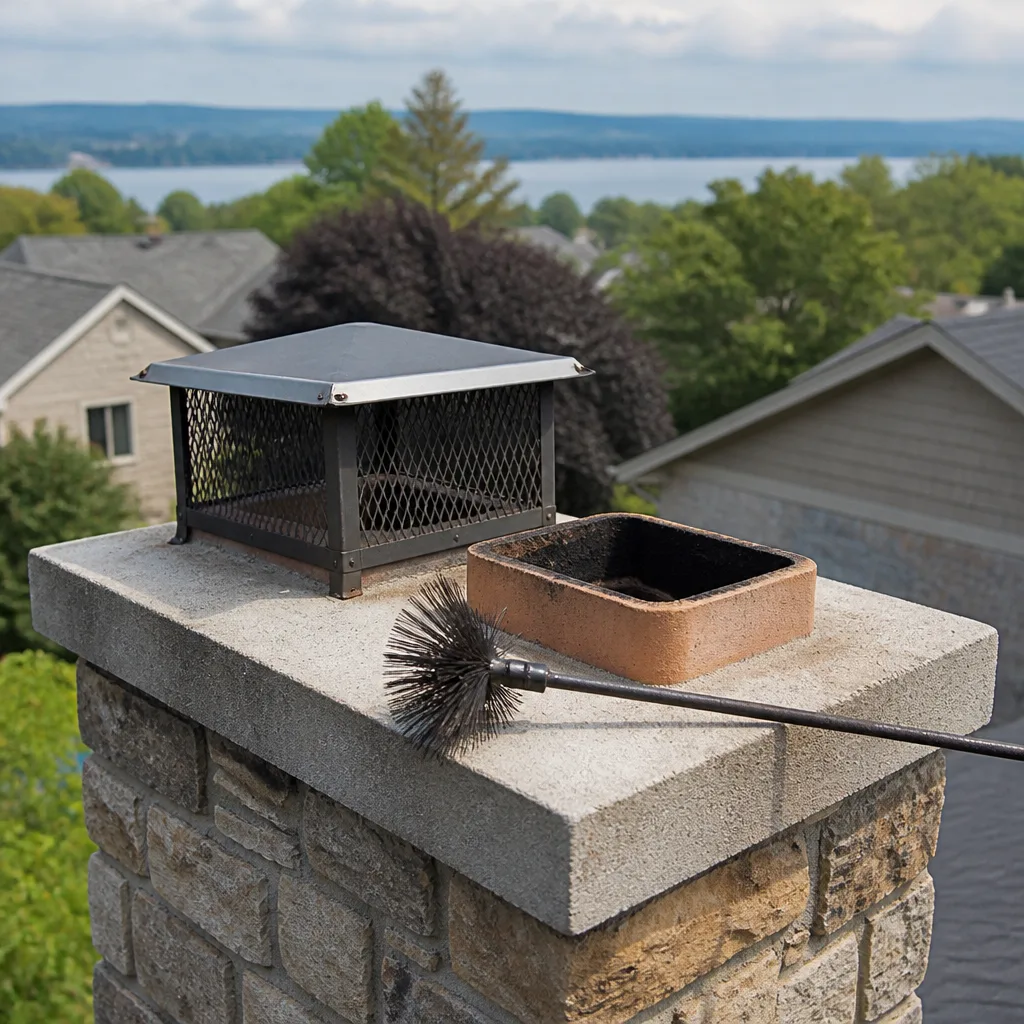 Sweep & inspection
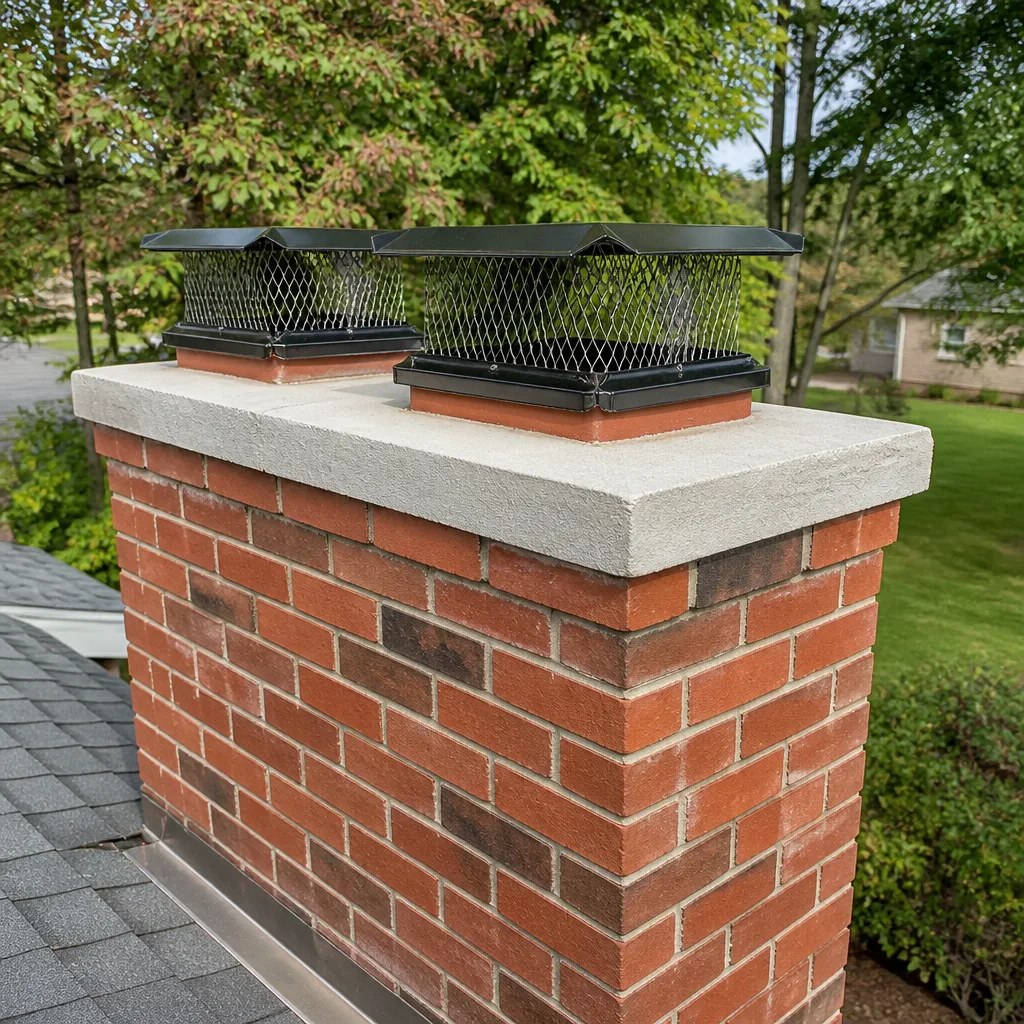 Caps & crowns
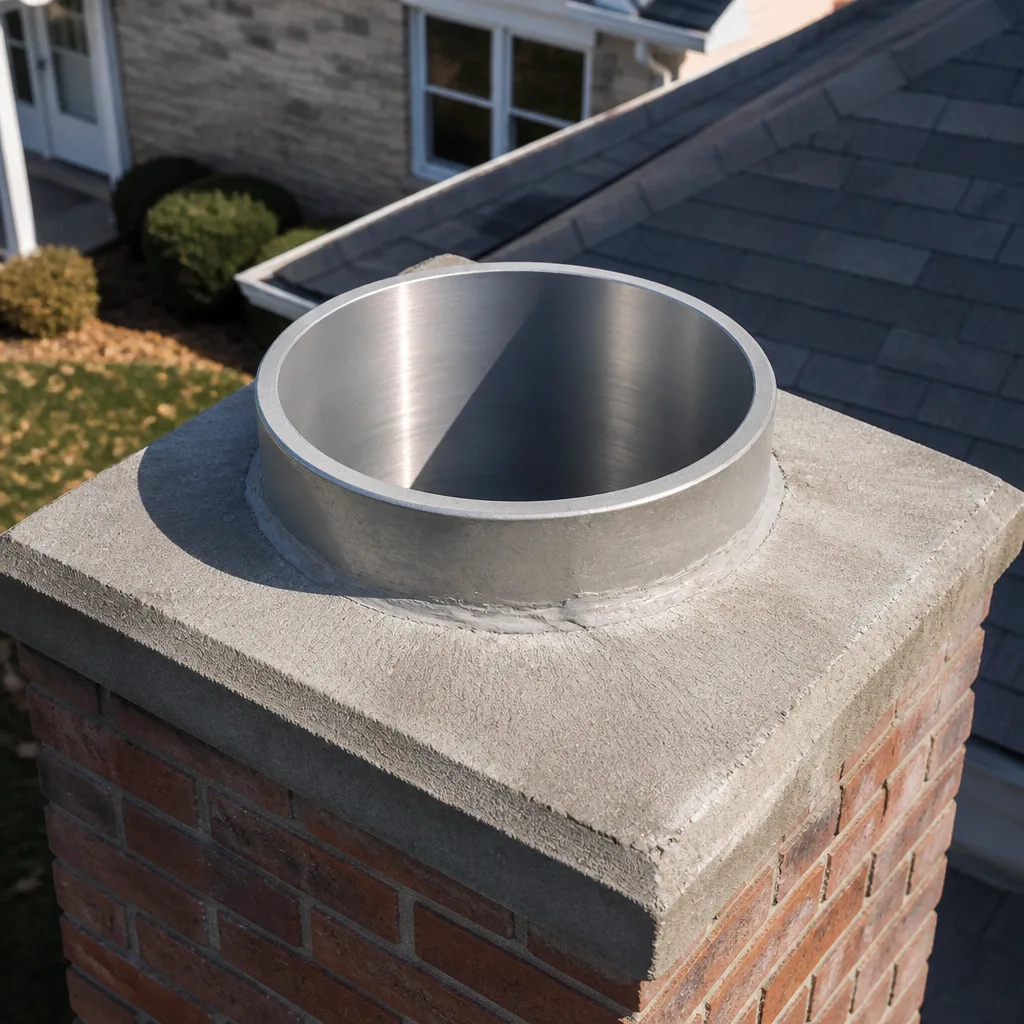 Flue relining
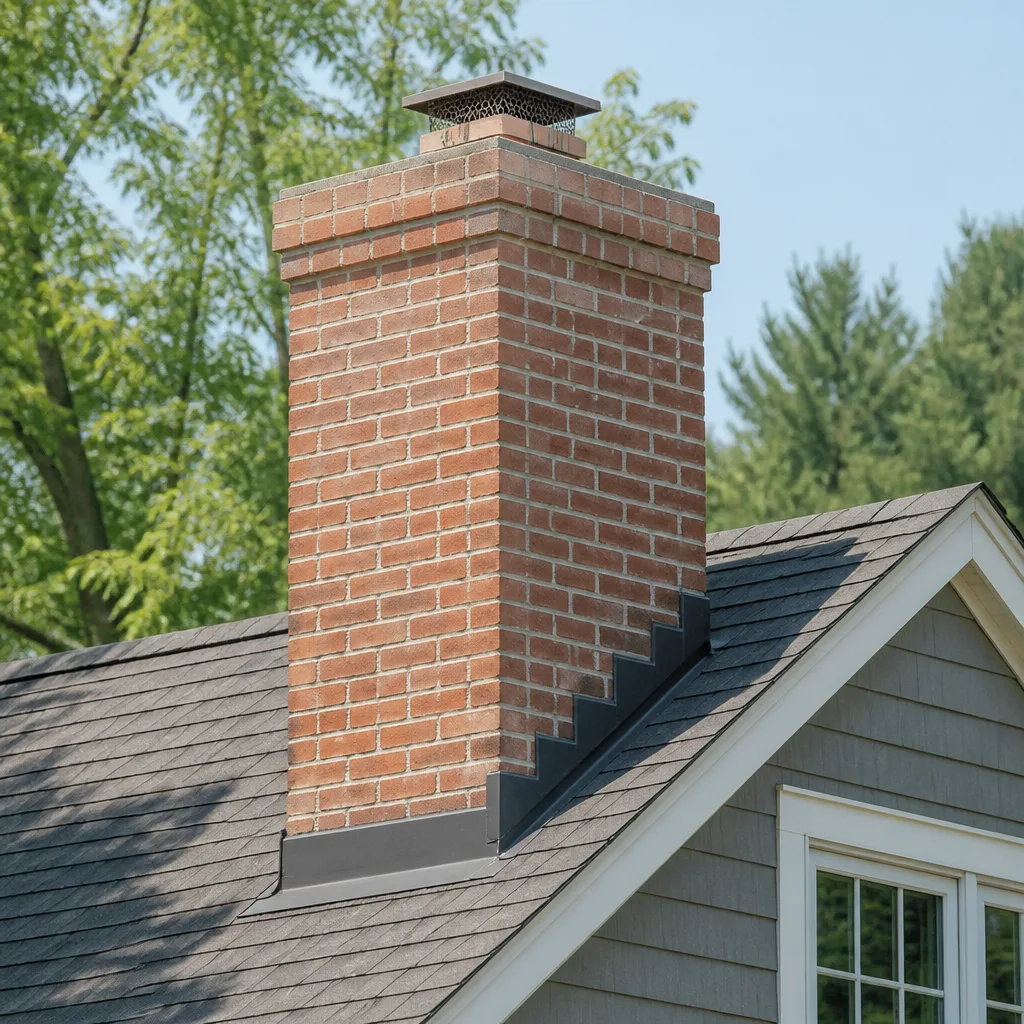 Masonry repair
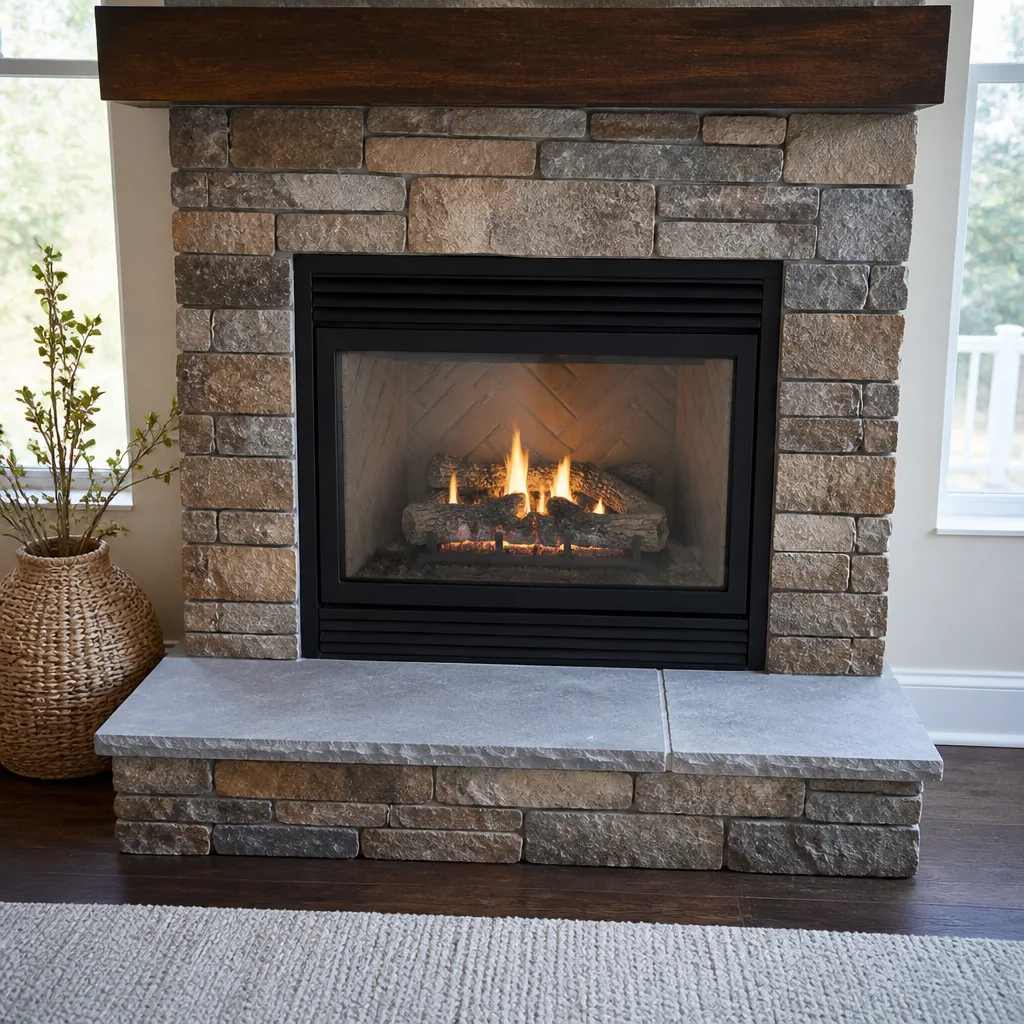 Gas fireplace service
Level 1 sweep and inspection to the NFPA 211 annual standard - flue, crown, cap, and flashing checked and photographed
Chimney sweep logs do not sweep chimneys. They loosen some creosote - which then falls where a brush and vacuum still have to collect it.
Chimney Cleaning Cost Breakdown: The Parkchester Homeowner’s Reference for 2026
A $99 chimney sweep special almost never includes a Level 1 inspection, a liner assessment, or anything past a brush run through the flue. That’s the part most homeowners don’t hear until they’ve already paid. In our experience, the low advertised number buys the brush pass and the paperwork, and the actual safety evaluation gets quietly skipped. This guide fixes that problem by making the pricing transparent. You’ll learn what drives the cost of cleaning a chimney in Parkchester, why two quotes for the same address can land hundreds of dollars apart, and how to read a bid so you can tell whether it’s thorough or just thin. By the end, you’ll have a mental model for the whole job, from the base sweep to the add-ons most companies leave off the estimate on purpose.
Quick Answer
Chimney cleaning in Parkchester typically runs $150 to $350 for a standard single-flue sweep, and that price climbs to $400 to $900 when you add a camera inspection, chemical treatment for heavier creosote, or access work on a shared roof. What moves the number most is flue condition, not the brush itself. Staging, roof access in a co-op or walkup, and creosote stage all layer measurable cost onto the base. The written estimate sets the final price. Get it in writing before anyone climbs.
Styles & brands we work with
- Sweep & inspection
- Caps & crowns
- Flue relining
- Masonry repair
- Gas fireplace service
Table of Contents
- How much does chimney cleaning cost in Parkchester? The base-cost model
- What add-on services cost on top of a base sweep
- How Parkchester buildings change the price
- Creosote stage pricing: Stage 1 vs. Stage 2 vs. Stage 3
- What an inspection certificate costs and why it’s a separate line
- When a higher upfront cost prevents a bigger bill later
- How a Parkchester cleaning job actually runs
- How to read a quote and spot an incomplete one
How much does chimney cleaning cost in Parkchester? The base-cost model
Chimney cleaning in Parkchester typically runs $150 to $350 for a standard single-flue sweep. That’s the floor, and it goes up from there. The point of a base-cost model is to separate what every job includes from what a specific job adds. Most homeowners skip that step and end up comparing a bare number to a number that includes three things.
A true base sweep covers a physical brush pass down a single flue, a visual check at the firebox and damper, and removal of soot and creosote from the firebox floor. That’s the core service. It does not usually include camera work, chemical treatment, or any repair. Those are tied to condition, not to the sweep itself.
Here’s how the base model breaks down:
- Standard single-flue sweep, Stage 1 creosote: $150 to $350. Fits most fireplaces burning seasoned wood with annual cleanings kept up.
- Wood-burning stove or insert: at the middle to upper end, because the firebox is smaller to work in and the flue often runs hotter and dirtier.
- Gas fireplace venting: usually lower, because the flue is clean-burning and the visual check is fast.
- Second flue at the same address: typically 50 to 70 percent of a full first-flue price, since setup and inspection time are already covered.
The real question isn’t what a sweep “should” cost. It’s what your flue actually needs. A chimney in Parkchester that hasn’t been touched in several seasons is rarely a base-sweep job, and a quote that treats it as one tells you more about the bidder than about your chimney. Our technicians have up to 8 years of experience reading exactly that difference.
What add-on services cost on top of a base sweep
Add-on services add $50 to $600 to a base sweep, depending on which ones your flue actually needs and whether roof access is simple. Each item below is a distinct cost tier. A complete estimate names each one; a thin one rolls them into a single number and trusts you won’t ask.
Here are the tiers, from least to most expensive:
- Camera inspection (video scan of the flue): roughly $75 to $200. Adds direct visual evidence of liner joints, offsets, and hidden creosote. Without it, you’re guessing.
- Chemical creosote treatment (Stage 2 or Stage 3): $100 to $400 depending on how many flue sections need treating and how long the conditioning period runs before the final cleaning.
- Cap replacement: $150 to $450. Galvanized and stainless caps sit at different price points. Famco and Copperfield cover most flue sizes and configurations, so we’re not improvising a fit.
- Crown repair or rebuilding: $400 to $1,200 depending on whether the crown needs a patch coat or a full rebuild. A damaged crown is usually why a chimney leaks in the first place.
- Liner patch vs. reline: a targeted patch runs far less than a full reline. Covered in depth further down, because the gap between these two numbers is where most homeowner confusion lives.
Two quotes for the same Parkchester fireplace often diverge by $300 or more simply because one included the camera scan and the other didn’t. That’s not a pricing discrepancy. It’s one company doing half the job. A sweep without an inspection only tells you half the story, and that half is the safe half.
We work exclusively on chimneys and fireplaces. We bring the right material for the repair, not whatever’s on the truck, which is why our add-on line items name the actual product going into your flue rather than a generic category.
How Parkchester buildings change the price
Access and staging can add $50 to $250 to a Parkchester cleaning, even when the flue itself looks identical on paper to a private-home job. The building is the cost multiplier here, not the chimney. Parkchester’s housing stock is a dense mix of co-op apartment buildings, low-rise walkups, and some standalone homes, and each changes how a technician reaches the roof and sets up.
Here’s what actually moves the number:
- Shared roof in a co-op or condo building: roof access often requires coordination with building management, a signed access form, and scheduling around other trades. That coordination time is real and shows up on the quote.
- Elevator buildings vs. walkups: an elevator building is easy to move equipment in. A fifth-floor walkup requires carrying brushes, a vacuum, and extension rods up five flights, which adds labor time.
- Parking and equipment staging: dense Bronx blocks make it hard to leave a vehicle near the entrance. Trucks are sometimes parked blocks away, which adds time to load-in and load-out. A quote that ignores this usually shows up later as a surprise line item.
- Roof height and pitch: taller multi-story roofs take longer to safely access. Flat versus pitched roofs also matter for where equipment sits.
- Shared flue stacks: some Parkchester buildings share a masonry stack, and a single unit’s flue may need isolation work before the sweep is safe. This isn’t common, but it happens and it costs more.
When you get a quote, ask directly how the company plans to reach the roof and how much of the price is access work versus cleaning. If the answer is vague, the number is probably missing something. For the bigger structural issues that come out of roof-access work, the chimney repair side of the job covers what happens when the crown or stack itself has failed.
Creosote stage pricing: Stage 1 vs. Stage 2 vs. Stage 3
Creosote stage is the single biggest variable in chimney cleaning cost. Stage 1 typically prices as a base sweep ($150 to $350), Stage 2 adds $100 to $200 for rotary or chemical treatment, and Stage 3 can add $300 to $500 or more because it involves both chemical conditioning and mechanical aggravation, sometimes over more than one visit. The stage is set by how much and how long the flue has burned since its last cleaning, not by the sweep’s preference.
Creosote builds in three recognizable grades:
- Stage 1 (soot and light flake): a fine dust or flaky residue. Removed with a standard brush. Prices at the base-sweep tier and is what a well-maintained flue looks like on an annual schedule.
- Stage 2 (glazed and hardened): a crusted, sometimes shiny deposit the brush can’t fully cut. Requires mechanical agitation, sometimes with a rotary tool, and often a chemical creosote remover applied before the final pass. Adds a real labor block to the estimate.
- Stage 3 (glazed and puffy or hardened to a fuel-like state): the heaviest grade and the one that raises the fire risk most. Treated with a chemical application that conditions the deposit over a period of days before a follow-up mechanical cleaning. Can require two visits, which is why it costs the most.
Here’s the honest part: nobody knows the stage until the flue is scanned with a camera or the brush starts pulling material out. A company that quotes a firm price for a Stage 3 flue over the phone, sight unseen, is quoting a number it can’t back up. A written estimate is always set after a diagnosis, never before.
The reason this matters for safety: Stage 3 creosote in a flue is the most common fuel for a chimney fire. That’s not a scare tactic, it’s the physical mechanism. The deposit is literally combustible. A sweep alone on a Stage 3 flue, with no chemical conditioning, can leave the deposit intact and the risk unchanged, while generating the paperwork that says the chimney was cleaned. That’s the exact failure mode this guide exists to prevent.
If your flue has gone several seasons without a cleaning, expect the Stage 2 or Stage 3 middle to upper range, and get the camera scan to confirm.
What an inspection certificate costs and why it’s a separate line
An inspection certificate typically costs $150 to $400 on its own, separate from a cleaning, and it’s usually written proof of the flue’s condition at the time of inspection. Insurance companies and landlords increasingly want it as a stand-alone document, not bundled with a sweep. That shift is why it’s now a line item on many Parkchester estimates rather than a courtesy add-on.
The logic is straightforward. A cleaning is a service: it removes creosote and soot. An inspection is a finding: it records the condition of the flue, liner, cap, crown, and firebox, ideally with photos. When an insurance carrier asks for proof of flue condition, a cleaning receipt doesn’t answer the question. A written inspection report does. Same for a landlord or a co-op board that wants documentation before a unit’s fireplace gets used again.
The price of the certificate depends on the level of inspection:
- Level 1 (visual): the least expensive tier. Covers the firebox, damper, and accessible flue sections from the firebox up. Fits a clean flue with no known problems.
- Level 2 (camera-assisted): the middle tier and the one most Parkchester jobs fall into because a liner condition check demands a camera view.
- Level 3 (diagnostic): rarely needed, and priced per job when it is. Level 3 is reserved for problems the Level 2 uncovered and needs a deeper look, sometimes after damage or a suspected fire.
For most homeowner needs, Level 2 with photos is the sweet spot. It’s the tier that gives you evidence you can actually see. Ask for the photos. A report without photos is a summary; a report with photos is a record. If the company can’t produce one, that’s the second quote to cross off the list.
For the broader service picture, the chimney sweep page covers what a full sweep visit includes and how it fits with inspection.
When a higher upfront cost prevents a bigger bill later
Liner repair vs. full relining is where the biggest cost gap in chimney work lives, and it’s where getting the diagnosis right saves the most money. A targeted liner repair runs $400 to $900 for spot work at accessible joints. A full reline runs $2,500 to $6,500 for a typical single-story flue, depending on liner material and flue length. The trick is knowing which one you actually need.
Here’s the core comparison:
- HeatShield ceramic resurfacing: a restoration method that extends flue life without a full reline when the liner joints are deteriorating but the surrounding masonry is still sound. Priced into the liner-repair tier. It’s a specific, cost-saving option and most sweep companies don’t offer it.
- DuraFlex flexible liner installation: the full reline path, priced in the $2,500 to $6,500 range. Used when the existing liner is cracked, oversized, or too deteriorated to restore. It’s the right call when the mortar between flue tiles has failed.
- Olympia Chimney components: when a reline needs a proper cap, top plate, and connector matched to the new liner, they come as a system, not improvised parts. That matters for a durable install.
The failure mode to watch for is a quote for a full reline when the liner only needs a joint-level repair. That’s a $2,000 to $5,000 overcharge if the diagnosis was sloppy. The reverse is worse: a patch job on a liner that’s already cracked through, which just delays the reline and puts carbon monoxide risk in between.
Carbon monoxide is the reason the liner question matters so much. In a gas-burning flue, a compromised liner lets combustion gases enter the home. In a wood flue, it lets creosote reach the framing. Neither is a “wait and see” situation. That’s not a scare line, it’s what a failed liner actually does.
The rule that keeps both sides honest: nothing gets recommended without camera evidence you can see for yourself, and the diagnosis names the exact flue section and joint at issue. If a technician can’t show you the crack or the deteriorated joint on a camera screen, the reline recommendation doesn’t hold up.
For the fireplace and firebox side, our chimney repair service also handles fireplace repair, so the appliance and the venting system get serviced as one connected unit rather than handed off between two contractors who blame each other’s work.
When you’re ready to compare quotes, our Chimney Sweep Parkchester team is happy to walk through a written estimate line by line.
How a Parkchester cleaning job actually runs
A typical Parkchester chimney cleaning runs about 60 to 90 minutes for a single-flue base sweep, and up to three hours when the job includes a camera inspection and heavier creosote treatment. Here’s the sequence we follow, so you know what to expect.
- Walkthrough and prep. We lay drop cloths, seal the firebox with a vacuum connection, and confirm the flue you’re using matches the one we’re sweeping. Shared-stack buildings need this step done carefully so dust doesn’t migrate to a neighboring unit.
- The sweep pass. Brushes run from the top of the flue down. A sealed vacuum pulls soot into a HEPA-filtered bag so nothing lands in the living room. For Stage 2 or Stage 3 creosote, a rotary tool or chemical conditioning step goes in before the final brush pass.
- Camera inspection. A camera goes up the flue to record the liner condition, joint integrity, and any offsets. This is the same scan we use to justify any repair recommendation.
- Report. You get a written summary and the camera photos. Anything beyond your original scope gets discussed before it’s done.
- Cap and crown check. Since we’re already at the roof, the cap and crown get a look. A damaged crown is a leak waiting to happen, and a loose or missing cap lets water and animals into the flue. The chimney cap & crown work covers replacements when the existing ones have failed.
The order matters. The camera scan happens after the brush pass, not before, so we’re looking at a cleaned flue rather than a soot-coated one. That’s the difference between a diagnosis and a guess.
We answer 24/7 by phone, and dispatch runs from 7am to 7pm, Sunday through Friday. We’re closed on Saturday. Call (855) 550-7313 for an estimate. Fast dispatch from 7am to 7pm.
How to read a quote and spot an incomplete one
A complete chimney cleaning quote names every line item separately: sweep, inspection, creosote stage treatment, cap or crown work, and any liner assessment. An incomplete quote bundles these into one number and leaves you guessing which pieces were included. Reading the difference takes about two minutes.
Here’s a quick checklist to run against any Parkchester quote:
- Does it state the creosote stage discovered? If the quote assumes Stage 1 without a scan, the price is speculative. A real estimate names the stage and prices to it.
- Is the inspection a separate line? If it’s bundled “free” into the sweep, ask what it actually covers. Free usually means a glance, not a documented scan.
- Are camera photos included? A quote that doesn’t mention camera photos is a quote for a visual only. Fine for a clean flue, not fine for a first diagnosis.
- Does the quote name the replacement parts? A cap quote should name the product, not just “new cap installed.” We use Famco and Copperfield components depending on flue size and configuration, and the estimate says which.
- Are liner recommendations tied to evidence? If the estimate recommends a full reline, the quote should reference the specific joints or sections that failed on camera. No evidence, no reline.
- Is the final price the written estimate? The written estimate sets the final price. Any quote that says “starting at” or “from $X” is a teaser, not an estimate.
When a quote comes in much lower than the others, the gap is almost always one of these line items dropped off. That doesn’t make it a bargain. It makes it incomplete. A quote is complete or it isn’t, and the two are easy to tell apart once you know what to look for.
Common Mistakes to Avoid
- Booking on price alone. The lowest quote almost always means the camera scan, stage treatment, or inspection certificate got dropped. You end up with a paper receipt and a flue that hasn’t actually been checked. Compare line items, not totals.
- Skipping the camera on a first cleaning. A brush pass without a camera only tells you what the brush pulled out. It doesn’t show the liner joints, offsets, or hidden deterioration. If this is the first cleaning in several seasons, the camera scan is the whole point.
- Assuming a cleaning includes an inspection certificate. In Parkchester co-ops and rentals, the certificate is often a separate document landlords or boards require. Ask whether the quote includes it and in what format, with photos or without.
- Waiting for a “cheap” season. Cost doesn’t drop on a certain month, and postponing a heavy creosote flue moves it from Stage 2 into Stage 3 territory. That jump costs more than any seasonal difference. Book before burning season starts.
- Ignoring the crown because the cap looks fine. A failed crown is the most common cause of chimney leaks, and it’s invisible from the sidewalk. A loose cap gets noticed, a cracked crown doesn’t. They’re checked together for a reason.
- Letting a generalist contractor touch the flue. Chimney work is a specialist trade. A handyman willing to take the job is usually willing to skip the camera, the stage assessment, and the liner check. That’s the specialist-vs-generalist gap, and it shows up in the estimate, not the invoice.
- Treating a “free inspection” as a real one. If the inspection didn’t come with photos and a written report, it was a visual glance. It’s not the same tier as a documented Level 2 scan, and it won’t satisfy a landlord or an insurer.
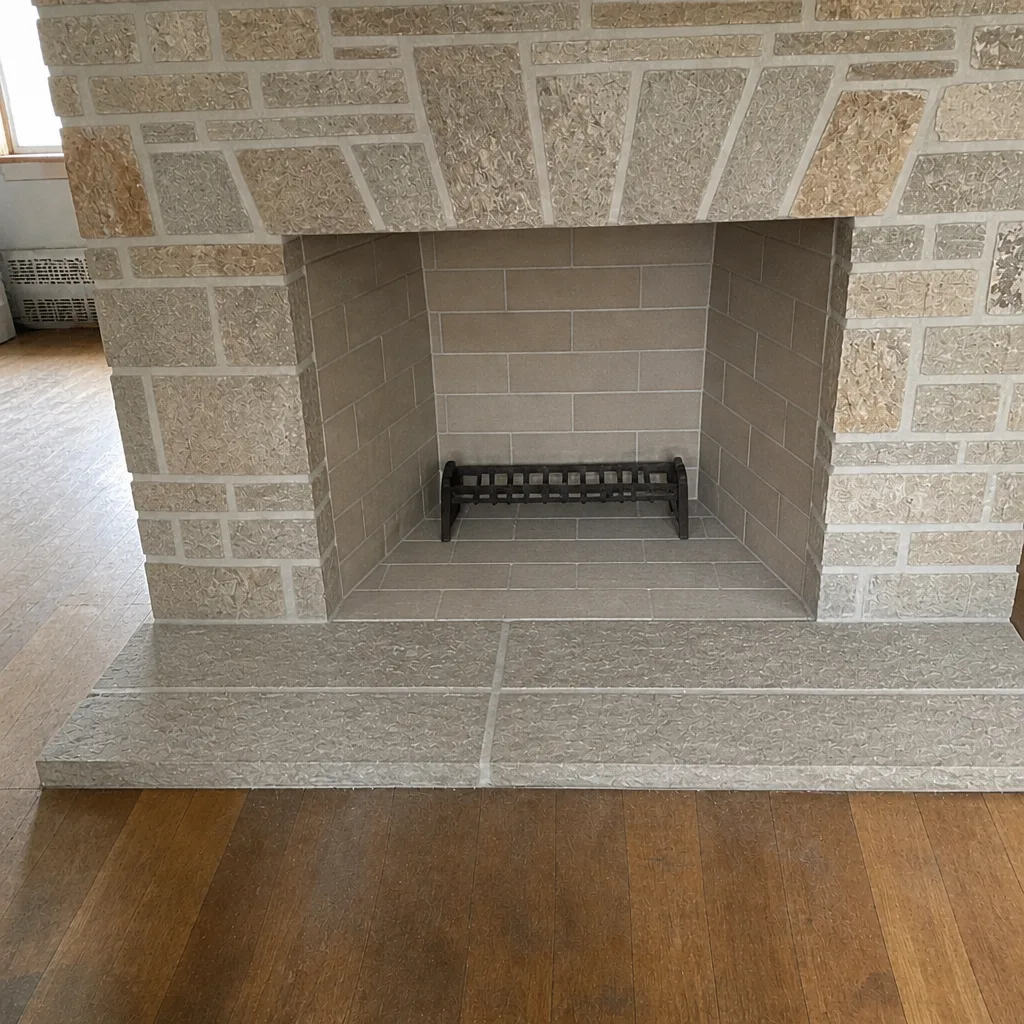
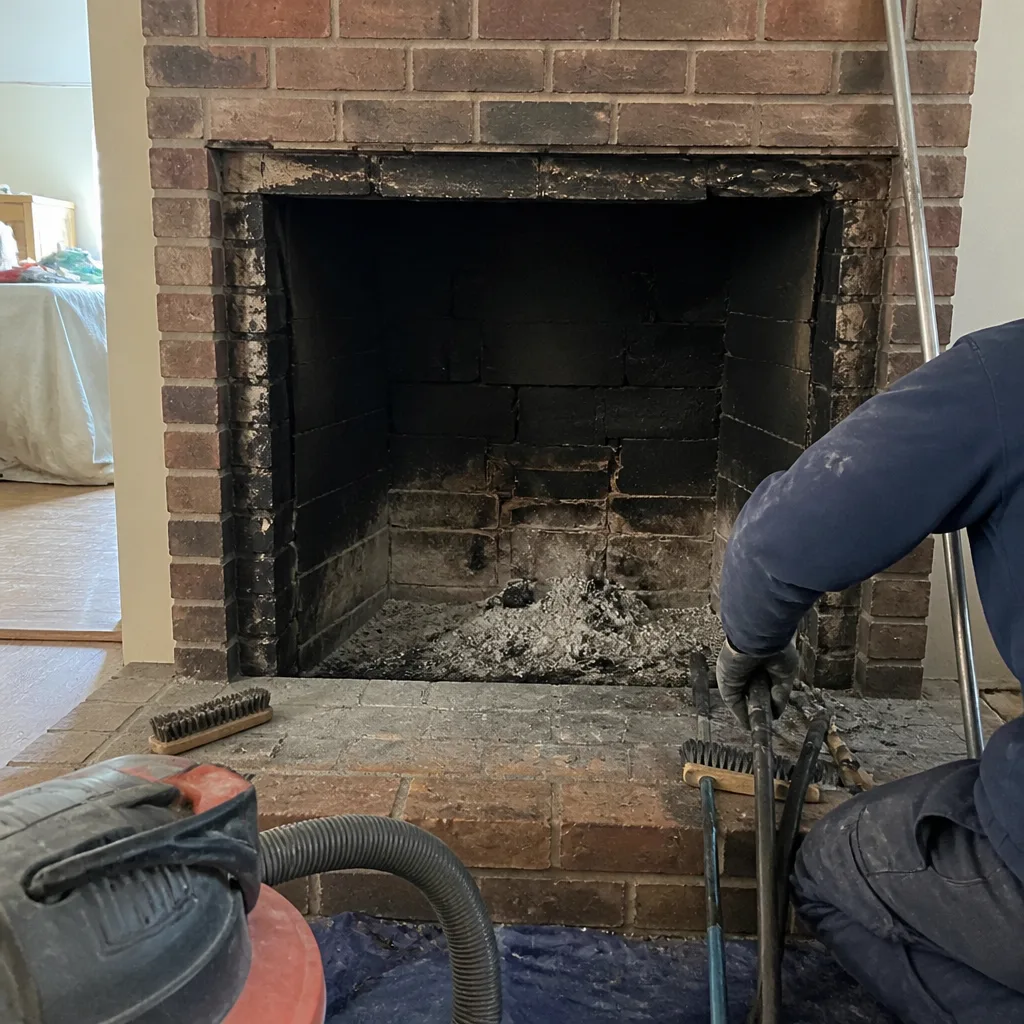
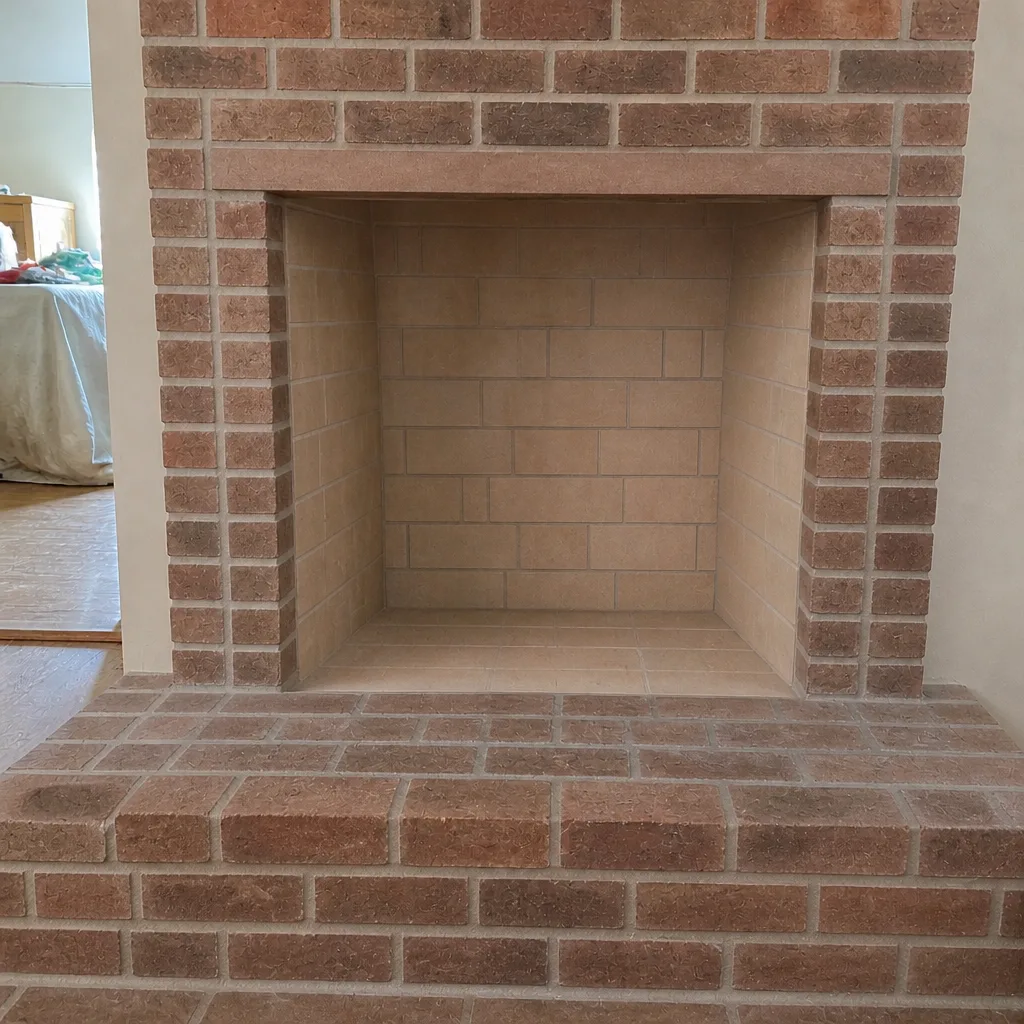
See the difference
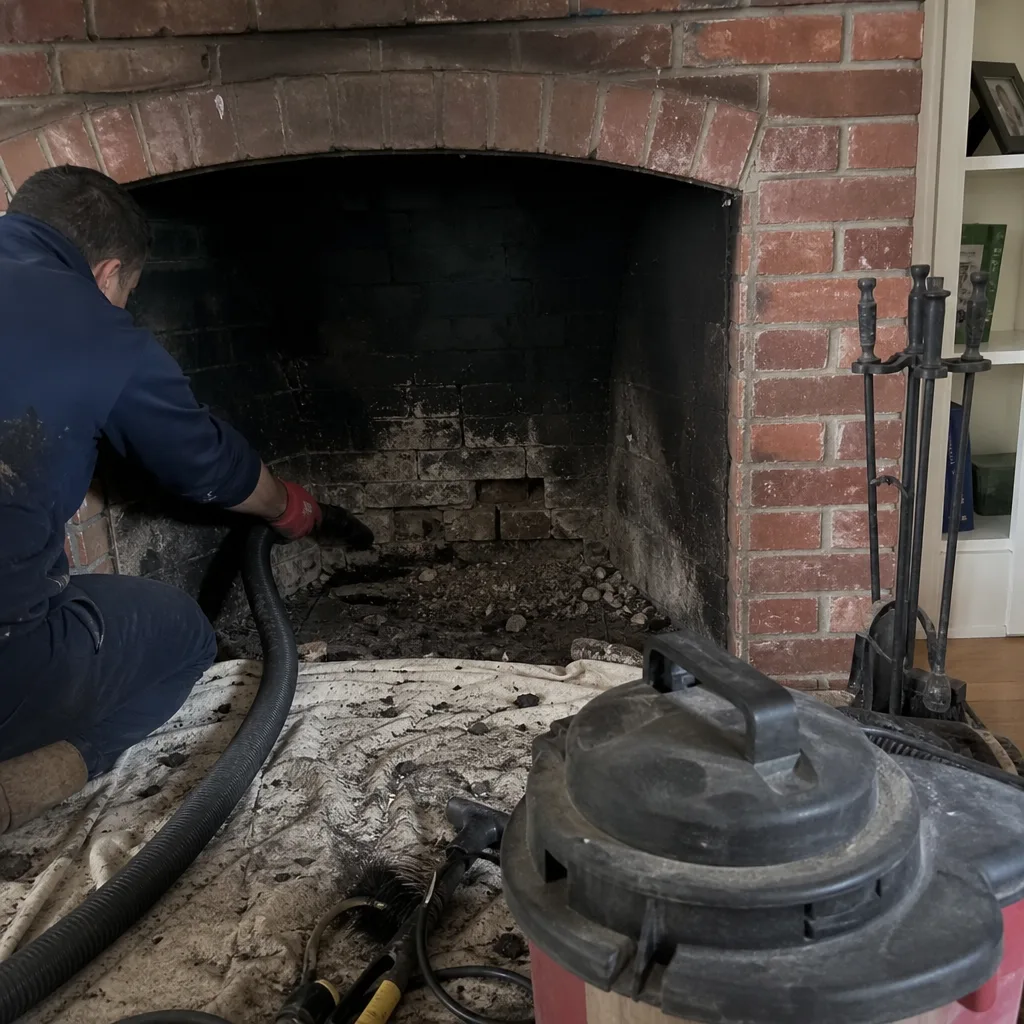 Before
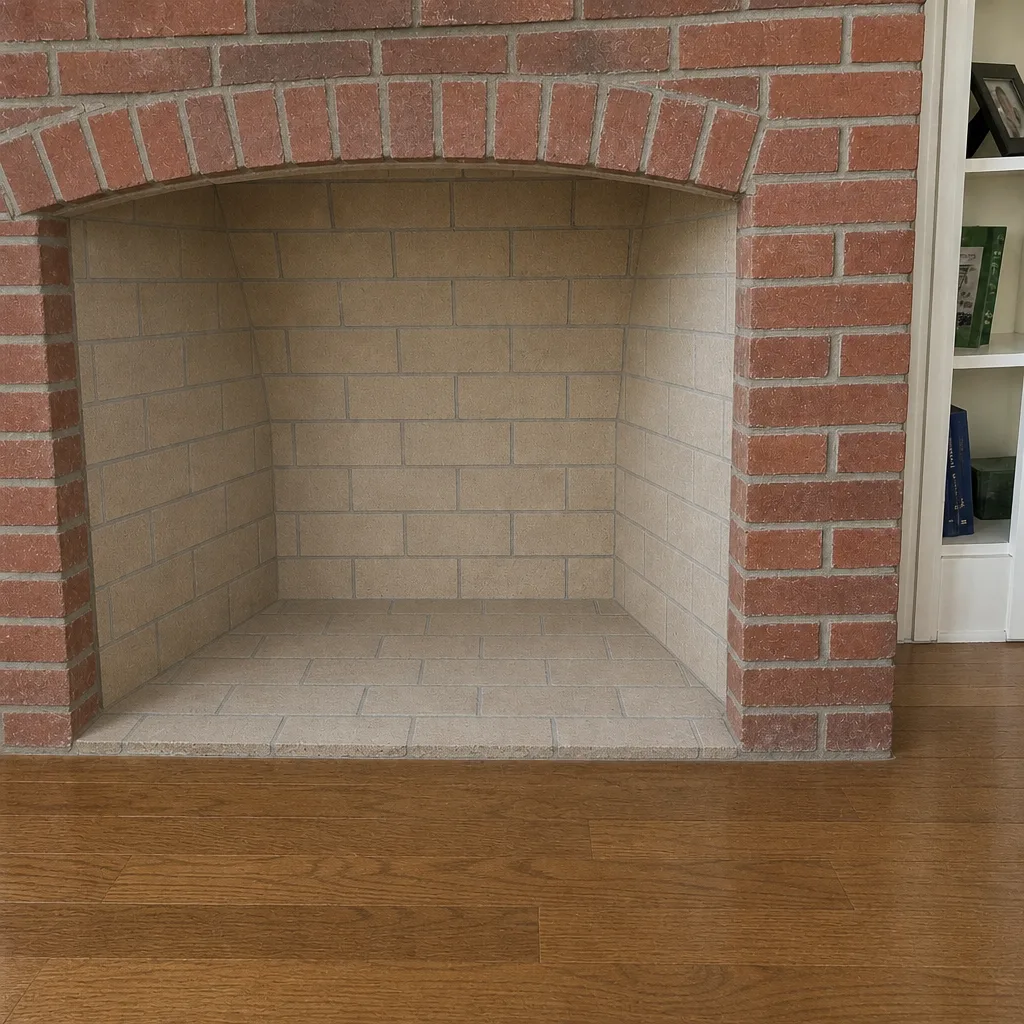 After
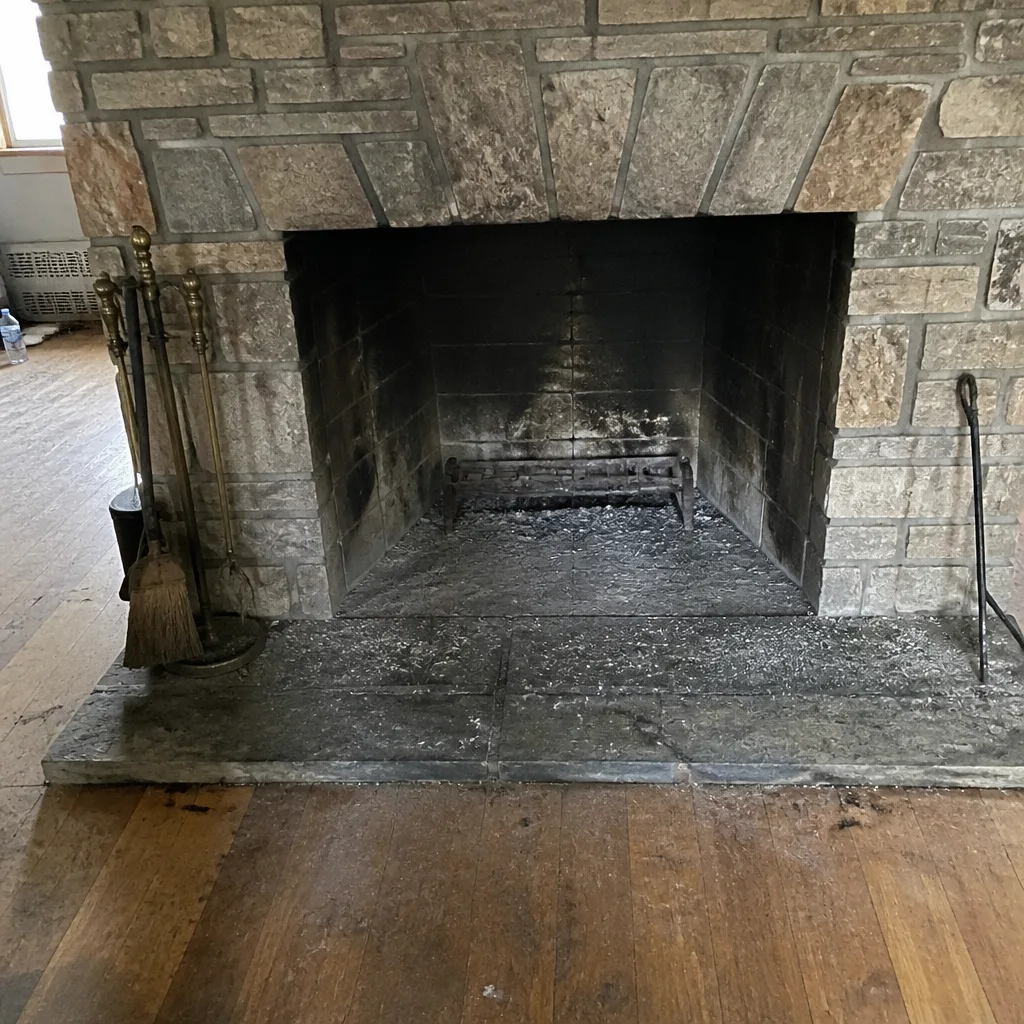 Before
 After
 Before
 After
When to Call a Professional
Call a chimney professional in Parkchester when any of the following is true:
- The flue hasn’t been swept in more than a year of steady wood burning, or two or more seasons of occasional use.
- You smell smoke in the room when the fireplace is running, or the draft feels weak.
- You see water staining near the chimney breast or on the ceiling below the roofline. That usually points to a failed crown or flashing, not just a leaky cap.
- You burn wood and notice the firebox is coated with a sticky or shiny black deposit. That’s a sign of heavier creosote, sometimes Stage 2 or Stage 3.
- A landlord, co-op board, or insurer has asked for a written inspection certificate, or you’re buying or selling a property with a fireplace.
None of these are emergencies in the sense of a burst pipe, but they’re not things to put off through a full heating season either. A creosote deposit doesn’t shrink, and a cracked crown gets worse with every freeze. The earlier the diagnosis, the smaller the repair.
Chimney Sweep Parkchester offers free estimates in Parkchester. Call (855) 550-7313 to book a sweep or inspection. We answer 24/7, and dispatch runs 7am to 7pm, Sunday through Friday. Closed Saturday. Our technicians have up to 8 years of experience on flues across the building types you’ll find here.
Frequently Asked Questions
A chimney sweep in Parkchester typically runs $150 to $350 for a standard single-flue cleaning. The price rises toward $400 to $900 when the job includes a camera inspection, chemical treatment for Stage 2 or Stage 3 creosote, or roof access work in a co-op or walkup building. Call (855) 550-7313 for an exact quote. Estimates are free.
Not always. A new liner is only needed when the existing flue tiles are cracked through or too deteriorated to restore, which is a real condition but not the default. A targeted HeatShield ceramic resurfacing repair handles many deteriorating joints at a fraction of the cost of a full DuraFlex reline. The rule that keeps it honest: nothing gets recommended without camera evidence you can see yourself.
Once a year is the standard for a wood-burning fireplace under regular use, and a little less often for an occasional-use gas fireplace with a clean-burning vent. Heavy burners, wood stoves, and inserts may need it more frequently depending on creosote buildup. The camera scan tells you exactly where the flue stands, so you can plan the next cleaning instead of guessing.
The creosote layer thickens and hardens, moving the flue from Stage 1 toward Stage 2 and then Stage 3. Each stage costs more to treat, and the heavier stages carry a higher fire risk because the deposit is combustible. Skipping a cleaning also hides liner deterioration, which is a carbon monoxide concern in a gas flue. Call (855) 550-7313 to get a baseline scan. Estimates are free.
Usually not. A cleaning is a service; an inspection certificate is a separate document, typically priced $150 to $400 on its own. Parkchester landlords, co-op boards, and insurers increasingly ask for the certificate as a distinct line item because it records flue condition with photos. Ask for the written report and the camera photos, not just the receipt.
You can, but a cheap quote is usually a partial one. The lowest number almost always drops the camera scan, the stage assessment, or the inspection certificate, which is exactly the safety work you were paying to have done. Price the line items, not the total. Call (855) 550-7313 to get a written estimate that names each piece. Estimates are free.
The Bottom Line
Chimney cleaning cost in Parkchester is variable because four things genuinely change the job: flue length, creosote stage, liner condition, and access difficulty. A standard base sweep runs $150 to $350, and the price climbs to $400 to $900 when you add the camera inspection, chemical treatment, or access work that a real diagnosis requires. The number that matters isn’t the total. It’s whether the line items are complete. A $150 quote that skips the camera and the stage assessment leaves the safety work undone, and it can leave you staring at a much bigger liner bill down the road that a proper diagnosis might have avoided. Get the estimate in writing, ask what was included, and ask how the technician reached the roof. Those three answers tell you more about a chimney company than any advertised price ever will.
Call (855) 550-7313 for a free estimate. We answer 24/7. Fast dispatch from 7am to 7pm, Sunday through Friday.
Written by the team at Chimney Sweep Parkchester.