
Last updated November 25, 2026
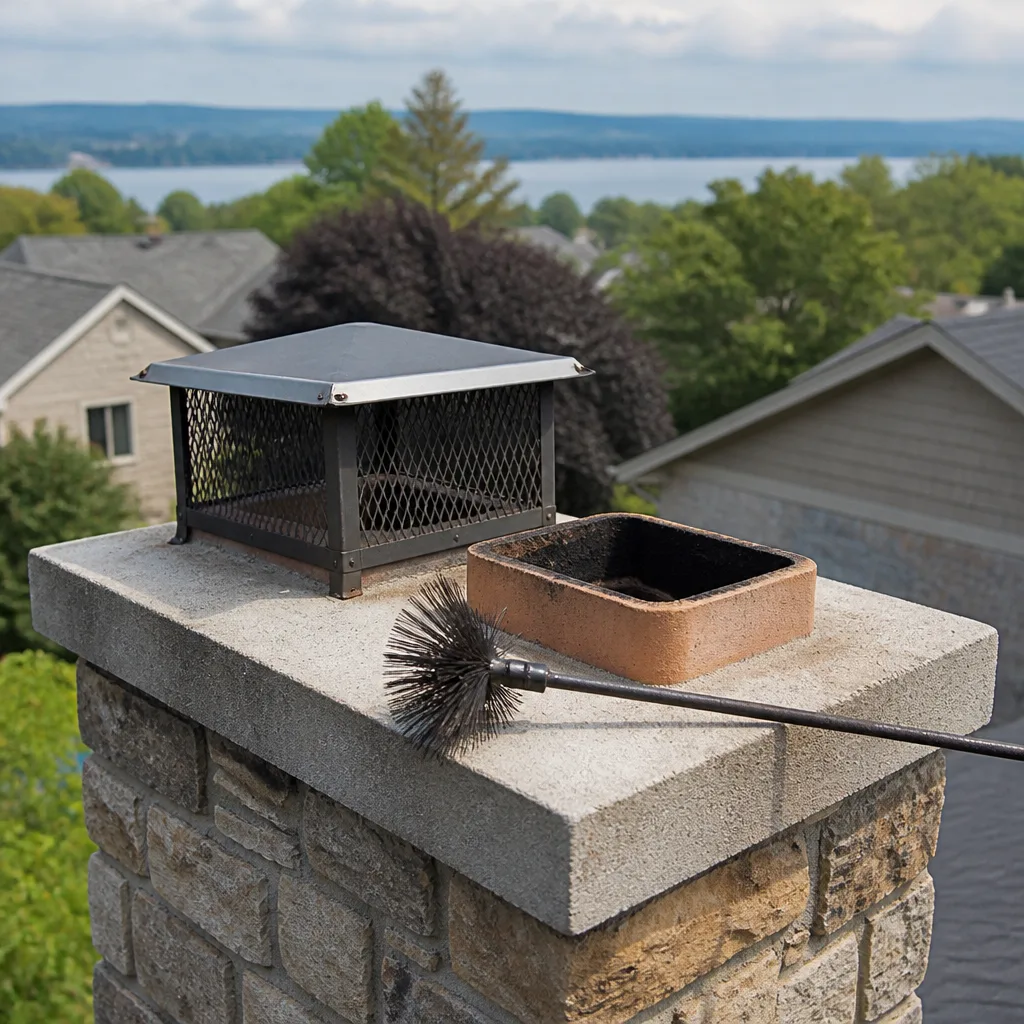 Sweep & inspection
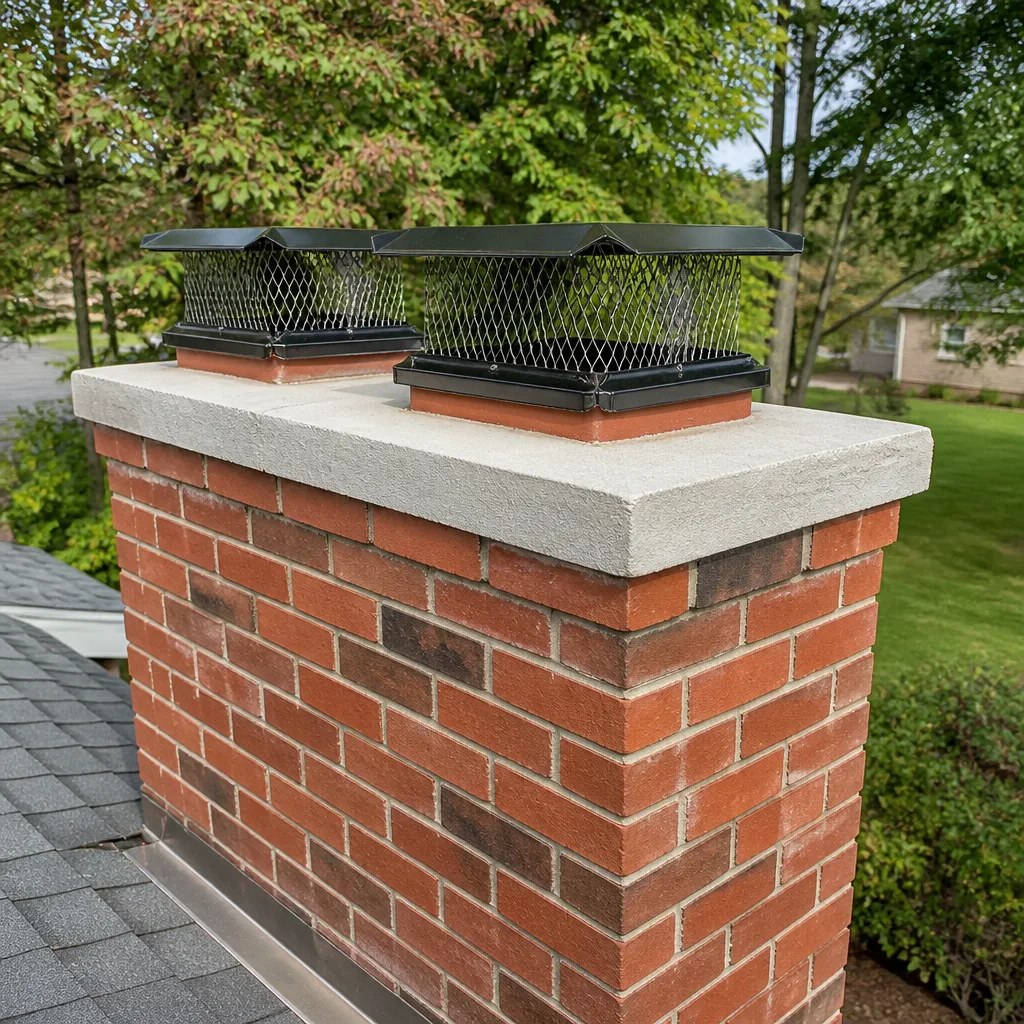 Caps & crowns
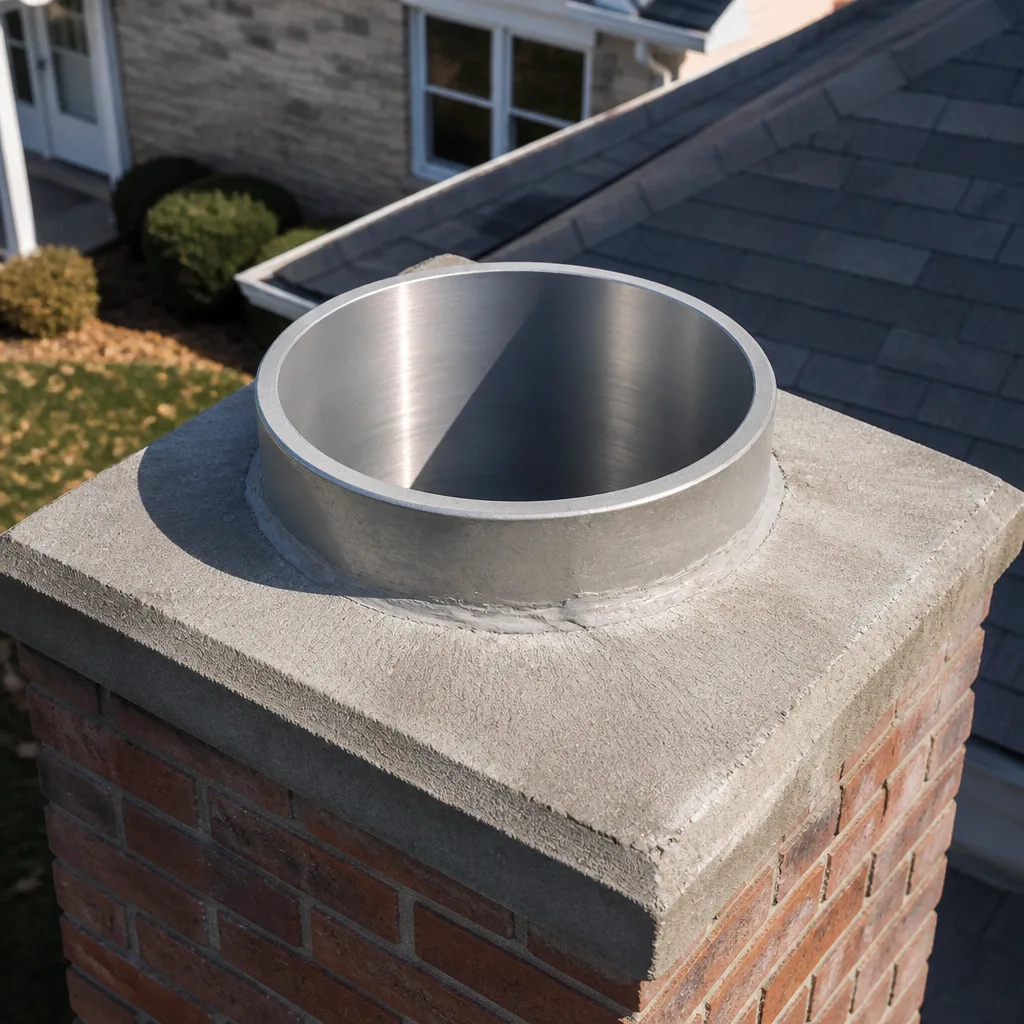 Flue relining
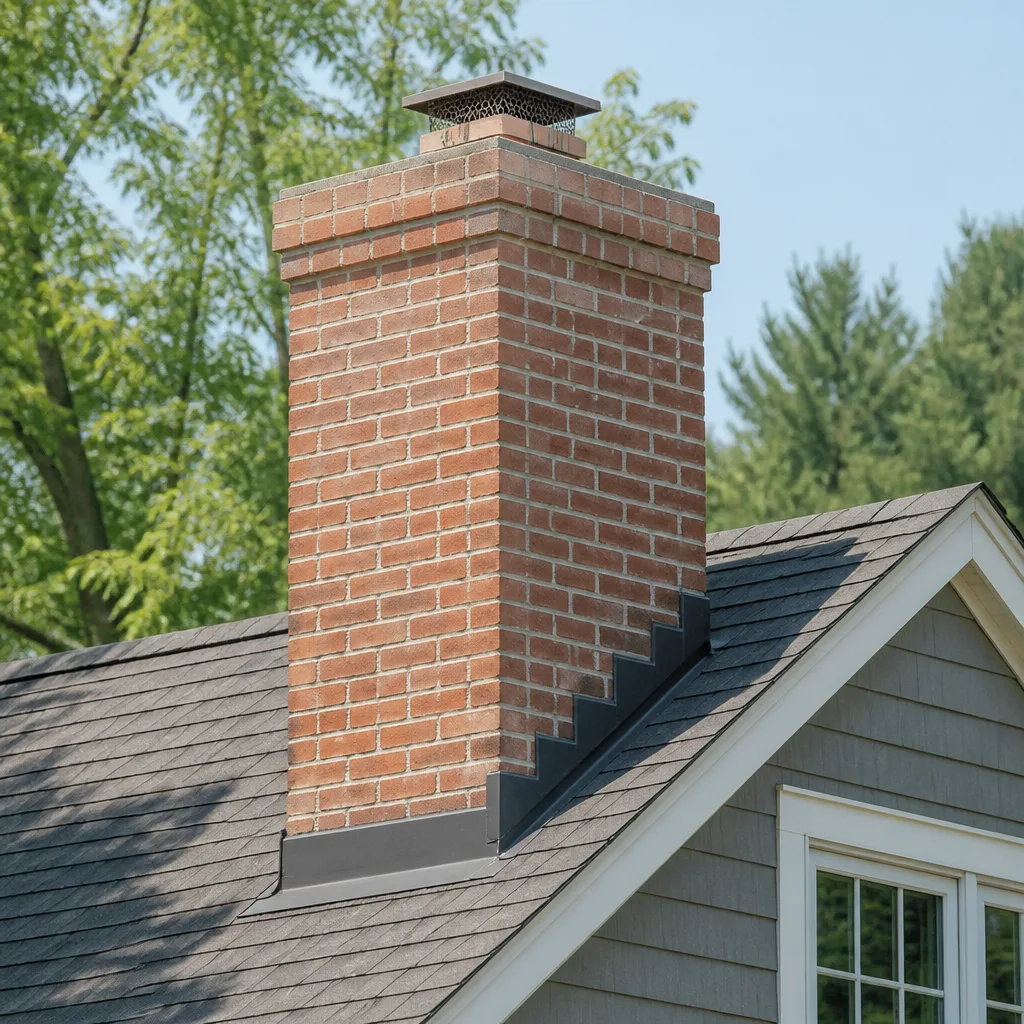 Masonry repair
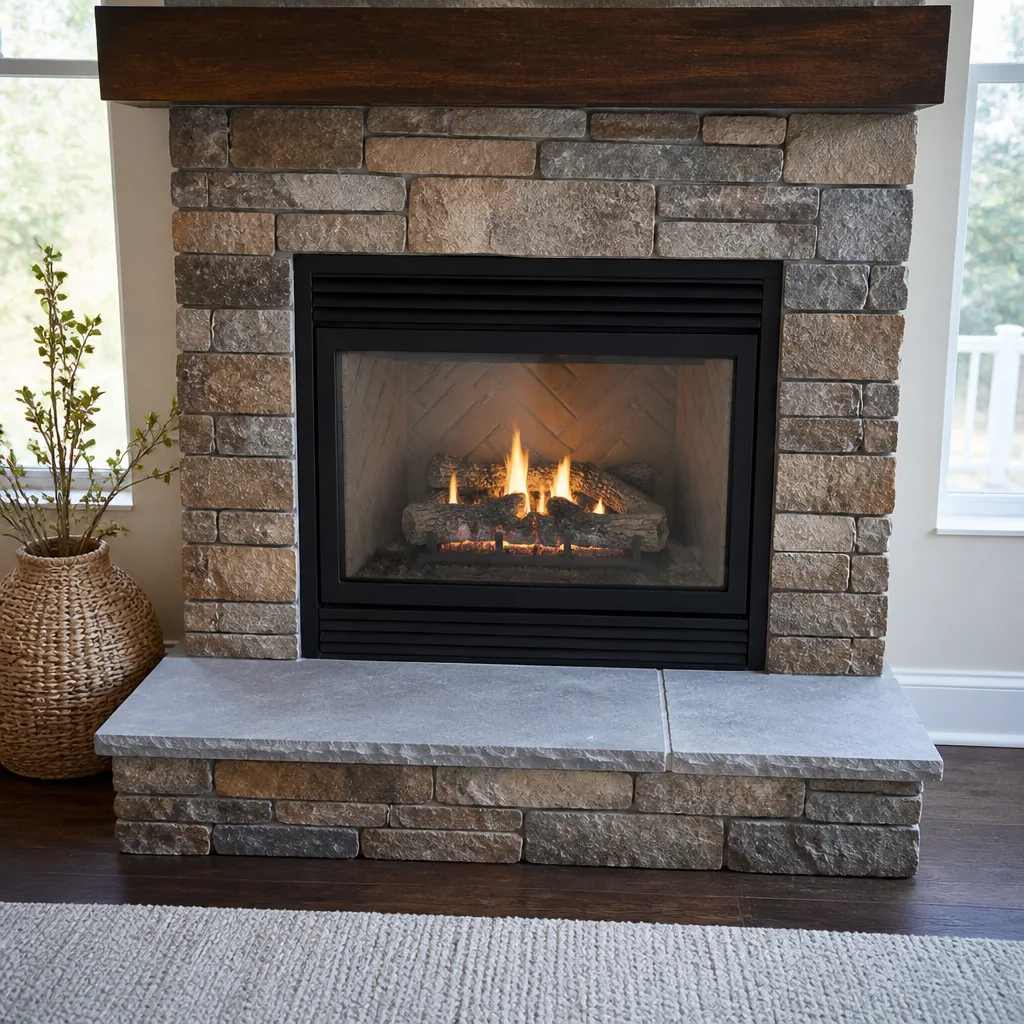 Gas fireplace service
Level 1 sweep and inspection to the NFPA 211 annual standard - flue, crown, cap, and flashing checked and photographed
Chimney sweep logs do not sweep chimneys. They loosen some creosote - which then falls where a brush and vacuum still have to collect it.
Seasonal Chimney Cleaning Care for Parkchester: Year-Round Homeowner’s Guide
Spring is when most Parkchester chimneys show the full damage of winter, and almost nobody opens the damper and looks in March. Water that got in through a cracked crown or a failed cap in February sits in the flue for six more months, quietly softening mortar and rusting metal components while the fireplace stays cold. By the time the homeowner notices a stain on the ceiling in October, the repair has usually grown by a category. This guide lays out a season-by-season maintenance calendar built around what actually happens to Parkchester chimneys through the year, with specific tasks for each window so you’re diagnosing problems as they start rather than reacting to them after the first cold snap.
Quick Answer
Parkchester chimneys need three things through the year: a post-winter inspection in spring to catch freeze-thaw damage and water infiltration, a liner and animal-activity check in summer while the flue is dry, and a full sweep with a draft and cap test in fall before the first burn. A mid-season winter check catches signs of incomplete combustion before they compound. Along with those seasonal touchpoints, the year-round urban particulate load in Parkchester means most wood-burning flues need a sweep at least once a year, and more often if you burn several cords per season.
Styles & brands we work with
- Sweep & inspection
- Caps & crowns
- Flue relining
- Masonry repair
- Gas fireplace service
Table of Contents
- Spring: Reading Freeze-Thaw Damage in Parkchester Masonry
- Summer: Why the Dry Season Is the Best Time for a Liner Inspection
- Fall: The Pre-Season Sweep Sequence, Step by Step
- Winter: Mid-Season Warning Signs That Call for a Service Visit
- How Parkchester’s Urban Air Quality Changes Creosote Chemistry
- How Often Should a Parkchester Chimney Be Swept?
- Common Mistakes to Avoid
- When to Call a Professional
Spring: Reading Freeze-Thaw Damage in Parkchester Masonry
Winter is when water does its damage and spring is when you can finally see the results. Parkchester’s masonry chimneys sit through repeated freeze-thaw cycles every cold season: water soaks into brick and mortar during a mid-winter thaw, then refreezes overnight and expands, pushing the surface outward. A few decades of that cycle produces the spalling you’ll see on older urban brick chimneys – the face of the brick flakes off in thin layers, leaving a rough, crumbly surface behind. Mortar joints recede more slowly but in the same pattern. On a chimney in the Parkchester housing stock, the first place to look in March or April is the crown and the top few courses of brick, because that’s where water enters and where the freeze-thaw cycle bites hardest.
The right spring inspection tasks are specific:
- Walk around the outside of the chimney and look for spalled brick faces, crumbling mortar joints, or white chalky bloom on the masonry, which usually means water is migrating through.
- Check the crown for cracks, separation from the flue, or a slope that has gone flat. A crown that holds water is a crown that will fail.
- Look at the cap and spark arrestor for winter storm damage or displacement.
- Open the damper and look up the flue with a light. Staining, rust, or a musty smell means water is getting into the system.
- Check the firebox for cracked brick or receded mortar joints, which often worsen through a heating season.
In our experience, spring is also the right time to seal what winter opened, but only after the damage is documented. Sealing a chimney with active water infiltration just traps the water inside. The sequencing matters: inspect, repair, then waterproof. If the crown is cracked, that’s a chimney cap & crown job. If water is already past the crown and into the flue, the liner needs to be checked before any exterior work is scheduled, because water that has been sitting in a flue joint since February can soften refractory mortar and separate liner sections.
Summer: Why the Dry Season Is the Best Time for a Liner Inspection
Summer is the optimal window for inspecting the flue liner, and not just because the fireplace is cold. Warm, dry air lets the flue dry out completely between inspections, which means the technician can actually see the joint condition without moisture obscuring cracks or disguise. It’s also the season when a camera inspection is most accurate, because condensation inside a cold flue in spring can read as a liner defect when the real issue is just water. In short, a summer liner inspection tells you what your liner actually looks like, and a spring or fall inspection tells you what your liner looks like plus the weather.
Summer is also animal nesting season, and Parkchester chimneys get both chimney swifts and raccoons. Both are species worth knowing about because neither should be disturbed without a plan.
Identifying chimney swift activity
Chimney swifts are small, dark birds that nest inside chimneys from roughly late spring through late summer and are protected under federal law. You’ll usually hear them before you see them: a chattering sound high in the flue, especially around dawn and dusk. You may also spot a swift entering or leaving the chimney top. The nests themselves are small bracket-shaped cups glued to the flue wall with saliva, and they’re not usually a fire hazard on their own, but they can break off and block the flue. The right move is to wait until the birds have left for the season, then have the chimney swept and inspected. Never try to remove them during nesting.
Identifying raccoon activity
Raccoons are heavier and louder, and you’ll usually notice them by scratching and thumping sounds in the flue at night. They can also be identified from the cap: a dislodged or pushed-off cap is a common sign of raccoon intrusion. Raccoon scat carries a specific health hazard and should never be handled by a homeowner. A professional sweep is the right call once the animal has been safely evicted, but the eviction is a job for wildlife control, not a chimney company.
Summer is the best time to have the cap checked and rebuilt if the intrusion happened, or replaced if the old cap is beyond repair. We install Gelco and Famco ventilation components for both masonry and metal chimneys because cap dimensions vary widely across Parkchester’s housing stock, and a cap that doesn’t fit right at the top doesn’t stop animals at all.
Fall: The Pre-Season Sweep Sequence, Step by Step
The fall sweep is the most important visit of the year, but a sweep alone only tells you half the story. A proper pre-season service covers the whole system – from the cap to the firebox – so you know you’re lighting a safe fireplace on the first cold night, and you know it before you’ve committed to a heating season.
Here’s the sequence a full pre-season visit should follow:
- Sweep the flue. A rotary sweep removes soot and creosote from the flue walls. The technician notes the thickness and type of creosote, since glazed creosote requires different treatment than soft, flaky deposits.
- Camera-inspect the liner. A closed-circuit camera runs the full length of the flue so the technician can see joint separation, cracks, gaps, and any warping. The image is documented so you can see what they see.
- Check the cap and crown. Cap integrity, spark arrestor cleanliness, and crown condition all get verified. Animals often find a loose cap in October.
- Test the damper. The damper should open and close smoothly and seal fully when closed. A damper that sticks open lets heated room air escape all winter, and one that won’t close lets cold air pour into the house.
- Run a smoke test. The technician introduces a small amount of safe smoke at the firebox and observes flow direction at the top. Smoke that drafts correctly heads straight up and out. Smoke that rolls back or stalls signals a draft problem that needs correcting before the first fire – often a flue-sizing issue, an obstruction, or a negative-pressure problem in the home.
- Check the firebox and smoke chamber. Cracked brick and loose mortar in the firebox should be documented and pointed out before the heating season, not discovered as a draft problem in December.
If the liner shows joint problems but isn’t fully compromised, HeatShield ceramic resurfacing is a repair worth knowing about: it restores the inner flue surface without a full reline, which is a smaller job and a lower cost than tearing the existing liner out. Where the liner is fully failed, a DuraFlex flexible liner system is the standard fix. Both decisions should be supported by camera evidence you’ve seen for yourself – never by a verbal recommendation alone.
Winter: Mid-Season Warning Signs That Call for a Service Visit
Most chimney problems that appear in winter aren’t new. They’re older issues that got worse, or fresh creosote building faster than it should. Winter service calls usually fall into two categories: symptoms that point to incomplete combustion, and symptoms that point to an obstruction or draft problem.
Indicators of incomplete combustion that warrant a service visit:
- Glazed creosote forming much faster than expected. Fresh creosote on the flue walls early in the season usually means the fire isn’t getting enough air. The causes vary – a partially closed damper, a flue that’s undersized for the firebox, a blocked air intake, or wet wood – but the fix requires a technician to diagnose it in person.
- Persistent smoke rollback. If smoke spills out of the firebox every time you light a fire, the draft is failing. That’s not something to “burn through” – it means combustion gases are coming into the room instead of going up the flue.
- Strong creosote smell in the house between fires. This usually points to a pressure imbalance or a down-draft problem, not just the smell of a cold fireplace.
- Visible soot on the firebox face or a clogged screen. Heavy soot accumulation after a season that shouldn’t produce it often means a combustion problem.
Carbon monoxide is the reason these signs matter. A chimney that isn’t drafting correctly can allow CO into the living space, and CO has no smell. If anyone in the home has been experiencing headaches, dizziness, or unusual fatigue during the heating season, open a window, get everyone out, and call for service before lighting another fire. We answer 24/7; a call outside dispatch hours is booked into the next opening, Sunday through Friday, 7am to 7pm.
The other common winter call is a cap that gave way under wind and snow load. A cap that’s blown off leaves the flue open to weather and animals for the rest of the season, and the faster it’s replaced the less chance of interior water damage. When we install a Copperfield or Gelco cap mid-season, the goal is to get the top sealed before the next storm arrives, not to wait for spring.
How Parkchester’s Urban Air Quality Changes Creosote Chemistry
A wood fire burns differently in an urban environment than it does on a rural property, and the difference shows up in the creosote. Parkchester’s air carries fine particulate from vehicle traffic, building heating systems, and the general density of an urban setting. That particulate load doesn’t just sit in the air – it settles into the firebox and flue between fires, and it changes how creosote forms on the flue walls when the fire is lit.
Here’s what actually changes in practice:
- Creosote deposits can skew darker and denser than expected for the burn volume. A homeowner who burns two cords of properly seasoned wood might still see heavier deposits than they expected because the pre-existing particulate in the firebox interferes with clean combustion at the start of a fire.
- Draft dynamics are sensitive to neighborhood pressure patterns. Homes in tighter urban blocks with shared rooflines can experience more down-draft or pressure-related draft problems than detached properties, and those patterns show up as uneven soot distribution around the flue circumference.
- Air intake quality affects combustion efficiency on gas fireplaces too. A gas fireplace drawing urban air into the combustion mix can show slightly different flame color and deposit patterns than one in clean-air surroundings.
What this means for sweep frequency is practical: the “annual sweep” default still holds for a wood-burning fireplace in Parkchester, but homeowners who burn more than a cord per season, or who notice heavier-than-expected creosote at the fall sweep, should plan for a mid-season sweep as well. A closed-circuit camera inspection during the fall visit tells you which category you’re in, which is more useful than guessing.
How Often Should a Parkchester Chimney Be Swept?
Once a year is the baseline for a wood-burning fireplace in Parkchester, and that baseline holds for most homes that burn one cord or less per heating season. Sweep more often – at the mid-season mark – in these situations:
- You burn more than one cord of wood per heating season.
- You see glazed or tar-like creosote on the flue at inspection.
- You burn unseasoned wood, or wood that hasn’t dried fully.
- You notice draft problems, smoke rollback, or a persistent creosote smell.
- You’ve had heavy soot accumulation after a season that shouldn’t warrant it.
- Your flue is older or has a known liner history.
Gas fireplaces don’t produce creosote the way wood does, but they still need an annual inspection because a gas flue can accumulate debris, deteriorate from moisture, or develop a venting problem. Pellet stoves and inserts follow the manufacturer’s schedule, and the fall visit is the right time to verify that schedule against your actual usage.
A useful rule in Parkchester: the annual sweep is the minimum, and the camera inspection is what tells you whether you’re below it. If you’re not sure which category you fall into, a single fall inspection with documented findings usually answers it – and gives you a baseline for next year.
Common Mistakes to Avoid
- Skipping spring and waiting until fall to look. Water infiltration from winter sits in the flue through spring and summer and softens what it touches. A spring look is when the damage is still cheap to fix.
- Waterproofing before inspecting. Sealing a chimney with active cracks and open joints traps moisture inside and makes the eventual repair larger. Document first, seal after.
- Burning “green” or recently fallen wood. Unseasoned wood smokes heavily and deposits creosote faster than dry wood. In Parkchester’s urban draft conditions, the difference shows up at the next sweep.
- Assuming an annual sweep is enough without an inspection. A sweep without an inspection only tells you half the story – it tells you the flue is clean, not that the liner is intact. The two go together.
- Disturbing chimney swifts during nesting. They’re protected, and removing the nest during nesting season is illegal. Wait until they’ve left, then sweep.
- Ignoring a smoky fire “because it always does that”. Persistent smoke rollback is a draft problem, and draft problems put combustion gases in the room. Get it diagnosed.
- Letting a displaced cap wait until spring. A chimney open to weather and animals at the top of the house is a water-damage problem all winter. Replacing it mid-season is a short job.
When to Call a Professional
Some chimney work belongs in the hands of a specialist and not a generalist handyman: anything involving the liner, the crown, cracked masonry, or a smokey draft problem. We’d also put any spring inspection that turns up spalled brick or a suspect crown in that category, because the difference between a reseal and a rebuild is a judgement call that requires looking at the whole system. The same goes for a mid-season draft diagnostic – the symptoms are common across many causes, and diagnosing the right one requires seeing inside the flue with a camera.
Chimney Sweep Parkchester offers free estimates in Parkchester. Our technicians have up to 8 years of experience, and we work exclusively on chimneys and fireplaces. Call (855) 550-7313. We answer 24/7. Fast dispatch from 7am to 7pm, Sunday through Friday.
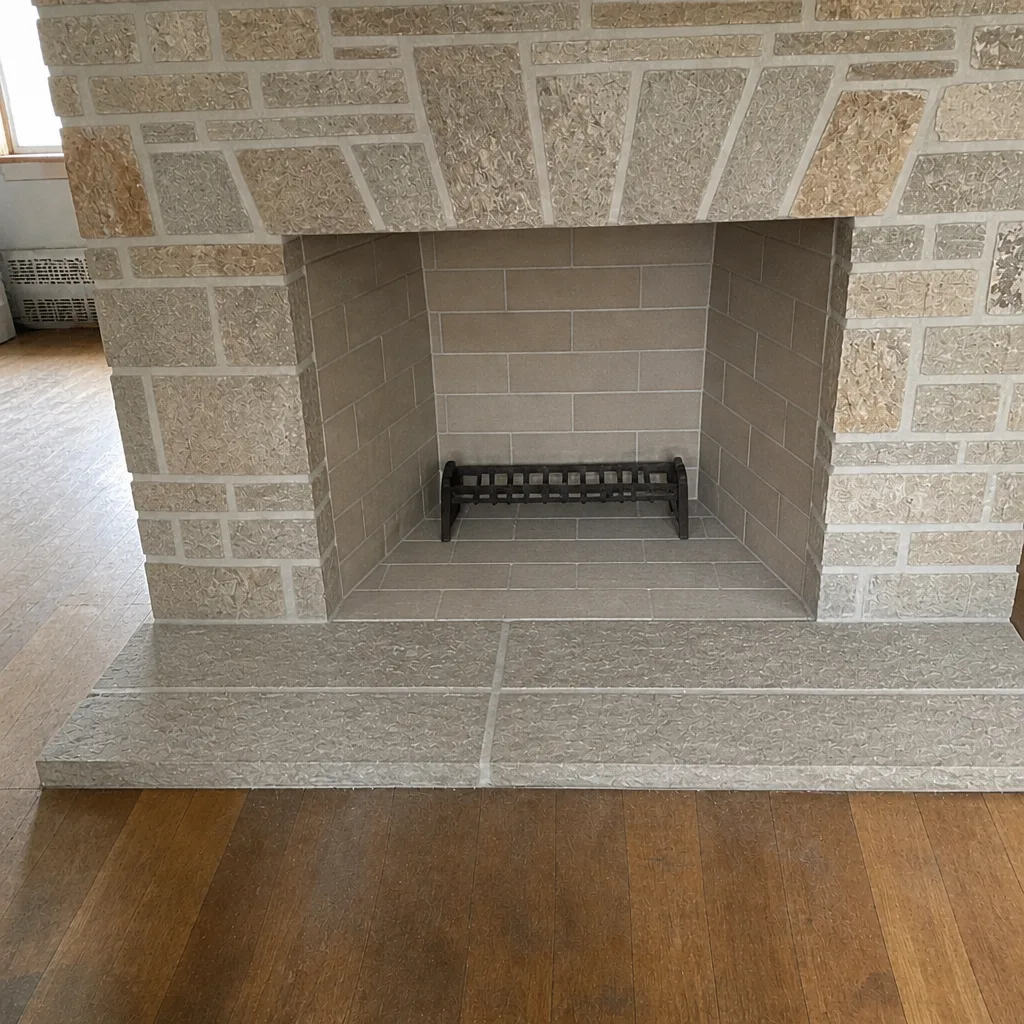
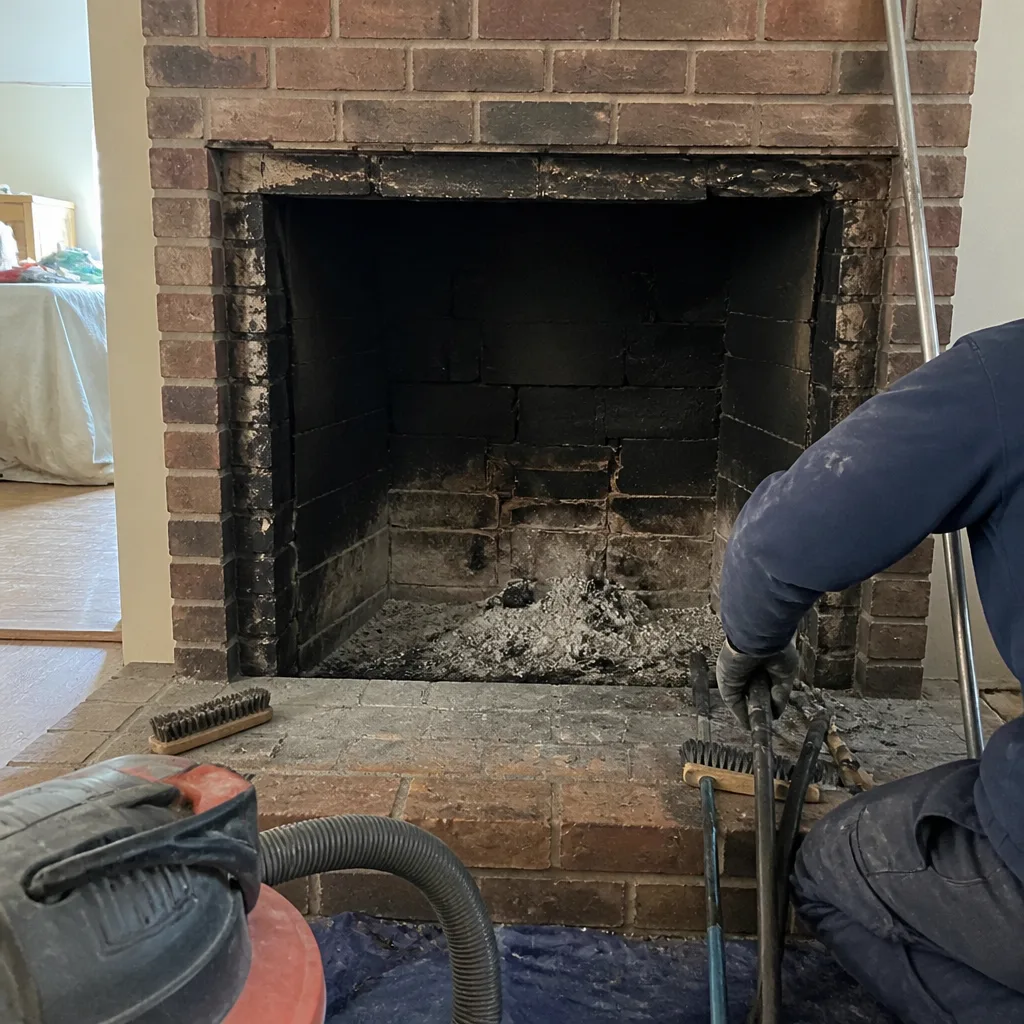
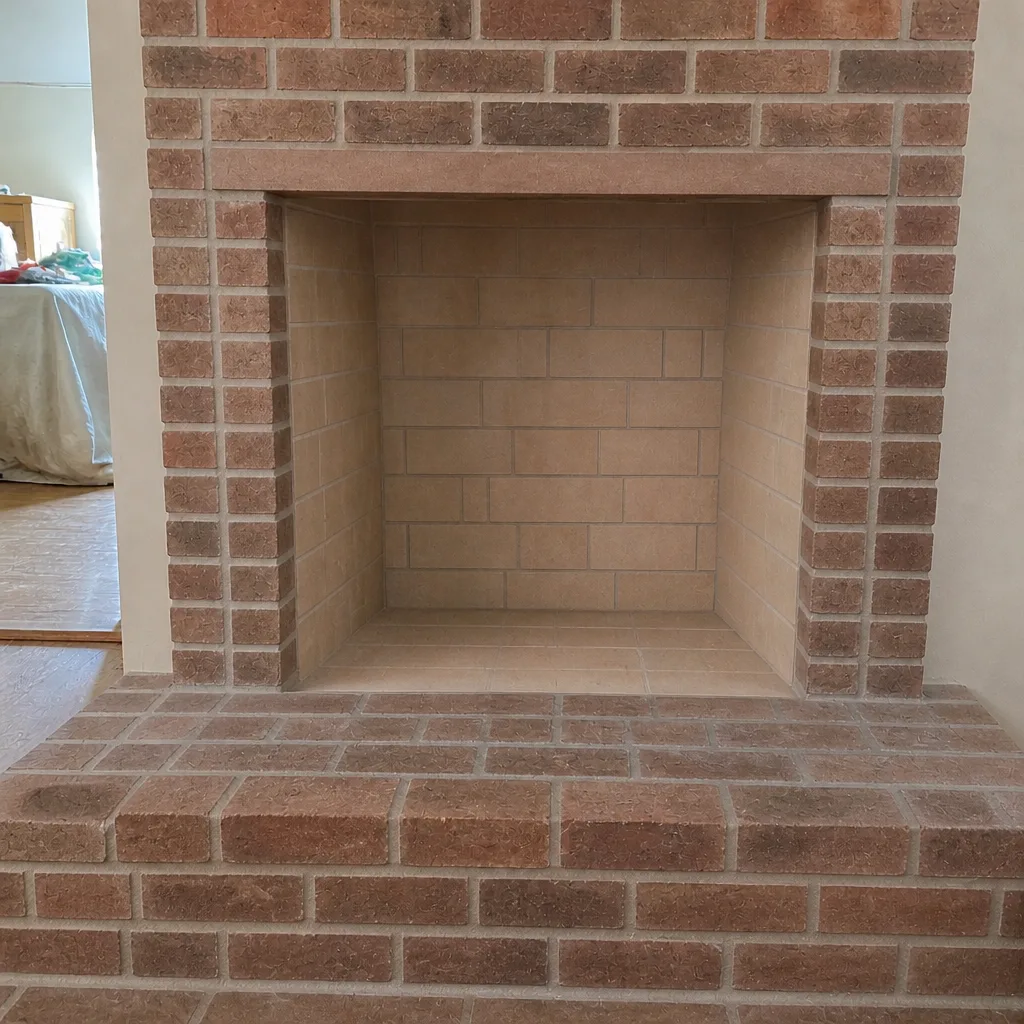
See the difference
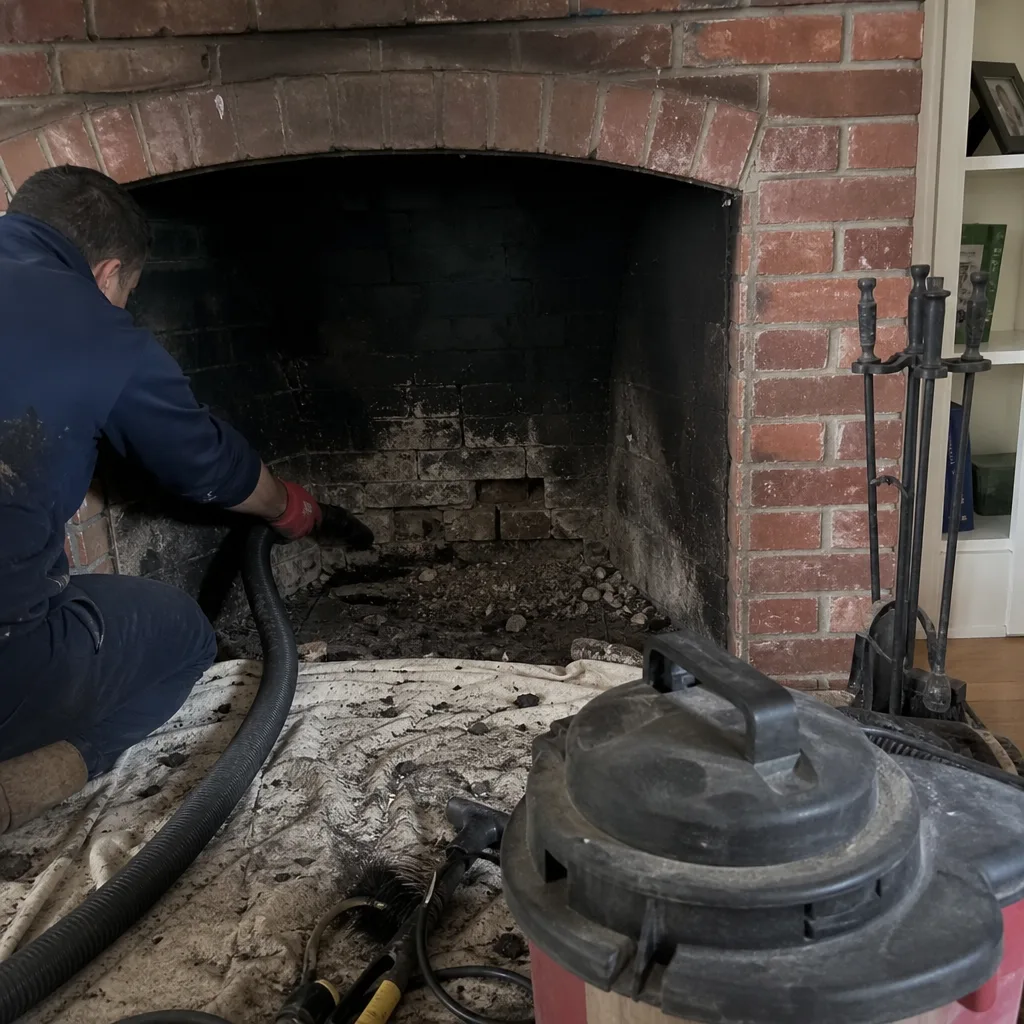 Before
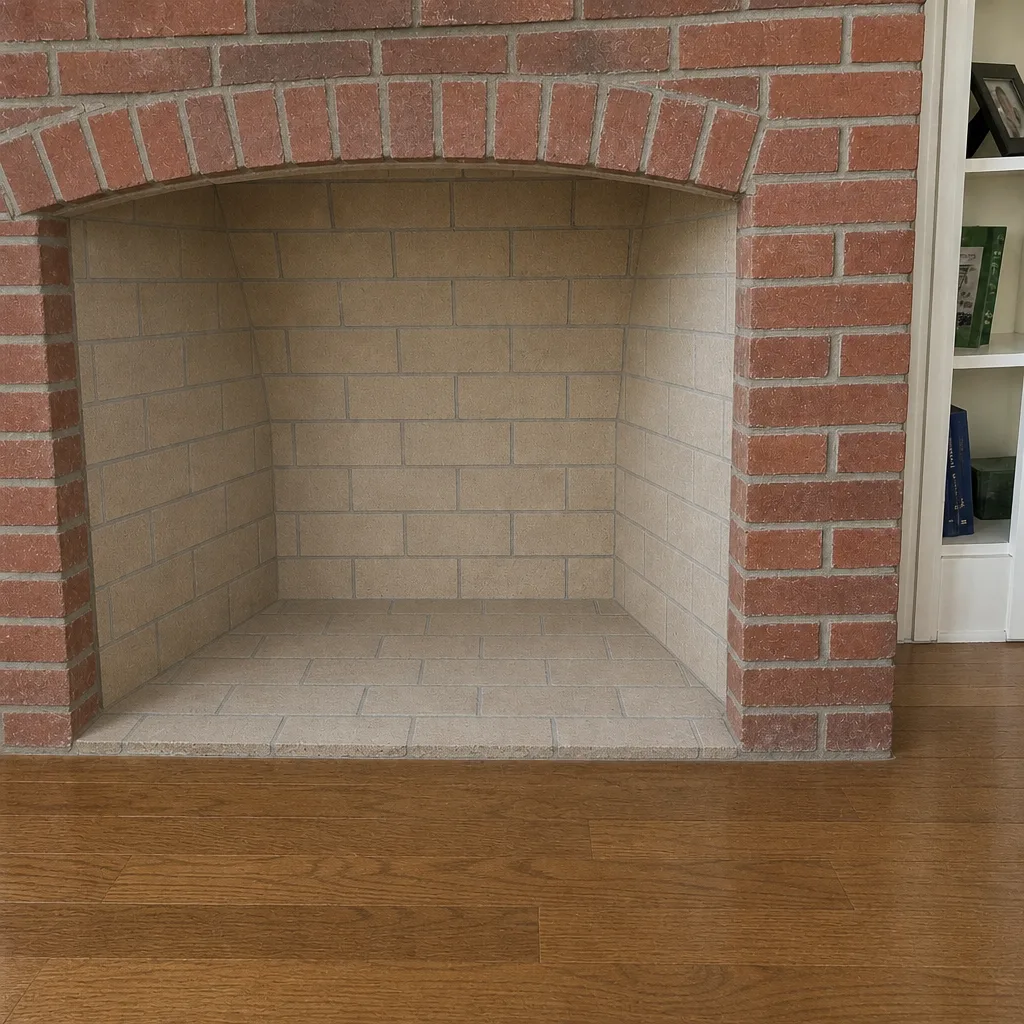 After
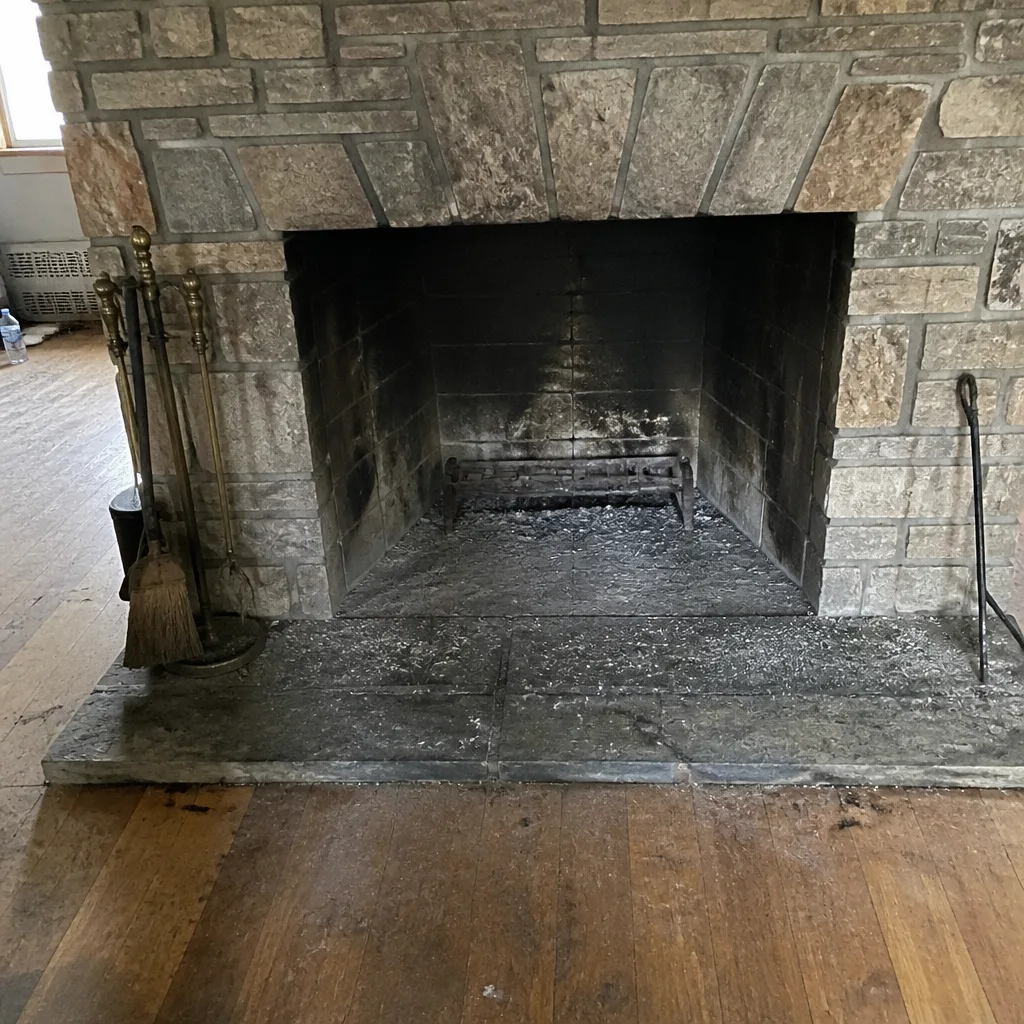 Before
 After
 Before
 After
Frequently Asked Questions
A standard sweep with a camera inspection is a fixed-price job set by a written estimate before we book, and the price varies by flue configuration, liner condition, and whether you’re adding a cap or crown check. Nothing gets added on the day – the written estimate sets the final price, and the inspection photo report comes with it so you can see what the technician saw. Call (855) 550-7313 for an exact quote; estimates are free.
Not always. A liner with isolated joint problems is often repairable with HeatShield ceramic resurfacing, which restores the inner surface without a full reline. A liner that’s cracked through, separated into sections, or deteriorated past a point where resurfacing is viable needs a DuraFlex flexible liner or similar replacement. The decision should follow the camera evidence, not a verbal recommendation, so ask to see the inspection footage. Call (855) 550-7313 for an exact quote.
Once a year is the baseline for a wood-burning fireplace that burns a cord or less per heating season, and more often – potentially mid-season – if you burn more than that, if you see glazed creosote, or if you’ve had draft problems. Urban particulate load in Parkchester tends to deposit heavier than you’d expect for the burn volume. Call (855) 550-7313 for an exact quote.
Creosote accumulates on the flue walls and can ignite, and a liner that’s losing joint integrity can let combustion gases into the house rather than up the flue. Skipping one season doesn’t necessarily create a hazard, but skipping several in a row usually means heavier creosote at the next sweep and more chance that a small repair has become a large one. Call (855) 550-7313 for an exact quote.
Because spring is when winter’s damage is finally visible and before summer rain finishes what winter started. Freeze-thaw spalling, a cracked crown, and a cap that shifted in a winter storm all show up clearly in March and April. Fixing them in spring prevents water from sitting in the flue through the warm months. Call (855) 550-7313 for an exact quote.
It can, yes. Parkchester’s urban air carries more fine particulate than a rural setting, and that particulate settles in the firebox and flue between fires. The effect isn’t dramatic for most homes, but it can mean deposits build slightly faster than the burn volume alone would suggest, which is one more reason the annual camera inspection matters. Call (855) 550-7313 for an exact quote.
The Bottom Line
The seasonal calendar is a diagnostic tool for a Parkchester chimney, not a reminder to sweep. Spring shows you what winter did to the masonry. Summer gives you the cleanest look at the liner and the best window for dealing with animal intrusion before the heating season. Fall is where the full pre-season sequence happens – sweep, camera inspection, cap and crown check, damper test, smoke test – so you know the whole system is ready. Winter reveals whether combustion is running clean or whether a mid-season visit is warranted. The through-line across all of it is evidence: nothing gets repaired without camera footage you can see, and the written estimate sets the final price. For chimney repairs and inspection in Parkchester, call (855) 550-7313 for a free estimate. We answer 24/7. Fast dispatch from 7am to 7pm, Sunday through Friday.
Written by the team at Chimney Sweep Parkchester.